
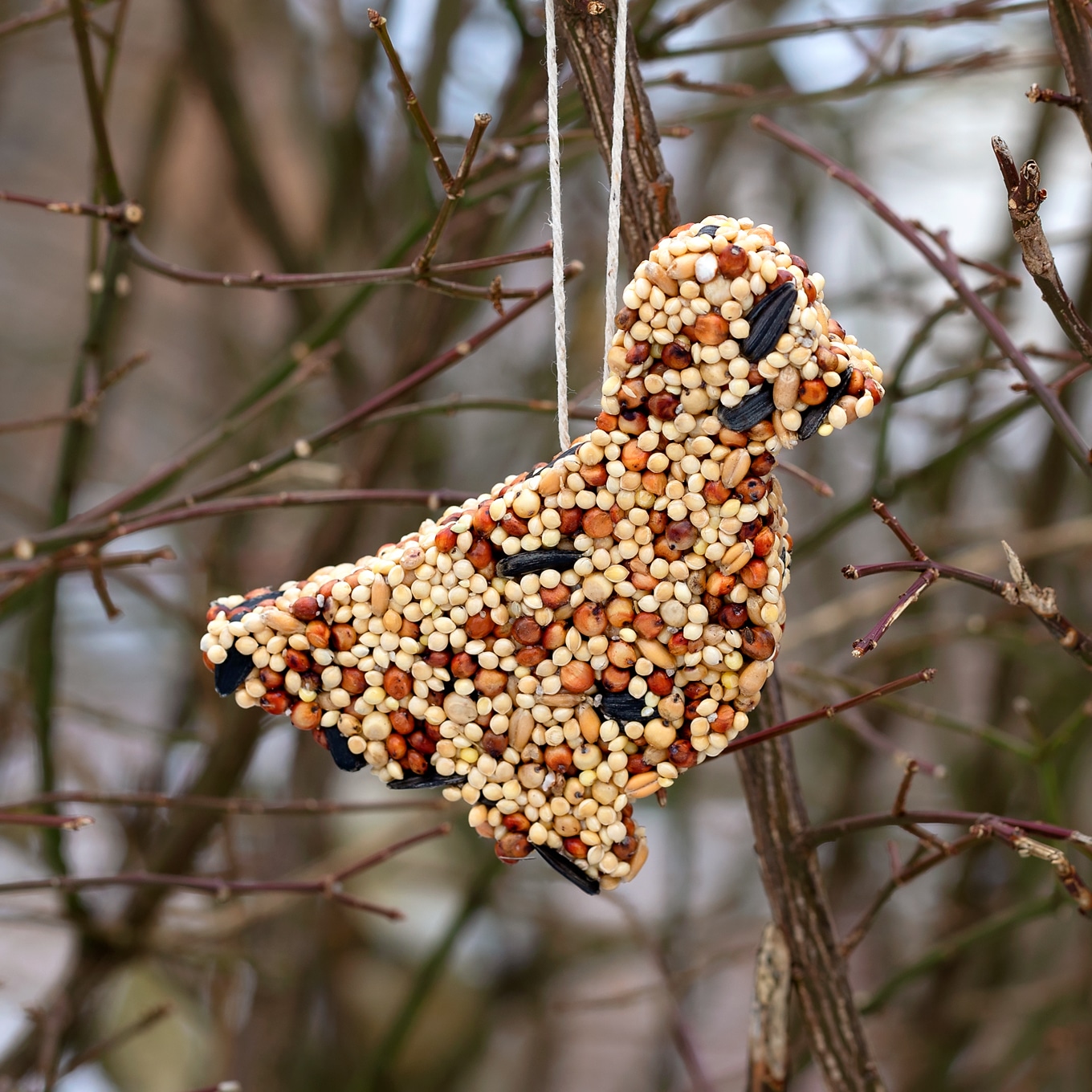
If you love watching birds visit your garden, making a ball of bird feed is one of the best ways to attract them. You might think it’s hard or messy, but it’s actually simple and fun.
With just a few ingredients, you can create a tasty treat that keeps birds coming back day after day. You’ll learn exactly how to make your own bird feed ball step-by-step. By the end, you’ll have a perfect snack to brighten your outdoor space and enjoy nature up close.
Ready to get started? Let’s dive in!

Credit: www.livingwithbirds.com
Choosing Bird Feed Ingredients
Choosing the right ingredients is key to making a perfect ball of bird feed. It helps attract many bird species and keeps them healthy. Birds need a mix of nutrients for energy and growth. Select ingredients that provide variety and nutrition. Avoid items that may harm birds or attract pests.
Selecting Seeds And Nuts
Seeds are the main part of bird feed balls. Sunflower seeds are popular and loved by many birds. Peanuts and almonds add protein and healthy fats. Use unsalted, raw nuts to keep birds safe. Mix small and large seeds to attract different bird types.
Adding Grains And Fruits
Grains add energy and texture. Try oats, cracked corn, or millet for variety. Dried fruits like raisins or cranberries offer natural sweetness and vitamins. Chop fruits into small pieces to help birds eat easily. Avoid sugary or sticky fruits that can spoil quickly.
Avoiding Harmful Ingredients
Stay away from salty, sugary, or processed foods. Avoid chocolate, caffeine, and artificial sweeteners; they are toxic to birds. Do not use moldy or old ingredients that can cause illness. Always choose fresh and natural items for safe feeding.

Credit: www.livingwithbirds.com
Gathering Materials And Tools
Creating a ball of bird feed is simple and fun. Gathering the right materials and tools helps the process go smoothly. Choose items that are safe for birds and easy to handle. Prepare a clean space to work in. Organize your materials before starting to save time.
Containers And Molds
Select containers or molds to shape your bird feed balls. Common choices include:
- Small bowls
- Silicone molds
- Empty yogurt cups
- Ice cube trays
These help keep the mix firm and uniform. Pick sizes suitable for the birds you want to feed.
Binding Agents
Binding agents hold the bird feed together. Use natural, bird-safe options such as:
- Peanut butter (unsalted and unsweetened)
- Lard or suet
- Coconut oil
These ingredients keep seeds stuck and add calories for birds in cold weather. Avoid anything toxic or artificial.
Protective Gear
Wear gloves to keep hands clean and avoid skin irritation. Use a mask if you have allergies or dust sensitivity. Cover your workspace with newspaper or a cloth for easy cleanup. These simple steps make the process safer and tidier.
Preparing The Mixture
Preparing the mixture for your bird feed ball is a key step. The right blend ensures birds enjoy the treat and that it holds together well. Focus on choosing the correct ingredients and mixing them properly. This makes shaping the ball easier and keeps it firm for longer.
Measuring Ingredients
Use simple tools like measuring cups or spoons. Accurate measurements help balance nutrition and texture. Typical ingredients include seeds, nuts, suet, and dried fruits. A good ratio is two parts seeds to one part suet. Avoid too much fat; it can melt quickly in warm weather.
Mixing Techniques
Mix ingredients gently but thoroughly. Use your hands or a spoon to combine everything evenly. Press seeds into the suet to coat them well. This helps bind the mixture and prevents loose bits. Avoid overmixing; it can crush seeds and lose texture.
Adjusting Consistency
The mixture should be sticky but not wet. Add more suet for a firmer ball in cold weather. Add a little water or melted suet if the mix is too dry. Test by squeezing a small amount in your hand. It should hold shape without crumbling or dripping.
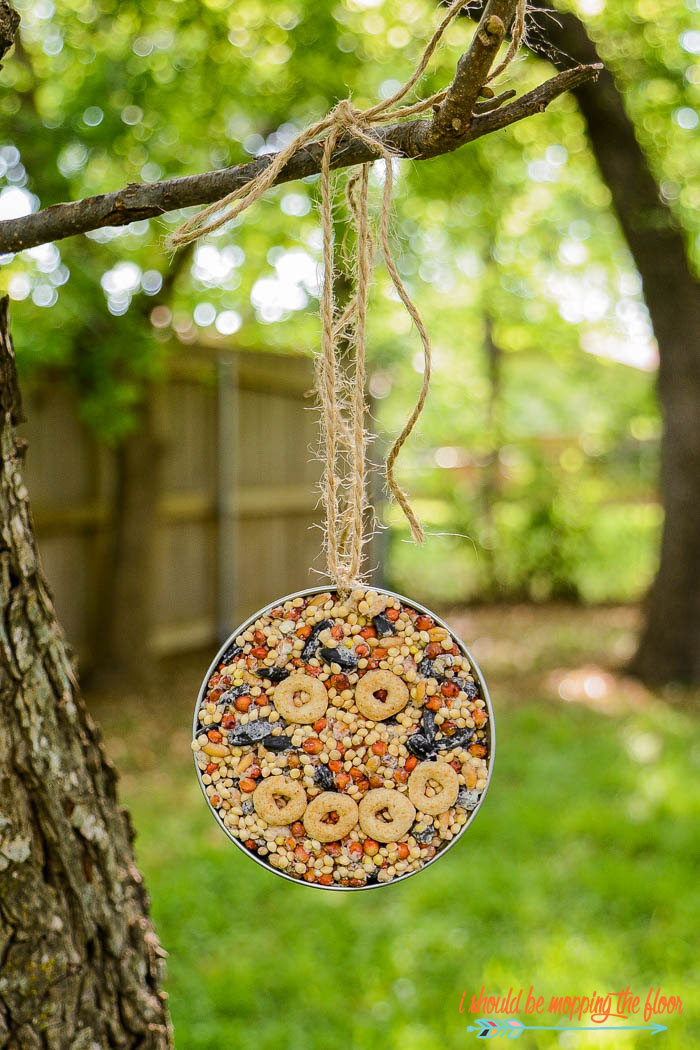
Credit: www.ishouldbemoppingthefloor.com
Shaping The Bird Feed Ball
Shaping the bird feed ball is a key step in making it ready for your feathered friends. The shape affects how the ball holds together and how birds can access the food. You want a form that is both easy to handle and durable enough to last outside. Small changes in shaping can make a big difference in the final product.
Hand Rolling Method
Use your hands to roll the mixture into a ball. Press firmly but gently to keep the seeds together. Avoid making it too tight or too loose. A size about the diameter of a baseball works well. This method lets you feel the firmness and adjust as you go. It’s simple and requires no special tools.
Using Molds For Uniform Shape
Molds help create bird feed balls that are the same size and shape. Choose molds made of plastic or silicone for easy release. Fill the mold with the feed mixture, then press firmly. Remove the ball carefully to keep its shape. Molds save time and make your balls look neat and tidy.
Ensuring Firmness
Firmness keeps the ball intact during hanging and feeding. Press the mixture well during shaping to avoid crumbly balls. Chill the balls in the fridge for about an hour to harden them. Test the firmness by gently squeezing. If it breaks, add a bit more binder like peanut butter and reshape.
Drying And Storing
Drying and storing your homemade bird feed balls properly is essential to keep them fresh and safe for the birds. Moisture left inside can cause mold, ruining your effort and potentially harming wildlife. Taking care of this step ensures your feed lasts longer and stays attractive to the birds.
Optimal Drying Conditions
Choose a cool, dry, and well-ventilated place to dry your bird feed balls. Avoid direct sunlight, as it can cause the fats inside to melt and spoil the mixture. A shaded porch or a spot near an open window works well.
Give each ball enough space so air can circulate around it. Turning them gently after a day helps even drying. Expect the process to take about 2 to 3 days, depending on humidity levels.
Storage Tips To Preserve Freshness
Once completely dry, store your bird feed balls in an airtight container to protect them from moisture and pests. Glass jars or sturdy plastic containers with tight lids work best.
Keep the container in a cool, dark place like a pantry or basement. Avoid storing near heat sources or windows where temperature fluctuates. If you have a large batch, consider separating it into smaller portions to open only what you need.
Shelf Life Expectations
Properly dried and stored bird feed balls can last up to 4 to 6 weeks. However, always check for signs of mold or unusual smells before using them again.
Are you paying attention to how long your feed has been stored? Freshness matters because birds are sensitive to spoiled food, and you want to keep your feathered friends healthy and happy.
Placing And Maintaining Feed Balls
Placing and maintaining bird feed balls correctly is key to attracting healthy and happy birds to your garden. The right spot ensures easy access for birds while keeping predators and pests away. Regular upkeep of the feed balls keeps your feathered visitors coming back day after day.
Choosing Feeding Locations
Pick spots where birds feel safe and can easily spot potential threats. Trees with sturdy branches or near shrubs work well, offering natural shelter. Avoid placing feed balls too close to windows to prevent bird collisions.
Think about your viewing pleasure too—do you want to watch from your kitchen window or backyard bench? Positioning feed balls where you can enjoy birdwatching adds another layer of joy. Also, consider areas away from busy foot traffic to keep birds comfortable.
Hanging And Securing Techniques
Use strong twine, wire, or commercial hooks to hang the feed balls securely. Tie knots tightly so the balls don’t swing too much in the wind, which can scare birds away. If you hang them from thin branches, reinforce the branch or use a support to prevent breakage.
Try placing the balls at different heights to attract various bird species. Some prefer higher perches, while others are comfortable closer to the ground. Experimenting with placement can reveal surprising visitors to your garden.
Cleaning And Replacing Feed Balls
Keep the feeding area clean to stop mold and bacteria from growing on old feed balls. Remove any leftover or hardened feed balls regularly and replace them with fresh ones. This practice protects birds from illness and ensures they get nutritious food.
Check feed balls daily in warm weather; they can spoil quickly. If you notice dampness or an unpleasant smell, swap the ball immediately. Your birds will thank you for the fresh, safe meal.
Troubleshooting Common Issues
Making a ball of bird feed is a rewarding activity, but it can come with some tricky challenges. If your feed balls aren’t lasting or attracting pests, it’s time to troubleshoot. Understanding common issues helps you create a better, longer-lasting treat for your feathered friends.
Preventing Mold Growth
Mold can ruin your bird feed balls quickly. Moisture is the main culprit, so keep your mix as dry as possible before shaping it. Store the finished balls in a cool, dry place to avoid dampness.
If you notice mold starting to form, discard the affected balls immediately. Adding natural preservatives like crushed cinnamon or powdered garlic can help keep mold at bay without harming birds.
Dealing With Pests
Pests like squirrels and insects often find bird feed balls irresistible. To protect your feed, consider placing the balls in a hanging mesh feeder away from easy reach. Using spicy pepper powder in the mix can deter mammals but won’t bother birds.
Have you tried moving your feeders to different spots? Sometimes just changing the location can reduce unwanted visitors. Regularly check your feeding area for signs of pests and clean up spilled seeds promptly.
Improving Feed Ball Durability
Feed balls that crumble too easily can waste both your effort and the birdseed. Adding a sticky binder such as peanut butter, suet, or melted coconut oil can help hold the ingredients together better. Mix thoroughly for a firm consistency.
Let the balls dry completely before hanging them outside. This step strengthens their structure and makes them last longer in various weather conditions. What’s your go-to binder for creating tougher feed balls?
Frequently Asked Questions
What Ingredients Are Needed To Make A Bird Feed Ball?
To make a bird feed ball, you need birdseed, suet or lard, and a mold. These ingredients create a nutritious, easy-to-hang ball for birds.
How Long Does It Take To Make A Bird Feed Ball?
Making a bird feed ball takes about 10 to 15 minutes. After mixing ingredients, allow it to set for several hours or overnight.
Can I Use Homemade Bird Feed Balls For All Bird Types?
Yes, homemade bird feed balls attract many bird species. Adjust seeds to suit local birds’ preferences for better results.
How Do I Hang A Homemade Bird Feed Ball Safely?
Use a sturdy string or mesh to hang the ball. Place it where birds can easily access but predators cannot reach it.
Conclusion
Making a ball of bird feed is simple and fun. It helps birds find food easily, especially in cold weather. You only need a few ingredients and a little time. This project also brings you closer to nature. Watching birds enjoy your feed feels rewarding.
Try making different sizes and flavors for variety. Keep your bird friends happy all year round. Give it a try and enjoy the beauty of birds nearby.