
If you care about birds, this topic might seem strange—and even upsetting. But knowing what foods are harmful to birds is crucial.
You might think that feeding birds is simple, but some common snacks can actually hurt them or even cause death. Understanding what not to feed birds helps you protect them and keep your garden full of happy, healthy visitors. Keep reading to discover the surprising dangers in everyday foods and how you can make sure your feathered friends stay safe.

Credit: gratefulprayerthankfulheart.com
Common Harmful Foods For Birds
Feeding birds might seem harmless, but certain foods can cause serious harm or even death. Knowing which items are dangerous helps you protect your feathered friends. Let’s look closely at some common foods and items that are harmful to birds.
Toxic Human Foods
Many everyday foods you enjoy can be deadly to birds. Chocolate contains theobromine, which is highly toxic to birds and can cause seizures or heart failure. Avocado is another culprit; its persin toxin affects birds’ heart and lungs.
Onions and garlic may seem harmless in your kitchen, but they can cause anemia in birds. Even small amounts of alcohol or caffeine can be fatal. Have you ever thought twice before sharing snacks with wild birds? It’s worth reconsidering.
Dangerous Seeds And Plants
Not all seeds and plants are safe for birds. Apple seeds contain cyanide compounds that can poison birds if ingested in quantity. Cherry pits and peach stones carry similar risks. Many common garden plants like oleander, rhododendron, and azaleas are toxic and can cause severe symptoms or death.
It’s easy to overlook these dangers when feeding birds outdoors. Have you checked what plants are near your bird feeders? Removing toxic plants from feeding areas can save lives.
Household Items To Avoid
Sometimes, items around your home pose hidden threats. Bread is a common offering but offers little nutrition and can cause malnutrition or mold poisoning. Salt is another silent killer; even small amounts can upset a bird’s electrolyte balance.
Non-food items like plastic wrappers or small pieces of string can be swallowed accidentally, leading to choking or internal injury. Think about what you toss near bird feeders—could it be harmful?
Credit: localgardener.net
Effects Of Poisonous Foods On Birds
Feeding birds harmful foods can lead to serious consequences, often unnoticed until it’s too late. The effects of poisonous foods on birds vary widely but always harm their health and wellbeing. Understanding these effects helps you protect the birds you care about and avoid accidental poisoning.
Physical Symptoms
Birds exposed to toxic foods may show clear physical signs. You might notice:
- Vomiting or diarrhea
- Swelling around the beak or eyes
- Difficulty breathing or wheezing
- Lethargy and weakness
Sometimes, symptoms appear quickly, but other times they develop slowly, making it harder to identify the cause. Have you ever seen a bird acting strangely after eating something unusual? That’s often the first warning sign.
Behavioral Changes
Poisoned birds often behave differently, which can be a critical clue. You might see:
- Uncoordinated movements or stumbling
- Unusual aggression or excessive fearfulness
- Loss of appetite or refusal to eat
- Excessive sleeping or hiding
These changes can make it harder for birds to survive in the wild. If you notice such behavior, think about what they might have eaten recently. Could that treat you offered be the culprit?
Long-term Health Consequences
Even if a bird survives initial poisoning, harmful foods can cause lasting damage. This includes:
- Organ failure, especially liver and kidney problems
- Weakened immune system, making birds prone to infections
- Chronic respiratory or neurological issues
Long-term effects often reduce a bird’s lifespan and quality of life. Knowing what foods to avoid feeding birds is crucial to prevent these silent dangers. What steps can you take today to ensure the birds around you stay safe and healthy?
Unintentional Feeding Risks
Feeding birds seems harmless but carries hidden dangers. Many people do not realize that some foods and substances can unintentionally harm or kill birds. Understanding these risks helps protect our feathered friends and promotes safe feeding habits.
Contaminated Bird Feed
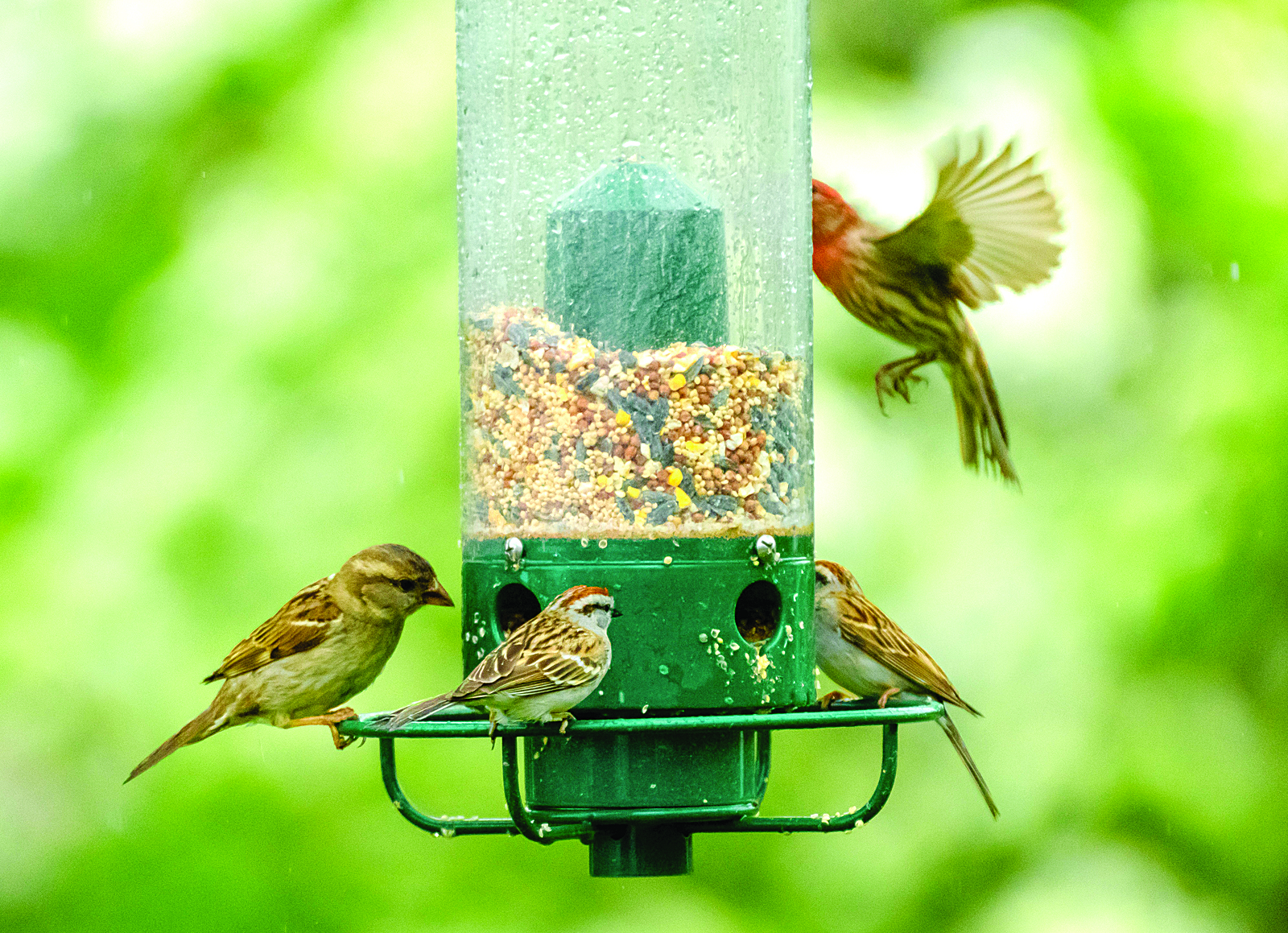
Bird feed can easily become contaminated with bacteria, insects, or toxins. Dirty feeders or poor storage allow harmful agents to grow. Birds eating contaminated feed may suffer from illness or death. Always use clean containers and buy fresh feed from trusted sources.
Moldy Or Spoiled Food
Mold grows quickly on damp or old food. Spoiled seeds and bread can develop dangerous fungi. Birds eating moldy food risk poisoning and digestive problems. Check bird feed regularly and discard any moldy or stale items immediately.
Chemical Residues
Birds often eat food near gardens or farms treated with pesticides and herbicides. These chemicals can stick to seeds, fruits, or insects. Eating contaminated food causes poisoning and weakens birds’ immune systems. Avoid feeding birds near areas sprayed with chemicals.
Safe Alternatives For Feeding Birds
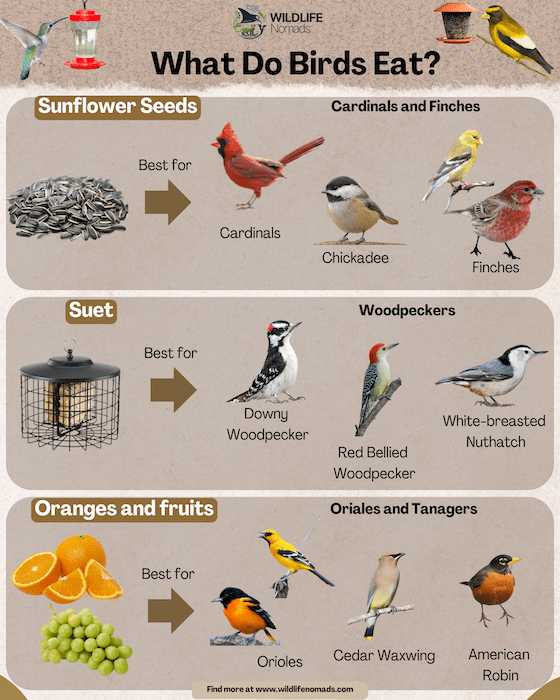
Choosing safe foods helps birds stay healthy and strong. Birds need balanced nutrition for energy and survival. Feeding them the right food supports their natural diet and habits.
Here are safe alternatives to feed birds that avoid harm and provide essential nutrients.
Nutrient-rich Seeds And Grains
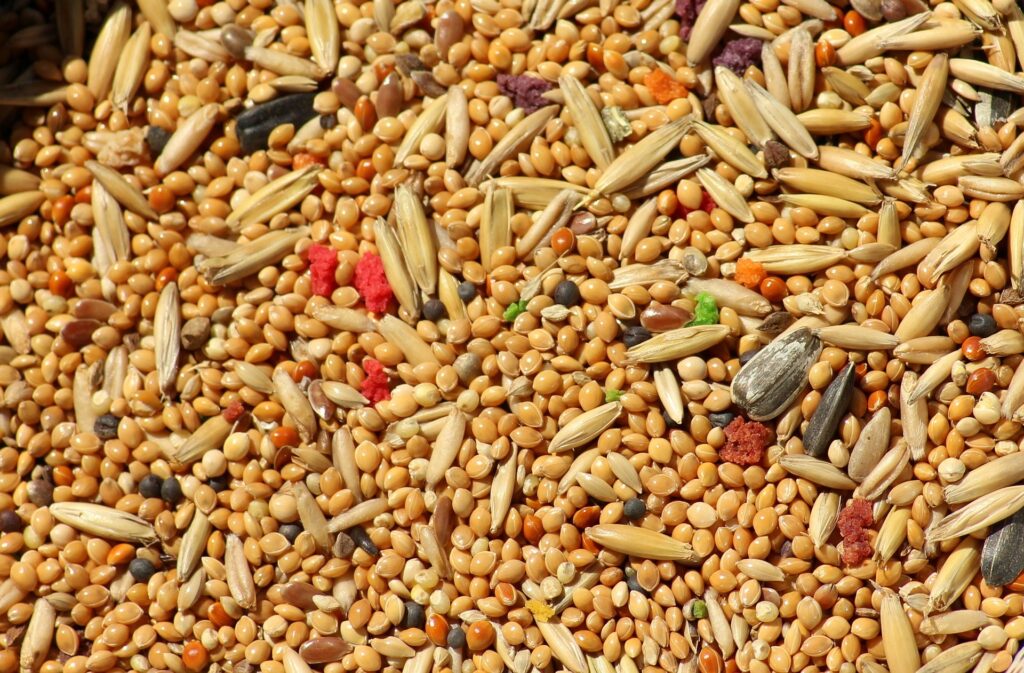
Seeds and grains are a staple for many birds. Offer a mix that is clean and fresh. Some good options include:
- Sunflower seeds (black oil type preferred)
- Millet
- Safflower seeds
- Cracked corn
- Oats
These provide fats, proteins, and carbohydrates. Avoid salted or flavored seeds. Natural and plain seeds are best.
Fruits And Vegetables Birds Enjoy
Fresh fruits and vegetables add vitamins and hydration. Safe choices for birds include:
- Apples (without seeds)
- Berries (blueberries, strawberries)
- Bananas
- Carrots
- Peas
- Leafy greens (spinach, kale)
Cut food into small pieces for easy eating. Avoid citrus fruits and avocado, which can be harmful.
Proper Feeding Practices
Cleanliness is key to avoid disease. Use fresh water daily for drinking and cleaning. Keep feeding areas tidy and remove old food. Offer food in small amounts to prevent waste.
Feed birds during daylight hours only. Stop feeding at night to avoid attracting pests. Place feeders in safe, quiet spots away from predators.
Legal And Ethical Considerations
Understanding the legal and ethical sides of feeding wild birds is crucial. It’s not just about what you put in a feeder but also about the impact your actions have on bird populations and the environment. The choices you make can protect or harm these creatures, sometimes in ways you don’t expect.
Laws Protecting Wild Birds
Many countries have strict laws protecting wild birds from harm and cruelty. In the United States, for example, the Migratory Bird Treaty Act makes it illegal to harm or kill many bird species intentionally or unintentionally. This means feeding birds harmful substances could be against the law.
Other regions have similar regulations, so it’s important to check your local wildlife protection laws. Breaking these laws can result in hefty fines or even criminal charges, so it’s not worth the risk to experiment with dangerous foods.
Ethical Responsibility Of Feeders
As someone who feeds birds, you hold a responsibility to ensure their safety. Birds rely on feeders as a food source, especially during tough seasons. Feeding them harmful items not only causes suffering but can disrupt local ecosystems.
Think about the impact of your choices. Would you feed your pet something that could hurt it? Wild birds deserve the same care. Providing safe, nutritious foods supports their health and helps maintain biodiversity.
Reporting Harmful Practices
If you see someone feeding birds dangerous substances or engaging in harmful practices, you have the power to act. Reporting these actions to local wildlife authorities can prevent needless suffering and protect bird populations.
Community involvement makes a difference. Your awareness and willingness to speak up can stop harmful trends and educate others on proper feeding habits. Have you ever witnessed someone feeding birds the wrong foods? What did you do?
Credit: localgardener.net
Frequently Asked Questions
What Foods Are Toxic And Deadly To Birds?
Foods like chocolate, caffeine, alcohol, and avocado are toxic to birds. These can cause severe health issues and death. Avoid feeding birds any processed or human junk food. Natural bird feed is always safer and healthier.
Can Common Household Foods Kill Wild Birds?
Yes, some household foods like onions, garlic, and salty snacks can harm birds. Birds’ digestive systems cannot handle these substances. Always research before offering any new food to wild birds.
Why Should I Avoid Feeding Bread To Birds?
Bread lacks nutrition and can cause malnutrition in birds. It may also lead to water contamination and spread diseases. Instead, provide seeds, nuts, or fruits that are safe and nutritious.
Are There Safe Alternatives To Feed Wild Birds?
Yes, seeds like sunflower, millet, and cracked corn are safe. Fresh fruits and nuts also work well. Providing clean water alongside food is essential for bird health.
Conclusion
Feeding birds harmful foods can cause serious health problems and death. Always choose safe, natural foods like seeds, fruits, and nuts. Avoid anything toxic such as chocolate, avocado, or salty snacks. Protect birds by knowing what not to feed them.
Keep their environment clean and healthy for longer life. Caring for birds means giving them proper nutrition. Small actions help keep wild and pet birds safe. Remember, your choices affect their well-being every day. Stay informed and help birds thrive in your area.