

Have you ever wondered if feeding birds in your garden is actually against the law? It seems like a simple, kind thing to do—offering a little food to the feathered visitors outside your window.
But what if, without realizing it, you’re breaking rules that could lead to fines or other consequences? Understanding the legal side of this common activity can save you from unexpected trouble and help you make better choices for your garden and the local wildlife.
Keep reading to find out what the law really says about feeding birds where you live—and how you can enjoy your garden safely and responsibly.
Laws On Feeding Birds
Feeding birds in your garden may seem simple and harmless. Still, certain laws exist to protect wildlife and maintain public safety. These laws vary depending on your location and the species involved. Understanding these rules helps you enjoy bird feeding responsibly and avoid legal trouble.
Local Regulations
Local governments often create rules about feeding birds. These laws can limit feeding times or the types of food allowed. Some areas ban feeding birds near public parks or busy streets. Local rules aim to prevent nuisance problems like overcrowding or attracting pests. Check with your town or city council for specific laws near you.
National Wildlife Protection Acts
Many countries have laws to protect wild birds under national acts. These laws forbid feeding protected or endangered species. They also regulate feeding in certain wildlife reserves or sanctuaries. The goal is to keep birds healthy and preserve their natural habits. Violating these laws can lead to fines or other penalties.

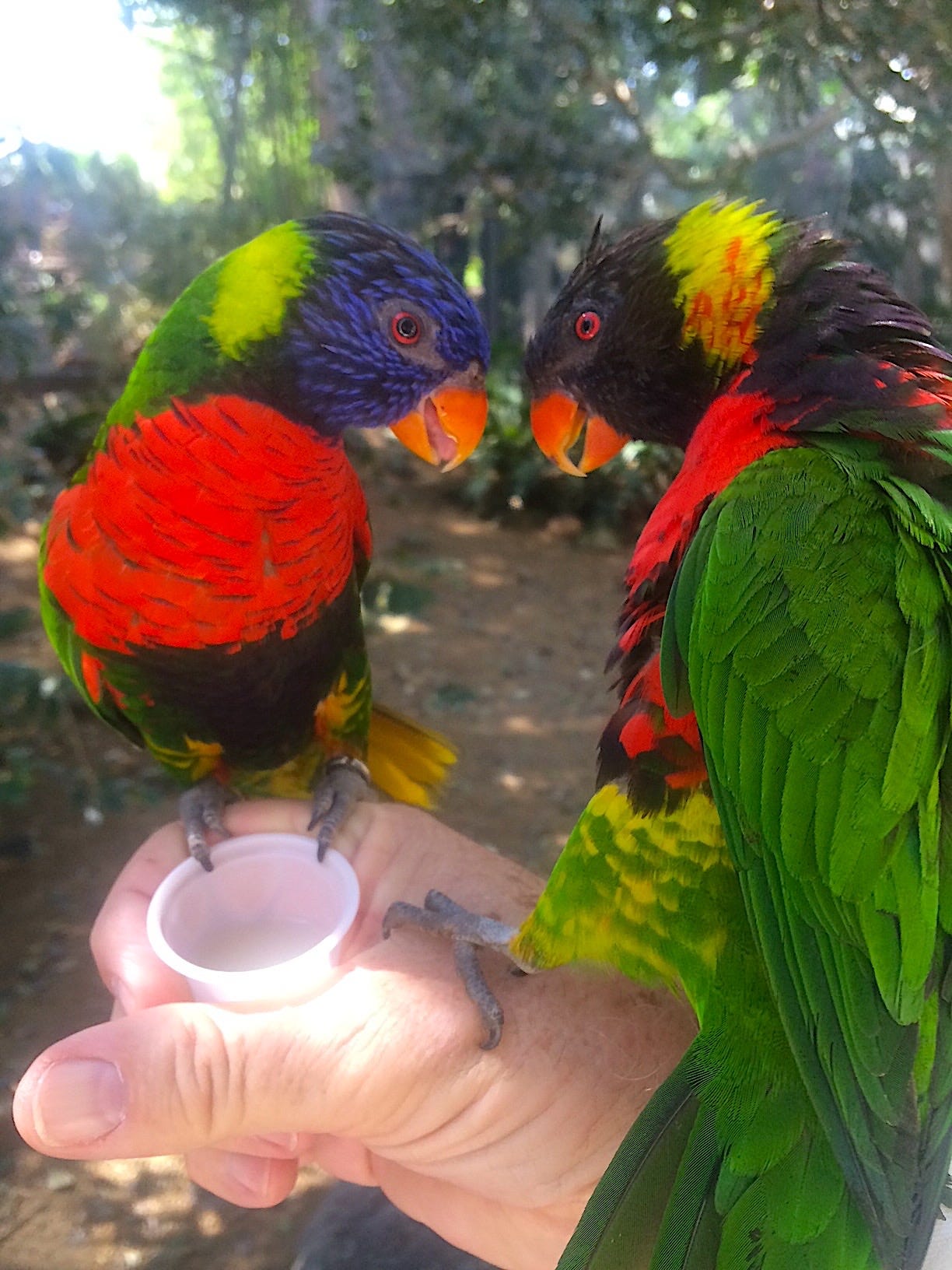
Credit: www.wildlifenomads.com
Common Restrictions
Feeding birds in your garden can be a delightful way to connect with nature, but it’s important to know that there are common restrictions you should keep in mind. These rules help protect both the birds and the environment. Understanding them can save you from fines and ensure you’re feeding birds responsibly.
Feeding In Public Spaces
Feeding birds in parks or other public areas is often regulated by local authorities. Many places prohibit feeding to prevent overcrowding and the spread of diseases among bird populations.
Before tossing breadcrumbs in a park, check if there are signs or local laws against feeding wildlife. Ignoring these rules can lead to penalties or warnings. Have you ever noticed signs asking not to feed birds? Those are there for good reasons, including protecting public health and the environment.
Types Of Food Prohibited
Not all food is safe for birds. Bread, for instance, is a common but harmful choice. It can cause malnutrition and pollute waterways when left uneaten.
Other prohibited foods include:
- Salty or sugary snacks
- Processed human food
- Moldy or spoiled items
- Anything containing additives or chemicals
Feeding birds unhealthy food can lead to illness and disrupt natural feeding habits. Have you ever thought about what’s really in the food you offer the birds? Choosing the right type can make a huge difference in their health and your enjoyment.
Reasons For Restrictions
Restrictions on feeding birds in your garden often come from real concerns that affect both the birds and the surrounding environment. Understanding these reasons helps you see why certain rules exist and how your actions impact more than just the feathered visitors. Let’s break down the key issues behind these restrictions.
Health Risks To Birds
Feeding birds might seem helpful, but it can expose them to health problems. Leftover food can rot quickly, attracting harmful bacteria and mold that make birds sick. You might notice more birds gathering than usual, which increases the chance of disease spreading among them.
Also, some human foods are not suitable for birds and can cause malnutrition. Have you ever seen a bird struggle after eating bread or processed snacks? Those foods lack the nutrients birds need and can disrupt their natural diet.
Impact On Ecosystems
Feeding birds changes their natural behavior and can upset the balance of your local ecosystem. When birds rely too much on handouts, they may stop foraging for natural food, affecting plant growth and insect populations. This imbalance can ripple through the environment in unexpected ways.
In some cases, feeding birds attracts species that aren’t native to your area. These visitors can compete with local wildlife for resources, sometimes pushing out native birds. Have you considered how a simple act like feeding might influence your garden’s biodiversity?
Nuisance To Neighbors
Bird feeding can create problems beyond your garden fence. Large groups of birds often lead to noisy gatherings and droppings, which can annoy your neighbors. You might find yourself facing complaints about messes or even attracting pests like rats and squirrels.
Some neighborhoods have rules because consistent bird feeding can lower property values or cause disputes. If you want to maintain good relations with those around you, it’s worth thinking about how your feeding habits affect the community.
Credit: medium.com
Permitted Practices
Feeding birds in your garden can be a joyful activity that supports local wildlife. Certain practices ensure feeding is safe, legal, and beneficial to birds. Following these permitted practices helps protect both birds and the environment.
Safe Feeding Methods
Use clean feeders to prevent disease spread among birds. Offer natural foods like seeds, nuts, and fruits. Avoid bread or processed foods that harm bird health. Place feeders where cats or predators cannot reach. Clean feeding areas regularly to keep them hygienic. Provide fresh water for drinking and bathing. Use feeders designed to reduce waste and pests.
Seasonal Considerations
Feed birds more during cold, harsh winters when food is scarce. Reduce feeding in spring and summer when natural food is abundant. Avoid feeding during bird nesting season to prevent dependency. Adapt food types to the season, like high-energy seeds in winter. Remove feeders in hot months to stop mold and bacteria growth. Monitor bird activity to adjust feeding needs across seasons.
Legal Consequences
Feeding birds in your garden may seem harmless. Yet, it can lead to legal consequences in some areas. Laws vary by location and are often strict to protect wildlife and public health. Understanding these consequences helps avoid trouble and keeps the environment safe.
Fines And Penalties
Violating bird feeding laws can result in fines. These fines vary depending on the severity of the offense and local regulations. Some areas impose daily fines until the violation stops. Penalties may include:
- Monetary fines ranging from small to substantial amounts
- Confiscation of bird feeders or food supplies
- Community service related to wildlife protection
Repeat offenders may face harsher punishments. Ignoring these rules risks escalating legal issues.
Enforcement Agencies
Several agencies enforce laws against illegal bird feeding. These include:
- Local wildlife protection departments
- Parks and recreation authorities
- Environmental health officers
These agencies conduct inspections and respond to complaints. They ensure compliance to protect birds and public spaces. Reporting illegal feeding can help maintain community safety.
Tips For Responsible Feeding
Feeding birds in your garden can be a joyful experience, but it requires thoughtful care to keep both the birds and your environment safe. Responsible feeding helps support wildlife without causing harm or dependency. Let’s look at practical tips to make your bird-feeding efforts beneficial and enjoyable.
Selecting Bird-friendly Foods
Choose foods that match the natural diet of local birds. Black oil sunflower seeds, nyjer seeds, and suet are favorites for many species because they provide essential nutrients and are easy to digest.
Avoid bread, salty snacks, or anything processed. These can harm birds’ health and attract unwanted pests. Have you noticed how certain foods bring more species to your garden? Try offering a mix to see which birds visit most.
Maintaining Clean Feeding Areas
Keeping feeding spots clean prevents the spread of disease among birds. Clean feeders and birdbaths regularly with hot water and mild detergent, rinsing thoroughly to remove residue.
Remove old or moldy food promptly to avoid health risks. You might find that maintaining cleanliness encourages repeat visits from healthy birds, creating a lively, safe garden habitat.
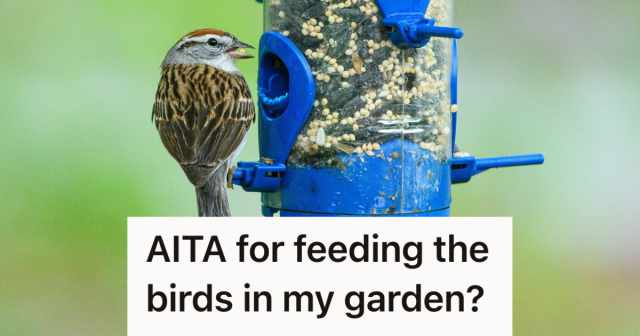
Credit: twistedsifter.com
Frequently Asked Questions
Is Feeding Birds In Your Garden Illegal?
Feeding birds in your garden is generally legal. However, some local laws may restrict feeding in public spaces or protected areas. Always check local regulations to ensure compliance and avoid fines.
Can Feeding Birds Harm Local Wildlife?
Feeding birds can disrupt natural foraging habits and attract pests. Use appropriate food and maintain cleanliness to minimize negative effects on local wildlife.
What Foods Are Safe To Feed Garden Birds?
Safe foods for birds include seeds, nuts, and suet. Avoid bread and processed foods, as they offer little nutrition and can harm birds.
Does Feeding Birds Attract Pests Or Predators?
Feeding birds may attract pests like rats or predators such as cats. Regularly clean feeding areas to reduce unwanted visitors and protect birds.
Conclusion
Feeding birds in your garden can be a joyful activity. Laws about feeding birds differ by location. Some places allow it, while others have rules. Always check local guidelines before placing food outside. Feeding birds responsibly helps keep them safe and healthy.
Clean feeders often to prevent disease. Enjoy watching birds, but respect community rules. Protect nature by feeding birds in the right way. Your care makes a difference for local wildlife.