
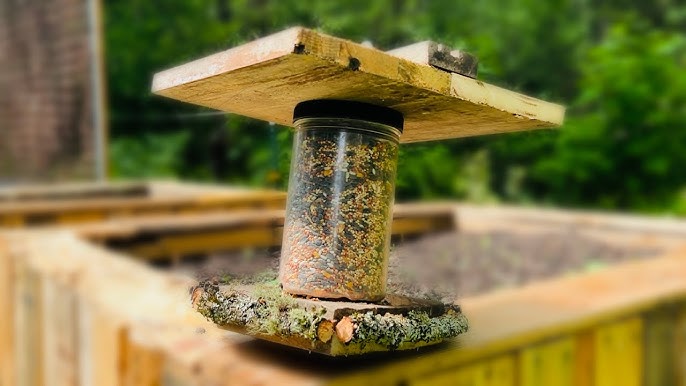
Are you looking to create a bird feeder site on YouTube.com that stands out and attracts more viewers? You’ve come to the right place.
Building a successful bird feeder channel isn’t just about uploading videos—it’s about knowing the right steps to make your site easy to find and enjoyable to watch. You’ll discover simple, practical tips that can help you grow your audience fast.
Ready to turn your passion for birds into a popular YouTube destination? Keep reading to learn how!
Choosing The Right Location
Choosing the right location for your bird feeder can make all the difference in attracting feathered friends and keeping them safe. The spot you pick will affect how often birds visit and how comfortable they feel while feeding. It’s more than just finding a visible place—it’s about creating a welcoming and secure environment.
Consider Bird Safety
Birds need a safe space to eat without feeling threatened. Place your feeder near natural cover like trees or shrubs, but not so close that predators can hide unseen. This balance helps birds quickly escape if danger appears, making them more likely to visit regularly.
Think about the weather too. Avoid spots exposed to strong winds or harsh sunlight. A sheltered area keeps birds comfortable during feeding times and protects the seeds from spoiling.
Maximize Visibility
Your feeder should be easy for birds to spot from the air. Open spaces with a clear flight path work best. Birds need a quick view of the feeder to decide if it’s worth their visit.
At the same time, you want to enjoy watching them. Place the feeder near windows or patios where you spend time. This way, you can observe their behavior without disturbing them.
Avoiding Predators
Predators like cats and squirrels can scare birds away or harm them. Keep your feeder at least 5 feet off the ground and away from jump points like fences or rooftops. This distance makes it harder for predators to reach the birds.
Regularly check the area for hidden threats. Sometimes, simply moving the feeder a few feet can reduce predator visits dramatically. Have you noticed any wildlife lurking near your feeding spot? Adjust accordingly to keep your birds safe.

Credit: www.youtube.com
Selecting Materials
Selecting the right materials is a key part of building a bird feeder. Good materials help the feeder last longer and keep birds safe. The choice depends on your budget, style, and local weather. This section covers durable, eco-friendly materials and tools needed for the project.
Durable And Weatherproof Options
Choose materials that resist rain, wind, and sun. Wood like cedar or redwood works well. These woods resist rot and insects. Plastic also lasts long but choose thick, UV-resistant types. Metal feeders can be strong but avoid thin metal that rusts easily. Avoid soft woods or untreated materials. They wear out quickly and may harm birds.
Eco-friendly Choices
Eco-friendly materials protect nature and attract more birds. Use reclaimed wood from old furniture or pallets. Bamboo is a fast-growing, sustainable option. Natural fibers like jute or cotton rope work well for hanging. Avoid plastic if possible. Look for non-toxic paints or finishes. These keep the feeder safe for birds and the environment.
Tools You’ll Need
- Hammer or screwdriver
- Drill with bits
- Measuring tape or ruler
- Sandpaper for smoothing edges
- Paintbrush if painting
- Wood glue or nails
- Safety goggles and gloves
Having the right tools makes building easier and safer. Prepare all materials and tools before starting your bird feeder project.
Building The Feeder
Building the bird feeder is a fun and rewarding project. This part brings your design to life and creates a safe space for birds. Focus on careful construction to ensure durability and ease of use. Use simple tools and materials for best results.
Step-by-step Construction
Start with a sturdy base to hold the feeder steady. Cut wood or recycled plastic to size for the main body. Smooth all edges to prevent bird injuries. Drill holes for ventilation and drainage. Paint or seal the wood to protect it from rain.
Assembling Components
Attach the base to the main body securely. Use screws or strong glue to join parts. Add a roof to shield seeds from rain. Ensure the roof fits tightly but allows easy access for cleaning. Check all connections to avoid loose pieces that may fall.
Adding Feeding Ports
Cut small openings where birds can reach the seeds. Size the holes to fit local bird species. Insert perches below each port for birds to land. Make sure ports do not allow seeds to spill out easily. Place ports evenly for multiple birds to feed at once.

Credit: www.youtube.com
Attracting Birds
Attracting birds to your feeder site on Youtube.com means creating an inviting space that catches their attention and keeps them coming back. It’s more than just putting out food; you need to think about what birds prefer, how to communicate with them, and keeping their environment safe and clean. These simple steps can transform your feeder site into a lively hotspot full of feathered visitors.
Choosing The Right Seeds
Different bird species have different seed preferences. Black oil sunflower seeds are a favorite for many birds like finches and chickadees because they’re high in fat and easy to crack open. Millet and nyjer seeds attract smaller birds such as sparrows and goldfinches.
Offering a mix of seeds can attract a wider variety of birds. You might notice certain birds prefer one type over another, so adjust your seed selection based on what visitors frequent your site. Ever tried switching seeds and watched new species show up? It’s an exciting way to learn about local bird habits.
Using Bird Calls And Videos
Playing bird calls or videos on your Youtube.com site can grab birds’ attention from a distance. Many birds respond to calls as if they’re hearing other birds nearby, which can encourage them to investigate your feeder.
Try using clear, natural bird sounds and avoid loud or artificial noises that might scare them away. Have you noticed how certain calls bring in more birds than others? Testing different sounds can help you find the perfect combination that works for your location.
Maintaining A Clean Site
Birds are cautious about hygiene, so keeping your feeder area clean is crucial. Regularly remove old seeds, wash feeders with mild soap, and clear away droppings to prevent diseases.
A clean site not only protects the birds but also encourages repeated visits. You might be surprised how quickly birds avoid feeders that seem dirty or unsafe. How often do you check and clean your bird feeder? Making it a routine can make a big difference in the number and health of your visitors.
Setting Up Your Youtube Site
Setting up your YouTube site is the first step to sharing your bird feeder creations with a wide audience. It’s not just about uploading videos; it’s about creating a space where viewers feel connected and eager to return. Let’s break down how to get your YouTube site ready for success.
Creating A Channel
Start by signing in to YouTube with your Google account. Choose a channel name that reflects your bird feeder theme—something clear and easy to remember. This name becomes your brand, so make it unique but simple.
Fill out your channel’s About section with details about what viewers can expect. Mention the types of bird feeders you’ll showcase, whether it’s DIY projects, reviews, or tips on attracting birds. Adding links to your social media or website can help build a community around your channel.
Uploading Quality Content
Quality matters more than quantity. Use a decent camera or smartphone with good lighting to capture your bird feeder projects. Clear visuals help viewers understand your instructions better.
Keep your videos concise and focused. Break down complicated steps into smaller, easy-to-follow parts. Adding subtitles or captions can make your content accessible to more people.
- Choose a catchy title with relevant keywords like “DIY Bird Feeder” or “Easy Bird Feeder Ideas.”
- Create attractive thumbnails that represent your video content.
- Use descriptions to explain what viewers will learn and include links to materials or tools.
Engaging With Viewers
Interaction builds loyalty. Respond to comments to show viewers you value their input. Ask questions at the end of your videos, such as “What’s your favorite bird feeder design?” to encourage replies.
Consider creating polls or community posts to find out what content your audience wants next. This two-way communication helps you tailor your videos to their interests.
Remember, viewers often return when they feel part of a friendly and helpful community. How will you make your channel a welcoming space for bird lovers?

Credit: www.youtube.com
Promoting Your Bird Feeder Site
Promoting your bird feeder site on YouTube is key to attracting more viewers and followers. Good promotion helps your videos reach the right audience. It also builds a community of bird lovers who enjoy your content.
Focus on sharing your videos where bird enthusiasts gather. Connect with other creators who share similar interests. Make your video titles and descriptions clear and easy to find in searches.
Using Social Media
Share your bird feeder videos on platforms like Facebook, Instagram, and Twitter. Post short clips or photos with a link to your full video. Join groups or pages about birds and feeders. Engage by commenting and answering questions. Social media spreads the word quickly and brings new viewers.
Collaborating With Other Creators
Work with other YouTubers who focus on birds, wildlife, or nature. Create videos together or mention each other’s channels. Collaborations introduce your site to a wider audience. You gain followers who trust the creators you work with.
Optimizing Video Titles And Descriptions
Use clear and simple titles that describe your video content. Include keywords like “bird feeder,” “bird watching,” or “DIY feeder.” Write detailed descriptions with key information and links. Add tags that match your video topics. This helps YouTube show your videos to people searching for bird-related content.
Frequently Asked Questions
What Tools Do I Need To Make A Bird Feeder Site On Youtube?
You need a computer, internet, video editing software, and a YouTube account. Basic filming tools like a smartphone or camera are also required.
How Can I Optimize My Bird Feeder Videos For Youtube?
Use clear titles, relevant tags, and detailed descriptions. Add engaging thumbnails and encourage viewers to like and subscribe for better reach.
What Content Attracts Viewers To Bird Feeder Videos?
Show different bird species, feeding tips, and DIY feeder setups. Include close-ups and natural sounds to engage bird lovers.
Can I Monetize A Bird Feeder Site On Youtube?
Yes, you can monetize through YouTube ads, sponsorships, and affiliate links once your channel meets YouTube’s partner program requirements.
Conclusion
Creating a bird feeder site on YouTube is simple and fun. Use clear steps to build your channel and share your love for birds. Add good videos and descriptions to attract viewers. Keep your content fresh and interesting to grow your audience.
Enjoy watching birds and helping others do the same. Start today and see your channel come alive with nature.