
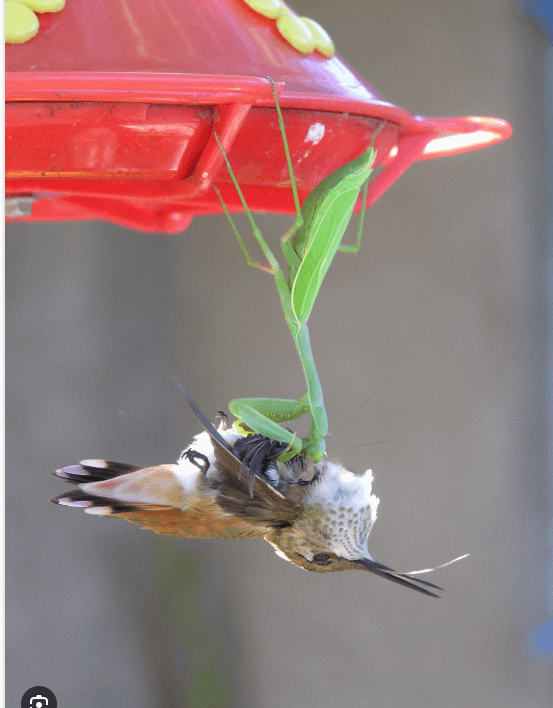
Have you ever thought about feeding hummingbirds and felt good about helping these tiny birds? But what if something as small as a praying mantis could turn that good deed into a danger for your feathered friends?
You might be surprised to learn why feeding hummingbirds near praying mantises can put them at risk. You’ll discover the hidden dangers and why it’s important to protect your hummingbirds from unintended harm. Keep reading to find out what you need to watch out for and how to keep your garden safe for these amazing little creatures.

Credit: newatlas.com
Hummingbirds And Praying Mantises
Hummingbirds and praying mantises are fascinating creatures that often cross paths in gardens. While hummingbirds are known for their vibrant colors and rapid wing movement, praying mantises are stealthy predators with a knack for ambushing prey. Understanding their behaviors helps explain why feeding hummingbirds to praying mantises is not a good idea for either species.
Natural Behavior Of Hummingbirds
Hummingbirds are tiny, energetic birds that feed mainly on nectar from flowers. They have incredible flying abilities, hovering mid-air as they sip nectar with their long tongues. Besides nectar, they also eat small insects for protein, but they are not adapted to handle predators like praying mantises.
You might have noticed how quick and alert hummingbirds are, always darting around to avoid danger. Their survival depends on avoiding slow-moving predators rather than confronting them. Feeding them to a praying mantis disrupts their natural behavior and puts their safety at risk.
Praying Mantis Habits
Praying mantises are skilled hunters that rely on camouflage and patience to catch their prey. They remain still for long periods before striking with lightning speed. Their diet includes a variety of insects, and sometimes even small birds like hummingbirds if the opportunity arises.
These insects are not picky and will attack anything within reach, including hummingbirds that come too close. Encouraging encounters by feeding hummingbirds to mantises can lead to unnatural predation and stress for your garden’s ecosystem. Have you ever thought about what happens to the balance in your garden when predators get easy prey?
Predatory Nature Of Praying Mantises
Praying mantises are skilled hunters with a strong predatory nature. Their bodies and behaviors are designed to catch and eat live prey. This natural instinct makes them a threat to small creatures, including hummingbirds. Understanding their hunting style helps explain why feeding hummingbirds near mantises is risky.
How Mantises Hunt
Praying mantises rely on stealth and speed to catch prey. They stay still, blending with plants, waiting for an insect or small bird to come close. Once near, they strike quickly with their strong front legs. These legs have spikes to hold prey tightly. The mantis then eats the prey alive, starting with the head.
Risks To Small Birds
Small birds like hummingbirds can become easy targets for mantises. The birds often visit flowers or feeders where mantises hide. A mantis can grab a hummingbird by surprise and hold it firmly. This can cause injury or death to the bird. Feeding hummingbirds near mantises increases the chance of such attacks.
Common Feeding Practices
Common feeding practices for hummingbirds often involve placing feeders filled with sugary water outdoors. These feeders provide easy access to food and help attract hummingbirds to gardens or patios. Many people enjoy watching these tiny birds sip nectar from brightly colored feeders designed to mimic flowers.
Despite good intentions, some feeding practices can unintentionally invite danger to hummingbirds. The presence of other insects and predators near the feeders is a concern that bird lovers should consider. Understanding typical feeder designs and their risks helps protect hummingbirds from harm.
Typical Hummingbird Feeders
Hummingbird feeders usually consist of a red plastic base with small feeding ports. The red color attracts hummingbirds by mimicking flowers. Feeders hold a mix of sugar and water, which replaces natural nectar.
- Feeders are hung in open areas or near flowers.
- Some have built-in perches for resting.
- Feeders are easy to clean and refill.
These feeders are popular but can also attract unwanted visitors like ants or wasps. Proper maintenance is key to keeping feeders safe for hummingbirds.
Attraction Of Predators
Feeders may attract predators such as praying mantises. These insects hide near feeders to catch hummingbirds. Mantises are skilled hunters and can grab birds quickly.
- Praying mantises blend well with plants around feeders.
- They wait patiently for hummingbirds to come close.
- Hummingbirds might not notice the danger until it is too late.
Other predators like spiders and hornets also gather near feeders. This makes it important to check feeders regularly and place them in safe locations.
Credit: www.popsci.com
Dangers Of Feeding Hummingbirds Near Mantises
Feeding hummingbirds near praying mantises might seem harmless, but it actually puts these tiny birds in real danger. Mantises are skilled predators that can easily catch hummingbirds, especially when the birds come close to feeders. Understanding the risks involved helps you protect these delicate creatures better.
Increased Predation Risk
Praying mantises use their camouflage and swift movements to ambush prey. When you place feeders near mantis habitats, you’re essentially inviting these predators to hunt hummingbirds right at their feeding spots.
Hummingbirds are quick, but mantises are patient. They wait silently and strike when the bird is least expecting it. Have you noticed fewer hummingbirds around your feeders? This could be a sign of increased predation.
Impact On Hummingbird Population
Frequent attacks by mantises can reduce local hummingbird numbers. This affects not just your garden’s charm but also the broader ecosystem, since hummingbirds pollinate many plants.
Protecting hummingbirds means considering where and how you feed them. Moving feeders away from mantis-friendly areas can help keep hummingbird populations stable and thriving.
Safe Feeding Tips
Feeding hummingbirds requires care to keep them safe from predators like praying mantises. Follow these safe feeding tips to protect these tiny birds while enjoying their beauty. Proper feeder placement and cleanliness help minimize risks and keep hummingbirds healthy.
Choosing Feeder Locations
Place feeders where hummingbirds can easily spot danger. Avoid hanging feeders near dense bushes or tall plants where praying mantises hide. Choose open areas with good visibility for birds to see threats early. Keep feeders at least 10 feet from windows to prevent collisions. Shade helps keep nectar fresh longer and protects birds from heat.
Maintaining Clean Feeders
Clean feeders regularly to stop mold and bacteria growth. Use hot water and mild soap, then rinse well. Change nectar every 2 to 3 days, more often in hot weather. Dirty feeders attract insects that can harm hummingbirds. Keep feeder parts dry when not in use to avoid insect nests. Clean feeders reduce the chance of illness and keep birds safe.

Credit: www.reddit.com
Alternatives To Feeding
Feeding hummingbirds with sugar water might seem like a kind gesture, but it can disrupt their natural diet and attract predators like praying mantises. Instead of directly feeding these delicate birds, you can create an environment that supports their natural habits. Offering alternatives helps protect hummingbirds while still enjoying their vibrant presence in your garden.
Planting Native Flowers
Native flowers provide hummingbirds with the nectar they need, naturally and safely. Plants like trumpet vine, bee balm, and columbine attract hummingbirds and support local ecosystems.
When you plant native flowers, you offer birds a reliable food source that matches their evolutionary needs. You might notice more hummingbirds visiting your yard, buzzing happily from flower to flower.
Encouraging Natural Food Sources
Hummingbirds also eat small insects and spiders, which are rich in protein. You can encourage these natural food sources by avoiding pesticides and maintaining a healthy garden environment.
Think about adding shrubs and trees that attract insects. Have you ever seen hummingbirds darting after tiny bugs? Supporting these natural behaviors is better for their health than offering artificial feeders.
Frequently Asked Questions
Why Shouldn’t You Feed Hummingbirds To Praying Mantises?
Feeding hummingbirds to praying mantises is harmful because mantises are predators. Hummingbirds are vital pollinators, and feeding them disrupts their natural behavior and survival. It also harms the ecosystem by threatening hummingbird populations.
Can Praying Mantises Harm Hummingbirds Naturally?
Yes, praying mantises can occasionally catch and eat hummingbirds. However, this is rare and usually happens when the bird is small or vulnerable. Mantises are opportunistic hunters but do not primarily prey on hummingbirds.
Are Hummingbirds Safe Around Praying Mantises?
Hummingbirds are generally safe but can be at risk if they come too close. Praying mantises may attack if they see the bird as prey. Avoid placing feeders near mantis habitats to protect hummingbirds.
What Is The Impact Of Feeding Hummingbirds To Mantises?
Feeding hummingbirds to mantises harms bird populations and disturbs ecological balance. It encourages unnatural predation and reduces pollination. This practice negatively affects both species and the environment.
Conclusion
Feeding praying mantises to hummingbirds puts the birds in danger. Mantises can harm or even kill hummingbirds. Protect these small birds by avoiding such feeding habits. Keep feeders clean and safe for hummingbirds to enjoy. Watch and appreciate hummingbirds from a distance instead.
Nature works best when we respect each creature’s role. Helping hummingbirds thrive means keeping them safe from predators. Let hummingbirds eat their natural food for a healthy life. Small actions can make a big difference in their survival.