
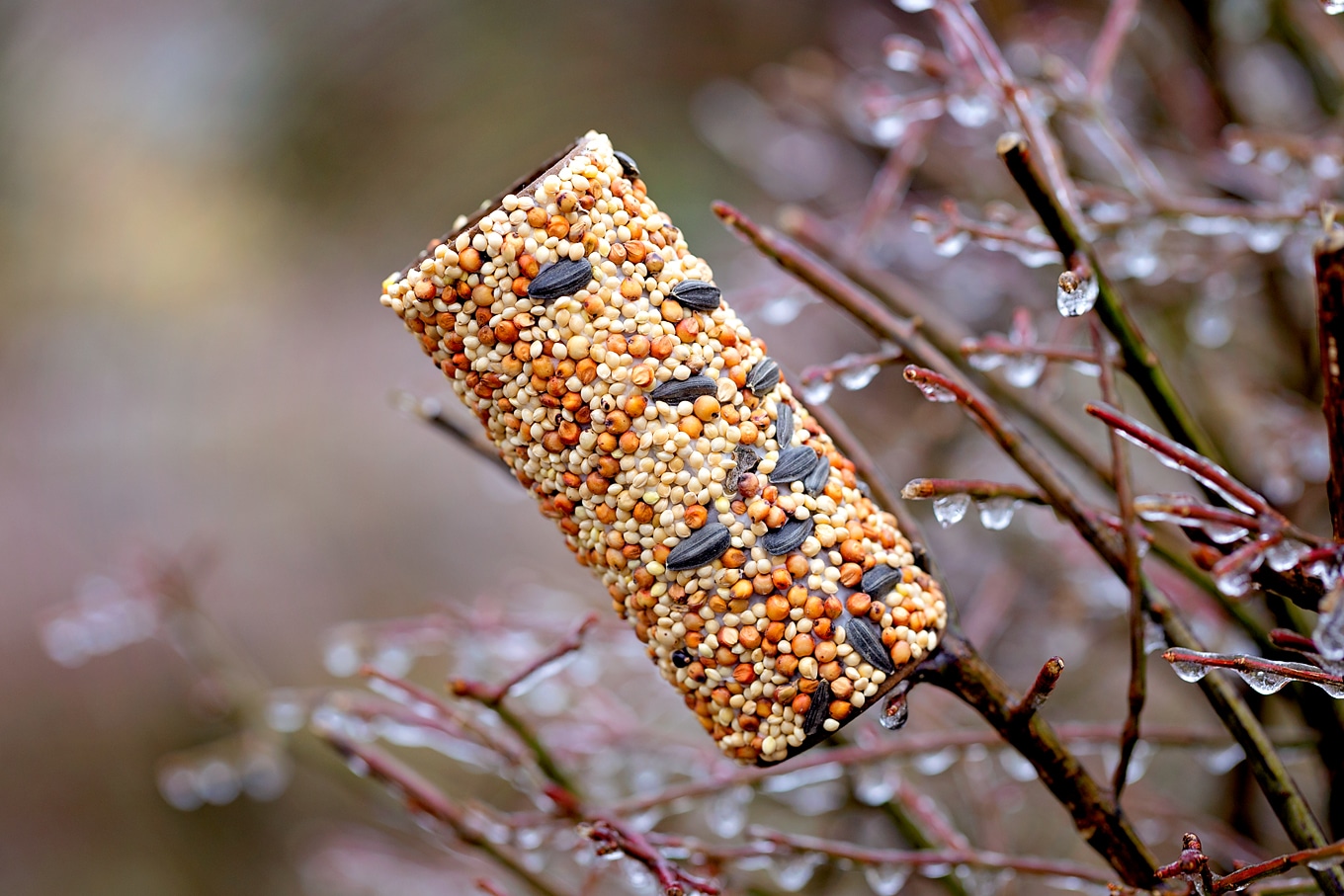
Have you ever wanted to attract colorful birds right to your window? Making a bird feeder with toilet paper rolls is a simple and fun way to do just that.
You don’t need fancy tools or materials—just things you already have at home. In this guide, you’ll discover how easy it is to create a bird feeder that brings nature closer to you. Keep reading, and by the end, you’ll have a charming feeder that helps feed and welcome birds to your garden or balcony.
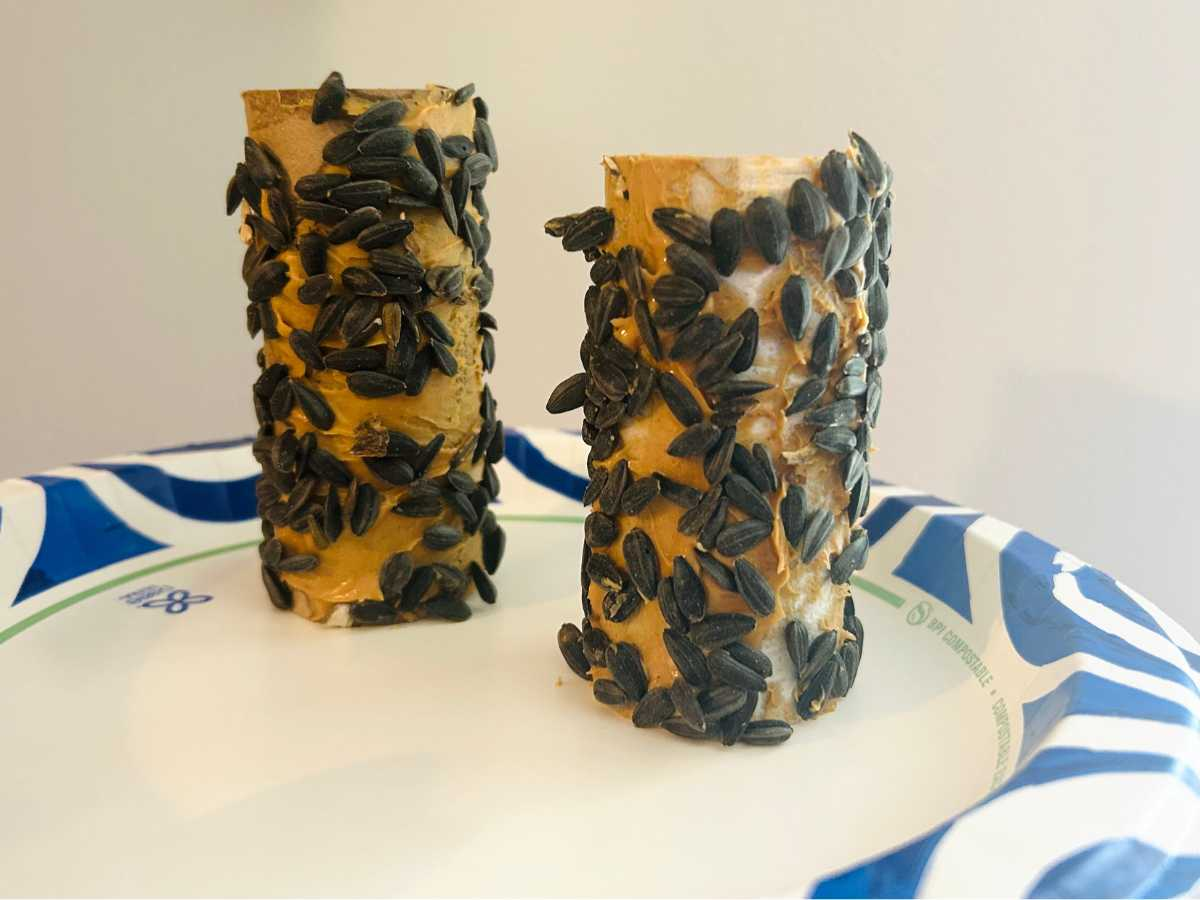
Credit: greatlakeswildlifejournal.com
Materials Needed
Gathering the right materials is the first step to creating a simple bird feeder. The items needed are easy to find. Most are household basics or can be bought cheaply at a store. Using recycled materials like toilet paper rolls keeps the project eco-friendly. This section lists everything required to build your feeder.
Toilet Paper Rolls
Empty toilet paper rolls serve as the main base. They are lightweight and easy to handle. If you don’t have any, paper towel rolls cut to size can work as well.
Peanut Butter
Peanut butter acts as glue to hold the birdseed. Choose a natural or smooth variety. Avoid flavored or chunky types to keep birds safe.
Birdseed Mix
Use a quality birdseed mix for attracting different birds. Seeds like sunflower, millet, and cracked corn are popular choices. Avoid mixes with fillers that birds do not eat.
String Or Twine
String or twine is needed to hang the feeder. Use a sturdy type that can hold the weight. Cotton or jute twine works well and is biodegradable.
Butter Knife Or Spoon
A butter knife or spoon helps spread peanut butter. These tools make it easy to coat the toilet paper roll evenly.
Plate Or Tray
A plate or tray holds the birdseed while coating the feeder. It keeps the workspace clean and collects extra seeds.

Credit: www.firefliesandmudpies.com
Choosing The Right Toilet Paper Rolls
Choosing the right toilet paper rolls plays a key role in making a bird feeder. Not all rolls have the same size or texture. Picking the best type helps create a sturdy, safe feeder for birds. Some rolls hold bird food better. Others are easier to decorate and hang.
Consider the thickness and length of the roll. Thick rolls last longer outdoors. Thin rolls may get soggy or break quickly. The roll’s condition also matters. Clean, unused rolls work best for crafting.
Size And Diameter Of Toilet Paper Rolls
The size impacts how much bird food the feeder holds. Larger rolls hold more seeds. Smaller rolls are lightweight and easy to hang. The diameter affects which birds can use the feeder. Wide openings attract bigger birds. Narrow openings suit small birds.
Material Quality And Durability
Choose rolls made from strong cardboard. Durable material withstands wind and rain. Avoid very soft or thin rolls. They tear quickly and reduce feeder life. Consider rolls with a smooth surface. They are easier to paint and decorate.
Eco-friendliness And Safety
Use rolls that are free from harmful chemicals. Avoid scented or printed rolls. Birds may avoid or get harmed by toxic substances. Plain, unbleached rolls are safest. They protect birds and the environment.
Where To Find Suitable Rolls
- Check your home first for clean, unused rolls.
- Ask friends or family for extra rolls.
- Visit local stores that sell eco-friendly toilet paper.
- Recycle rolls from community centers or schools.
Preparing The Rolls
Preparing the toilet paper rolls is the first key step in making a simple bird feeder. The rolls need to be clean and ready to hold the bird food without any mess. Proper preparation helps the feeder last longer and makes it safe for birds to use.
Removing Paper Residue
Start by peeling off any leftover paper stuck on the roll. Sometimes the cardboard has small bits of paper attached. Gently rub or scrape these pieces with your fingers or a soft cloth. Make sure the surface is smooth and free of loose paper. This prevents the bird food from sticking to unwanted spots.
If the residue is hard to remove, dampen a cloth with water and wipe the roll carefully. Avoid soaking the cardboard to keep it firm. Let the roll dry fully before moving to the next step.
Cutting And Shaping
Cutting the roll shapes the feeder and creates openings for birds to access food. Use scissors to make small holes on the sides or cut out windows. The size should be big enough for birds to reach in but not too wide to spill food.
Trim the edges neatly to avoid sharp or rough parts. You can also flatten one side slightly for better stability when hanging. A clean cut makes the feeder look neat and works better in holding seeds or nuts.
Applying Peanut Butter Or Alternative
Applying peanut butter or a similar spread is an essential step when making a bird feeder with toilet paper rolls. This sticky layer helps seeds stick to the roll, creating a tasty treat for birds. The right spread ensures the seeds stay in place and attracts many birds to your feeder.
Choosing the right spread can also cater to different bird preferences. Using alternatives can be helpful for people with allergies or dietary restrictions. This part of the process is quick but important for a successful bird feeder.
Choosing The Best Peanut Butter
Select creamy peanut butter for easy spreading. Avoid crunchy types because they don’t stick well. Natural peanut butter without added sugar works best. It is healthier for birds and less sticky for you.
Using Alternatives To Peanut Butter
Sunflower seed butter is a great alternative for peanut allergies. Another option is vegetable shortening mixed with honey. These spreads hold seeds well and attract birds. Avoid spreads with artificial ingredients or salt.
How To Apply The Spread Evenly
- Use a butter knife or small spatula for spreading.
- Cover the entire outer surface of the toilet paper roll.
- Apply a thick but even layer to hold seeds properly.
- Be gentle to avoid tearing the roll.
Tips For Handling Sticky Spreads
- Wear disposable gloves for cleaner hands.
- Work on a plate or tray to catch drips.
- Keep some paper towels nearby for quick cleanups.
- Apply the spread in a cool place to prevent melting.
Rolling In Birdseed
Rolling the toilet paper roll in birdseed is a fun and simple way to prepare your bird feeder. This step ensures birds get a tasty treat and helps the seeds stick well to the roll. Using peanut butter or another sticky spread makes the seeds cling tightly. This part brings your feeder to life and attracts feathered friends.
Choose The Right Spread
Select a spread that is safe and sticky. Peanut butter works best for holding the seeds. Creamy or chunky types both work fine. Avoid anything too runny or oily. Honey can be sticky but may drip and create a mess.
Apply The Spread Evenly
Use a butter knife or spoon to coat the toilet paper roll. Cover the entire outside surface with a thin layer. Make sure to fill all the small gaps. A smooth and even coat helps the seeds stick better.
Pick The Best Birdseed
Choose birdseed that local birds like. Sunflower seeds, millet, and cracked corn are good options. Mix several seed types for more bird variety. Avoid large or heavy seeds that won’t stick well.
Roll The Feeder In Seeds
Pour seeds on a plate or shallow dish. Roll the sticky toilet paper roll over the seeds. Press gently to ensure seeds stick all around. Check for any bare spots and add more seeds if needed.
Let It Set Before Hanging
Place the seed-covered roll on wax paper or a plate. Let it sit for 10–15 minutes to firm up. This helps the seeds stick tightly and reduces mess. After drying, your bird feeder is ready to hang outside.
Adding Hanging Materials
Adding hanging materials is essential to make your bird feeder easy to place outdoors. It helps you hang the feeder on tree branches, hooks, or poles. Choosing the right materials keeps the feeder stable and secure. This section covers simple ways to attach hanging materials using common items.
Using String Or Twine
String or twine works well to hang toilet paper roll feeders. Choose natural fibers like jute or cotton for a rustic look. Cut a piece about 12 to 18 inches long. Tie each end firmly to the top edges of the toilet paper roll. Create a loop at the top for hanging. Ensure the string is tight but not cutting into the roll. This setup allows easy hanging and removal.
Securing The Feeder
Secure the feeder so it does not fall or swing too much. Use a strong knot like a double knot or bowline. Test the hanging loop by gently pulling it. Add a small piece of tape or glue at the knots to keep them tight. Avoid using metal wires that can rust or hurt birds. Keep the feeder balanced so it stays upright while feeding.
Best Spots To Hang Your Feeder
Finding the best spots to hang your bird feeder helps attract more birds. Birds prefer safe, quiet areas with easy access to food. Choose places visible from your window for better bird watching. Avoid windy or busy spots, as birds feel unsafe there.
Near Trees Or Shrubs
Hanging your feeder near trees or shrubs gives birds shelter. They can quickly hide from predators or bad weather. Trees also offer natural perches for birds to rest before feeding.
Close To A Window
Place the feeder near a window for easy bird watching. It lets you enjoy birds without disturbing them. Use a suction hook or pole to avoid window collisions.
On A Porch Or Balcony
A porch or balcony provides a stable place for your feeder. It keeps the feeder safe from strong wind and rain. This spot also makes refilling the feeder simple and quick.
Away From Busy Areas
Keep the feeder away from paths, roads, or noisy places. Birds avoid loud, crowded areas. A calm spot helps birds feel secure and visit often.
Near A Water Source
Hanging the feeder near water attracts more birds. Birds need water for drinking and bathing. A birdbath or small pond close by increases feeder visits.
Maintaining And Refilling The Feeder
Keeping your bird feeder clean and full is key to attracting birds. Regular care helps prevent mold and keeps birds safe.
Refilling the feeder often ensures birds find food easily. It also keeps your feeder looking fresh and inviting.
Cleaning The Feeder
Remove old seeds and debris before adding new food. Use warm water and mild soap to wash the feeder. Rinse well to remove soap residue. Let it dry completely before refilling.
Choosing The Right Seeds
Select seeds based on local bird preferences. Black oil sunflower seeds attract many bird types. Avoid seeds that get moldy quickly or attract pests.
Refilling Tips
- Fill the feeder about halfway to prevent spillage.
- Refill regularly, especially during dry or cold days.
- Keep seed dry to avoid mold growth.
Monitoring Bird Activity
Watch which birds visit your feeder the most. Adjust seed type based on their preferences. Remove the feeder if you see sick birds to stop disease spread.
Safety Tips For Birds
Creating a bird feeder from toilet paper rolls is fun and eco-friendly. Protecting birds while feeding them is very important. Birds are delicate creatures and can get hurt if feeders are unsafe. Follow simple safety tips to keep your feathered friends healthy and happy.
Use Non-toxic Materials
Choose materials that do not harm birds. Avoid paints, glues, or coatings with chemicals. Use natural peanut butter or plain seeds as food. These keep birds safe from toxins.
Keep Feeders Clean
Clean your bird feeder regularly to stop germs. Dirty feeders spread diseases among birds. Rinse with warm water and mild soap. Let it dry completely before refilling.
Place Feeders In Safe Locations
Hang feeders where cats and predators cannot reach. Avoid spots near windows to stop bird collisions. Choose quiet areas with some tree cover for safety.
Avoid Sharp Edges
Check toilet paper rolls for rough or sharp edges. Smooth any rough spots with sandpaper. Sharp edges can hurt birds’ feet or wings.
Use Appropriate Food
Offer seeds suitable for local birds. Avoid bread or salty snacks that harm birds. Fresh seeds and nuts provide good nutrition.

Credit: www.aol.com
Frequently Asked Questions
What Materials Are Needed For A Toilet Paper Roll Bird Feeder?
You need empty toilet paper rolls, peanut butter, birdseed, and string. These simple materials make an eco-friendly bird feeder easily.
How Do You Prepare The Toilet Paper Roll For Feeding Birds?
First, spread peanut butter evenly on the roll’s outer surface. Then, roll it in birdseed until fully coated for feeding.
Where Should I Hang The Toilet Paper Roll Bird Feeder?
Hang it on a tree branch or hook outside. Choose a safe spot away from predators and harsh weather.
How Often Should I Refill The Bird Feeder?
Refill the bird feeder every few days or when seed runs out. Regular refills keep birds coming and healthy.
Conclusion
Making a bird feeder with toilet paper rolls is simple and fun. It uses things you already have at home. Birds will enjoy a new place to eat. You can watch them up close every day. This project helps nature and teaches creativity.
Try it with your family or friends. Small steps like this make a big difference. Start today and bring more life to your garden.