

Have you ever wondered how to attract more birds to your garden, especially during colder months? A suet feeder for birds could be the simple solution you’re missing.
This handy tool offers high-energy food that birds love, helping them stay strong when natural food is scarce. If you want to learn what a suet feeder is, how it works, and why it’s a must-have for your backyard, keep reading.
You’re about to discover how this small addition can bring more life and color right outside your window.

Credit: www.livingwithbirds.com
Suet Feeder Basics
Suet feeders are simple tools that attract many wild birds. They offer a tasty, energy-rich food source especially in cold weather. Knowing the basics helps you choose the right feeder and enjoy birdwatching all year.
What Is A Suet Feeder
A suet feeder holds blocks of suet, a type of bird food made from animal fat mixed with seeds or nuts. Birds cling to the feeder and peck at the suet for energy. This feeder is great for woodpeckers, nuthatches, chickadees, and other insect-eating birds.
Types Of Suet Feeders
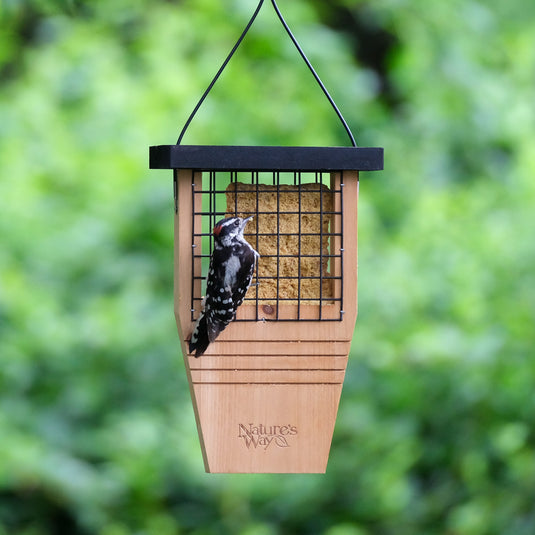
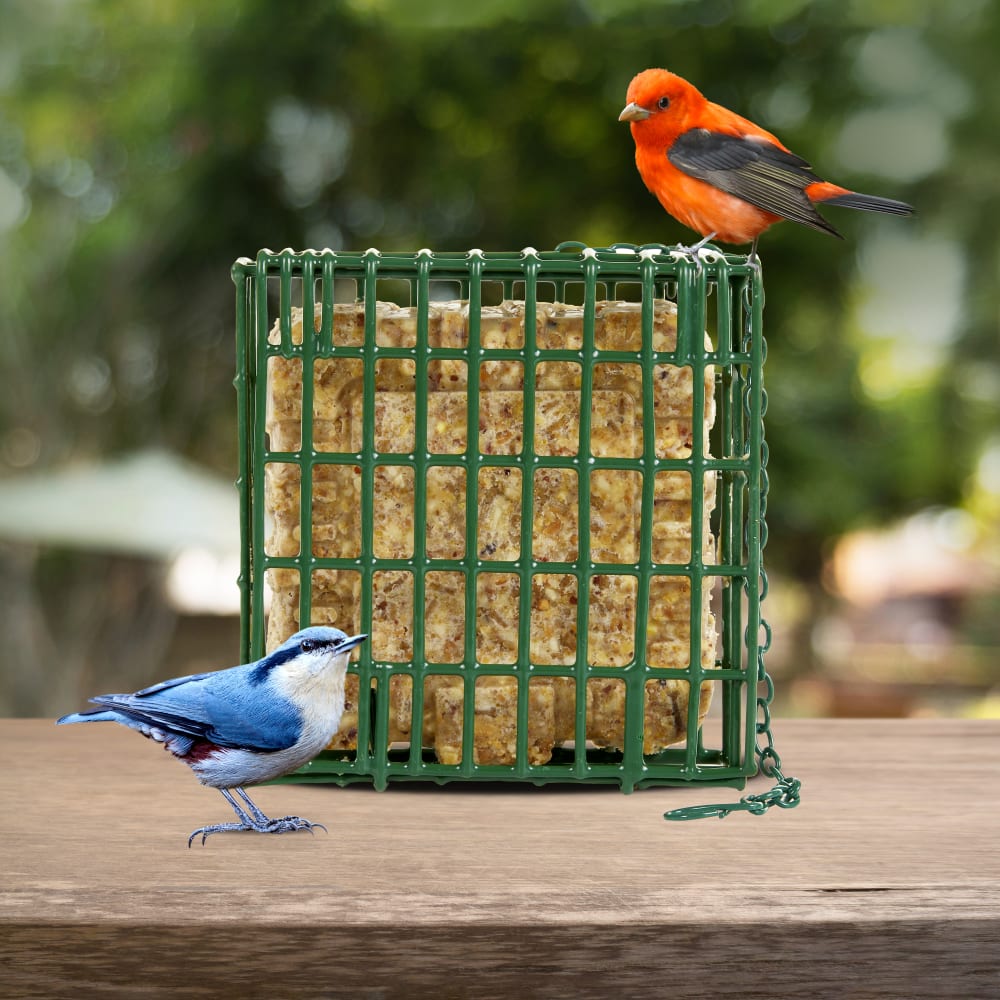
- Cage Feeders:Wire cages that hold suet blocks. Easy to fill and hang.
- Tray Feeders:Flat trays where suet is placed. Open design attracts many birds.
- Log Feeders:Hollow logs filled with suet. Natural look that blends with trees.
- Hopper Feeders:Small boxes with openings for suet. Protects food from weather.
Materials Used
Suet feeders come in various materials. Common types include:
- Metal:Durable and weather-resistant. Easy to clean.
- Plastic:Lightweight and affordable. Can fade in sun.
- Wood:Natural look. May need protection from rain.
- Wire:Good for cages. Allows birds to cling easily.
Credit: www.natureswaybirds.com
Benefits Of Using Suet Feeders
Suet feeders offer many benefits for bird lovers and their feathered visitors. These feeders provide a rich source of energy and attract a variety of bird species. They support birds through all seasons and help maintain a healthy local ecosystem.
Attracting Wild Birds
Suet feeders bring many wild birds close to your home. Birds like woodpeckers, nuthatches, and chickadees love suet. It encourages diverse bird activity in your garden or yard. Watching these birds can be relaxing and fun.
Nutritional Value For Birds
Suet is high in fat and energy, essential for birds’ survival. It helps birds stay warm during cold weather. The fats and proteins in suet support strong muscles and healthy feathers. Birds get a quick energy boost from suet, especially in winter.
Year-round Feeding
Suet feeders are useful all year long. In winter, they provide warmth and energy. In summer, birds use suet for nesting and raising young. Suet feeders keep birds healthy through changing seasons. They make your backyard a safe place for birds anytime.
Choosing The Right Suet Feeder
Choosing the right suet feeder can make a big difference in attracting birds to your yard and keeping the suet fresh and accessible. It’s not just about picking any feeder off the shelf; you need to consider several factors to ensure it fits your needs and suits the birds you want to feed. Here’s what to focus on when making your choice.
Size And Capacity
The size of your suet feeder should match how often you want to refill it and the number of birds visiting. A larger feeder holds more suet, which means fewer refills, but it might be too big for small birds or tight spaces.
Think about the bird species in your area. For example, woodpeckers and nuthatches can handle bigger feeders, but smaller birds like chickadees prefer compact feeders they can cling to easily. Also, consider how much suet your local birds can consume in a day or two to avoid waste.
Design Features
Look closely at the design. A good feeder should allow easy access for birds while keeping the suet secure. Feeders with mesh sides are popular because birds can cling and peck through the openings, but make sure the holes aren’t too large to prevent the suet from falling out.
Some feeders come with perches, which can be helpful for larger birds but might discourage smaller ones. Do you want a feeder that hangs or one that attaches to a tree or pole? Your choice affects both bird access and feeder stability.
Weather Resistance
Suet can melt or spoil quickly in warm or wet weather, so a feeder that protects the suet from rain and sun is essential. Look for feeders made from durable materials like metal or heavy-duty plastic that won’t rust or degrade.
Features like a roof or overhang help shield the suet from rain. You might have experienced suet turning mushy after a rainstorm—choosing a weather-resistant feeder can prevent that and keep your feathered friends coming back for more.
Selecting Suet Cakes
Selecting the right suet cakes can make a big difference in attracting a variety of birds to your feeder. Not all suet cakes are created equal, and understanding their ingredients will help you provide the best nutrition and appeal. Whether you prefer making your own or buying from the store, knowing what goes into suet cakes is key.
Common Ingredients
Most suet cakes have a base of animal fat, usually beef tallow, which provides high energy for birds. Seeds like sunflower, millet, and cracked corn are often mixed in to add texture and nutrition. Some suet cakes include nuts, dried fruits, or insects to attract specific bird species.
Have you noticed certain birds visiting your feeder more than others? It often depends on these ingredients. For example, woodpeckers love suet with peanuts, while chickadees prefer cakes with small seeds.
Diy Suet Recipes
Making your own suet cakes gives you control over the ingredients and lets you cater to local birds’ preferences. A simple recipe includes melted beef fat, mixed with birdseed, oats, and dried mealworms. Pour the mixture into molds and let it harden in the fridge before placing it in your feeder.
DIY suet cakes can be fun to experiment with. Try adding small bits of fresh fruit or different seeds to see what your backyard visitors enjoy most. It’s a rewarding way to connect with nature and ensure your feathered friends get healthy treats.
Store-bought Options
Store-bought suet cakes offer convenience and variety, ranging from plain fat blocks to those packed with seeds and insects. Look for brands that use high-quality ingredients without artificial additives or preservatives. Some products are designed to attract specific birds, so check the label to match your local species.
Buying suet can save time, but be cautious about expiration dates and storage conditions. Have you checked if your local store stocks suet cakes made for the birds in your area? A well-chosen suet cake can transform your birdwatching experience.
Setting Up Your Suet Feeder
Setting up your suet feeder correctly attracts many birds to your yard. It ensures easy access to food and keeps birds safe. Proper placement and mounting help the feeder last longer and stay clean.
Best Locations
Choose a quiet spot with some shade. Birds prefer places near trees or shrubs. These provide cover from predators and harsh weather.
Keep the feeder visible from windows for easy watching. Avoid areas with heavy foot traffic or pets. Place it away from busy roads to reduce stress on birds.
Mounting Tips
Use strong hooks or brackets to hold the feeder securely. Hang the feeder at least 5 feet above the ground. This height helps keep squirrels and other animals away.
Attach the feeder to a sturdy tree branch or pole. Ensure it does not swing too much in the wind. A steady feeder makes it easier for birds to land and eat.
Safety Considerations
- Keep the feeder clean to prevent disease spread among birds.
- Check for sharp edges or loose parts regularly.
- Place the feeder where cats and other predators cannot reach easily.
- Use squirrel baffles or guards to protect the suet and birds.
Birds That Visit Suet Feeders
Suet feeders attract a variety of birds that enjoy high-energy food. These feeders offer a mix of fats and seeds that many bird species find irresistible. Watching these birds visit can be a delightful experience for bird lovers and beginners alike.
Common Visitors
- Woodpeckers are frequent guests, drawn by suet’s fat content.
- Nuthatches cling to feeders while eating seeds and suet.
- Chickadees enjoy suet for its energy boost.
- Titmice often visit suet feeders for quick meals.
- Wrens may stop by, especially in wooded areas.
Seasonal Visitors
Some birds visit suet feeders only during colder months. Suet provides extra warmth and energy during winter.
- Jays appear more often in fall and winter.
- Starlings may feed on suet in late fall.
- Migratory woodpeckers visit during their seasonal travels.
- Owls sometimes perch near suet feeders, attracted by other birds.
Identifying Bird Species
Recognizing birds at your feeder is simple with some tips.
- Look at size and color patterns.
- Note the shape and length of the beak.
- Observe feeding behavior and how they cling to the feeder.
- Listen for unique calls and songs nearby.
- Use a bird guide or app for quick ID help.
Maintaining Your Suet Feeder
Maintaining your suet feeder is key to attracting healthy birds and extending the feeder’s life. Clean and fresh suet keeps birds safe and eager to visit. Regular care prevents unwanted pests and spoilage. Simple habits make a big difference in your bird feeding experience.
Cleaning Routine
Clean the feeder every two weeks or more often in wet weather. Use warm water and mild soap to remove old suet and dirt. Rinse well to avoid soap residue that could harm birds. Let the feeder dry completely before adding new suet. Avoid harsh chemicals that may leave harmful traces.
Preventing Mold And Spoilage
Keep the suet fresh by placing the feeder in a shady spot. Sunlight and rain speed up spoilage and mold growth. Check the suet daily in warm weather. Remove any soft or smelly suet immediately. Moldy suet can make birds sick and should never be fed.
Replacing Suet Cakes
Replace suet cakes as soon as birds eat most of it or it looks old. Store extra suet in a cool, dry place or refrigerate it. Use suet within a few weeks to keep it fresh. Offer new suet regularly to keep birds coming back. Fresh suet means happy, healthy birds at your feeder.
Credit: www.wildbirdsuets.com
Troubleshooting Common Issues
Troubleshooting common issues with suet feeders helps keep birds happy and safe. Suet feeders face challenges from animals and weather. Solving these problems ensures your feeder stays useful and attractive.
Dealing With Squirrels
Squirrels love suet too. They can scare birds away and damage feeders. Use squirrel-proof feeders made with cages or weight-sensitive perches. Place feeders on poles with baffles to block squirrels. Regularly check feeders for damage or squirrel nests nearby.
Weather Challenges
Suet can melt in warm weather. This makes it messy and less appealing. Place feeders in shaded areas to keep suet cool. Use suet cakes designed for summer that resist melting. Remove suet during very hot days to prevent spoilage and odors.
Avoiding Pest Problems
Ants, flies, and rodents can invade suet feeders. Keep areas clean by removing spilled suet and crumbs. Use ant moats or water barriers on feeder poles to stop ants. Store suet in sealed containers to prevent pests from getting inside. Regular cleaning reduces pest attraction.
Frequently Asked Questions
What Is The Purpose Of A Suet Feeder For Birds?
A suet feeder provides birds with high-energy food, especially in cold weather. It attracts insect-eating birds by offering suet cakes, which are rich in fat and nutrients. This feeder supports bird health and encourages wildlife activity in your garden.
How Do Suet Feeders Benefit Wild Birds?
Suet feeders supply essential fats and proteins, boosting bird energy and survival in winter. They support breeding and molting by providing necessary nutrition. These feeders also attract diverse bird species, enhancing your backyard’s ecological balance.
What Types Of Birds Use Suet Feeders?
Woodpeckers, nuthatches, chickadees, and titmice commonly visit suet feeders. These birds prefer suet due to its high fat content. Suet feeders attract both common and rare species, making birdwatching more enjoyable.
How To Choose The Best Suet Feeder?
Select feeders made of durable materials like metal or sturdy plastic. Look for designs that prevent squirrels from stealing suet. Choose easy-to-clean feeders with proper ventilation to keep suet fresh and safe for birds.
Conclusion
A suet feeder brings energy to birds, especially in cold months. It helps attract many bird types to your garden. Using one supports local wildlife and creates a lively space. Easy to fill and clean, suet feeders suit all bird lovers.
Watching birds enjoy suet can bring joy and calm. Try adding a suet feeder to see nature up close. Small efforts make a big difference for birds around you.