
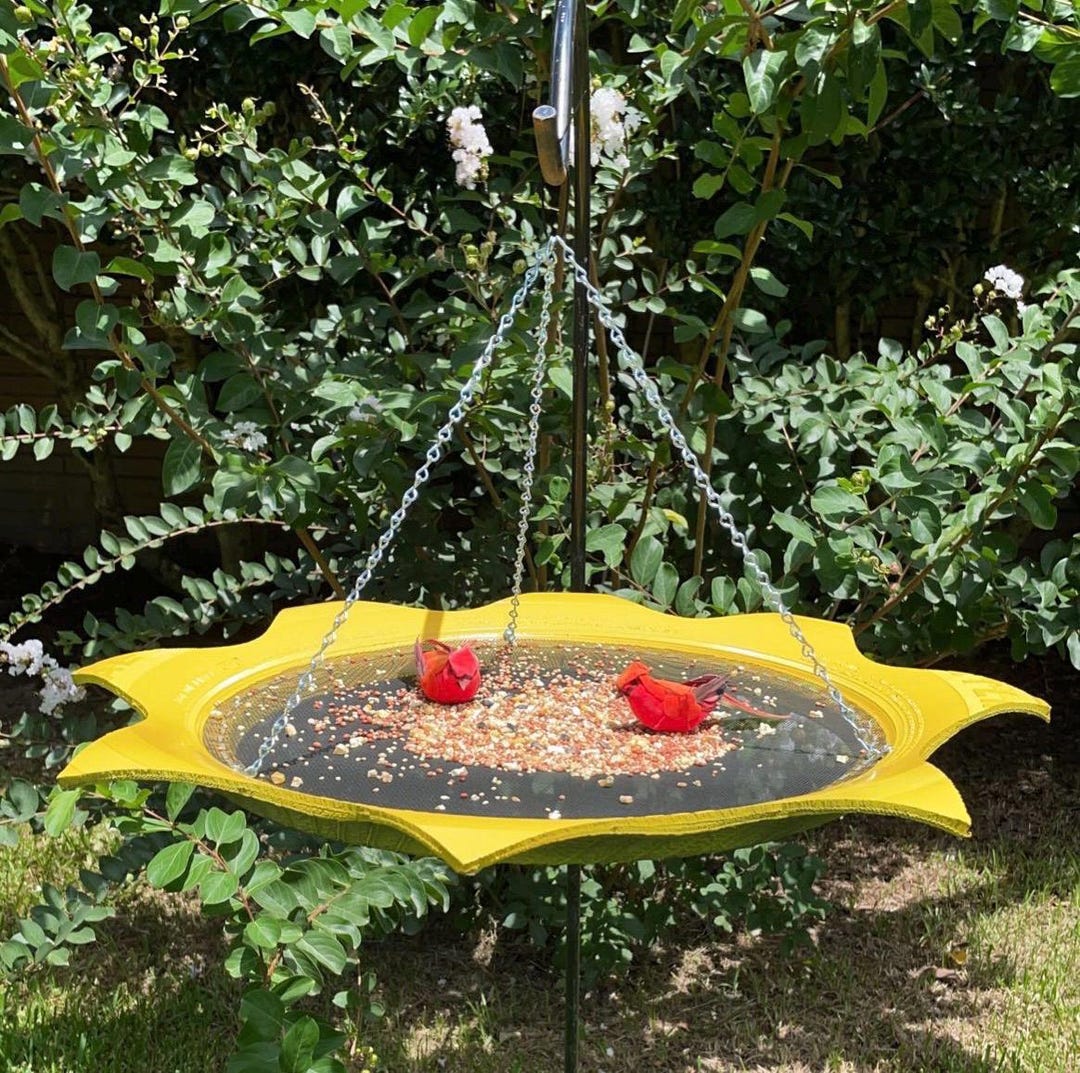
Have you ever thought about turning an old tire into something useful and beautiful for your backyard? Making a recycled tire bird feeder is a simple, creative way to attract birds while helping the environment.
Imagine watching colorful birds visit your garden every day, all because you gave new life to something that would have been thrown away. In this guide, you’ll discover easy steps to create your own bird feeder, even if you’re new to DIY projects.
Ready to bring nature closer and add charm to your outdoor space? Let’s get started!

Credit: www.youtube.com
Benefits Of Using Tires For Bird Feeders
Using old tires to make bird feeders offers many benefits. Tires are strong and last long outdoors. They help reduce waste and protect the environment. Bird feeders made from tires are practical and affordable. These advantages make tires a great choice for DIY bird feeders.
Eco-friendly Advantages
Recycling tires helps keep them out of landfills. Tires take a long time to break down naturally. Reusing them as bird feeders gives them a second life. This reduces pollution and saves natural resources. It supports a greener and cleaner environment.
Durability And Weather Resistance
Tires are made to handle tough conditions. They resist rain, sun, and wind without damage. Bird feeders made from tires can last for years. They don’t crack or rot like wood or plastic. This means less maintenance and fewer replacements.
Cost-effectiveness
Old tires are often free or very cheap. Using them cuts down the cost of buying materials. You can create unique bird feeders without spending much. It is a smart way to save money and enjoy crafting. This makes tire feeders affordable for everyone.
Credit: www.etsy.com
Materials And Tools Needed
Gathering the right materials and tools is key to building a recycled tire bird feeder. This ensures safety and durability while making your project easier. Tires come in various sizes and conditions, so choose wisely. Also, having the right tools helps in shaping and securing the feeder properly.
Selecting The Right Tire
- Choose a tire that is clean and free from cracks.
- Smaller tires work best for bird feeders.
- Avoid tires with excessive wear or damage.
- Make sure the tire is safe for outdoor use.
Essential Tools
- Heavy-duty gloves to protect your hands.
- A sharp utility knife or box cutter for cutting.
- A drill with bits to create holes for hanging.
- A strong rope or wire for suspending the feeder.
- Sandpaper to smooth rough edges.
Additional Supplies
- Birdseed suitable for local birds.
- Non-toxic paint for decoration, if desired.
- Zip ties or metal clamps for extra support.
- A sturdy base or platform to hold the seed.
Preparing The Tire
Preparing the tire is the first key step in making a recycled tire bird feeder. This part sets the base for a safe and attractive feeder. You need to clean the tire properly and shape it for the birds. Taking care during preparation ensures durability and safety for the birds.
Cleaning And Safety Tips
Start by washing the tire with soap and water. Use a stiff brush to remove dirt and grime. Rinse well to clear all soap. Let the tire dry completely before moving on.
Wear gloves to protect your hands from sharp edges and dirt. Avoid using harsh chemicals that could harm birds. Check the tire for any nails or metal parts. Remove any sharp objects carefully to prevent injury.
Cutting And Shaping
Use a strong utility knife or a jigsaw for cutting the tire. Mark the areas you want to cut with chalk or a marker. Cut slowly to control the shape and avoid mistakes.
Shape the tire to create a good space for birds to feed. You can cut holes or create an opening at the top. Sand down any rough or sharp edges to keep the feeder safe for birds.
Designing The Bird Feeder
Designing a bird feeder from recycled tires is a fun and creative process. It allows you to create a safe place for birds to eat while giving new life to old materials. Planning the design carefully ensures the feeder is both functional and attractive. Consider the needs of different bird species and the environment where you will place the feeder.
Choosing The Feeder Style
Decide on a style that fits your space and bird types. Some popular styles include:
- Hanging feeders that swing gently in the breeze
- Platform feeders offering open space for multiple birds
- Tube feeders with small openings for seed
Use the shape of the tire to your advantage. A flat tire can become a platform, while a stacked tire can create height. Paint or decorate the tire to make it appealing but keep bird safety in mind.
Adding Feeding Stations
Create several feeding spots to attract more birds. Attach small trays or cups inside the tire to hold seeds or suet. Space the stations apart to prevent crowding.
- Use wooden or metal trays secured firmly
- Place perches near each feeding spot
- Ensure easy access for birds to land and feed
Adding a variety of feeding stations helps different bird species find food comfortably. It also reduces competition among birds.
Incorporating Drainage
Proper drainage prevents water from pooling inside the feeder. Standing water can spoil seeds and harm birds.
- Drill small holes at the bottom of the tire
- Check that water flows out freely
- Place the feeder where rain can easily drain away
Good drainage keeps the feeder clean and dry. This simple step increases the feeder’s lifespan and keeps birds healthy.
Assembly Steps
Getting your recycled tire bird feeder ready involves a few key assembly steps that bring the project to life. Each part you put together adds to the feeder’s durability and charm. Careful assembly also ensures safety for the birds and longevity for your feeder.
Attaching Hanging Mechanisms
Start by deciding how you want to hang your feeder. Strong ropes or sturdy chains work well to support the weight of the tire and the birdseed. Drill holes evenly spaced around the tire’s top edge to thread your hanging material through.
Make sure to knot the ends securely or use metal hooks for extra stability. I found that using weather-resistant rope made a big difference during rainy days, preventing wear and tear quickly. Could your feeder withstand a windy afternoon?
Securing Feeding Trays
Feeding trays give birds easy access to food and keep seeds from scattering everywhere. Attach small wooden or metal trays inside the tire using screws or heavy-duty zip ties. Position the trays so they are balanced and won’t tip when birds land on them.
Think about how you will refill the trays easily. I once placed trays too close to the tire’s edge, which made refilling a hassle. Adjusting the placement improved both feeding and maintenance.
Finishing Touches
Final touches protect your feeder and make it more attractive to birds. Sand any rough edges to avoid harming feathers or feet. Applying a non-toxic sealant can help protect the tire from weather damage.
Add bright paint or natural decorations like pine cones or small branches to blend the feeder into your garden. What colors or designs would draw birds to your backyard? Your creativity here can make a big difference.
Painting And Decorating
Painting and decorating your recycled tire bird feeder gives it charm and personality. It also protects the tire from weather damage. Use colors that attract birds and brighten your garden space. Choose materials safe for birds and the environment. Simple decorations can transform the tire into a lovely garden feature.
Selecting Safe Paints
Choose non-toxic paints made for outdoor use. Water-based acrylic paints are best. They dry quickly and do not release harmful fumes. Avoid spray paints with harsh chemicals. Check labels to confirm the paint is safe for wildlife. Use sealants that are eco-friendly to protect your artwork. Let the paint dry completely before adding more coats.
Creative Decoration Ideas
- Paint bright flowers or leaves around the tire.
- Create patterns like stripes, polka dots, or waves.
- Use stencils to add bird shapes or nature motifs.
- Glue small stones or shells for texture and sparkle.
- Attach recycled beads or buttons for color spots.
- Wrap colorful ribbons around the tire for a festive look.
Keep decorations simple to avoid harming birds. Make sure nothing can fall inside the feeder. Use weatherproof glue or tape to secure items firmly. Personalize your bird feeder to match your garden’s style.
Installing The Feeder Outdoors
Installing your recycled tire bird feeder outdoors is an exciting step that brings nature closer to your home. The right placement helps attract birds and keeps them safe while they enjoy their new feeding spot. Consider how the environment and mounting choices affect both the birds’ comfort and your viewing pleasure.
Best Locations For Bird Feeding
Choose a spot that offers birds easy access to food and protection from predators. Near shrubs or trees works well because birds feel safer when they can quickly hide if needed. Avoid placing the feeder too close to windows to prevent collisions.
Think about how visible the feeder will be from your favorite viewing spots. You want to enjoy watching the birds without disturbing them. Also, placing the feeder away from areas with heavy foot traffic or noisy machines helps keep birds calm and encourages regular visits.
Mounting And Hanging Tips
Secure the feeder firmly to prevent swinging, which can scare birds away. Use sturdy ropes or chains and check that all knots and fastenings are tight. If you hang the feeder from a tree branch, choose one that is strong and healthy.
Consider using a pole with a baffle to keep squirrels and other critters from reaching the feeder. If you mount the feeder on a wall or fence, attach it at a height that makes refilling easy but keeps it out of reach of pets. Regularly inspect the mounting to ensure safety and stability.
Maintaining Your Tire Bird Feeder
Maintaining your recycled tire bird feeder is key to keeping it safe and inviting for your feathered friends. Regular care not only extends the life of your feeder but also ensures the birds stay healthy and happy. Simple habits and thoughtful attention can make a big difference in your backyard bird-watching experience.
Cleaning Schedule
Set a regular cleaning routine to prevent mold and bacteria buildup. Aim to wash your feeder every two weeks, or more often if you notice dirt or spoiled seeds. Use a mild soap and warm water, then rinse thoroughly to avoid leaving any harmful residue.
Pay special attention to the seed tray and any crevices where moisture can collect. Dry your feeder completely before refilling to stop mold growth. Have you noticed birds avoiding a feeder? It might be time for a thorough clean.
Weatherproofing
Protect your tire feeder from harsh weather to keep it sturdy and attractive. Apply a non-toxic, waterproof sealant designed for outdoor use to the tire’s surface. This adds a layer of protection against rain, sun damage, and temperature changes.
Check the sealant annually and reapply if you see cracks or peeling. Also, consider placing your feeder in a sheltered spot, like under a tree or porch, to reduce exposure. How does your feeder hold up during storms or intense heat?
Preventing Pests
Keep unwanted visitors like squirrels and ants away from your feeder by using simple barriers and tricks. Attach baffles or metal guards around the hanging area to deter squirrels from climbing down. Sprinkle cinnamon or diatomaceous earth near the base to repel ants naturally.
Remove spilled seeds regularly to avoid attracting rodents. If pests persist, try relocating the feeder or switching seed types to something less appealing to them. What steps have worked best for you in keeping pests at bay?
Attracting Birds To Your Feeder
Attracting birds to your recycled tire bird feeder takes more than just hanging it outside. Birds need a safe space and good food to visit often. Creating a welcoming spot encourages birds to come back and enjoy your feeder regularly.
Choosing Bird-friendly Seeds
Select seeds that different birds prefer. Black oil sunflower seeds attract many species. Millet and cracked corn work well for ground-feeding birds. Avoid mixes with fillers like red millet or wheat. These do not provide much nutrition and may deter birds.
- Black oil sunflower seeds – high energy and popular
- Nyjer seeds – great for finches
- Millet – ideal for sparrows and doves
- Cracked corn – attracts larger birds like jays
Creating A Bird-friendly Environment
Place the feeder in a quiet, sheltered spot. Near trees or shrubs offers birds cover and safety. Keep feeders away from busy paths or loud noises. Clean the feeder regularly to prevent disease. Provide fresh water nearby for drinking and bathing.
- Choose spots with natural shelter
- Maintain cleanliness to avoid mold and bacteria
- Offer fresh water in a shallow dish
- Plant native shrubs or flowers to attract insects

Credit: www.eventbrite.com.au
Frequently Asked Questions
What Materials Are Needed For A Recycled Tire Bird Feeder?
You need an old tire, sturdy rope, birdseed, a wooden base, and non-toxic paint. These materials are safe and eco-friendly. Using recycled tires helps reduce waste and creates a durable feeder for birds in your garden.
How Do You Clean A Tire Before Making A Bird Feeder?
Clean the tire with soap and water to remove dirt and grime. Scrub thoroughly and rinse well. Allow it to dry completely to ensure paint and adhesive stick properly, ensuring a safe environment for birds.
Can Recycled Tire Bird Feeders Attract Different Bird Species?
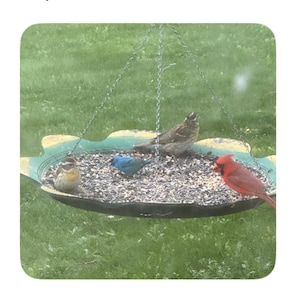
Yes, they attract various birds like sparrows, finches, and cardinals. The feeder’s design and seed choice influence bird diversity. Offering a mix of seeds can attract more species to your garden, enhancing local wildlife.
Is It Safe To Use Old Tires For Bird Feeders?
Yes, if cleaned and painted with non-toxic, bird-safe paint. Avoid tires with chemical residues. Proper preparation ensures the feeder is safe, durable, and environmentally friendly, providing a healthy feeding spot for birds.
Conclusion
Making a recycled tire bird feeder helps nature and saves money. It’s a fun project anyone can do at home. Birds will love the new feeding spot you create. You also reduce waste by giving old tires a new use.
This simple craft brings joy and supports wildlife around you. Try it yourself and enjoy watching birds every day. Small actions like this make a big difference for the environment. Start today and help make your garden lively and green.