
Have you ever found a tiny, helpless bird that needs your care? Knowing what to feed newly born birds can be tricky, but it’s crucial for their survival.
You want to give them the best nutrition to help them grow strong and healthy. You’ll discover simple, effective feeding tips that anyone can follow. Keep reading to learn exactly what your little feathered friend needs right now.

Credit: www.amazon.com
Types Of Newborn Birds
Understanding the types of newborn birds is essential before deciding what to feed them. Different species have unique needs based on their development at birth. Knowing these differences helps you provide the right care and nutrition, increasing their chances of survival.
Altricial Vs Precocial Birds
Newborn birds generally fall into two categories: altricial and precocial. Altricial birds hatch blind, featherless, and completely dependent on their parents for warmth and food. These tiny chicks need frequent feeding with soft, protein-rich diets like insects or specialized formulas.
Precocial birds, on the other hand, hatch with their eyes open and covered in down feathers. They can often walk and feed themselves shortly after hatching. Their diet usually includes seeds, insects, or vegetation, depending on the species.
Have you ever wondered why some baby birds look so helpless while others seem ready to explore right away? This difference affects how you should care for and feed them.
Common Species In Need Of Care
Some bird species are more commonly found needing human help due to habitat loss or injuries. These include:
- Robins:Altricial birds that require soft, protein-rich food like mealworms.
- Ducks:Precocial birds that start eating seeds and small insects quickly.
- Finches:Small altricial birds needing frequent feeding with specialized formulas or insects.
- Pigeons:Altricial and often cared for with commercial pigeon milk formulas.
Feeding a newborn bird isn’t one-size-fits-all. Have you identified the species you’re helping? This knowledge changes everything about how you prepare their food.

Credit: www.amazon.com
Nutritional Needs
Newly born birds need special care in feeding. Their tiny bodies grow fast and need the right food. Proper nutrition helps them build strong bones and healthy feathers. It also supports their energy and overall health during early days.
Protein Requirements
Protein is vital for baby birds. It helps build muscles and repair tissues. High-quality protein sources include insects, worms, and soft boiled eggs. Feeding enough protein aids quick growth and strong development. Avoid low-protein foods that slow their progress.
Fats And Carbohydrates
Fats provide energy and help absorb vitamins. Baby birds need small amounts of healthy fats from sources like seeds and insects. Carbohydrates fuel their active bodies. Soft fruits and grains offer easy-to-digest carbs. Balanced fats and carbs keep them active and warm.
Vitamins And Minerals
Vitamins support the immune system and feather growth. Minerals like calcium strengthen bones and beaks. Fresh fruits, vegetables, and crushed eggshells supply essential nutrients. A varied diet ensures baby birds get all needed vitamins and minerals. Avoid feeding only one type of food.
Safe Food Options
Newly born birds need food that is gentle and easy to digest. Safe food options support their growth and keep them healthy. Choose foods that provide essential nutrients and moisture. Avoid anything hard or spicy that could harm their delicate systems. Here are some good choices to feed young birds.
Insects And Worms
Insects and worms are natural foods for many bird species. They offer protein and fats needed for growth. Soft-bodied insects like mealworms or fruit flies are easy to swallow. Avoid insects caught outside to reduce risk of pesticides or parasites. You can buy safe, farm-raised insects at pet stores.
Soft Fruits And Vegetables
Soft fruits and vegetables provide vitamins and hydration. Small pieces of ripe banana, apple, or melon work well. Cooked vegetables like carrots or peas are gentle and nutritious. Remove seeds, skins, or tough parts before feeding. Always cut into tiny bits that fit the bird’s mouth.
Specialized Bird Formulas
Specialized bird formulas offer balanced nutrition for hatchlings. These powders or gels mix with water for easy feeding. They contain proteins, fats, vitamins, and minerals designed for young birds. Use formulas recommended by avian vets or experts. Follow package instructions carefully to prepare fresh meals each time.
Feeding Techniques
Feeding newly born birds requires careful attention and gentle handling. Proper techniques help them grow strong and healthy. Using the right tools and feeding at the correct times ensures they get enough nutrients. Avoiding common mistakes prevents harm and stress. Understanding these feeding techniques supports successful bird care.
Proper Feeding Tools
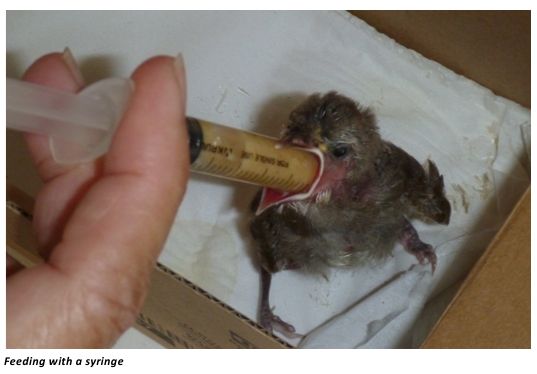
Use small, soft tools to feed baby birds. A syringe with a soft tip works well. Tweezers or small spoons can also help. Clean tools before every feeding to avoid infections. Never use sharp or hard objects that can hurt the bird.
Frequency And Portion Size
Feed newborn birds often. Most need feeding every 15 to 20 minutes during daylight. Offer small amounts each time to prevent choking. Watch for signs of fullness. Overfeeding can cause health problems. Adjust portions as the bird grows and eats more.
Avoiding Common Feeding Mistakes
- Do not feed cold food; warm it to body temperature.
- Avoid feeding milk or bread; they are harmful to birds.
- Never force-feed; it can cause injury or stress.
- Keep the bird’s beak clean after feeding.
- Do not leave food in the mouth; it may rot and cause infection.
Signs Of Healthy Growth
Watching newly born birds grow is exciting. Healthy growth shows that the birds get the right food and care. It helps you know if they are developing well. Signs of healthy growth include weight gain, feather progress, and behavior. These signs tell you if your care is working. Pay close attention to these to support the birds’ health.
Weight Gain Milestones
Weight gain shows if the birds get enough food. Healthy chicks gain weight steadily every day. Use a small scale to check their weight. Record the numbers to track progress. Sudden weight loss or no gain means a problem. Compare weights with standard growth charts for the species. Consistent weight gain means good health and nutrition.
Feather Development
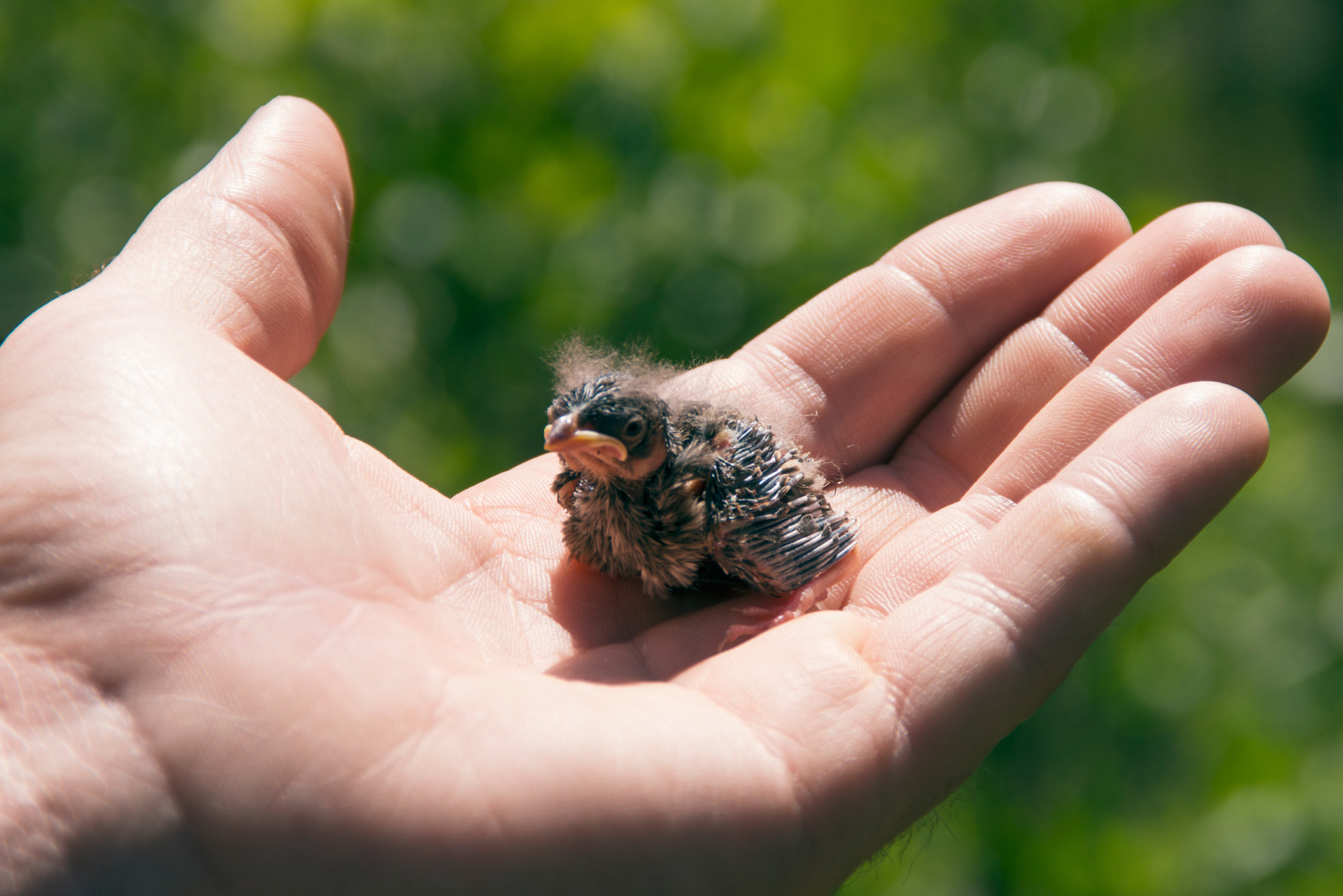
Feather growth signals physical development. Baby birds start with soft down feathers. Gradually, stronger and colorful feathers appear. Look for smooth, even feather growth. Patchy or missing feathers can mean poor nutrition or illness. Feathers should grow in the right order. Healthy feathers help birds stay warm and fly later.
Behavioral Indicators
Active and alert behavior shows good health. Healthy chicks respond to sounds and movements. They open their mouths wide when hungry. Quiet or weak birds may feel sick. Watch for steady feeding and sleep cycles. Strong birds practice wing flapping and stretching. These actions show they get energy and comfort.
Credit: pethelpful.com
When To Seek Expert Help
Knowing when to seek expert help is crucial for the well-being of newly born birds. Some situations require professional care beyond home feeding. Early action can save a bird’s life and prevent suffering.
Newborn birds are fragile and can show signs of distress quickly. Recognizing these signs helps decide when to call a wildlife rehabilitator or vet. Understanding legal rules also protects both you and the birds.
Recognizing Illness Symptoms
- Birds that are weak and do not move much
- Eyes that stay closed or look dull
- Breathing that is fast, slow, or noisy
- Visible injuries or bleeding on the body
- Feathers missing or ruffled constantly
- Refusal to eat or drink for many hours
Noticing these symptoms means the bird needs expert care immediately.
Finding Wildlife Rehabilitators
Wildlife rehabilitators have special training to care for wild birds. They know how to feed, treat, and release birds safely. Contact local animal shelters or wildlife agencies for help. Online directories can also list licensed rehabilitators near you.
Act fast. The sooner the bird gets professional help, the better its chance of survival.
Legal Considerations
Many places have laws protecting wild birds and their nests. Handling or keeping wild birds without permission can be illegal. Always check local wildlife laws before taking any action.
Licensed rehabilitators have the legal right to care for and keep wild birds temporarily. Respect these rules to avoid fines and help protect wildlife properly.
Frequently Asked Questions
What Do Newly Born Birds Eat In The Wild?
Newly born birds mainly eat regurgitated insects and worms provided by parents. This diet offers high protein and hydration essential for growth.
Can I Feed Baby Birds Milk Or Bread?
No, never feed baby birds milk or bread. These foods can cause digestive issues and malnutrition.
What Is The Best Homemade Food For Baby Birds?
A mix of soaked dog food, hard-boiled eggs, and mealworms works well. It provides protein, fat, and nutrients needed for development.
How Often Should I Feed A Newly Hatched Bird?
Feed baby birds every 15 to 20 minutes from sunrise to sunset. Frequent feeding supports their rapid growth and energy needs.
Conclusion
Feeding newborn birds takes care and patience. Soft, nutritious foods help them grow strong. Avoid giving them harmful or hard-to-digest items. Clean water and a warm environment also matter. Watch for signs of health and hunger. Helping baby birds thrive feels very rewarding.
Keep learning about their needs every day. Small steps make a big difference in their life.