

Taking care of a bird while its owner is away might seem simple, but it actually requires some special attention. If you want to make sure your feathered friend stays happy and healthy, you need to know the right steps to follow.
In this guide, you’ll discover easy tips and tricks that anyone can use to pet sit a bird confidently. Whether it’s a tiny parakeet or a colorful cockatoo, understanding your bird’s needs will help you build trust and avoid common mistakes.
Keep reading to learn how to become the perfect bird sitter and make your time together enjoyable for both of you.
Preparing The Environment
Preparing the environment is the first and most crucial step in pet sitting a bird. Birds are sensitive creatures that react strongly to their surroundings. Creating a comfortable and secure space not only keeps them calm but also helps you build trust quickly.
Choosing The Right Space
Pick a quiet room with plenty of natural light but avoid direct sunlight. Birds can get overheated or stressed if exposed to harsh light or drafts. The space should have good ventilation, but windows and doors must be secure to prevent escapes.
Think about your bird’s routine—do they prefer calm mornings or lively afternoons? Matching the environment to their natural habits can reduce anxiety. Make sure the space is away from kitchens or areas with strong smells, as fumes can harm birds.
Ensuring Safety And Security
Safety comes first. Remove any toxic plants, open flames, or sharp objects from the room. Birds are curious and might try to chew on things that are harmful to them. Cover electrical cords or keep them out of reach to prevent accidents.
Secure all windows and doors carefully to avoid any chance of escape. Even a small gap can be risky. Check that the bird’s cage or play area is sturdy and escape-proof, with locks that are bird-proof but easy for you to open.
Have you checked the environment from the bird’s perspective? Crawling around on the floor or sitting near the cage can help you spot hazards you might miss otherwise. Your bird’s safety depends on your attention to detail in setting up their space.
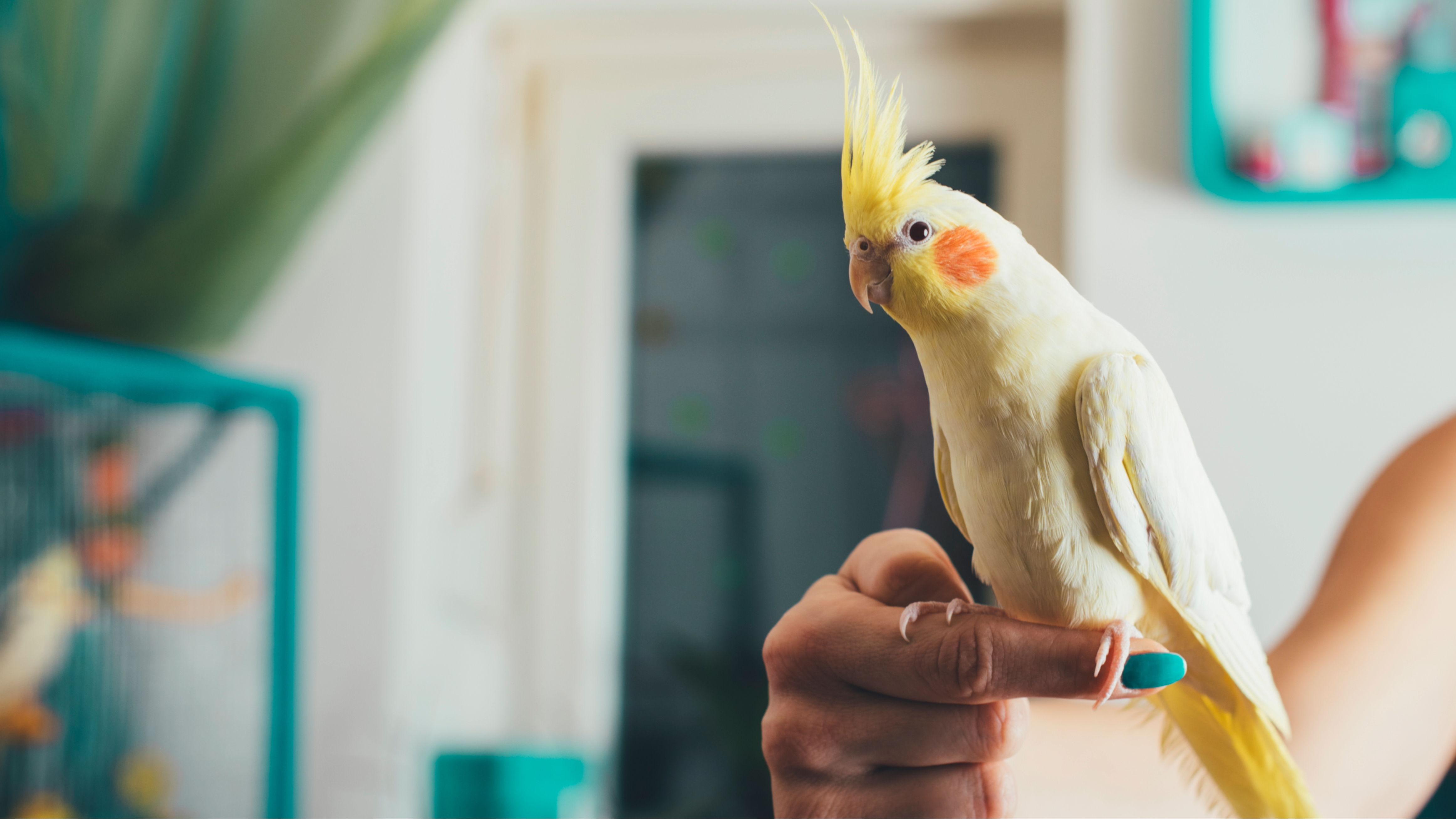
Credit: www.petsradar.com
Understanding Bird Behavior
Understanding bird behavior is key to providing great care. Birds have unique ways of showing their feelings. Observing these signs helps you meet their needs. It also builds trust and reduces stress for the bird. A calm bird means a happy pet sitting experience.
Common Bird Behaviors
Birds often sing or chirp to express happiness or alertness. They might fluff their feathers to stay warm or show comfort. Some birds bob their heads or wag their tails to get attention. Nipping or biting can mean fear or annoyance. Birds also preen themselves to stay clean and healthy.
Many birds like to explore and play with toys. They often use their beak to hold or move objects. Watching these natural behaviors helps you understand what the bird enjoys.
Reading Body Language
Birds communicate a lot through their body language. Watch their eyes; wide eyes show excitement or fear. Narrow eyes may mean the bird is angry or annoyed. A relaxed bird holds its feathers smooth and close to the body. Raised feathers can signal excitement or aggression.
The position of the bird’s wings can also tell you a lot. Wings held tight usually mean calmness. Wings spread out might show the bird is trying to cool off or feels threatened. Tail movements, like flicking or fanning, can indicate mood changes too.
Diet And Nutrition
Diet and nutrition play a huge role in keeping a pet bird healthy and happy while you pet sit. Birds have delicate digestive systems that need the right balance of nutrients every day. Understanding their dietary needs helps you avoid common health issues and keeps your feathered friend active and cheerful.
Providing Balanced Meals
Offering a variety of foods is key to a balanced diet for birds. Seeds alone don’t provide enough nutrients, so you need to add fresh fruits, vegetables, and pellets designed for their species.
Try to include:
- Fresh leafy greens like spinach or kale
- Chopped fruits such as apples, berries, or melon (without seeds)
- Pelleted bird food that matches their size and species
Remember to keep portions small and fresh. Overfeeding fruits or veggies can cause digestive upset. When I pet sat a parakeet, I noticed it perked up immediately after I added some finely chopped carrots and broccoli to its usual mix.
Safe And Unsafe Foods
Knowing what your bird can and cannot eat protects them from harm. Some foods that are safe for humans are toxic to birds.
Safe options include:
- Cooked plain rice or pasta
- Sweet potatoes (cooked and plain)
- Small amounts of nuts like almonds or walnuts (unsalted)
Unsafe foods to avoid:
| Unsafe Food | Why It’s Dangerous |
|---|---|
| Avocado | Contains toxins that can cause heart failure |
| Chocolate | Highly toxic and can lead to seizures |
| Onions and garlic | Can cause anemia and digestive problems |
| Caffeine | Stimulates the nervous system dangerously |
Have you ever wondered if the treats you offer could be harmful? Always double-check before feeding anything new. A little research can save your bird’s life.
Daily Care Routine
Keeping a bird healthy and happy requires a steady daily care routine. Birds need attention, cleanliness, and fun to stay active and cheerful. A good routine helps avoid stress and illness. It also strengthens your bond with the bird during pet sitting.
Cleaning And Hygiene
Clean the bird’s cage every day. Remove leftover food and droppings. Change the water with fresh, clean water. Wipe down perches and toys with a damp cloth. Avoid strong cleaners that might harm the bird. Use safe, bird-friendly cleaning products only.
Check the bird’s feathers for dirt or damage. Birds often groom themselves, but some need help. Gently wipe feathers if needed, but never force the bird. Keep the cage in a dry, well-ventilated spot. This stops mold and bacteria growth.
Exercise And Playtime
Birds need daily exercise outside their cage. Let the bird fly in a safe, enclosed room if possible. Supervise the bird to prevent accidents or escapes. Offer toys that encourage movement and mental activity. Rotate toys regularly to keep the bird interested.
Spend time talking or singing to the bird. Birds enjoy social interaction and mental stimulation. Short, frequent play sessions work better than one long session. Simple games like fetch or teaching small tricks can be fun for both you and the bird.
Social Interaction
Birds are social creatures that need interaction to stay happy. Social interaction helps reduce their stress and keeps them active. It also builds a connection between you and the bird. Spending time with the bird makes it feel safe and loved.
Building Trust And Bond
Start by sitting near the bird’s cage quietly. Let the bird watch and get used to your presence. Speak softly to calm the bird. Offer treats by hand to create positive feelings. Repeat this daily to build trust slowly.
Be patient. Birds sense nervous energy. Calm and gentle actions help the bird feel safe. Avoid sudden moves or loud noises. Trust grows with consistent care and attention.
Handling And Training
Hold the bird gently but firmly to avoid stress. Use a calm voice to guide the bird’s movements. Teach simple commands like “step up” using treats as rewards. Keep sessions short and positive. This keeps the bird interested and willing to learn.
Use clear gestures and repeat commands often. Praise the bird with gentle words and treats. Avoid punishment. Training should be fun and encouraging. Handling and training strengthen your bond and improve the bird’s behavior.

Credit: www.reddit.com
Health Monitoring
Monitoring a bird’s health is vital while pet sitting. Birds often hide their pain, so careful observation is key. Watch for small changes in behavior or appearance. Early detection helps prevent serious illness.
Identifying Signs Of Illness
Look for changes in eating or drinking habits. Notice if the bird is less active or more quiet than usual. Check feathers for dullness or unusual fluffiness. Observe breathing; wheezing or tail bobbing can signal trouble.
Other signs include:
- Discharge from eyes or nostrils
- Swelling around the face or body
- Changes in droppings color or consistency
- Frequent scratching or feather plucking
When To Contact A Vet
Contact a vet immediately if the bird shows any signs of distress. Sudden changes in behavior or breathing require urgent attention. If the bird stops eating or drinking, call the vet right away.
Also seek help if you notice:
- Persistent vomiting or diarrhea
- Severe swelling or wounds
- Seizures or loss of balance
- Unusual lumps or growths
Travel And Transport
Transporting a bird safely requires more than just placing them in a cage and heading out the door. Birds are sensitive to changes in their environment, and travel can quickly become stressful. Understanding how to move your feathered friend calmly and securely will make all the difference in their comfort and safety.
Safe Transport Techniques
Choose a travel carrier that is sturdy, well-ventilated, and appropriately sized for your bird. It should be large enough for them to stand comfortably but not so big that they risk injury from sudden movements. Secure the carrier inside your vehicle to prevent it from sliding or tipping during the ride.
Line the bottom of the carrier with a soft towel or paper to absorb droppings and provide traction. Avoid using loose bedding or materials that your bird could ingest. Keep the carrier covered with a breathable cloth to help your bird feel secure and reduce visual stimuli that might cause agitation.
Reducing Travel Stress
Birds are highly sensitive to noise and sudden movements. Play soft, calming music or natural sounds to create a soothing environment. Speak softly to your bird before and during the trip to reassure them with your voice.
Keep the temperature steady and avoid direct sunlight on the carrier. Frequent stops can increase anxiety, so plan a route with minimal delays. Have you noticed how your bird reacts to car rides? Observing their behavior can help you adjust your approach for less stress.
Emergency Preparedness
Preparing for emergencies is a vital part of bird sitting. Birds are fragile and can face sudden health problems. Being ready helps you act fast and keep the bird safe. Knowing what to do in an emergency reduces stress for both you and the pet.
First Aid Kit Essentials
Having a first aid kit ready is important. It should include items that help treat common bird injuries or illnesses. Keep everything organized and easy to find.
- Sterile gauze pads and bandages
- Antiseptic solution safe for birds
- Small tweezers for removing debris
- Eye dropper or syringe without needle
- Cotton balls and swabs
- Disposable gloves
- Bird-safe wound ointment
- Thermometer to check temperature
- Emergency contact card with vet info
Emergency Contact Information
Keep a list of important phone numbers close by. Include the bird’s regular vet and an emergency animal hospital. Add the owner’s contact info too. This saves time during a crisis.
| Contact Type | Phone Number | Notes |
|---|---|---|
| Regular Veterinarian | 123-456-7890 | Familiar with the bird’s health history |
| Emergency Animal Hospital | 098-765-4321 | Open 24/7 for urgent care |
| Bird Owner | 555-123-4567 | For immediate updates and guidance |

Credit: www.reddit.com
Frequently Asked Questions
How Do I Prepare To Pet Sit A Bird?
Prepare by learning the bird’s diet, routine, and behavior. Gather supplies like food, toys, and cleaning materials. Ensure a safe, quiet environment to reduce the bird’s stress during your care.
What Should I Feed A Bird While Pet Sitting?
Feed the bird its usual diet, including pellets, seeds, fruits, and vegetables. Avoid sudden diet changes to prevent digestive issues. Always provide fresh water daily.
How Can I Keep A Bird Entertained While Pet Sitting?
Provide toys, perches, and interaction to keep the bird mentally stimulated. Talk gently and offer safe chewable items. Avoid loud noises that might scare the bird.
What Safety Precautions Are Necessary For Pet Sitting A Bird?
Keep windows and doors closed to prevent escape. Avoid toxic plants, fumes, and non-bird-safe foods. Supervise any out-of-cage time carefully to prevent accidents.
Conclusion
Pet sitting a bird needs care and attention every day. Watch their food, water, and cage cleanliness closely. Spend time talking and gently interacting with the bird. Keep their environment calm and safe to reduce stress. Remember, birds need routine and love to stay happy.
Follow these simple tips to help your bird stay healthy and comfortable. Taking these steps shows you care and helps build trust with the bird. Pet sitting can be easy and rewarding with the right approach.