
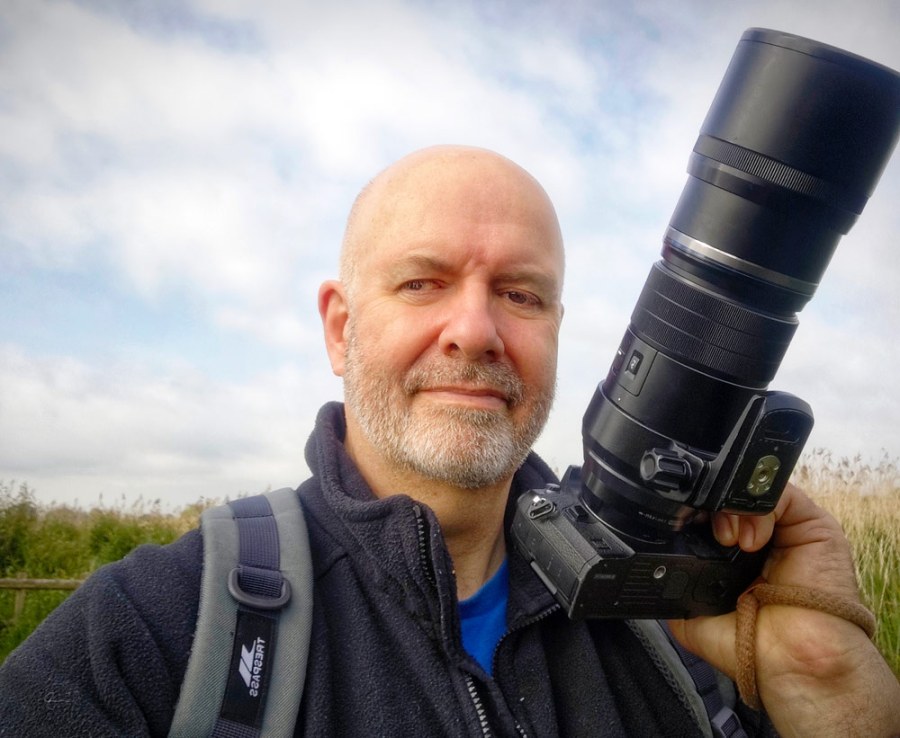
Are you wondering if a 300mm lens is good enough for bird photography? Choosing the right lens can make a big difference in capturing sharp, detailed images of birds in action.
You might be worried that 300mm isn’t long enough to get close to those tiny, fast-moving creatures. But before you decide to spend more money on a longer lens, let’s explore what a 300mm lens can really do for your bird shots.
By the end of this article, you’ll know if this lens fits your needs or if you should look for something else. Keep reading to find out!
Lens Basics For Bird Photography
Choosing the right lens is key to capturing stunning bird photos. Understanding lens basics helps pick gear that suits your style and subject. Bird photography needs lenses that bring distant subjects closer and keep images sharp.
Lens features affect how clearly you see birds and how easily you take photos. Size, weight, and zoom range all impact your shooting experience. A lens that fits your needs makes photography more enjoyable and productive.
Why Focal Length Matters
Focal length controls how close birds appear in your photo. A longer focal length means you can shoot from far away. This keeps birds calm and lets you capture natural behavior.
Short focal lengths show more background but make birds smaller. Long focal lengths isolate the bird and blur the background. This helps your subject stand out sharply against soft colors.
Common Lens Choices
- 300mm lenses are popular for beginners. They balance size, weight, and reach well.
- 400mm to 600mm lenses offer more zoom for distant birds.
- Zoom lenses like 100-400mm provide flexibility for different scenes.
- Prime lenses have fixed focal length but usually offer sharper images.
Each lens type has pros and cons. The best choice depends on your budget, style, and bird species you want to photograph.

Credit: www.reddit.com
Pros Of A 300mm Lens
A 300mm lens offers many advantages for bird photography enthusiasts. It combines versatility and practicality. This lens type meets several needs for capturing stunning bird images. Explore the benefits of using a 300mm lens below.
Portability And Weight
A 300mm lens is lightweight and compact. This makes it easy to carry on long bird-watching trips. Its portability allows photographers to move freely. It fits well in a backpack or camera bag. This advantage is crucial for capturing quick bird movements.
Image Quality And Sharpness
The 300mm lens delivers excellent image quality. It captures sharp and clear photos of birds. This clarity is vital for highlighting intricate feather details. Even in low light, the lens maintains high-quality results. It ensures your bird photography stands out.
Affordability And Accessibility
300mm lenses are often more affordable than longer lenses. They are accessible to both beginners and experienced photographers. This cost-effective option allows many to start bird photography. It provides an opportunity to learn and grow without a large investment.
Limitations Of A 300mm Lens
A 300mm lens is a common choice for bird photography, but it has its limits. Understanding these can help set realistic expectations. This section highlights key challenges when using a 300mm lens for capturing birds.
Reach And Magnification Challenges
A 300mm lens often struggles with distance. Birds tend to stay far away or fly high. This lens may not bring them close enough for detailed shots. Cropping can help but reduces image quality. For smaller or distant birds, a longer lens often works better.
Low Light Performance
Most 300mm lenses have moderate maximum apertures like f/5.6. This limits light intake, especially during dawn or dusk. Low light makes autofocus slower and images less sharp. Using higher ISO can add noise. A lens with a wider aperture improves performance in poor light.
Background Compression
A 300mm lens offers moderate background compression. This means the background appears closer but not very blurred. Background details may distract from the bird subject. Longer lenses create stronger compression and more pleasing backgrounds. This helps isolate birds and create striking photos.

Credit: www.reddit.com
Comparing 300mm With Longer Lenses
Choosing between a 300mm lens and longer lenses like 400mm or 500mm depends on your bird photography needs. Longer lenses offer greater reach, but they also bring some challenges. Understanding these differences helps you pick the right lens for your style and budget.
Advantages Of 400mm And 500mm Lenses
- Greater zoom lets you capture birds from farther away.
- Details like feathers and eyes appear sharper and clearer.
- Better for photographing shy or small birds that keep distance.
- Improves background blur, making birds stand out more.
Trade-offs In Size And Cost
- Longer lenses tend to be heavier and harder to carry.
- They often require tripods or monopods for stability.
- Prices rise significantly as lens length increases.
- Can be less convenient for quick shots or travel.
Tips To Maximize A 300mm Lens
Using a 300mm lens for bird photography can be very effective with the right techniques. This lens offers good reach and allows capturing details without disturbing birds. Applying some simple tips helps enhance image quality and get closer to your subject.
These tips focus on improving sharpness, framing, and exposure. They work well whether you are a beginner or an experienced photographer. Follow them to make the most out of your 300mm lens in the field.
Using Teleconverters
Teleconverters increase the lens’s focal length. A 1.4x or 2x teleconverter can extend your 300mm lens to 420mm or 600mm. This helps bring distant birds closer in your frame. Keep in mind, teleconverters reduce light and may affect image sharpness.
Use teleconverters with lenses that support them for best results. Choose a sturdy tripod to avoid camera shake. Autofocus might slow down, so check your camera settings. Test different combinations to find the best balance between reach and image quality.
Optimal Camera Settings
- Set a fast shutter speed to freeze bird movements, around 1/1000 second or faster.
- Use aperture between f/5.6 and f/8 for good sharpness and depth of field.
- Raise ISO if needed, but avoid too much noise; modern cameras handle ISO 800-1600 well.
- Choose continuous autofocus mode to track flying or moving birds.
- Shoot in burst mode to capture multiple frames quickly.
Approach And Positioning Techniques
Move slowly and quietly to avoid scaring birds. Stay low or use natural cover like bushes for better angles. Position yourself with the sun behind for good lighting. Early mornings and late afternoons offer soft light and active birds.
Observe bird behavior to predict their actions. Patience is key. Use the 300mm lens’s reach to keep distance but fill the frame. Try different viewpoints to add interest and variety to your shots.
Expert Opinions And Experiences
Many bird photographers share their thoughts on using a 300mm lens. Their experiences help us understand its strengths and limits. This section gathers insights from experts and real-world examples.
Professional Bird Photographer Insights
Experts often say a 300mm lens can work well for bird photography. It is lighter and easier to carry than longer lenses. This makes it good for long walks and quick shots.
Some pros use a 300mm lens with a teleconverter. This extends the reach without much weight increase. They note image quality stays good enough for prints and online sharing.
Many photographers stress the importance of good light. A 300mm lens performs best in bright daylight. It can struggle in low light or with fast-moving birds.
Real-world Shooting Scenarios
Bird photographers often shoot in parks and gardens. Here, a 300mm lens captures small birds at moderate distances. It offers a good balance of zoom and portability.
In open fields or wetlands, birds can be far away. Photographers find a 300mm lens limiting in these cases. They often switch to 400mm or longer lenses.
Close encounters with birds make a 300mm lens ideal. It allows for sharp, detailed images without scaring birds away. Many users recommend practicing patience and stealth.
Alternative Gear Options
Choosing the right gear can improve your bird photography experience. A 300mm lens is common but not the only choice. Some photographers prefer different lenses or camera types for better results. Exploring alternative gear helps you understand what works best for your style and budget.
Zoom Lenses Vs. Prime Lenses
Zoom lenses offer flexibility by covering many focal lengths. You can quickly adjust the zoom to frame the bird better. This saves time and effort during fast bird movements.
Prime lenses have one fixed focal length. They often provide sharper images and wider apertures. This lets more light in, helping in low-light situations. Prime lenses can be lighter and easier to carry.
- Zoom lenses: versatile, heavier, less sharp at some zoom levels
- Prime lenses: sharper, lighter, less flexible
Mirrorless Camera Benefits
Mirrorless cameras are compact and lighter than DSLRs. They allow faster focusing, which is key for bird photography. Electronic viewfinders show real-time exposure and settings.
Many mirrorless cameras support silent shooting modes. This reduces noise and avoids scaring birds. Their autofocus systems track moving subjects well.

Credit: www.youtube.com
Frequently Asked Questions
Is A 300mm Lens Good For Bird Photography?
A 300mm lens is suitable for bird photography, especially for beginners. It offers decent zoom and image quality. However, longer lenses like 400mm or 600mm provide better close-up shots of distant birds.
Can A 300mm Lens Capture Detailed Bird Images?
Yes, a 300mm lens can capture detailed bird images if used correctly. Proper lighting, focus, and stability improve image sharpness. Cropping can also enhance details without losing quality.
What Are The Limitations Of A 300mm Lens For Birds?
A 300mm lens may struggle with very distant or small birds. It has less reach compared to longer telephoto lenses. Also, it might require cropping or getting closer to the subject for better results.
Is A 300mm Lens Lightweight For Bird Photography?
Yes, 300mm lenses are generally lighter and easier to carry than longer telephoto lenses. This makes them ideal for hiking and long birdwatching sessions. Lightweight gear reduces fatigue and improves mobility.
Conclusion
A 300mm lens can work well for bird photography. It offers good reach to capture many birds clearly. You might miss very distant or small birds, but it suits most situations. Carrying a lighter lens also helps you move quickly.
Practice and patience improve your shots more than gear alone. Choose what fits your style and budget best. Happy bird watching and shooting!