

Are you an avid birdwatcher with a passion for capturing breathtaking images of birds in flight? If so, you’re probably on the hunt for the perfect camera to elevate your photography.
The Nikon D700 might just be the hidden gem you’ve been searching for. With its reputation for delivering stunning image quality and reliable performance, this camera has piqued the interest of many wildlife photographers. But is it truly up to the task of capturing the dynamic and elusive beauty of birds in flight?
We’ll explore whether the Nikon D700 can meet your needs and help you achieve those awe-inspiring shots you’ve always dreamed of. Stay with us as we dive into the features and performance of this camera, so you can make an informed decision and take your bird photography to new heights.
Nikon D700 Key Features
The Nikon D700 offers features that appeal to bird photographers. This camera blends solid performance with reliable build quality. Its key features help capture sharp images of birds in flight. Let’s explore what makes the D700 suitable for this type of photography.
Sensor And Image Quality
The D700 has a full-frame 12.1-megapixel sensor. It delivers good image quality with clear details. The sensor performs well in low light, useful for dawn or dusk shots. Colors appear natural and vibrant. Noise control is effective up to ISO 6400, allowing flexibility in various lighting conditions.
Autofocus System
The autofocus system uses 51 focus points with 15 cross-type sensors. It tracks moving subjects with good accuracy. This helps keep birds sharp as they fly. The system works well for fast, unpredictable movements. Autofocus speed is responsive, reducing missed shots.
Burst Rate And Buffer
The D700 shoots at 5 frames per second in continuous mode. This speed captures quick bird movements effectively. The buffer holds around 20 RAW images before slowing down. This is enough for short bursts of action. JPEG shooting allows longer bursts, useful for continuous flight sequences.
Build And Handling
The camera has a rugged, weather-sealed body. It resists dust and moisture in outdoor conditions. The grip is comfortable for long shooting sessions. Controls are logically placed for quick changes. The viewfinder is bright and large, aiding fast composition. Overall, it feels balanced with telephoto lenses.

Credit: www.tombolphoto.com
Performance In Bird Flight Shots
Capturing birds in flight challenges even seasoned photographers. The Nikon D700 offers several features that impact how well you can track, capture, and produce sharp images of fast-moving birds. Understanding these features helps you decide if it fits your bird photography needs.
Focus Tracking Accuracy
The D700 uses Nikon’s Multi-CAM 3500FX autofocus system with 51 focus points. This provides a decent spread for tracking birds across the frame. However, its focus tracking isn’t as advanced as newer models with AI-based subject recognition.
In my experience, the D700 performs best when you lock focus on a bird against a relatively uncluttered background. Complex scenes with branches or other birds can confuse the autofocus. Try using continuous autofocus (AF-C) mode and back-button focus to improve tracking precision.
Shutter Speed And Responsiveness
The D700 offers a maximum shutter speed of 1/8000 second, which is excellent for freezing fast wing movements. Its burst rate peaks at around 5 frames per second, allowing you to capture a series of shots during flight.
This speed is sufficient for most bird flight photography, but if you often shoot very rapid action or small birds, you might find yourself missing a few key moments. Pairing the shutter capabilities with anticipation and practice helps you nail the perfect shot.
Image Stabilization Compatibility
The D700 itself does not have built-in image stabilization (VR). You need to rely on Nikon VR lenses to reduce blur caused by camera shake. Using a VR lens with the D700 significantly enhances sharpness, especially when shooting handheld or in low light.
For birds in flight, VR lenses help maintain clarity during longer focal lengths. Remember, VR doesn’t stop motion blur caused by fast bird movement, so combine it with fast shutter speeds for best results.
Lens Options For Bird Photography
Choosing the right lens is crucial for capturing sharp and dynamic images of birds in flight with the Nikon D700. The camera’s performance depends heavily on the lens you pair it with, especially when you’re dealing with fast-moving subjects like birds. Let’s look at some practical lens options that can help you get closer to the action and freeze those moments perfectly.
Compatible Telephoto Lenses
The Nikon D700 works well with a variety of telephoto lenses, which are essential for bird photography. Lenses with focal lengths from 300mm to 600mm give you the reach needed to photograph birds without disturbing them. Popular choices include the Nikon AF-S 300mm f/4E PF ED VR and the Nikon 200-500mm f/5.6E ED VR, both offering sharp images and fast autofocus.
These lenses deliver good image stabilization, which is important for handheld shots or when you’re tracking quick bird movements. You might ask, how much zoom do you really need? It depends on your shooting distance and the bird’s size, but starting with at least 300mm is a safe bet for most situations.
Prime Vs Zoom Lenses
Prime lenses have a fixed focal length, often offering superior image quality and wider apertures compared to zoom lenses. For example, a 400mm f/2.8 prime lens lets in more light, enabling faster shutter speeds and beautiful background blur. However, primes limit your framing flexibility, requiring you to move more to compose your shot.
Zoom lenses, like the 200-500mm, provide versatility by allowing you to adjust focal length quickly. This is handy when birds appear at different distances or you want to capture both close-ups and wider scenes. The trade-off is usually a slightly smaller aperture and potentially less sharpness compared to primes, but the convenience often outweighs that.
Using Teleconverters
Teleconverters are an affordable way to increase your lens’s reach by multiplying its focal length, usually by 1.4x or 2x. For instance, adding a 1.4x teleconverter to a 300mm lens gives you 420mm, bringing distant birds closer without changing your lens.
Keep in mind that teleconverters reduce the maximum aperture, which can affect autofocus speed and low-light performance. I’ve found that pairing a high-quality teleconverter with a fast prime lens still produces excellent results, but cheaper converters might degrade image sharpness noticeably.
Have you experimented with teleconverters in the field? They can be a game-changer if you want more reach without investing in multiple lenses.
Comparing Nikon D700 With Newer Models
The Nikon D700 remains a beloved choice for many bird photographers, especially those who appreciate its robust build and reliable performance. But how does it stack up against Nikon’s newer models designed with advanced technology? Comparing these cameras side by side can help you decide if upgrading is worth it for your birds in flight photography.
Autofocus Improvements
The D700 features a 51-point autofocus system, which was impressive at its release. However, newer Nikon models like the D500 or Z6 II offer more sophisticated autofocus technologies, including improved tracking algorithms and additional focus points that cover a wider area of the frame.
If you’ve ever missed a sharp shot of a fast-moving bird, you know how crucial autofocus speed and accuracy are. Newer models provide better subject tracking, especially in challenging lighting or busy backgrounds, reducing the frustration of blurry images.
Image Resolution Differences
The D700 has a 12.1-megapixel sensor, which delivers solid image quality with good detail and color. Yet, newer cameras offer higher resolution sensors, often exceeding 20 megapixels, allowing you to crop tighter without losing image quality.
For birds in flight, this extra resolution lets you capture more intricate feather details or zoom into distant birds while maintaining sharpness. Do you prioritize file size and speed, or do you want the flexibility to crop extensively in post-processing?
Iso Performance
The D700 performs well in low light, with an ISO range up to 25,600, which you can expand further. Still, newer models have made noticeable strides in noise reduction, letting you shoot cleaner images at very high ISO settings.
If you often find yourself shooting early morning or late evening flights, the improved ISO performance on recent Nikon cameras can make a visible difference. You might capture sharper, clearer images without needing extra lighting or slower shutter speeds.
Battery Life And Storage
Battery life and storage are crucial factors when using the Nikon D700 for birds in flight photography. Capturing fast-moving subjects like birds demands continuous shooting, which can quickly drain your battery and fill up your memory cards. Understanding how long you can shoot and what storage options are available helps you stay prepared for extended sessions in the field.
Shooting Duration
The Nikon D700 uses the EN-EL3e battery, which provides around 1000 shots per charge under normal conditions. However, continuous shooting in high-speed mode, especially tracking birds in flight, reduces this number significantly. If you plan to shoot for hours, carrying extra batteries is a must to avoid missing critical moments.
In my experience, swapping batteries mid-session is easier when you keep them organized and charged ahead of time. Have you ever missed a perfect shot because your battery died? Keeping spare batteries ready prevents that frustration and keeps your workflow smooth.
Memory Card Compatibility
The Nikon D700 supports CompactFlash (CF) cards, which offer reliable storage and fast write speeds—important for handling burst shots. Using high-capacity CF cards lets you shoot longer without stopping to change cards. Consider cards with at least 32GB to accommodate RAW files that birds in flight photography typically produces.
Choosing the right memory card can make a big difference during intense shooting sessions. Faster write speeds reduce buffer clearing time, so you can keep capturing action without waiting. Have you checked if your current cards match your shooting pace and file size needs?
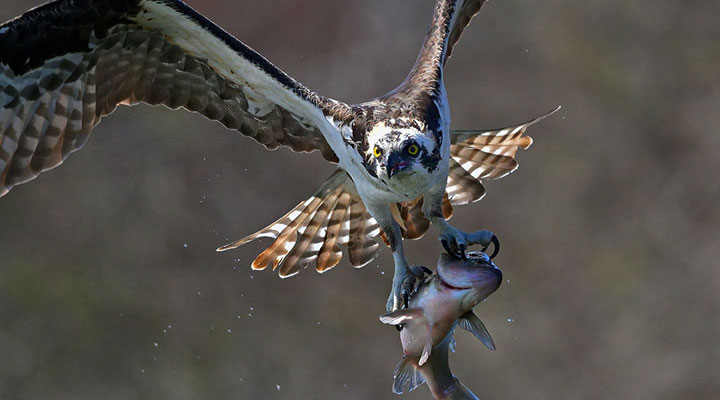
Credit: en.nikon.ca
Tips For Capturing Birds In Flight
Capturing birds in flight takes patience and skill. The fast movement and changing light make it challenging. Using the right tips improves your chances of sharp, clear photos. Focus on camera settings, shooting techniques, and post-processing to enhance your results.
Best Camera Settings
- Use a fast shutter speed, at least 1/1000 second, to freeze motion.
- Set your camera to continuous autofocus (AF-C) for tracking birds.
- Choose a high burst rate to capture multiple frames quickly.
- Use a wide aperture (low f-number) to let in more light and blur the background.
- Adjust ISO to maintain proper exposure without too much noise.
- Select a suitable metering mode like spot or center-weighted for accurate exposure on the bird.
Shooting Techniques
- Practice panning by moving the camera smoothly with the bird’s flight path.
- Keep the bird in the center of the frame for better focus tracking.
- Anticipate the bird’s movement to prepare your shot in advance.
- Use a tripod or monopod to stabilize your camera and reduce shake.
- Choose a background that contrasts with the bird to make it stand out.
Post-processing Suggestions
- Crop the image to focus on the bird and remove distractions.
- Adjust brightness and contrast to enhance details in feathers.
- Sharpen the image slightly to bring out texture.
- Reduce noise if ISO was high during shooting.
- Use selective adjustments to brighten the bird without affecting the background.
Pros And Cons For Bird Photography
Evaluating the Nikon D700 for bird photography involves weighing its strengths and weaknesses. This camera offers features that can help capture birds in flight well. Yet, it also has limits that might affect your shooting experience. Understanding these pros and cons helps decide if it fits your bird photography needs.
Advantages Of The Nikon D700 For Bird Photography
- Fast autofocus system tracks moving birds effectively.
- High ISO performance allows shooting in low light conditions.
- Robust build quality suits outdoor and rough environments.
- Full-frame sensor delivers good image quality and detail.
- Continuous shooting speed supports capturing quick bird movements.
- Good battery life for extended shooting sessions in the field.
Limitations Of The Nikon D700 For Bird Photography
- Only 12.1 megapixels, lower resolution compared to newer models.
- No modern video features for those who want to shoot bird videos.
- Autofocus points fewer than recent cameras, limiting precision.
- Older technology means it lacks some advanced focus tracking modes.
- Heavier and bulkier than some newer, lighter cameras.
- Limited ISO range compared to newer full-frame cameras.

Credit: www.reddit.com
Frequently Asked Questions
Is The Nikon D700 Fast Enough For Birds In Flight?
Yes, the Nikon D700 offers a 5 fps continuous shooting speed. This speed helps capture fast-moving birds with decent precision and timing.
How Good Is Nikon D700’s Autofocus For Bird Photography?
The D700 features a 51-point autofocus system. It provides accurate focus tracking, ideal for capturing birds in unpredictable flight patterns.
Can Nikon D700 Handle Low Light For Bird Shots?
Yes, the D700 performs well in low light. Its ISO range up to 25,600 helps capture clear images at dawn or dusk.
Is The Nikon D700 Durable For Outdoor Bird Photography?
The D700 has a robust, weather-sealed body. It withstands tough outdoor conditions, making it reliable for bird photographers in various environments.
Conclusion
The Nikon D700 offers solid features for birds in flight photography. It has fast autofocus and good image quality. The camera performs well in different light conditions. Its sturdy build helps in outdoor shooting. Though not the latest model, it remains reliable.
Beginners and hobbyists will find it useful. Serious photographers might want newer options. Overall, the D700 can capture beautiful bird flight moments. It balances performance and ease of use nicely. A good choice for those learning bird photography.