

Have you ever found a baby bird and wondered if you should feed it at night? It’s a question that can worry anyone who wants to help but isn’t sure what’s best.
Feeding a baby bird at the wrong time could harm it, but leaving it hungry feels just as wrong. In this post, you’ll discover the simple truth about when and how to feed a baby bird safely. By the end, you’ll feel confident making the right choice to give that little bird the best chance to grow strong and healthy.
Keep reading—you won’t want to miss these essential tips.
Feeding Needs Of Baby Birds
Understanding the feeding needs of baby birds is essential if you find yourself caring for one. These little creatures have specific nutritional and timing requirements that differ from adult birds. Knowing when and how often to feed them can make the difference between healthy growth and distress.
Daytime Feeding Patterns
Baby birds usually eat frequently during the day. Their parents often feed them every 15 to 20 minutes from dawn until dusk. This constant feeding supports their rapid growth and high energy needs.
If you are hand-feeding a baby bird, try to mimic this pattern. Offering small amounts of food regularly helps keep their blood sugar stable and supports healthy development. Skipping these frequent meals can cause weakness and slow growth.
Nighttime Hunger Levels
Unlike during the day, baby birds generally do not require feeding at night. Most species go through a natural fasting period while they sleep. Their metabolism slows, and they use stored energy to rest and grow.
Feeding a baby bird at night can disturb its natural rhythm and cause stress. Ask yourself: is the bird showing signs of hunger, such as crying or restlessness? If not, it’s usually best to let it sleep undisturbed.
Risks Of Feeding Baby Birds At Night
Feeding baby birds at night might seem like a kind gesture, but it carries several risks you should consider carefully. Nighttime is a critical period for young birds to rest and grow, and interrupting this cycle can have unintended consequences. Understanding these risks can help you make better choices for their health and safety.
Disturbing Natural Sleep Cycles
Baby birds need uninterrupted sleep to develop properly. Feeding them at night can disrupt their natural rest patterns, leading to stress and slower growth.
Imagine how you feel when your sleep is constantly interrupted—it’s tough to recover. Similarly, young birds depend on solid sleep to build strength for the day ahead.
Attracting Predators
Feeding at night increases the chances of attracting predators like raccoons, cats, or owls. The presence of food and movement can give away the baby bird’s location.
This danger is often overlooked but can be deadly. Protecting young birds means minimizing risks by avoiding nighttime feeding sessions that could expose them.
Potential Health Issues
Offering food during nighttime might lead to overeating or poor digestion in baby birds. Their bodies are designed to process food during daylight hours when they are more active.
Disrupting this cycle can cause discomfort or even illness. You want to support their health, and feeding at night might do more harm than good.
When Night Feeding Might Be Necessary
Feeding a baby bird at night isn’t usually necessary because most baby birds rest during these hours. However, certain situations demand extra care and attention, including nighttime feeding. Understanding when to step in can make a big difference in the survival and health of the bird.
Orphaned Or Injured Birds
If you find an orphaned or injured baby bird, night feeding might become essential. These birds don’t have a parent to care for them, so they rely entirely on you for warmth and nourishment.
Injured birds might not be able to feed themselves properly or stay warm, so offering food during the night can prevent starvation or hypothermia. Have you ever wondered how often these fragile creatures need feeding to stay alive? The answer depends on their age and condition, but frequent, small meals—even at night—can be crucial.
Emergency Situations
Emergencies like sudden cold weather drops or illness can force you to feed a baby bird at night. If the bird shows signs of weakness, lethargy, or distress, waiting until morning might be too late.
In these moments, providing nourishment and hydration immediately can save the bird’s life. Keep in mind, though, that night feeding should be gentle and minimal to avoid stress. Do you have a plan ready for such emergencies?
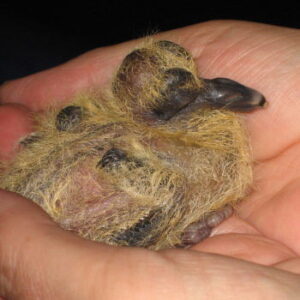
Credit: irishwildlifematters.ie
Safe Feeding Practices
Feeding a baby bird at night requires extra care to keep it safe and healthy. Safe feeding practices help avoid choking, infections, and stress for the little bird. You need to pay close attention to what you feed, how you feed, and keep everything clean.
Proper Food Choices
Choose foods that match the baby bird’s natural diet. Soft, easy-to-digest foods like soaked dog kibble, mashed fruits, or specialized bird formula work well. Avoid giving anything too hard, spicy, or sugary, as these can harm the bird’s sensitive digestive system.
Think about the bird’s species and age before feeding. Some baby birds need more protein, while others thrive on fruits or insects. Have you noticed how picky your bird is? Adjust the food accordingly to keep it happy and growing.
Feeding Techniques
Use a small, clean syringe or dropper to feed the bird gently. Never force food into its throat; let the bird swallow at its own pace to prevent choking. Hold the bird securely but softly, so it feels safe during feeding.
Feed small amounts frequently rather than one large feeding. This mimics how mother birds feed their babies and helps avoid overfeeding. Pay attention to the bird’s cues—if it turns away or refuses food, don’t push it.
Maintaining Cleanliness
Cleanliness is crucial to prevent infections. Wash your hands before and after feeding, and sterilize all feeding tools with hot water or mild disinfectant. Dispose of any leftover food promptly to avoid bacteria growth.
Keep the bird’s feeding area tidy and dry. Change bedding regularly and avoid letting droppings build up. Have you ever seen a sick bird? Often, poor hygiene is the hidden cause you can easily control.
Signs Baby Birds Are Hungry
Recognizing the signs that baby birds are hungry helps you decide if feeding is needed at night. Baby birds cannot speak, so they use behaviors and body signals to show hunger. Watching closely lets you respond quickly and support their growth.
Behavioral Cues
- Constant chirping or begging calls loud and frequent
- Opening wide, gaping mouth often
- Stretching neck upward toward source of food
- Restlessness or increased movement in the nest
- Pecking at parents or objects nearby
Physical Indicators
- Sunken or wrinkled skin around the eyes
- Thin body with visible bones
- Cold to touch, showing poor circulation
- Closed or half-closed eyes signaling weakness
- Dry beak or mouth lacking moisture

Credit: birdfact.com
Alternatives To Night Feeding
Feeding a baby bird at night can feel necessary, especially when you want to ensure it’s well-nourished. However, night feeding isn’t always the best choice for the bird’s natural rhythm or your own rest. Luckily, there are practical alternatives that keep your feathered friend healthy without disturbing nighttime peace.
Adjusting Daytime Feeding Schedules
Increasing the quantity and frequency of feedings during the day can help your baby bird stay full and comfortable throughout the night. Try offering smaller meals every 2-3 hours rather than fewer large meals. This helps maintain steady energy levels and reduces the bird’s hunger at night.
I once had a baby finch who seemed restless overnight. After shifting to more frequent daytime feedings, its night-time fussiness stopped completely. Could your bird’s nighttime cries be a sign it’s simply not getting enough during the day?
Pay attention to your bird’s hunger cues and adjust feeding times accordingly. Consistency is key, so try to feed at regular intervals to build a reliable routine.
Using Feeding Devices
Feeding devices can provide a steady supply of food without needing your constant presence at night. Automatic feeders or specially designed bird feeders release small amounts of food at set times. This can simulate natural feeding patterns and reduce the need for night feedings.
Some devices also help control the amount of food dispensed, preventing overfeeding and waste. If you decide to use a device, watch how your baby bird responds to ensure it’s comfortable and safe.
Have you considered how technology might ease your nighttime care? Feeding devices might be the tool you need to balance your bird’s needs with your own sleep.

Credit: www.reddit.com
Frequently Asked Questions
Should I Feed A Baby Bird During Nighttime?
Feeding baby birds at night is usually unnecessary. Most baby birds rest and digest food overnight. Only feed at night if the bird is very young or weak and shows hunger signs.
How Often Should I Feed A Baby Bird Daily?
Feed baby birds every 15 to 20 minutes during daylight. Young birds need frequent feeding for proper growth. Avoid feeding at night unless specifically advised.
Can Feeding Baby Birds At Night Harm Them?
Feeding baby birds at night can disrupt their natural rest. It may cause stress and digestive issues. Only feed at night if the bird is in critical condition.
What Signs Show A Baby Bird Needs Night Feeding?
Signs include continuous crying, restlessness, or refusal to eat during the day. Weak or orphaned birds might require night feeding. Consult a wildlife expert if unsure.
Conclusion
Feeding a baby bird at night needs careful thought. Birds often rest after dark. Feeding can disturb their sleep and growth. Only feed if the bird seems hungry or weak. Watch for signs of distress or cold. Keep feeding times regular during the day.
Let nature guide the baby bird’s needs. Your care helps the bird grow strong and healthy. Always try to learn more about bird care. Patience and attention make a big difference. Caring for baby birds is a gentle, rewarding task.