
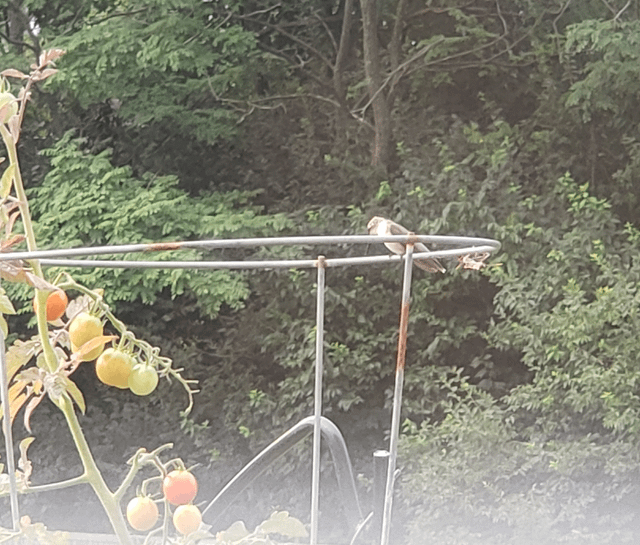
Are you curious about which birds are sneaking tomatoes right from your feeder? You might be surprised to learn that some feathered friends have a taste for these juicy, red treats.
Knowing which birds enjoy tomatoes can help you attract the right visitors to your garden and protect your precious fruit. You’ll discover the bird species that love tomatoes, why they go for them, and how you can create a welcoming space for these colorful guests.
Keep reading to find out how to turn your feeder into a tomato-loving bird hotspot!
Credit: www.chewy.com
Birds That Enjoy Tomatoes
Tomatoes aren’t just a favorite in your kitchen—they also attract a variety of birds right to your feeder or garden. Knowing which birds enjoy tomatoes can help you create a more inviting outdoor space. You might be surprised by the colorful visitors that come for a juicy snack.
Common Tomato-eating Birds
Several bird species are known to nibble on ripe tomatoes. These include:
- Northern Cardinals:Their strong beaks allow them to peck at soft fruits like tomatoes with ease.
- Mockingbirds:These curious birds often try new foods, including tomatoes.
- American Robins:Known for their love of berries, robins also enjoy the sweet flesh of tomatoes.
- House Finches:They have a fondness for various fruits and won’t hesitate to snack on tomatoes.
Keep an eye out for these visitors, especially when your tomatoes start to ripen. They can be quite persistent and entertaining to watch.
Why Birds Like Tomatoes
Tomatoes offer birds a rich source of hydration and energy. Their high water content helps birds stay refreshed, especially on hot days.
The natural sugars in tomatoes provide a quick energy boost. This is particularly useful for migratory birds or those active throughout the day.
Have you ever noticed how birds often prefer softer, sweeter fruits? Tomatoes fit this preference perfectly, making them an easy and tasty choice. Offering tomatoes can encourage more frequent visits, turning your feeder area into a lively bird hotspot.
Tomato Types Birds Prefer
Birds enjoy different types of tomatoes at the feeder. Some varieties attract more birds due to their size, sweetness, and texture. Choosing the right tomato type can bring more feathered visitors to your yard. Here are some tomato types birds prefer the most.
Cherry Tomatoes
Cherry tomatoes are small and juicy, making them easy for birds to eat. Their bright red color attracts birds from a distance. These tomatoes have a sweet flavor that many birds enjoy. They are perfect for small birds like finches and sparrows.
Grape Tomatoes
Grape tomatoes are slightly oval and firm. Birds like their crisp texture and mild sweetness. These tomatoes stay fresh longer on the feeder. They are a favorite for birds such as robins and cardinals. Their size fits well in a bird’s beak.
Heirloom Varieties
Heirloom tomatoes come in many colors and shapes. Birds are drawn to the variety of colors like yellow, orange, and purple. These tomatoes have unique flavors that some birds find irresistible. Larger birds like jays and woodpeckers often enjoy heirloom types. Offering heirlooms adds interest and attracts diverse bird species.
Setting Up A Tomato Feeder
Setting up a tomato feeder for birds can be a delightful way to attract unique visitors to your garden. Unlike typical seed feeders, tomatoes offer a juicy treat that appeals to specific bird species. Proper setup makes all the difference in attracting these fruit-loving birds and keeping the tomatoes fresh for longer.
Choosing The Right Feeder
Not all feeders work well with tomatoes. You want a feeder that can hold small pieces or whole cherry tomatoes securely without squishing them.
- Mesh feedersare great because they allow air circulation, preventing mold buildup.
- Tray feederswork well if you slice the tomatoes into bite-sized pieces.
- Some gardeners even use hanging basketsto dangle clusters of cherry tomatoes directly.
Think about the size and durability of the feeder. Can it handle wet fruit? Does it clean easily? These factors will save you time and frustration.
Placement Tips
Where you put your tomato feeder can influence which birds visit. Most fruit-eating birds prefer feeders in open spaces where they can spot predators easily.
- Place the feeder near shrubs or trees for quick cover and rest spots.
- A sunny location helps keep tomatoes from spoiling too fast.
- Keep the feeder away from high traffic areas to avoid stressing the birds.
Have you noticed how birds behave differently depending on feeder location? Experiment with spots to find the sweet spot that brings the most visitors.
Keeping Tomatoes Fresh
Tomatoes spoil quickly, especially in warm weather. To keep them fresh longer, consider these tips:
- Use firm, ripe tomatoes rather than overripe ones.
- Replace tomatoes daily or every other day to prevent mold and insects.
- Keep the feeder clean by washing it regularly with mild soap and water.
Have you tried lightly chilling tomatoes before placing them outside? It can slow down spoilage and keep your feathered friends happy longer.

Credit: www.chewy.com
Seasonal Feeding Patterns
Birds’ feeding habits change with the seasons, and understanding these shifts can help you attract the right visitors to your feeder. Tomatoes can be a surprising treat for many birds, but their interest varies throughout the year. Watching these patterns gives you a chance to adjust what you offer and enjoy more bird activity.
Spring And Summer
During spring and summer, many birds are busy feeding their young and need extra protein and energy. While insects and seeds are their main focus, some birds also enjoy ripe tomatoes as a juicy supplement.
Robins and thrushes are often spotted pecking at garden tomatoes. They appreciate the softness and sweetness, especially when insects are less abundant in early spring. Have you noticed robins around your tomato plants during these months?
Hummingbirds, though primarily nectar feeders, may occasionally sip tomato juice. This happens mostly in hot weather when water sources are scarce. You can try slicing tomatoes near your hummingbird feeders to see if they take a liking.
Fall And Winter
As temperatures drop and insects disappear, birds shift their diet toward fruits and berries. Tomatoes that have lingered into fall can become an important food source for many species.
Blue jays and cedar waxwings are known to enjoy tomatoes in fall and winter. Their strong beaks help them break into the fruit’s skin to reach the juicy inside. Offering tomatoes during these colder months could keep these colorful birds coming back to your feeder.
Have you ever thought about how tomatoes can fill a gap in bird diets when other foods run out? Try leaving out small pieces and watch which birds show up as the seasons change.
Health Benefits For Birds
Tomatoes offer several health benefits to birds that visit feeders. These bright fruits provide essential nutrients that support birds’ growth and energy. Including tomatoes in bird diets helps maintain their overall well-being and vitality.
Nutritional Value Of Tomatoes
Tomatoes are rich in vitamins and minerals birds need daily. They contain:
- Vitamin C, which boosts immunity
- Vitamin A, important for vision and skin health
- Potassium, vital for muscle function
- Antioxidants that protect cells from damage
These nutrients help birds stay healthy and active during all seasons.
Tomatoes In Bird Diets
Birds enjoy eating ripe, soft tomatoes at feeders. The juicy texture makes them easy to eat. Small birds like finches and warblers often peck at tomatoes. Larger birds such as mockingbirds and thrushes also nibble on them.
Tomatoes provide a good energy source because of their natural sugars. They add water content, helping birds stay hydrated. Serving tomatoes fresh and in small pieces is best for birds.

Credit: www.reddit.com
Potential Risks Of Feeding Tomatoes
Feeding tomatoes to birds at your feeder can seem like a fun and healthy treat. However, there are some risks you should be aware of before offering this fruit. Understanding these risks helps keep your feathered friends safe and happy.
Toxic Parts To Avoid
Not all parts of the tomato plant are safe for birds. The leaves, stems, and green unripe tomatoes contain a toxic substance called solanine. This chemical can cause digestive upset and even more serious health problems if consumed in large amounts.
Always make sure to only offer ripe, red tomato flesh to your birds. Remove any green parts and discard them safely. Have you ever noticed birds avoiding certain parts of fruits? This natural behavior often protects them from harmful substances.
Moderation Tips
Even ripe tomatoes should be given in moderation. Tomatoes are acidic and can upset a bird’s stomach if eaten in excess. Offering small pieces occasionally as a treat is the best approach.
Try mixing tomato pieces with other bird-safe fruits to balance their diet. If you notice any changes in your birds’ behavior or droppings after feeding tomatoes, stop immediately and observe closely. What other fruits do you think would pair well with tomatoes for a tasty, safe snack?
Alternative Foods For Tomato-loving Birds
If your backyard birds enjoy tomatoes, you might wonder what other foods can keep them coming back to your feeder. Offering alternative foods can attract a wider variety of birds and keep your tomato-loving feathered friends happy when tomatoes are out of season or unavailable. Let’s look at some tasty options that provide both nutrition and delight for your backyard visitors.
Fruits And Vegetables
Many birds that like tomatoes also enjoy other fruits and vegetables. Try offering small pieces of berries like blueberries, strawberries, or raspberries. These fruits are packed with vitamins and antioxidants that support bird health.
Vegetables like peas, corn, and diced carrots can also be a hit. Birds often appreciate the texture and natural sweetness of these options. Have you noticed how jays and cardinals seem to prefer bright, colorful foods? Adding a mix of fruits and veggies can keep their interest high.
Seeds And Nuts
Seeds and nuts are essential for many bird species, especially those that nibble on tomatoes. Sunflower seeds, safflower seeds, and millet are popular choices that provide energy and essential fats. Try mixing these with crushed peanuts or unsalted almonds to add variety.
Offering a mix of seeds and nuts not only attracts more birds but also encourages longer visits to your feeder. Think about the last time you watched chickadees or finches at a feeder—they often pick through seeds with great focus. Could adding nuts be the key to keeping them around longer?
Frequently Asked Questions
What Birds Are Attracted To Tomatoes At Feeders?
Birds like robins, thrushes, and cedar waxwings are attracted to tomatoes. They enjoy ripe tomatoes for their juicy, sweet taste and nutrients. These birds often visit feeders or gardens where tomatoes are accessible.
Do Birds Prefer Ripe Or Unripe Tomatoes?
Birds prefer ripe tomatoes because they are softer and sweeter. Unripe tomatoes are harder and less appealing. Ripe tomatoes provide more energy and moisture, making them a favored snack for many bird species.
Can Feeding Tomatoes Harm Birds?
Feeding ripe tomatoes in moderation is safe for most birds. Avoid green or unripe tomatoes, as they contain solanine, which can be toxic. Always ensure tomatoes are clean and pesticide-free before offering them to birds.
How To Attract Birds With Tomatoes At Feeders?
Use ripe, halved tomatoes on platform feeders or directly on branches. Place feeders in quiet areas to reduce disturbance. Adding other fruits or seeds can increase bird visits, making your feeder more attractive.
Conclusion
Tomatoes attract many birds that enjoy their juicy taste. Birds like thrushes, robins, and waxwings often visit feeders with tomatoes. These birds find tomatoes easy to eat and full of nutrients. Watching birds eat tomatoes can be fun and relaxing.
Adding tomatoes to your feeder helps bring more birds to your yard. Try placing ripe tomatoes near your usual bird feeders. You may see new bird visitors enjoying this tasty treat. Feeding birds with tomatoes supports their health and happiness.
A simple way to connect with nature every day.