
Are you wondering why your bird feeder stays empty while others seem to attract a whole flock? It’s frustrating to set up a feeder and wait, only to see no birds at all.
You might be doing everything right, or maybe there’s a small detail you’re missing that’s keeping the birds away. Understanding what birds want and what scares them off can change your feeder from a lonely spot to a lively gathering place.
Keep reading to discover simple, effective tips that will bring colorful birds fluttering right to your backyard.
Common Reasons Birds Avoid Feeders
Many people feel disappointed when no birds visit their feeders. Understanding common reasons birds avoid feeders helps solve this problem. Sometimes, small changes can attract more birds and make feeding spots lively. The causes usually relate to feeder location, type, food, or nearby dangers. Knowing these can improve your chances of seeing birds at your feeder.
Location Challenges
Birds prefer quiet and safe places. A feeder near noisy areas or heavy foot traffic scares them away. Lack of nearby cover like trees or bushes makes birds feel exposed. Place feeders where birds can quickly hide if threatened. Sunlight and wind also affect bird visits. Avoid very windy or overly hot spots. Proper location encourages birds to return often.
Feeder Type Issues
Different birds like different feeder styles. Some feeders suit seed-eating birds, while others attract nectar lovers. Dirty or old feeders discourage birds. Spilled food and mold can harm them. Use feeders that match local bird species. Clean feeders regularly to keep birds healthy and interested. Changing feeder types might attract new bird species.
Food Choices
Birds avoid bad or stale food. Using low-quality seed or wrong types limits visitors. Sunflower seeds, nyjer, and suet appeal to many birds. Avoid salted or flavored seeds. Fresh water near the feeder also attracts birds. Rotate food types during seasons for variety. Good food makes birds feel safe and welcome.
Predators And Disturbances
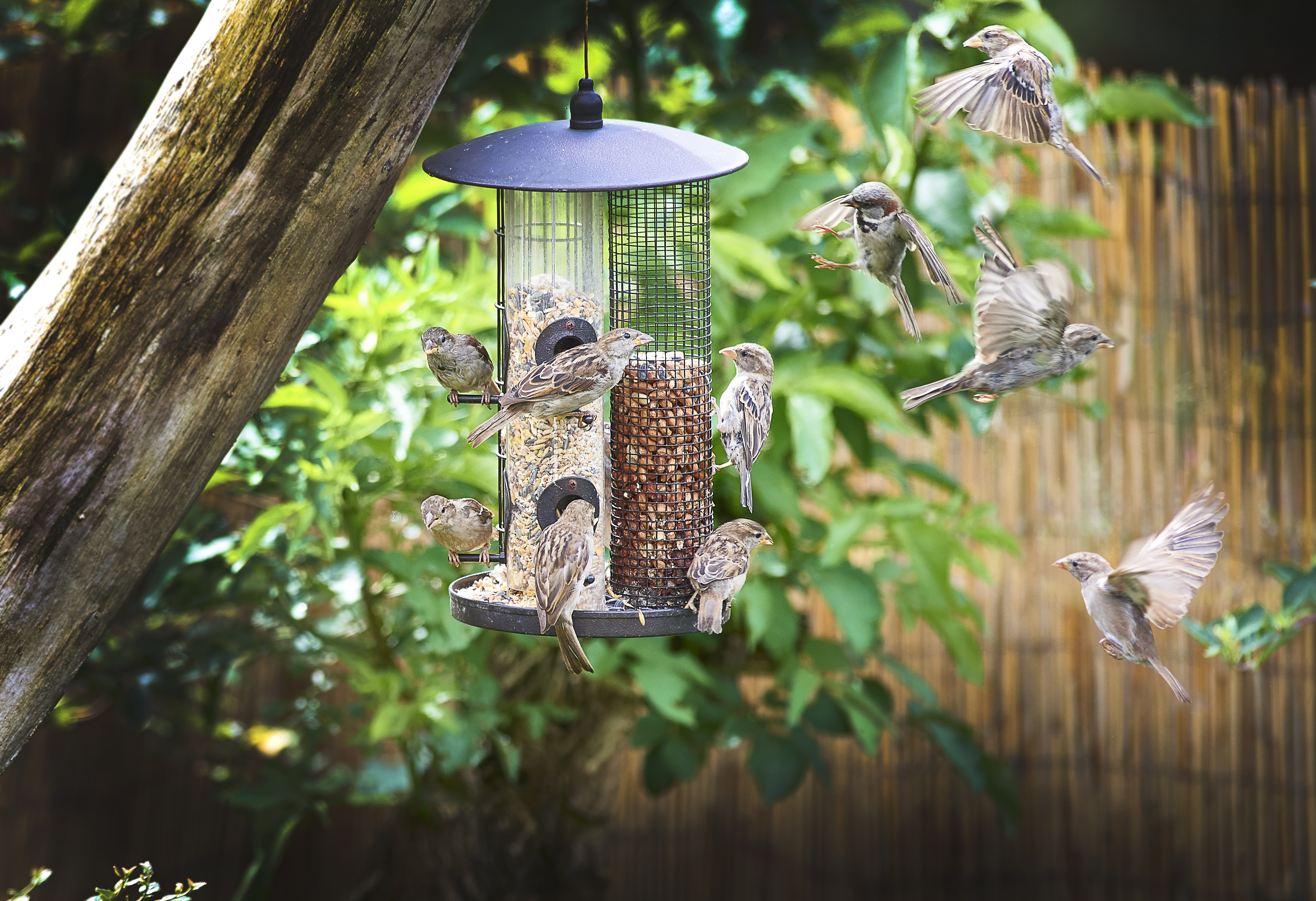
Birds avoid feeders near predators like cats or hawks. Loud noises or sudden movements frighten them. Frequent visits by people or pets can drive birds away. Keep feeders in calm areas with some cover for safety. Watching quietly from a distance helps birds feel secure. Minimizing threats increases feeder visits.
Credit: dengarden.com
Choosing The Right Feeder
Choosing the right feeder plays a big role in attracting birds to your yard. Different birds prefer different types of feeders. The material and how you care for the feeder also affect bird visits. Placement is key to making birds feel safe and comfortable. Knowing these factors helps you pick the best feeder for your feathered friends.
Types Of Feeders For Different Birds
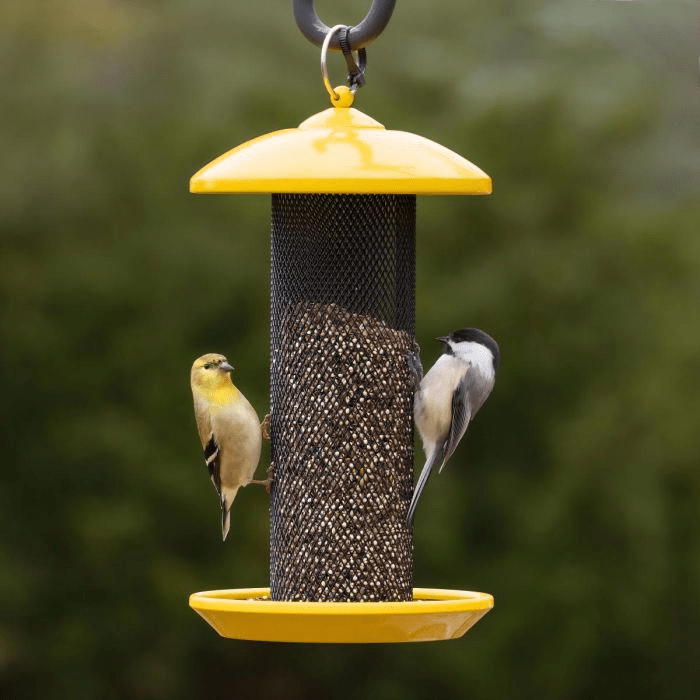
Tube feeders suit small birds like finches and chickadees. Platform feeders attract larger birds like cardinals and jays. Suet feeders are perfect for woodpeckers and nuthatches. Hopper feeders hold more seed and attract a variety of birds. Choose a feeder that matches the birds you want to see.
Materials And Maintenance
Feeders come in plastic, metal, and wood. Metal feeders last longer and resist squirrels. Plastic feeders are lightweight but can crack in cold weather. Wood feeders blend well with nature but need regular cleaning. Clean feeders often to stop mold and bacteria. Dry feeders before refilling to keep seeds fresh.
Placement Tips
- Place feeders near trees or shrubs for shelter.
- Keep feeders at least 5 feet off the ground to avoid predators.
- Choose a spot visible from your window for easy watching.
- Avoid placing feeders too close to busy paths or roads.
- Use baffles or guards to keep squirrels away.
Selecting Bird-friendly Food
Choosing the right food is key to attracting birds to your feeder. Birds prefer natural and fresh options that match their diet. Offering the correct food helps birds feel safe and encourages them to visit often. Avoiding the wrong foods keeps birds healthy and prevents them from avoiding your feeder.
Popular Seeds And Mixes
Sunflower seeds are a favorite for many bird species. Black oil sunflower seeds attract cardinals, chickadees, and finches. Nyjer seeds are perfect for finches and siskins. Mixed seed blends offer variety but check ingredients for quality. Avoid mixes with lots of filler seeds like red millet or oats, which many birds ignore.
Seasonal Food Preferences
Bird preferences change with seasons. In winter, birds need high-energy seeds like sunflower and peanuts. Spring and summer bring insects and fresh fruits as natural food sources. Adding suet or mealworms in colder months helps insect-eating birds. Offering fruits like berries can attract thrushes and orioles in warmer months.
Avoiding Harmful Additives
Stay away from seeds with added dyes or chemicals. Salted or flavored seeds can harm birds. Avoid mixes with artificial coatings or preservatives. Fresh, raw seeds are safest for feeding. Always check labels for additives before buying seed mixes. Clean feeders regularly to prevent mold and bacteria growth.
Creating A Safe Environment
Creating a safe environment is key to attracting birds to your feeder. Birds need to feel secure from threats to visit and stay. A safe space encourages more visits and longer stays.
Safety helps birds relax and focus on feeding. You can improve safety by reducing dangers around the feeder. Also, limit disturbances from people and pets. Providing natural shelter near the feeder adds extra protection.
Reducing Predator Threats
Predators scare birds away from feeders. Cats, hawks, and squirrels are common threats. Keep the area clear of hiding spots for predators. Place feeders high and away from branches. Use baffles on poles to stop climbing animals. Avoid feeders near dense shrubs where predators hide.
Minimizing Human Disturbance
Birds avoid noisy and busy places. Place feeders in quiet spots away from heavy foot traffic. Limit sudden movements or loud noises near feeders. Ask family members to move slowly and speak softly. Avoid handling feeders too often. This helps birds feel safe and calm.
Providing Natural Shelter
Birds look for cover near food sources. Trees, bushes, and shrubs offer protection. Plant native vegetation close to your feeder. This gives birds places to hide and rest. Avoid cutting all branches around the feeder. Shelter helps birds spot predators early. It also makes the area inviting and secure.
Attracting Birds With Additional Features
If your bird feeder feels lonely, adding extra features might be the key to inviting more feathered friends. Birds seek more than just food—they look for water, shelter, and even social signals before visiting a spot. Enhancing your feeding area with thoughtful additions can make it more appealing and encourage regular visits.
Water Sources And Baths
Birds need water for drinking and bathing. Adding a clean birdbath or a small water fountain near your feeder can attract different species. Moving water catches their attention better than still water, so a fountain or dripper can make a big difference.
Keep the water fresh and free from algae by cleaning the bath regularly. Even a shallow dish of water will help, especially during hot or dry periods. Have you noticed how birds often visit water first before feeding? Providing water makes your feeder a full-service stop.
Native Plants And Landscaping
Surrounding your feeder with native plants creates a natural habitat that birds recognize and trust. Native shrubs, trees, and flowers offer shelter, nesting spots, and natural food sources like berries and insects. This makes your yard more inviting beyond just the feeder itself.
Try planting a mix of evergreens and flowering plants that bloom at different times of the year. This ensures year-round appeal. Have you ever thought about what plants local birds prefer? Researching native species can guide you to the best choices.
Using Bird Calls And Decoys
Birds communicate through calls and visual cues. Playing recorded bird calls can pique their curiosity and signal a safe feeding spot. However, use this sparingly to avoid overwhelming them or attracting predators.
Decoys, like fake owls or hawks, usually scare birds away, but harmless decoys such as brightly colored models of birds or feeders shaped like nests can invite them in. Experiment with sounds and visuals, but watch how the birds respond. Are they curious or cautious?
Credit: www.kingsyard.com
Troubleshooting Low Bird Visits
Low bird visits at your feeder can be frustrating. Birds may avoid feeders for many reasons. Small changes often make a big difference. Understanding common issues helps attract more birds. Troubleshooting involves observing and adjusting your feeding setup. This section covers key areas to check and improve.
Monitoring And Adjusting Feeding Times
Birds have specific feeding routines. They visit feeders mostly in early morning and late afternoon. Watch your feeder during these times. Note if birds come and when they leave. Adjust your feeding schedule to match their habits. Avoid filling feeders too late in the day. Fresh food attracts more birds. Consistent feeding times build trust with local birds.
Cleaning And Maintenance Routines
Clean feeders regularly to prevent disease and mold. Dirty feeders repel birds and cause health issues. Use warm water and mild soap for cleaning. Rinse well to remove soap residue. Check for old or wet seed and remove it. Keep feeding areas dry and tidy. Replace damaged parts of the feeder quickly. Clean feeders encourage birds to return often.
Seasonal Changes And Bird Behavior
Bird activity changes with seasons. Some birds migrate and others change feeding habits. Spring and fall often see fewer birds at feeders. Cold winter days increase feeder visits. Adjust food type to suit seasonal needs. Offer high-energy seeds in colder months. Provide fresh water, especially in freezing weather. Knowing seasonal patterns helps keep your feeder busy.

Credit: www.reddit.com
Frequently Asked Questions
Why Are No Birds Visiting My Feeder?
Birds might avoid feeders due to poor placement, wrong food, or presence of predators. Check feeder location, use fresh seeds, and ensure safety.
How Can I Attract More Birds To My Feeder?
Use a variety of seeds, place feeders in safe, quiet spots, and provide water nearby. Clean feeders regularly to keep birds healthy.
Does Feeder Cleanliness Affect Bird Visits?
Yes, dirty feeders can spread disease and deter birds. Clean feeders weekly with mild soap and water to attract more visitors.
Can Feeder Location Impact Bird Attendance?
Absolutely. Place feeders near natural cover like trees or shrubs. Avoid high traffic or noisy areas to make birds feel secure.
Conclusion
Birds may avoid feeders for many simple reasons. Check your feeder’s location and cleanliness first. Use fresh seeds and refill often. Noise and pets nearby can scare birds away. Patience helps; birds take time to find new food. Keep watching and adjusting your feeder setup.
Soon, you may enjoy many colorful visitors. Small changes make a big difference. Enjoy your time watching birds grow near your feeder.