

Are you curious about the birds you might see flying overhead right now? Wondering which feathered travelers are on the move this season?
Knowing what bird is migrating now can add excitement to your day and help you connect with nature in a whole new way. You’ll discover the most common migrating birds happening around you, why they’re leaving, and how to spot them before they pass by.
Keep reading to unlock the secrets of these amazing journeys and become the expert on your local bird migration!
Current Migratory Birds
As the seasons change, many birds embark on long journeys. These migrations are fascinating events happening worldwide. Each species follows its own path. Some travel thousands of miles. Others move just a few hundred miles. Knowing which birds are migrating now can enhance birdwatching experiences. Let’s explore the current migratory birds.
Common Species On The Move
Many familiar birds migrate during this season. The American Robin is one example. It travels from northern regions to warmer places. The Sandhill Crane also makes its journey now. These birds are easy to spot due to their large flocks. The Barn Swallow, a small bird, is another frequent traveler. It flies from North America to Central and South America.
Canada Geese are well-known migrants too. Their V-shaped flight formation is a classic sight. These common birds provide a great opportunity for birdwatchers. Watching them can be a delightful experience.
Unique Migrants In Different Regions
Different regions host unique migratory birds. In Europe, the White Stork is a notable traveler. It migrates to Africa for the winter. In Asia, the Siberian Crane stands out. It moves from its breeding grounds to India and China.
South America sees the journey of the Swainson’s Hawk. It travels from North America to Argentina. The Arctic Tern is a remarkable migrant as well. It flies from the Arctic to the Antarctic. This bird covers the longest migration distance of any species.
Each region offers a variety of unique birds. Observing these travelers can provide insights into nature’s wonders.
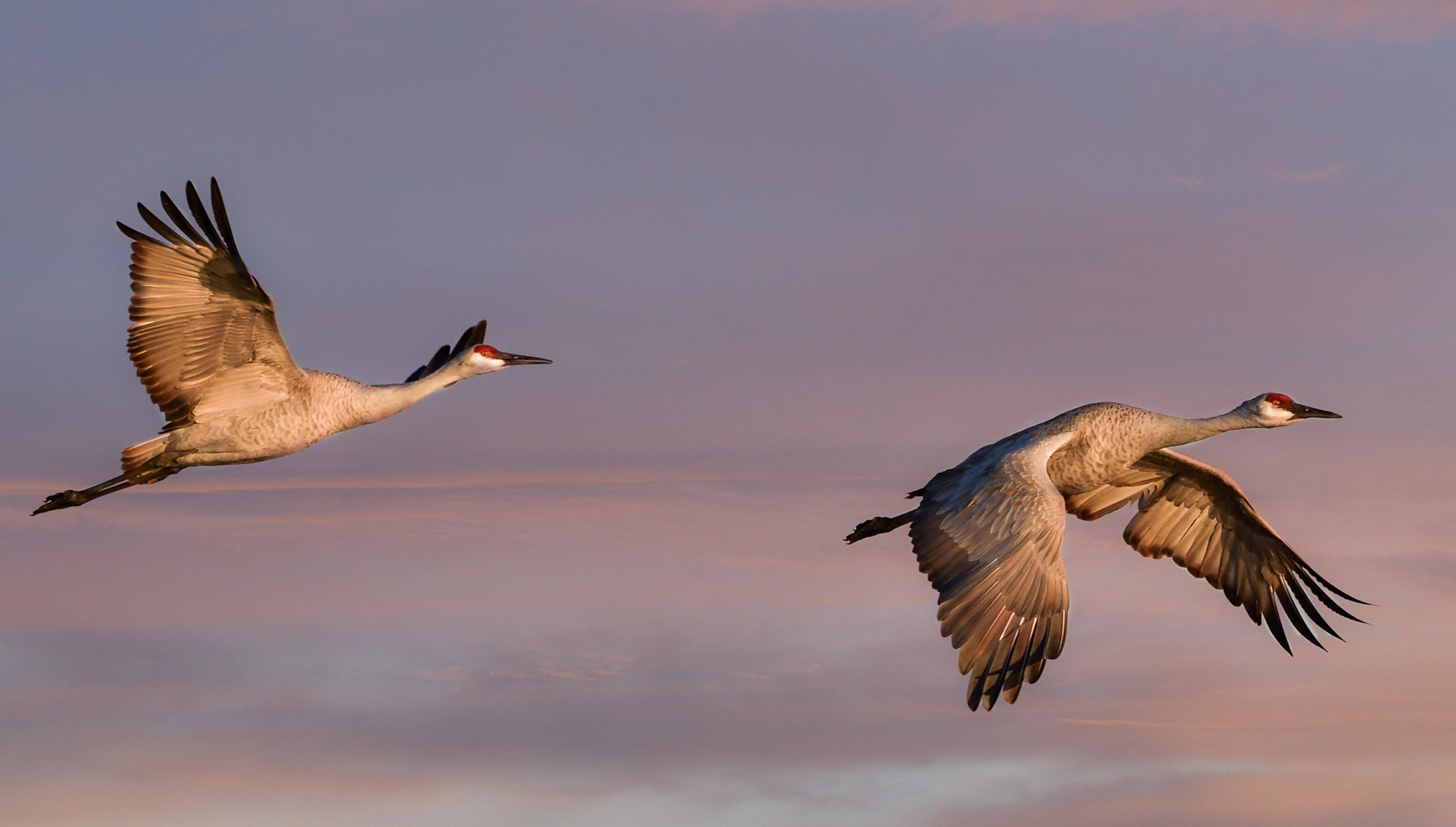
Credit: sfstandard.com
Migration Routes
Bird migration routes reveal the incredible journeys these creatures take across the globe. Understanding these paths helps you appreciate the complexity and determination behind every flight. Let’s look closer at the main routes birds follow and the obstacles they face along the way.
Major Flyways Across Continents
Birds use specific corridors called flyways to travel between breeding and wintering grounds. These routes often follow coastlines, rivers, and mountain ranges, providing landmarks and food sources.
- Atlantic Flyway:Stretching from North America’s Arctic tundra down to South America, this route supports species like the Canada goose and shorebirds.
- Pacific Flyway:Running along the west coast of the Americas, it hosts birds such as the sandhill crane and various waterfowl.
- East Asian-Australasian Flyway:Extending from Siberia to Australia and New Zealand, this flyway is crucial for species like the bar-tailed godwit.
- African-Eurasian Flyway:Covering Europe, Asia, and Africa, it supports millions of migratory birds including storks and swallows.
Knowing these flyways helps you track migration patterns and understand how birds adapt to different environments.
Challenges Along The Journey
The migration routes are filled with dangers that test the endurance of every bird. Loss of habitat, extreme weather, and human-made obstacles create constant threats.
- Habitat Destruction:Wetlands and forests along flyways are disappearing, reducing resting and feeding spots.
- Climate Change:Shifts in temperature and weather patterns can disrupt timing and availability of resources.
- Pollution and Light:Artificial lights and pollution can confuse birds and increase collision risks.
- Hunting and Predation:Some regions pose higher risks due to hunting or increased predator presence.
Have you ever wondered how birds survive these hazards repeatedly? Their instinct and flexibility are key, but so is the role you can play in protecting critical habitats along these routes.
Timing Of Migration
Bird migration follows a natural schedule that varies by species and region. Timing is crucial for birds to find food, breed, and survive harsh weather. Understanding when birds begin their journeys helps bird watchers and conservationists track changes in nature.
Factors Influencing Departure
Birds rely on several signals to decide when to leave. Changes in daylight length trigger their internal clocks. Temperature shifts also signal the approach of new seasons. Food availability is a key factor; scarce food pushes birds to migrate. Weather conditions like wind and storms can speed up or delay departure. Some birds use inherited instincts, while others adapt to local conditions.
Seasonal Patterns And Variations
Migration timing varies with the season. Spring migration usually happens earlier than fall. Birds return north to breed when days grow longer and warmer. Fall migration starts as days shorten and temperatures drop. Different species follow distinct schedules, some migrating in large groups, others alone. Variations also occur by latitude; birds farther north tend to migrate later. These patterns help birds survive by matching their needs to the environment.
Behavioral Adaptations
Bird migration is a remarkable journey shaped by unique behavioral adaptations. These adaptations help birds survive long flights and find their way across vast distances. Understanding these behaviors can change how you appreciate the incredible challenges birds face during migration.
Navigation Techniques
Birds use a mix of natural tools to navigate. Some rely on the sun’s position during the day and stars at night to guide their path. Others detect Earth’s magnetic field, which acts like a built-in compass.
Have you ever wondered how a tiny bird finds its way without getting lost? Many species also remember landmarks like rivers and mountains to stay on track. This combination of methods makes their navigation impressively reliable.
Energy Conservation Strategies
Flying thousands of miles requires smart energy use. Birds lower their body temperature to save energy during rest stops. They also adjust their wingbeats and glide when possible to reduce fatigue.
Some species fly in V-formations, which reduces wind resistance for the birds behind the leader. This saves energy across the entire group. Think about how much effort you could save if you had a team supporting you on a long journey!
Impact Of Climate Change
Climate change changes how birds migrate. Rising temperatures and weather shifts affect their routes and timing. These changes impact bird survival and population health worldwide.
Shifts In Migration Timing
Birds now leave earlier or later than before. Warmer springs cause many birds to start migration sooner. This shift can cause birds to miss food peaks at stopover sites. Some species struggle to adjust, leading to fewer successful migrations.
Effects On Bird Populations
Changes in migration affect bird numbers. Birds may arrive when food is scarce or predators are more active. This lowers their chances to breed and raise young. Some species face population declines or move to new areas. These effects create challenges for bird conservation efforts.
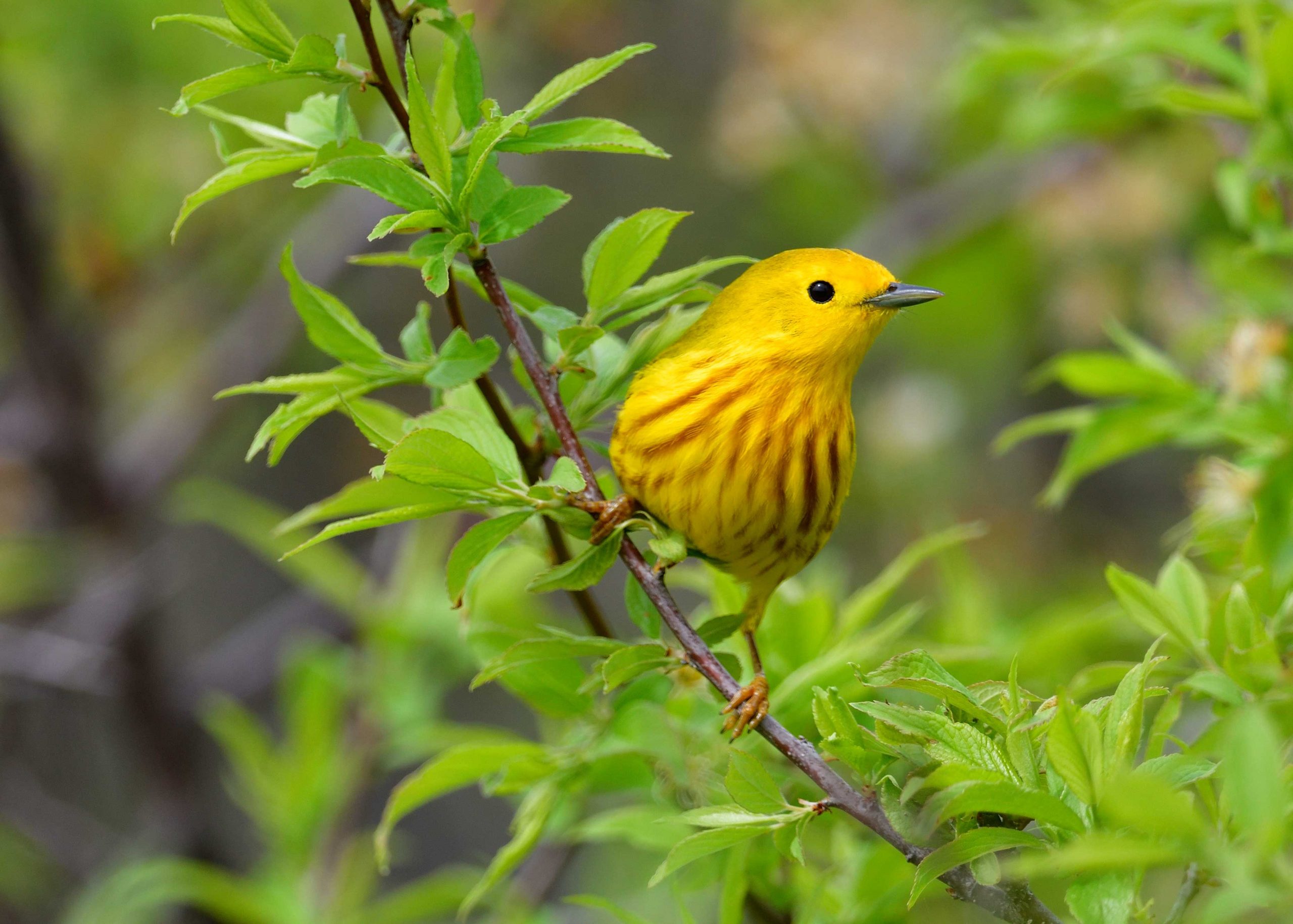
Credit: magazine.outdoornebraska.gov
How To Spot Migrating Birds
Spotting migrating birds can be a thrilling experience. It connects you with nature’s rhythms. Birds travel thousands of miles, crossing continents and oceans. Knowing how to see them helps you enjoy their journey.
Patience and practice are key. Migrating birds often move in groups and follow specific routes. Watching the sky and trees closely increases your chances of spotting them. Understanding their habits makes the experience richer.
Best Locations For Birdwatching
Choose places where birds rest or feed during migration. Wetlands, lakes, and rivers attract many species. Open fields and forest edges also serve as stopovers.
- Coastal areas where birds follow shorelines
- Nature reserves with diverse habitats
- High hills or ridges where birds soar on air currents
- Parks with native plants that provide food
Visit these spots early in the morning or late afternoon. Birds are most active during these times.
Tips For Identifying Migrants
Look for unique colors and shapes that differ from local birds. Listen for unfamiliar calls or songs. Migrants often have brighter plumage or distinct patterns.
- Use binoculars for a closer view
- Carry a field guide or use a bird app
- Note the size, shape, and flight style
- Observe behavior like feeding or flocking
Keep a journal to record your sightings. This habit sharpens your skills over time.
Conservation Efforts
Conservation efforts play a key role in helping migratory birds survive their long journeys. These efforts focus on keeping safe places for birds to rest and feed. Without these places, many birds face risks like hunger and danger. Protecting migration routes helps birds thrive year after year.
Protecting Migration Habitats
Migration habitats are crucial for birds traveling thousands of miles. Wetlands, forests, and grasslands provide food and shelter. Many conservation groups work to preserve these habitats from destruction and pollution. Protecting these areas means fewer birds get lost or weak during migration. Some projects create new safe zones to support bird populations.
Community Involvement And Citizen Science
People everywhere can help by watching and reporting bird sightings. Citizen science programs gather valuable data on bird movements and numbers. This information guides conservation work and tracks bird health. Local communities also plant native trees and avoid using harmful chemicals. Small actions by many people create big impacts for migrating birds.

Credit: iowacapitaldispatch.com
Frequently Asked Questions
What Bird Species Are Migrating Now In Spring?
Many songbirds like warblers, thrushes, and swallows migrate in spring. They travel from southern wintering grounds to northern breeding areas. This migration usually starts in March and continues through May.
How Can I Identify Birds Migrating Currently?
Look for flocks flying in V-formations or groups during daylight. Notice distinct calls and plumage changes. Use binoculars to spot species like geese, ducks, and shorebirds moving northward.
Why Do Birds Migrate During Specific Months?
Birds migrate to access abundant food and breeding habitats. Seasonal changes trigger hormonal responses that prompt migration. Timing ensures survival and successful reproduction in favorable climates.
Where Do Migrating Birds Travel From And To?
Most North American birds travel from Central or South America to northern regions. They seek warmer climates in winter and return north for summer breeding. Routes vary based on species and geography.
Conclusion
Bird migration is a fascinating natural event to watch. Many species travel long distances now. They move to find food and better weather. Watching these birds helps us learn about nature. Each bird’s journey tells a unique story. Keep an eye outside to spot migrating birds.
Nature’s rhythms continue, season after season. Stay curious and enjoy the beauty of migration.