
Have you ever wondered why some birds stay in New England all year round while others fly south as the cold sets in? You might think every bird heads south to escape the winter chill, but that’s not true.
Some birds choose to stick around, thriving despite the snow and frost. Discovering which birds don’t migrate south can change the way you see your backyard and the wild world just outside your door. Keep reading to uncover the surprising birds that brave the cold and learn why they decide to stay.
Resident Birds Of New England
New England is home to a variety of birds all year. These birds adapt to the cold, and don’t migrate south. Understanding these resident birds can enrich your knowledge and birdwatching experience.
Common Year-round Species
Several bird species stay in New England throughout the year. The Black-capped Chickadee is a familiar sight. Its cheerful song brightens even the coldest days. The Northern Cardinal stands out with its bright red plumage. It’s a favorite among birdwatchers. Blue Jays are another common resident. They are loud and bold, often seen in backyards.
Mourning Doves are also year-round residents. Their soft cooing is a comforting sound. American Goldfinches, though more drab in winter, remain in the area. They visit feeders frequently, adding life to snowy landscapes.
Adaptations For Winter Survival
Resident birds have unique adaptations for winter. They fluff their feathers to trap heat. This keeps them warm in freezing temperatures. Some birds, like the Chickadee, can lower their body temperature at night. This conserves energy during cold nights.
Food storage is another survival tactic. Blue Jays and Chickadees stash seeds in the fall. This provides a steady food supply during scarce winter months. Birds also grow thicker plumage in preparation for cold weather.
Feeder visits increase as natural food becomes scarce. This helps birds maintain energy levels. Resident birds also find shelter in tree cavities or dense shrubs. This protects them from harsh winds and predators.
Non-migratory Waterfowl
Not all waterfowl head south when winter arrives in New England. Some ducks and geese choose to stick around, braving the cold and finding ways to survive. Understanding which species stay and why they do can deepen your appreciation for local wildlife during the frosty months.
Ducks And Geese That Stay
Several species of ducks and geese remain in New England throughout winter. The Canada Goose is a familiar sight, often seen grazing in fields or floating on icy ponds. Mallards are another hardy group, adapting well to colder conditions and frequently spotted in urban parks and open waters.
Wood Ducks also tend to stay, especially when water bodies don’t freeze completely. Their colorful plumage brightens up bleak winter landscapes. Have you noticed how these birds change their behavior when temperatures drop? They become more cautious and often gather in larger groups for warmth and protection.
Habitat Preferences In Winter
Non-migratory waterfowl seek specific habitats that provide food and shelter during harsh winters. Open water is crucial—ducks and geese look for lakes, rivers, or ponds that don’t freeze solid. You might find them near power plant discharge areas or fast-moving streams where ice is less likely to form.
Vegetation also plays a big role. Wetlands with abundant aquatic plants offer both food and cover. These birds often roost in wooded areas close to water, which shield them from wind and predators. If you’re trying to spot these residents, focus on places where water stays accessible and natural shelter is nearby.
Songbirds That Brave The Cold
Some songbirds stay in New England during winter. They face cold weather with smart habits. Their survival shows how strong and adaptable birds can be. These birds find ways to eat and keep warm despite snow and ice. Watching these songbirds offers a glimpse of nature’s quiet toughness.
Robins And Chickadees
Robins are famous for leaving in winter. Yet many stay in New England. They change their diet from worms to berries and fruit. Chickadees never leave. They fluff their feathers to trap heat. Their small size helps them hide in dense shrubs. Both birds sing softly, keeping their spirits up in cold days.
Feeding Strategies In Snow
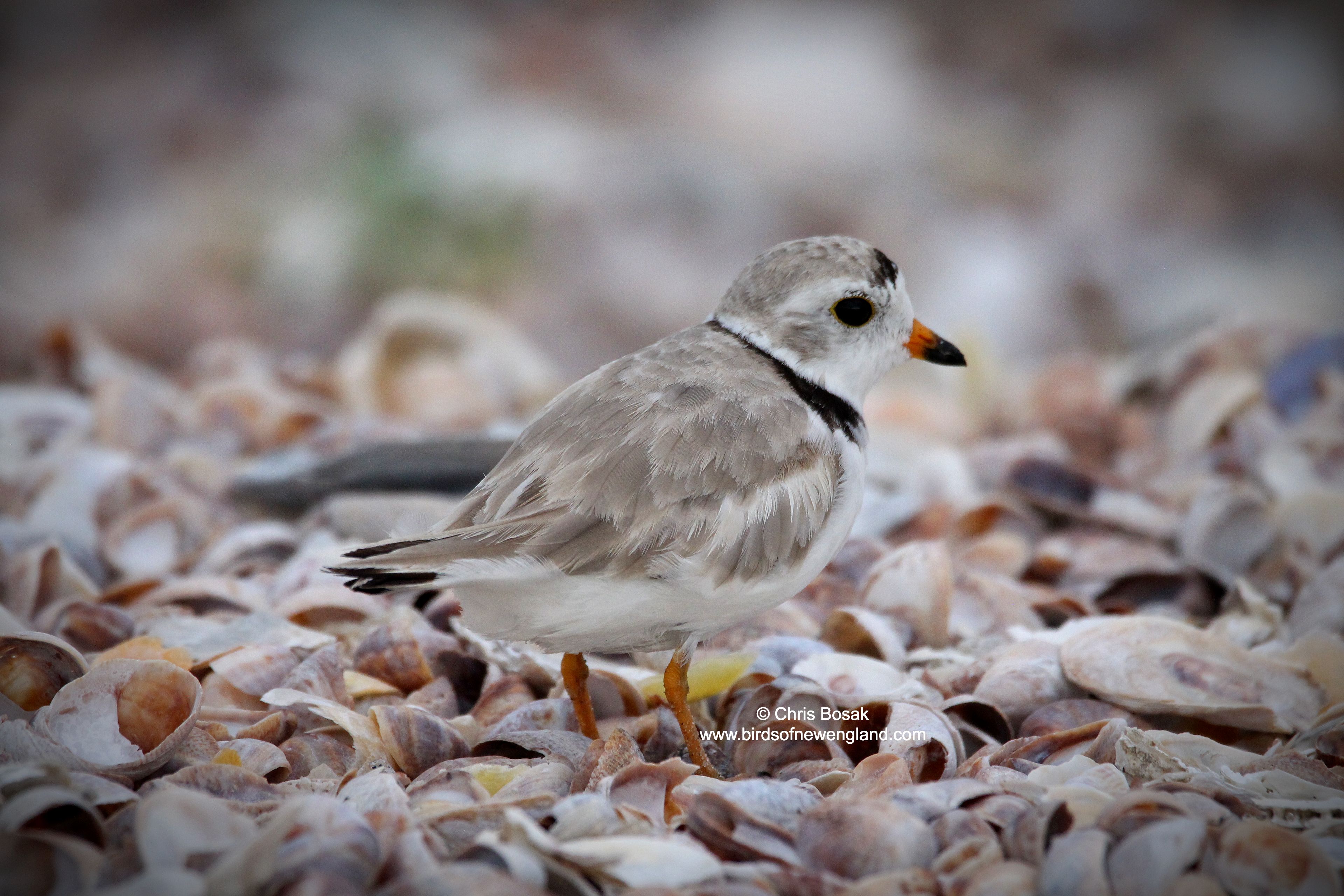
Songbirds use clever ways to find food under snow. They search tree bark for insects. Some hide seeds in fall and eat them later. Birds visit feeders for extra food. Group feeding helps them find food faster. These tactics keep energy high and bodies warm.
Credit: birdsofnewengland.com
Birds Of Prey That Remain
Birds of prey are a striking part of New England’s winter landscape. Unlike many birds that migrate south, these raptors stay through the cold months. They adapt well to the harsh weather and scarce food supply. Their presence adds life to the quiet winter forests and fields.
Owls And Hawks
Owls and hawks are common birds of prey that remain in New England during winter. Owls, such as the Great Horned Owl and Snowy Owl, use their keen night vision to hunt. Hawks, like the Red-tailed Hawk, rely on sharp eyesight during the day. These birds have thick feathers to keep warm. They often find shelter in dense trees or rocky areas.
Hunting Tactics During Winter
Winter hunting requires special skills. Birds of prey use different tactics to find food in snow-covered landscapes. They listen carefully for movements under the snow. Quick dives and silent flights help them catch small mammals and birds. Some hawks perch quietly and watch for movement below. Owls often hunt at night, using their hearing to locate prey. Their ability to adapt ensures they survive harsh winters.
Factors Influencing Migration Choices
Understanding why some birds choose not to migrate south in New England requires looking closely at what drives their decisions. Migration is not just about escaping the cold; it’s about weighing multiple factors that affect survival and comfort. These factors vary widely among species, leading some birds to brave the winter rather than fly away.
Food Availability
Birds depend heavily on food sources to decide whether to stay or leave. Some species find enough seeds, berries, or insects around New England even in winter. For example, chickadees and woodpeckers can rely on stored seeds or sap, which means they don’t need to migrate.
If you notice birds still pecking at feeders or foraging under snow, it’s a sign that food availability plays a big role in their choice to stay. Think about your own backyard bird feeder – what types of birds stick around? That’s a direct reflection of how food influences migration.
Climate Adaptations
Certain birds have physical and behavioral traits that help them survive New England winters. Thick feathers, the ability to fluff up for extra insulation, or even huddling together are just a few adaptations. These traits reduce their need to travel long distances to find warmth.
Take the blue jay, for example. Its strong body and layered feathers allow it to endure cold snaps without leaving. This shows how nature equips some birds to handle harsh climates, making migration unnecessary.
Predator Avoidance
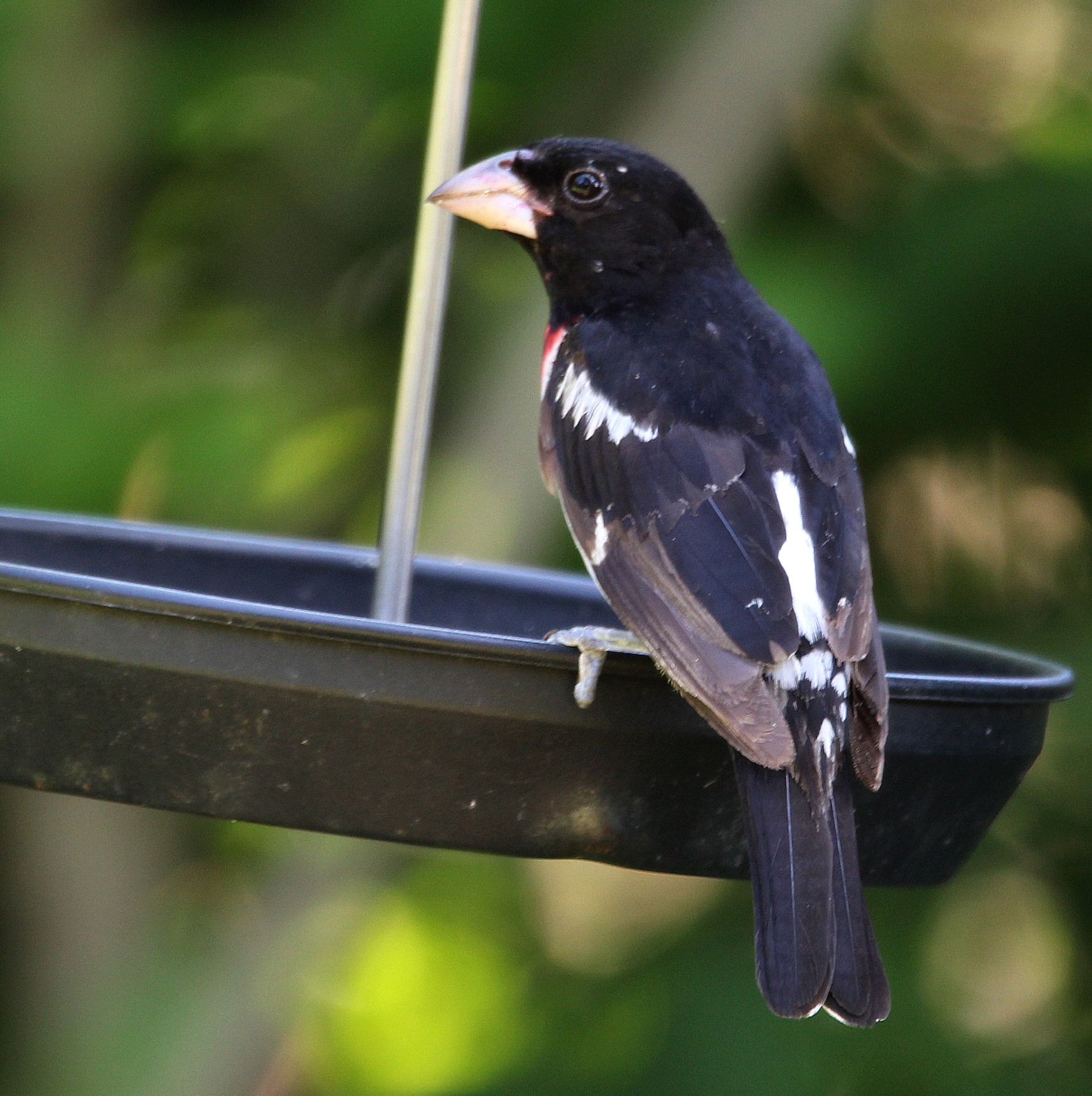
Staying put can sometimes be safer than migrating. Migration exposes birds to new predators and unfamiliar dangers along the route. Some birds weigh this risk and decide that avoiding predators in a known environment is the smarter choice.
Consider how hawks and owls hunt in different seasons. Birds that remain in New England often develop strategies to stay hidden or escape threats. It’s a reminder that migration is not just about weather but also about staying alive.
Credit: birdsofnewengland.com
How To Spot These Birds In Winter
Spotting birds that don’t migrate south in New England during winter can be a rewarding challenge. These hardy birds adapt to the cold, and finding them requires a bit of patience and knowledge. Understanding where to look and how they behave will increase your chances of seeing them up close.
Best Locations
Look for these birds in places where they can find food and shelter. Backyard feeders become hotspots, especially if you add sunflower seeds, suet, or peanuts. Parks with dense shrubs and evergreen trees also provide refuge and food sources.
Wetlands and frozen ponds attract waterfowl like mallards, which stay through the winter. Don’t forget to check out wooded areas near streams, where chickadees and nuthatches often search for insects under bark. Are you watching the right spots, or just hoping to get lucky?
Seasonal Behaviors
Birds that stay tend to change their habits to survive winter. Chickadees fluff up their feathers to trap heat, making them look rounder and softer. You might hear their familiar “chick-a-dee-dee-dee” call more often as they gather in small flocks for warmth.
Woodpeckers spend more time pecking bark to find hidden insects. You might notice increased activity around suet feeders as these birds boost their energy. Observing these behaviors helps you predict where they’ll be and how they interact with their environment.
Credit: abcbirds.org
Frequently Asked Questions
Which Birds Stay In New England During Winter?
Several birds like chickadees, nuthatches, and cardinals stay in New England through winter. These birds adapt to cold weather and find food locally.
Why Don’t Some New England Birds Migrate South?
Some birds find enough food and shelter in New England during winter. Their bodies adapt to conserve energy in cold conditions, reducing migration need.
How Do Non-migratory Birds Survive Harsh Winters?
Non-migratory birds grow thicker feathers and fluff them for insulation. They also change their diet and find hidden food sources to survive.
What Are Common Non-migratory Birds In New England?
Common non-migratory birds include blue jays, tufted titmice, and woodpeckers. These birds are well-adapted to local winter environments and food availability.
Conclusion
Not all birds leave New England for the winter. Some stay because food and shelter are still available. These birds adapt to cold weather and find ways to survive. Watching them helps us learn about nature’s strength and change. Next time you see birds in winter, remember many are tough and stay close.
Understanding their habits makes us appreciate wildlife more. Staying aware can also help protect these special birds year-round. Nature’s surprises never end.