
Have you ever looked up at the sky and wondered why birds suddenly appear or disappear at certain times of the year? Understanding what seasons birds migrate can unlock fascinating secrets about their behavior and the natural world around you.
Whether you’re a curious nature lover or just someone who enjoys watching birds, knowing when and why these feathered travelers move can change the way you experience each season. Keep reading, and you’ll discover the surprising reasons behind bird migration and how it connects to the rhythms of nature you might never have noticed before.
Migration Seasons
Birds migrate mainly during spring and fall seasons. They move to find better food and warmer weather. Migration helps them survive harsh conditions and raise their young.
Migration seasons are fascinating times in the bird world. Birds travel vast distances to find better feeding grounds and climates. They follow age-old routes, guided by instinct and environmental cues. Understanding these migration patterns helps bird watchers and nature enthusiasts. It also helps in conserving bird species.Spring Migration
Spring is a busy time for birds. As temperatures rise, birds leave their winter homes. They travel to breeding grounds in the north. During spring, food becomes plentiful. Insects and plants start to thrive. This abundance supports nesting birds and their young. Birds fly in large flocks, making the journey safer. Warblers, thrushes, and geese are common spring travelers. They migrate over long distances, showing great endurance.Fall Migration
Fall brings a different kind of migration. Birds return to warmer regions as the days shorten. They escape the cold and lack of food in northern areas. In fall, birds prepare for the journey by eating more. They store energy as body fat. This helps them endure long flights. Raptors, such as hawks, and many songbirds migrate south. The fall migration is often less hurried. Birds take their time, stopping to rest and feed along the way. Bird watchers enjoy observing the diverse species passing through.Factors Influencing Migration
Bird migration is a natural event influenced by several key factors. Birds travel to find better living conditions. These factors guide their timing and direction. Understanding these helps explain why birds move in certain seasons.
Weather Changes
Weather plays a big role in bird migration. Birds avoid cold and harsh conditions. They seek warmer places for survival. Storms and strong winds can delay or speed up migration. Birds wait for favorable weather to start their journey.
Food Availability
Food sources impact bird movement greatly. Birds migrate to areas with plenty of food. In colder seasons, food becomes scarce. They move to places where insects, seeds, and fruits are abundant. This ensures they have enough energy to survive.
Daylight Duration
Daylight length affects birds’ internal clocks. Longer or shorter days signal when to migrate. Birds use daylight changes to prepare for travel. It triggers hormonal changes that start migration behavior. This helps them leave at the right time.
Common Migratory Birds
Bird migration is a fascinating natural event, marked by the movement of various bird species across different seasons. Understanding which birds migrate can deepen your appreciation of the changing skies throughout the year. Let’s look at some common migratory birds you might encounter, whether you’re an avid birdwatcher or just enjoy glimpsing nature’s seasonal travelers.
Songbirds
Songbirds are among the most noticeable migratory birds. Many species, like warblers and thrushes, travel thousands of miles to find warmer climates during winter. Have you ever heard the cheerful chirping in spring? That’s often the sign these songbirds have returned home.
These birds rely on daylight changes to know when to migrate. Watching songbirds can teach you a lot about timing and the importance of environmental cues.
Waterfowl
Waterfowl, including ducks and geese, are famous for their seasonal migrations. They move to areas with open water when lakes and rivers freeze over. You might have spotted large flocks flying in a V-formation—it’s their way of conserving energy during long flights.
Next time you see a gathering of waterfowl in the fall or spring, consider the incredible endurance behind their journey. What do you think motivates these birds to travel such vast distances?
Raptors
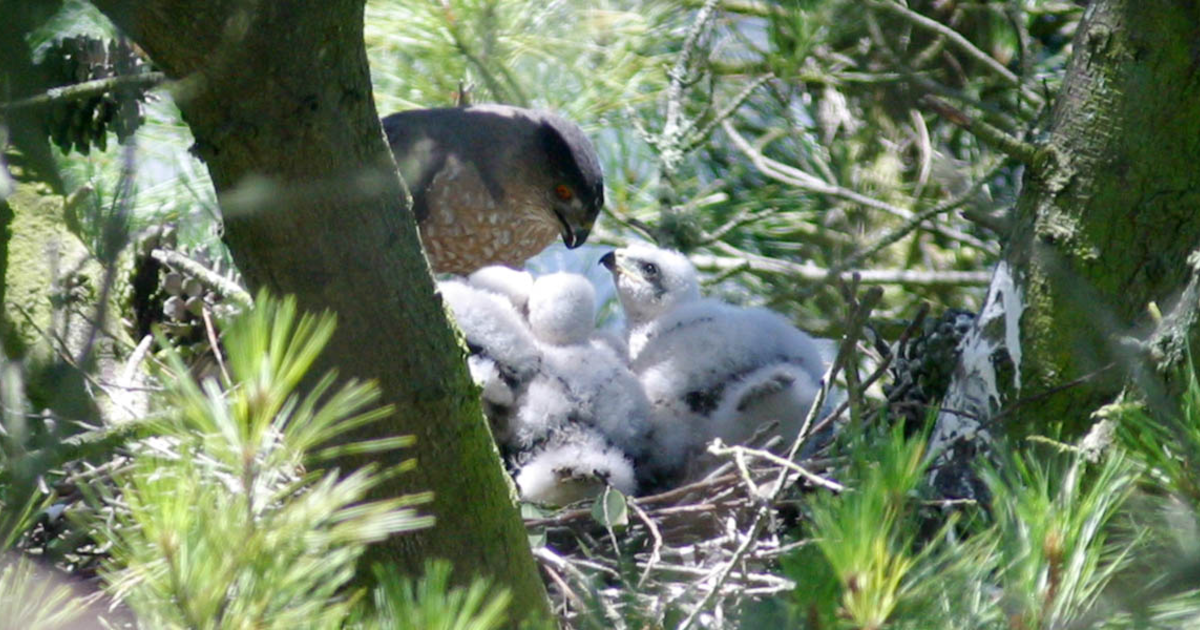
Raptors, like hawks and eagles, also migrate, though their patterns can be less predictable. These powerful birds often use thermal currents to soar high and cover great distances with minimal effort. Watching a raptor glide overhead during migration can feel like witnessing mastery of the skies.
Unlike smaller birds, raptors tend to migrate during the day, making them easier to spot. Have you ever paused to watch these majestic hunters as they navigate their migration routes?

Credit: www.allaboutbirds.org
Migration Routes
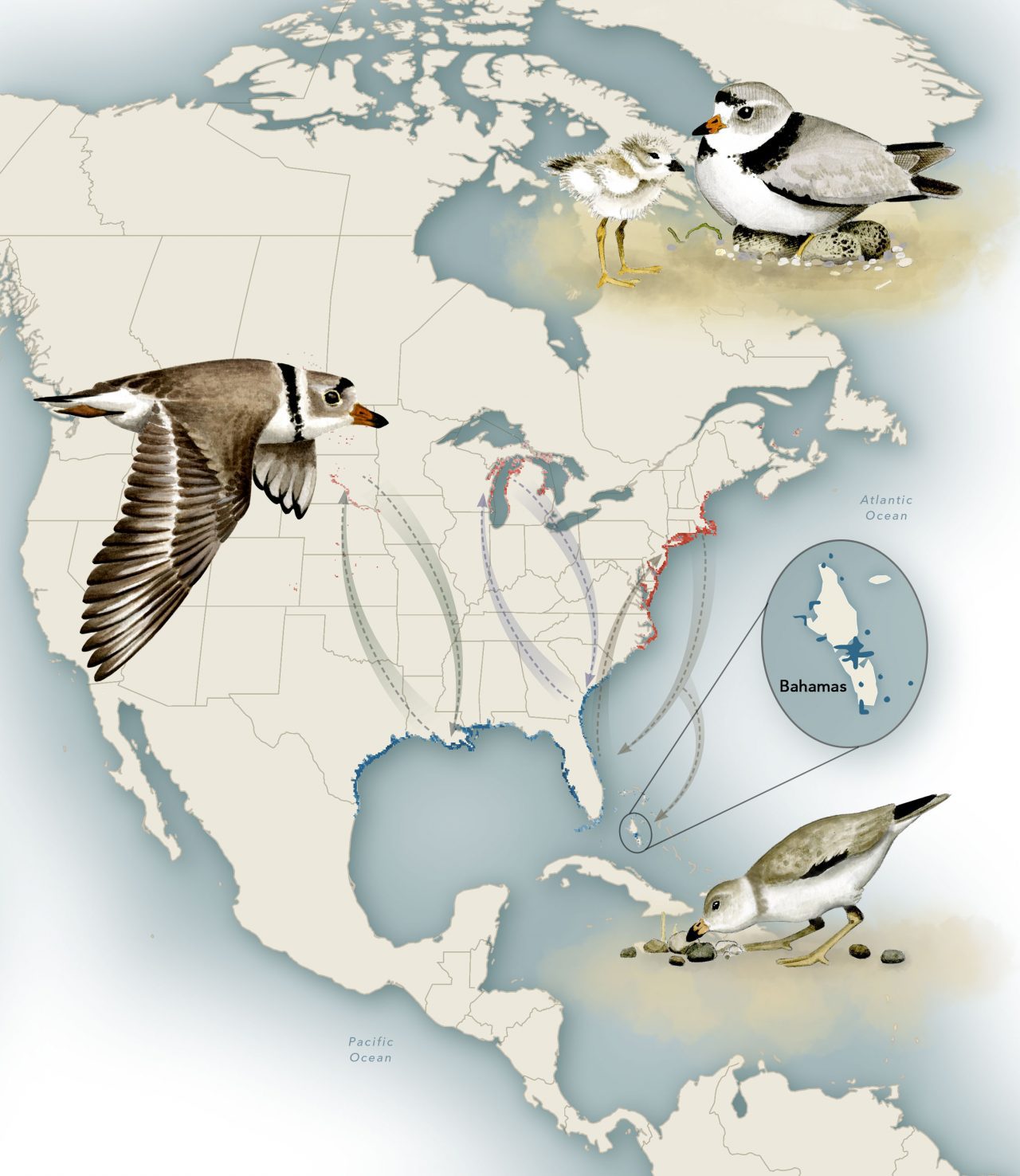
Birds follow specific paths during migration called migration routes. These routes help them travel safely between breeding and wintering areas. Migration routes vary by species and geography. They often follow natural landmarks like coastlines, rivers, and mountain ranges. Understanding these routes reveals how birds navigate thousands of miles.
North-south Pathways
Most birds migrate along north-south pathways. These routes connect summer habitats in the north with winter homes in the south. Birds use these paths to avoid harsh winter weather. For example, many North American birds travel south to Central or South America. In Europe, birds fly south toward Africa. These routes are often straight but can change with geography.
Stopover Sites
Stopover sites are key resting points on migration routes. Birds use these places to rest and eat before continuing their journey. Good stopover sites have plenty of food and safe shelter. Wetlands, forests, and coastal areas often serve as stopover spots. Without these sites, birds may not survive long flights. Protecting stopover habitats is crucial for bird migration success.
Tracking Migration
Tracking bird migration reveals incredible details about their long journeys across continents. It helps scientists and bird lovers understand when, where, and why birds travel during different seasons. You might be surprised at how technology and simple tools work together to uncover these secrets.
Banding And Tagging
Bird banding involves placing a small, uniquely numbered ring on a bird’s leg. This simple tool lets researchers identify individual birds when they are recaptured or spotted later. You might spot a banded bird in your backyard and report it to help track its migration path.
Tagging can also include attaching tiny devices like colored flags or lightweight radio transmitters. These tools provide clues on where birds stop to rest or feed during their long flights. Have you ever wondered how far a small songbird can travel in a single season? Banding and tagging help answer that question.
Satellite Tracking
Satellite tracking uses mini GPS devices attached to larger birds to follow their migration in real-time. This method offers precise data on routes, flight speed, and stopover sites across thousands of miles. Imagine watching a hawk’s journey from your computer screen as it crosses oceans and deserts.
While satellite trackers are more expensive and used mainly for bigger birds, they give detailed insights that banding can’t. This technology has helped protect endangered species by identifying critical habitats along their migration paths. What would you do if you could see your favorite bird’s route live?
Credit: www.parksconservancy.org
Challenges During Migration
Bird migration is an incredible journey filled with obstacles that test a bird’s endurance and survival skills. Understanding these challenges helps you appreciate the complexity behind every flight. Let’s look at some of the major hurdles birds face during migration.
Predators
Predators wait along migration routes, turning these journeys into dangerous quests. Birds must stay alert to avoid being caught by hawks, falcons, and even some mammals. Have you ever watched a bird suddenly change direction mid-flight? That’s often a split-second escape from a predator.
To protect yourself when observing migrating birds, choose spots away from dense predator habitats. This helps keep birds safer and your experience more rewarding.
Habitat Loss
Many birds rely on specific stopover sites to rest and refuel. Unfortunately, these habitats are disappearing due to urban development and agriculture. Without these critical resting points, birds face exhaustion and starvation.
Think about your last outdoor trip—did you notice fewer birds than usual? That could be a sign of shrinking habitats. Supporting local conservation efforts can make a real difference for these migratory travelers.
Climate Change
Changing weather patterns disrupt migration timing and food availability. Birds might arrive too early or late to find the insects and plants they depend on. This mismatch can lower their chances of survival and successful breeding.
Have you seen birds appearing earlier in the season than before? That’s a direct effect of climate shifts. By reducing your carbon footprint, you help protect the delicate balance these birds depend on.
How To Support Migratory Birds
Supporting migratory birds is crucial for their survival during long journeys between breeding and wintering grounds. You can play an active role by creating safe spaces, preventing common hazards, and contributing to important research. Small actions on your part can make a big difference in helping these birds thrive.
Creating Bird-friendly Habitats
Plant native trees and shrubs that provide food and shelter for migratory birds. Think about adding berry-producing bushes or flowering plants that attract insects, which many birds feed on during migration.
Leave some areas of your yard wild, with leaf litter and natural debris. These spots offer essential resting places and nesting materials. Have you noticed how birds flock to your garden when you provide fresh water in a shallow dish? A simple birdbath can become a vital pit stop.
Reducing Window Collisions
Birds often cannot see glass and crash into windows, which causes many injuries and deaths. You can reduce this risk by applying decals or using screens to break up reflections on your windows.
Try placing feeders either very close (within 3 feet) or far away (over 30 feet) from windows. This reduces the chance of fatal collisions because birds either can’t build up speed or avoid the window altogether.
Participating In Citizen Science
Tracking migratory bird patterns helps scientists understand changes in migration timing and routes. You can contribute by joining bird counts or submitting sightings through apps like eBird.
Engaging in these projects connects you with a community of bird lovers and provides valuable data. Have you ever wondered how your backyard sightings could help protect bird populations worldwide?
Credit: www.allaboutbirds.org
Frequently Asked Questions
When Do Birds Typically Start Migrating?
Birds usually begin migrating in early spring and late summer. These seasons offer favorable weather and food availability. Migration timing varies by species and location, but spring and fall are the main migration periods.
Why Do Birds Migrate During Specific Seasons?
Birds migrate to find food and better climate conditions. Seasonal changes affect food supply and breeding grounds. Migrating during spring and fall helps birds survive and reproduce successfully.
How Long Do Bird Migrations Last?
Bird migrations can last from a few days to several months. The duration depends on the species, distance, and weather conditions. Some birds travel thousands of miles nonstop, while others make multiple stops.
What Triggers Birds To Start Migrating?
Daylight length and temperature changes mainly trigger bird migration. These environmental cues signal birds to prepare for migration. Hormonal changes also help birds get ready for long journeys.
Conclusion
Birds migrate mainly during spring and fall seasons. They move to find food and better weather. Migration helps birds survive harsh cold or hot times. Each species has its own migration pattern and timing. Watching birds migrate shows nature’s amazing rhythms.
Knowing when birds travel can enrich your outdoor experience. Keep observing, and you will learn more about these journeys. Migration connects many places and brings life to different regions. This cycle repeats every year without fail. Nature’s way of balance and survival.