

Are you wondering which fruits are safe and healthy for your pet bird? Choosing the right fruits can boost your feathered friend’s health and happiness, but not all fruits are good for them.
Knowing what to feed your bird is key to keeping them active and vibrant. You’ll discover the best fruits your pet bird can enjoy, which ones to avoid, and tips on how to serve them safely. Keep reading to make sure your bird’s diet is both tasty and nutritious!
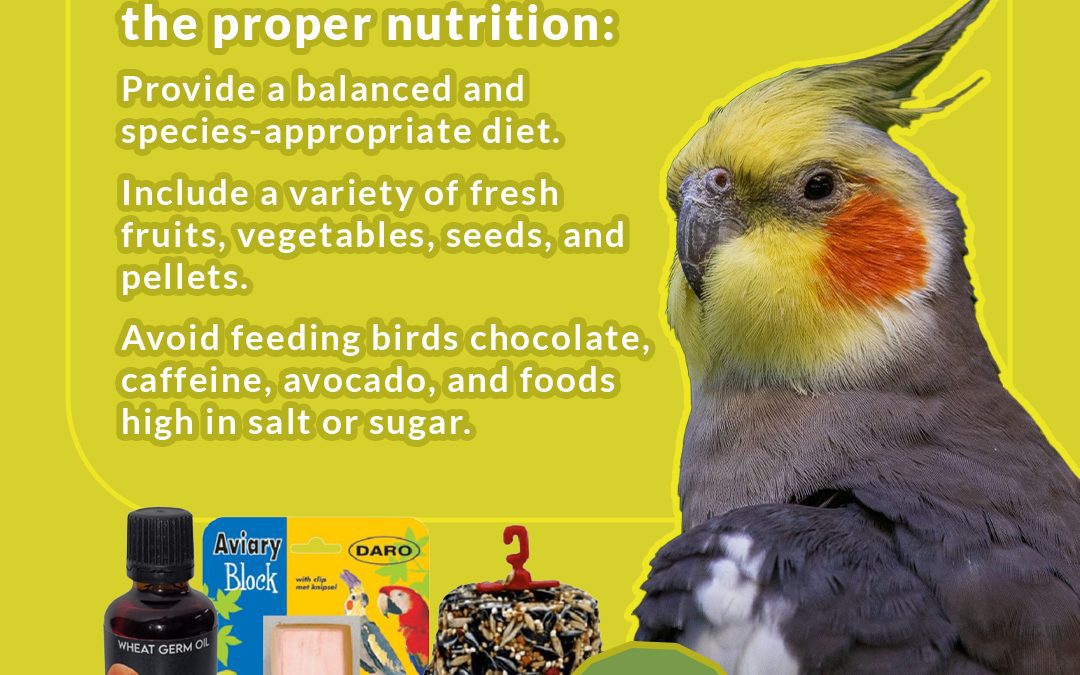
Credit: kimvet.co.za
Safe Fruits For Pet Birds
Choosing the right fruits for your pet bird is essential for their health and happiness. Not all fruits are safe, so knowing which ones to offer can make a big difference. Safe fruits provide essential vitamins and natural sweetness without harmful chemicals or toxins.
Common Bird-friendly Fruits
Many fruits you find at your local grocery store are perfect for your feathered friend. Birds often love the crunch and juiciness of these familiar options.
- Apples(remove seeds before serving)
- Bananas(easy to digest and packed with potassium)
- Blueberries(rich in antioxidants)
- Grapes(offer in moderation due to sugar content)
- Oranges(great source of vitamin C, but serve in small pieces)
- Pears(soft and hydrating)
- Strawberries(high in fiber and vitamin C)
Have you noticed how your bird reacts differently to each fruit? Their preferences can guide you on what to add to their diet regularly.
Exotic Fruits Birds Enjoy
Introducing exotic fruits can be a fun way to keep your bird’s diet exciting and nutritious. These fruits often have unique flavors and textures that birds find appealing.
- Mango(sweet and loaded with vitamins A and C)
- Papaya(supports digestion and is gentle on the stomach)
- Pomegranate(rich in antioxidants and vibrant in color)
- Kiwifruit(high in vitamin C but serve in small amounts due to acidity)
- Dragon fruit(low in calories and full of fiber)
Do you think your bird would enjoy these tropical treats? Offering a variety helps prevent boredom and promotes a balanced diet.
Nutritional Benefits Of Fruits
Fruits are more than just tasty treats for your pet birds—they are packed with nutrients that support their overall health. Adding fruits to your bird’s diet can improve their immune system, enhance their feathers, and boost their energy levels. Understanding what nutrients fruits provide helps you choose the best options for your feathered friend.
Vitamins And Minerals
Fruits are rich sources of essential vitamins and minerals that your pet bird needs daily. Vitamin A, found in mangoes and papayas, supports healthy eyesight and skin. Vitamin C, abundant in oranges and strawberries, strengthens the immune system and helps fight infections.
Besides vitamins, fruits offer important minerals like potassium and calcium. Potassium regulates muscle function, while calcium is crucial for strong bones and eggshell formation. Imagine your bird’s vibrant feathers and active behavior improving just by adding simple fruits like apples or blueberries to their meals!
Natural Sugars And Energy
Natural sugars in fruits provide a quick and healthy energy boost for your pet birds. Unlike processed sugars, these natural sugars come with fiber and nutrients, making them a balanced energy source. Bananas and grapes are excellent examples that keep your bird lively and playful throughout the day.
Do you notice your bird slowing down in the afternoon? Offering a small piece of fruit can refresh their energy without causing a sugar crash. Just remember to control the portions to avoid overfeeding sugar, keeping your bird happy and healthy.
Fruits To Avoid For Birds
Not all fruits are safe for pet birds. Some fruits can harm their health or cause serious problems. Knowing which fruits to avoid helps keep your bird safe and healthy. This section covers fruits and seeds that are toxic and those that cause digestive troubles.
Toxic Fruits And Seeds
Certain fruits and their seeds contain poisons that can hurt birds. Avoid these completely:
- Apple seeds – contain cyanide compounds
- Cherry pits – highly toxic if swallowed
- Peach and plum pits – harmful toxins inside
- Avocado – contains persin, toxic to many birds
- Rhubarb – leaves and stalks are poisonous
Even small amounts of these can cause serious illness or death. Always remove seeds and pits before offering fruit.
Fruits That Cause Digestive Issues
Some fruits upset birds’ stomachs or cause diarrhea. Avoid feeding these often or in large amounts:
- Citrus fruits – too acidic, may cause irritation
- Tomatoes – can cause digestive discomfort
- Unripe bananas – difficult to digest
- Grapes – may cause stomach upset in some birds
Offer these fruits sparingly and watch your bird for any signs of discomfort.
Preparing Fruits For Birds
Preparing fruits for pet birds requires care and attention. Fruits must be clean, safe, and easy to eat. Proper preparation helps keep birds healthy and happy.
Some fruits have skins or seeds that birds should not eat. Others need to be cut into small pieces. Knowing how to prepare fruits correctly makes feeding time safe and enjoyable.
Washing And Peeling Tips
- Rinse fruits thoroughly under cool running water.
- Use a soft brush to remove dirt and pesticides.
- Peel fruits like apples, pears, and mangoes to remove harmful chemicals.
- Remove all seeds and pits before serving, as many are toxic.
- Dry fruits gently with a clean cloth to avoid mold growth.
Safe Serving Sizes
Offer fruits in small portions to avoid stomach upset. A few bite-sized pieces are enough for most birds. Adjust the amount based on your bird’s size and appetite.
| Bird Size | Recommended Fruit Amount |
|---|---|
| Small (e.g., finches, budgies) | 1-2 small pieces per day |
| Medium (e.g., cockatiels, conures) | 3-4 small pieces per day |
| Large (e.g., parrots, macaws) | 5-6 pieces or a small fruit slice per day |
Remove uneaten fruit after a few hours to prevent spoilage. Fresh fruit keeps birds healthy and interested.
Incorporating Fruits Into Bird Diets
Adding fruits to your pet bird’s diet can brighten up their meals and provide essential vitamins. Birds enjoy a variety of tastes and textures, so offering fruits can keep them curious and happy. However, you need to mix fruits wisely with other food types to maintain a healthy balance.
Balancing With Seeds And Pellets
Seeds and pellets form the core of most pet birds’ diets. They deliver consistent nutrition that fruits alone cannot provide. Think of seeds and pellets as the foundation, while fruits add extra flavor and nutrients.
Too many fruits can upset your bird’s digestive system or cause nutritional gaps. Aim to keep fruits as a supplement rather than the main meal. A good rule is to let fruits make up about 10-15% of the daily diet.
Notice how your bird reacts to new fruits. Some birds might prefer berries, while others enjoy chunks of apple or melon. Offering a variety helps you find what your pet likes and keeps their diet exciting.
Treats Vs. Regular Meals
Are fruits a treat or part of the daily menu? It depends on your bird’s species and health needs. Many birds see fruits as a tasty reward rather than a staple food.
Using fruits as treats helps control sugar intake and prevents overfeeding. You can offer small pieces after training sessions or as a special surprise. This approach encourages good behavior and strengthens your bond.
Still, some fruits like papaya and guava can be given more regularly because they offer digestive benefits. Watch your bird’s weight and energy levels to adjust how often you serve fruits. What fruits does your bird seem to crave the most?

Credit: www.youtube.com
Signs Of Fruit Allergies Or Sensitivities
Introducing fruits to your pet bird’s diet can be a delightful way to add variety and nutrients. However, just like humans, birds can have allergies or sensitivities to certain fruits. Recognizing the signs early can help you protect your feathered friend from discomfort or more serious health issues.
Common Symptoms To Watch
Keep an eye out for sudden changes in your bird’s behavior or health after eating fruit. Symptoms may include:
- Swellingaround the eyes, beak, or throat
- Itchingor excessive scratching
- Rednessor rash on the skin or feet
- Difficulty breathingor wheezing sounds
- Digestive issuessuch as vomiting or diarrhea
- Loss of appetiteor unusual lethargy
Once, I noticed my parrot scratching more than usual after trying a new fruit. That quick observation helped me stop giving it to him before the reaction got worse.
When To Consult A Vet
Not all reactions are severe, but some require professional attention. If you notice any breathing problems or swelling that worsens, seek veterinary help immediately.
Even mild symptoms should prompt a vet visit if they persist beyond a day or two. Your vet can diagnose allergies with tests and recommend safe fruits to include in your bird’s diet.
Have you ever wondered if a fruit you offer might be causing subtle issues? Regular vet check-ups and close observation after introducing new foods can make a big difference in your bird’s well-being.

Credit: kathylafollett.medium.com
Frequently Asked Questions
What Fruits Are Safe For Pet Birds To Eat?
Safe fruits for pet birds include apples, bananas, berries, grapes, melons, and mangoes. Avoid seeds and pits as they can be toxic. Always wash fruits thoroughly and cut them into small, manageable pieces for your bird to enjoy safely.
Can Pet Birds Eat Citrus Fruits Like Oranges?
Yes, many pet birds can eat citrus fruits like oranges in moderation. Citrus provides vitamin C and hydration. However, some birds may be sensitive, so introduce slowly and watch for any adverse reactions. Avoid giving too much to prevent stomach upset.
How Often Should I Feed Fruits To My Pet Bird?
Fruits should be offered daily but in small amounts. They provide essential vitamins and hydration. Balance fruit servings with seeds, pellets, and vegetables to ensure a nutritious diet. Overfeeding fruit can cause digestive issues and weight gain.
Are Dried Fruits Good For Pet Birds?
Dried fruits can be given occasionally as treats. They are high in sugar and calories, so moderation is key. Ensure no added preservatives or sweeteners. Fresh fruits are generally healthier and better for regular feeding.
Conclusion
Pet birds enjoy various fruits, but moderation is key. Offer fruits like apples, bananas, and berries. These fruits provide essential vitamins and minerals. Always remove seeds and pits for safety. Fresh and clean fruits keep your bird healthy. Monitor your bird’s reaction to new fruits.
Some might cause allergies or digestive issues. Remember, fruits are treats, not staples. Always maintain a balanced diet for your pet. Consult your vet for specific dietary advice. Keep your feathered friend happy and healthy with safe, nutritious fruits. Enjoy sharing these natural treats with your pet bird!