
Have you ever wondered why some birds seem calm and comfortable around certain people? What if you could learn the simple human behaviors that make birds feel safe and at ease?
Understanding these cues not only brings you closer to nature but also helps you enjoy peaceful moments with these beautiful creatures. You’ll discover the key actions and attitudes that birds find reassuring—and how you can use them to build trust and connection with our feathered friends.
Keep reading to unlock the secrets that will change the way you interact with birds forever.
Credit: lafeber.com
Birds And Human Interaction
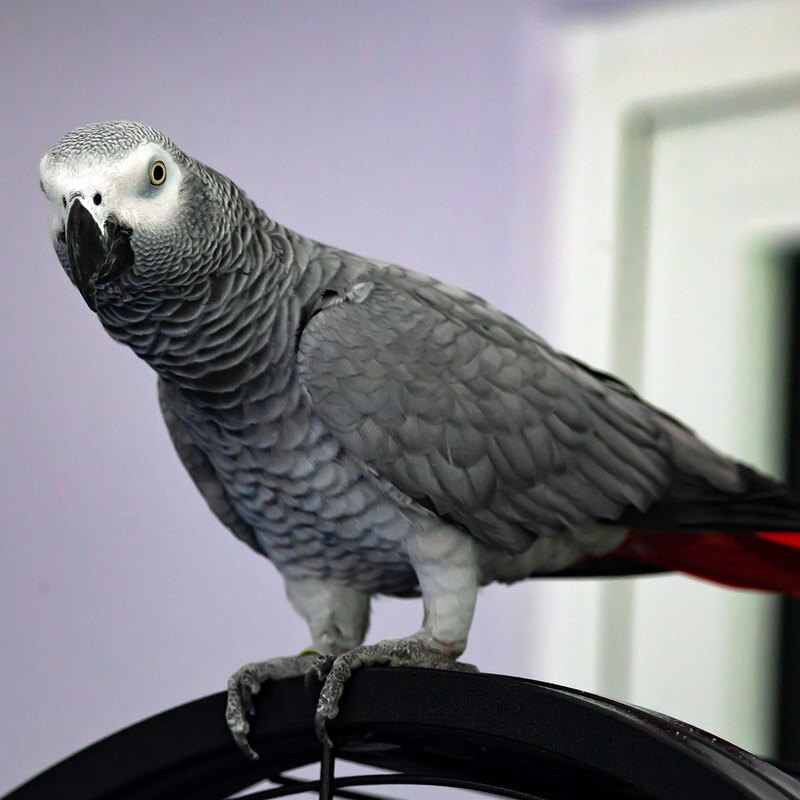
Birds have always fascinated humans with their vibrant colors and melodies. Our interactions with them reveal how these creatures perceive us. Understanding what reassures birds can deepen our bond with them. This knowledge helps create a peaceful coexistence. Let’s explore how birds view human actions.
How Birds Perceive Humans
Birds rely on their keen senses to interpret the world. They observe human behavior closely. Calm and gentle movements often make them feel safe. Loud noises or sudden actions can startle birds. They prefer a quiet environment. A soft voice can also ease their anxiety. Birds watch our body language for signs of threat or safety.
Common Bird Responses To People
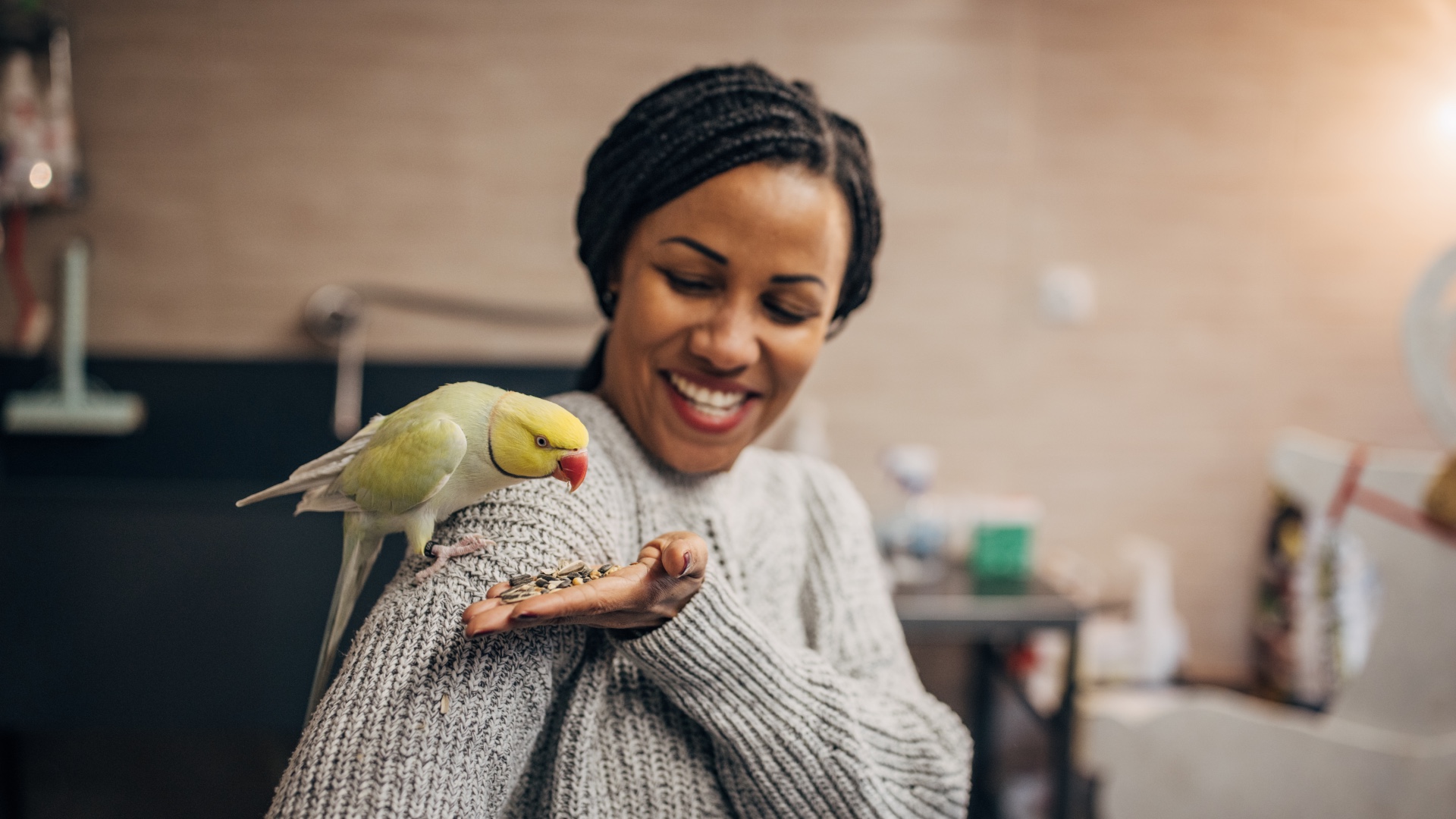
Birds show various responses to human presence. A relaxed bird might sing or preen its feathers. These actions indicate comfort and trust. Some birds might approach for food. This shows they associate humans with positive experiences. On the other hand, a bird may fly away if it feels threatened. It might also give warning calls to alert others. Observing these responses helps us interact more effectively.
Calmness Signals Birds Notice
Birds are incredibly sensitive to the energy and signals humans give off. They pick up on subtle cues that show whether you are a threat or a friend. Calmness is one of the strongest signals you can send to reassure birds, helping you build trust and even encourage them to come closer.
Body Language That Soothes Birds
Your posture plays a huge role in how birds perceive you. Slow, deliberate movements show that you are not a danger. Avoid sudden gestures, as these can startle birds and make them fly away.
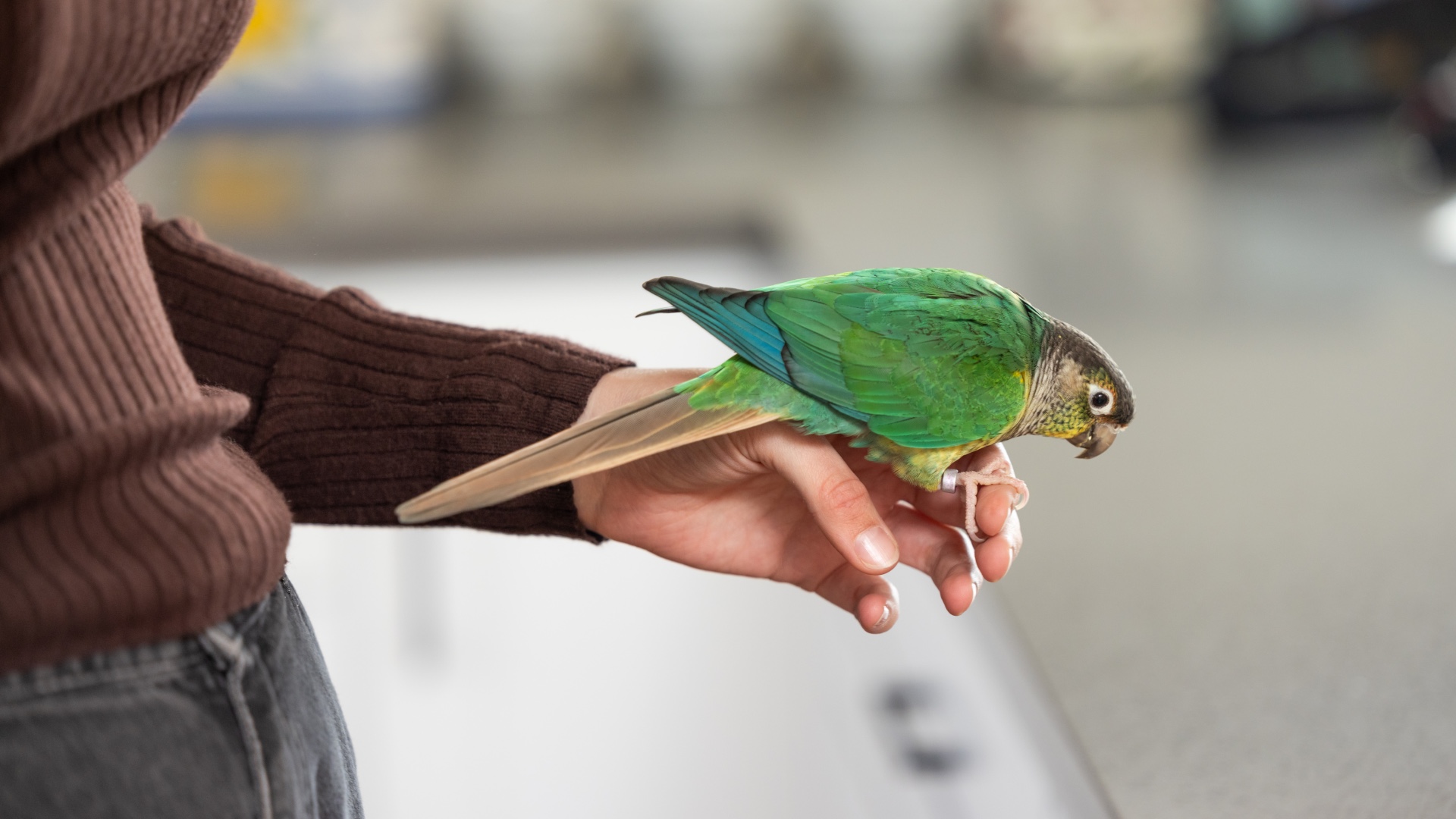
Keeping your body low and turning your side toward the bird can make you appear less threatening. You might notice that birds respond better when you sit quietly or stand still rather than looming over them. Have you ever tried holding your hand out slowly to a bird? That gentle approach often invites curiosity instead of fear.
Voice Tones That Attract Trust
Birds respond well to soft, gentle tones. Speaking in a calm, steady voice can signal safety and friendliness. High-pitched or loud noises usually scare them off quickly.
Try humming or softly calling to birds instead of shouting or clapping. Even a quiet whisper can make a difference. Notice how birds in your garden react when you talk softly versus when you make abrupt sounds. Your voice can be a powerful tool to build a bridge of trust.
Feeding And Approach Habits
Feeding and approach habits play a crucial role in how birds perceive and trust humans. The way you interact with birds during feeding times can either build a bridge of comfort or create a barrier of fear. Understanding these habits can help you foster a peaceful and trusting relationship with your feathered visitors.
Patterns Birds Find Comforting
Birds appreciate consistency in your feeding routines. Offering food at the same time and place each day helps them anticipate your presence without anxiety.
Try using simple gestures like placing food gently and retreating a few steps. This shows you respect their space while signaling that you come with good intentions.
Have you noticed how birds often return to a feeder that you refill regularly? This routine builds their confidence in your approach, making them more likely to visit and stay longer.
Avoiding Sudden Movements
Quick, jerky actions can startle birds and make them wary of you. Moving slowly and deliberately creates a calming atmosphere and reduces their stress.
When approaching a feeding spot, take small steps and avoid reaching out abruptly. This gives birds time to observe and assess you as non-threatening.
Remember, your calm behavior influences their reaction. Ask yourself: does your approach invite trust, or trigger flight?
Credit: www.petsradar.com
Surprising Behaviors Birds Appreciate
Birds are more sensitive to human behavior than many people realize. Certain subtle actions help birds feel safe and comfortable. Understanding these surprising behaviors can improve your bond with birds. It builds trust and reduces their stress around humans.
Mirroring Bird Movements
Birds notice when you copy their movements. Gentle copying helps them feel understood. Slow, calm motions matching their head turns or wing stretches show you are not a threat. It creates a quiet connection.
Try to move at the same pace and rhythm. Avoid sudden or fast gestures. This approach makes birds more relaxed and willing to come closer. Mirroring shows respect for their space.
Using Eye Contact Wisely
Direct staring can scare birds. They see it as a challenge or danger. Soft, brief eye contact works best. Look at them gently, then look away slowly.
Birds appreciate when you blink naturally and soften your gaze. This signals peaceful intentions. Avoid wide-eyed staring or intense gaze. It helps build calm communication.
Building Long-term Trust
Building long-term trust with birds is essential if you want a meaningful and lasting bond. Birds are sensitive to how you act around them, and they notice patterns over time. Trust grows slowly through your daily actions, not just a one-time gesture.
Consistency In Interaction
Birds feel safest when you interact with them in a predictable way. This means feeding, talking, and handling them at regular times and with similar behavior. Sudden changes in your tone or actions can make them anxious and less willing to trust you.
Think about your own experience with animals or even people you trust. Isn’t it easier when you know what to expect? Maintaining a calm, gentle, and steady approach reassures birds that you are reliable and safe.
Respecting Bird Boundaries
Every bird has its own comfort zone. Learning to recognize and respect these limits is key to building trust. If a bird pulls away or shows signs of stress, give it space rather than pushing for interaction.
You might notice certain body language: fluffed feathers, a quick step back, or avoidance. Respecting these signals shows the bird you honor its feelings, making it more likely to approach you on its own terms.
Have you noticed how your own relationships improve when you respect others’ boundaries? Birds respond the same way. Your patience and attentiveness create a safe environment where trust can grow naturally.
Credit: lafeber.com
Benefits Of Reassuring Human Behavior
Reassuring behavior from humans plays a crucial role in how birds perceive and interact with us. When you act in ways that make birds feel safe and calm, it builds trust and fosters a deeper connection. These positive interactions benefit both you and your feathered friends in meaningful ways.
Improved Bird-human Bond
Birds respond well to consistent, gentle actions like slow movements and soft voices. These behaviors show you are not a threat, encouraging them to approach and engage with you. Over time, this builds a strong bond based on trust and mutual respect.
Have you noticed how your bird reacts when you extend a finger calmly? That small gesture can turn into a moment of connection that strengthens your relationship. Patience and kindness often lead to surprising breakthroughs in trust.
Positive Effects On Bird Well-being
Feeling safe around humans reduces stress in birds, which improves their overall health. Stress can cause feather plucking or loss of appetite, but reassuring behavior helps prevent these issues. Your calm presence can make a significant difference in their daily comfort.
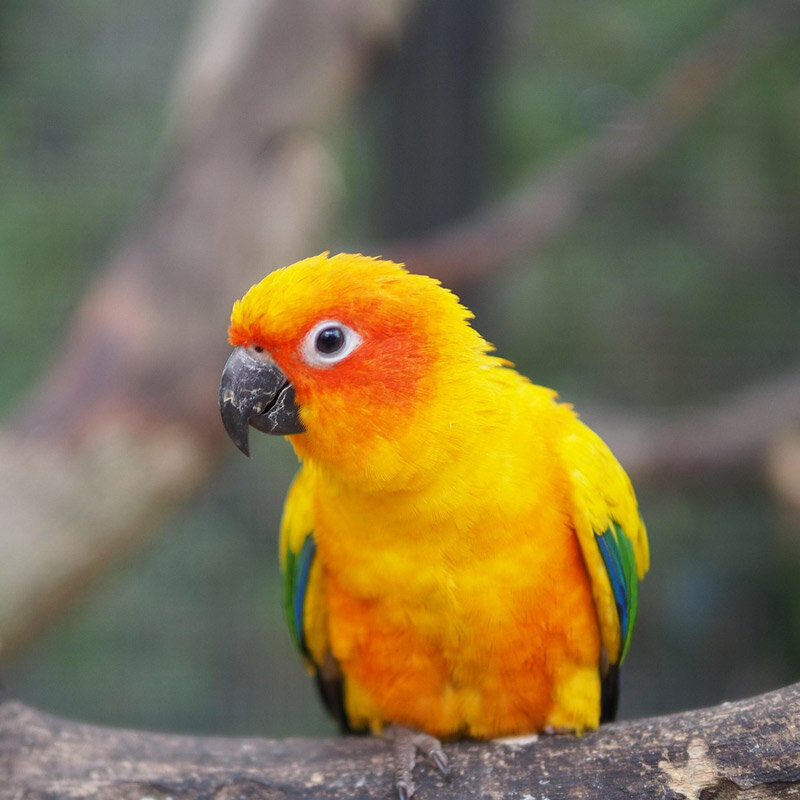
Try observing your bird’s body language for signs of relaxation, like soft eyes or gentle preening. These are clear indicators that your behavior is helping your bird feel secure. What small change can you make today to create a more comforting environment for your bird?
Frequently Asked Questions
What Human Actions Calm Birds The Most?
Birds find slow, gentle movements reassuring. Avoid sudden gestures to prevent startling them. Speaking softly also helps create a calm environment.
How Does Human Body Language Affect Bird Behavior?
Birds read body language carefully. Relaxed postures and steady hands signal safety. Avoid direct eye contact, as it may seem threatening.
Can Birds Sense Human Emotions?
Yes, birds can detect human emotions through tone and gestures. Calm and positive energy makes them feel safe and more likely to approach.
Why Do Birds Prefer Quiet Humans?
Loud noises and shouting scare birds away. Quiet humans create a peaceful setting that encourages birds to stay and interact comfortably.
Conclusion
Birds feel safe around calm and gentle human actions. They notice slow movements and quiet voices. Sudden noises and fast gestures make them nervous. Showing patience helps birds trust you more. Feeding them regularly builds a friendly bond. Watching and respecting their space is key.
Small acts of kindness bring birds closer. These behaviors create a peaceful environment for them. Understanding what birds find reassuring helps us connect with nature. It makes watching and caring for birds more enjoyable. Simple, kind actions speak louder than words.