
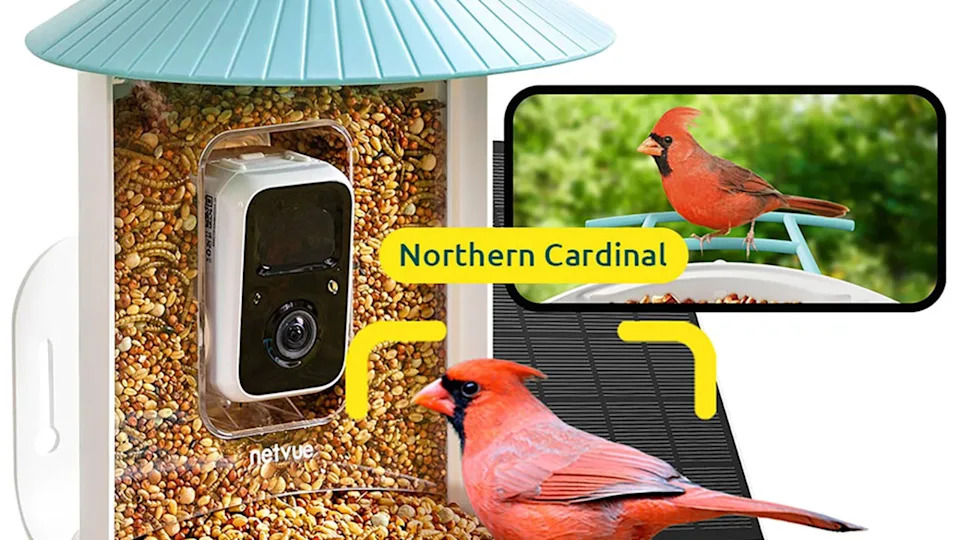
Have you ever wondered what an avid bird watcher is called? If you find yourself pausing to admire a colorful feather or listening closely to bird songs, you might already be one.
But there’s a special name for people like you who are passionate about spotting and studying birds. Knowing this term not only connects you to a larger community but also adds meaning to your hobby. Keep reading to discover what bird watchers are called and why this simple word could change the way you see your passion.

Credit: www.theglobeandmail.com
Avid Bird Watcher Terminology
Bird watching is a popular hobby worldwide. People who love to watch birds often use special terms. These words describe their passion and skills. Understanding these terms helps you join the bird watching community easily.
A Birder
A birder is a person who enjoys watching birds. Birders watch birds as a hobby. They often carry binoculars and field guides to help identify birds. Some birders travel to see rare species.
Ornithologist
An ornithologist studies birds scientifically. They research bird behavior, biology, and ecology. Ornithologists may work in labs, universities, or nature reserves. Their work helps protect bird species worldwide.
Twitcher
A twitcher is a birder who chases rare birds. Twitchers travel fast to see new bird species. They often keep detailed lists of birds they have seen. For twitchers, spotting a rare bird is very exciting.
Birdwatcher
Birdwatcher is a general term for anyone who watches birds. It includes beginners and experts. Birdwatchers enjoy nature and learn about bird species. They often share sightings with others in clubs or online.
Birding Guide
A birding guide helps others find and identify birds. They know local bird species well. Guides often lead tours in forests, parks, or wetlands. Their knowledge enhances the bird watching experience.
Credit: lafeber.com
Birder Vs. Birdwatcher
Understanding the difference between a birder and a birdwatcher can change how you see the hobby. Both terms describe people who enjoy observing birds, but their approach and passion levels often vary. Knowing these distinctions can help you connect better with others in the birding community and deepen your own experience.
What Defines A Birder?
A birder is someone deeply involved in the hobby. They often carry a checklist, aiming to spot as many different species as possible. Their outings are usually planned around bird migration seasons or specific habitats.
Birders often use specialized gear like binoculars, scopes, and field guides. They may travel long distances to see rare birds. The focus is on identification and adding new species to their life list.
Characteristics Of A Birdwatcher
Birdwatchers tend to enjoy observing birds casually, often in their backyard or local park. They appreciate the beauty and behavior of birds without the pressure of spotting many species. Their approach is more about relaxation and enjoyment.
While they might use binoculars, birdwatchers usually don’t keep detailed records. Their experience is more about the moment and less about competition or species count.
How The Terms Overlap And Differ
Both birders and birdwatchers share a love for birds and nature. The main difference lies in the intent and intensity of their observation. Birders are typically more goal-oriented, while birdwatchers focus on enjoyment and connection.
Have you ever found yourself switching between these roles depending on the day? Maybe one outing feels like a casual walk, while another turns into a focused search for a rare species. Recognizing this can make your birding experience richer and more flexible.
Twitcher: The Enthusiast
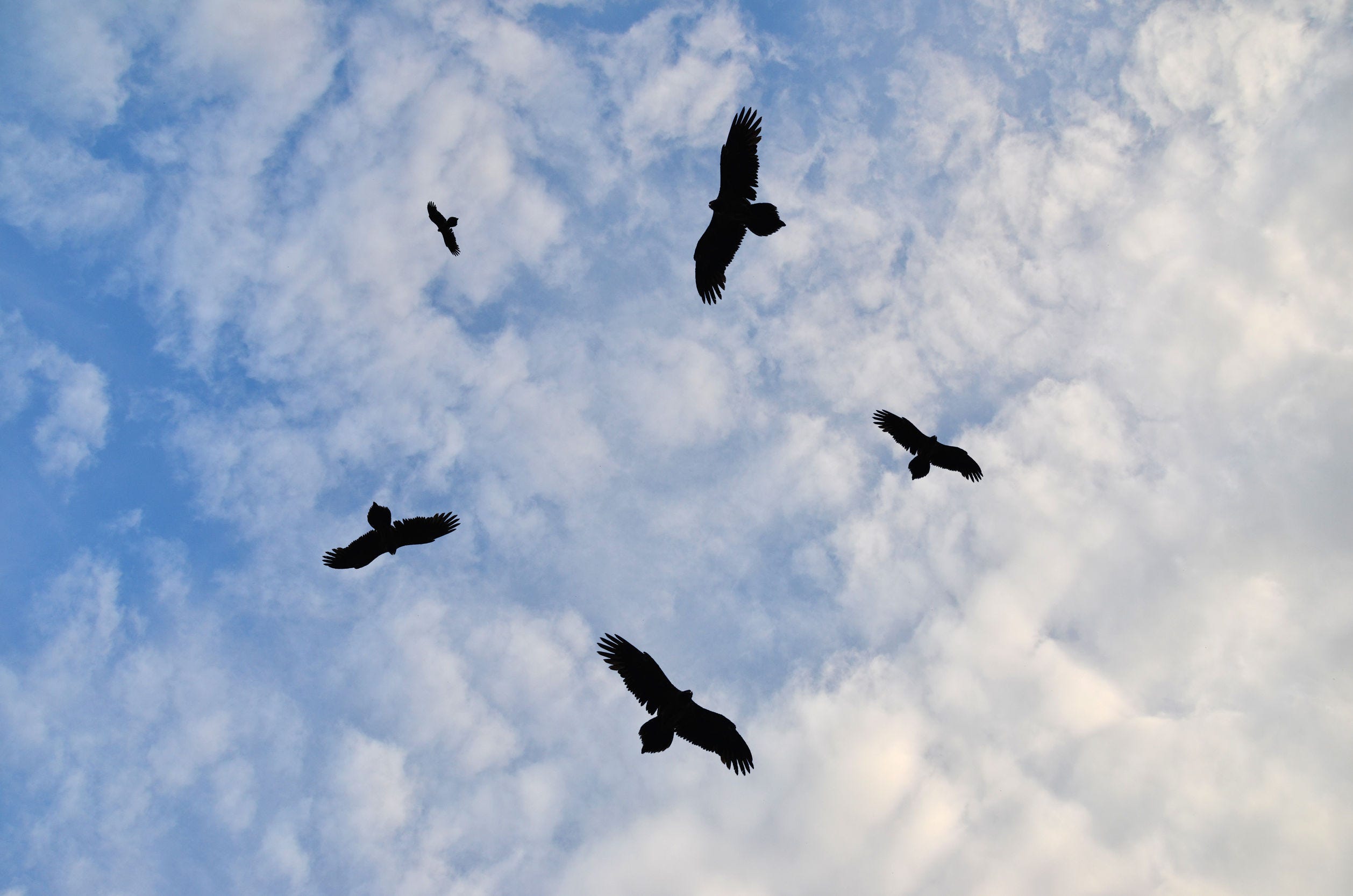
A twitcher is more than just a casual bird watcher. This term refers to someone deeply passionate about spotting rare or unusual birds, often traveling great distances to add a new species to their list. If you find yourself eager to chase down the latest sightings and share your discoveries, you might already have the heart of a twitcher.
The Origins Of The Term Twitcher
The word “twitcher” originated in Britain during the 1950s. It describes the nervous excitement twitchers show when they spot a rare bird. The term captures the thrill and urgency that drive these enthusiasts to act quickly and decisively.
What Sets Twitchers Apart From Regular Bird Watchers?
- Focus on rarity:Twitchers chase birds that are hard to find.
- Competitive spirit:They often keep detailed lists and compete to see who has the most sightings.
- Willingness to travel:Long journeys, sometimes even international trips, are common to catch a glimpse of a rare species.
Have you ever dropped everything to catch a glimpse of something rare? That sense of urgency and passion is exactly what defines a twitcher.
Tools And Techniques Used By Twitchers
Twitchers rely on more than just binoculars. They often use apps and online forums to track real-time sightings. This tech-savvy approach helps them reach the bird’s location faster than ever.
Sound recordings and detailed field notes also play a key role in confirming sightings and sharing information with others.
Why Twitching Can Be A Rewarding Experience
Chasing rare birds pushes you to explore new places and connect with a community of like-minded enthusiasts. The thrill of spotting a rare bird is a unique kind of joy that few other hobbies offer. It sharpens your observation skills and deepens your appreciation for nature’s diversity.
What rare bird would you travel miles to see? That question often sparks the twitching journey.
Credit: medium.com
Ornithologist: The Scientist
When you think of an avid bird watcher, the term “ornithologist” often comes up. But an ornithologist is more than just a passionate observer—they are scientists who study birds in depth. Their work helps us understand bird behavior, habitats, and the impact of environmental changes on bird populations.
What Does An Ornithologist Do?
An ornithologist studies birds through observation, research, and experimentation. They often spend time in the field, tracking migration patterns or recording bird calls. Their findings can influence conservation efforts and guide policies to protect endangered species.
Education And Skills Required
Most ornithologists have degrees in biology, ecology, or environmental science. Strong skills in data collection and analysis are essential. If you enjoy both outdoor adventures and scientific study, this field might be a great fit for you.
How Ornithologists Impact Bird Watching
Ornithologists provide valuable information that enhances bird watching experiences. They identify species, explain behaviors, and share tips on where to find rare birds. Their research can turn casual bird watching into a meaningful and educational activity.
Birding Tools And Equipment
Being an avid bird watcher means more than just spotting birds; it requires the right tools to truly appreciate and identify your feathered friends. The equipment you choose can dramatically enhance your experience and deepen your understanding of bird behavior. Let’s look at some essential birding tools that make every outing more rewarding.
Binoculars And Scopes
Binoculars are a bird watcher’s best friend. They bring distant birds into clear view, allowing you to notice details like plumage and markings. When I first started, a basic pair helped me identify common birds, but upgrading to a higher-quality model revealed colors and behaviors I had never noticed before.
Scopes take this a step further, offering even greater magnification for long-distance viewing. They are perfect for watching birds in open fields or across lakes. If you want to observe small birds without disturbing them, a scope might be worth adding to your gear.
Think about your typical birding locations. Are you near dense woods, or wide-open spaces? This will guide your choice between binoculars and scopes.
Field Guides And Apps
Field guides are invaluable for identifying birds on the spot. A well-organized guidebook with clear pictures and descriptions can help you confirm a bird’s species quickly. I still carry a compact field guide because sometimes technology fails in remote areas.
Apps offer a modern twist, often including bird calls, maps, and user communities. They let you log sightings instantly and learn from others. Have you ever tried an app that recognizes birds by sound? It can transform your understanding of local wildlife.
Combining physical guides with digital tools can give you the best of both worlds. What mix works best for your birding style?
Common Birding Habitats
Bird watchers, often called birders, find joy in observing feathered friends across various habitats. Knowing where to look can boost your chances of spotting rare or colorful species. Let’s dive into some common birding habitats that can transform your bird-watching experience.
Woodlands And Forests
Woodlands and forests offer a rich environment full of life. These areas are home to many songbirds, woodpeckers, and owls.
Birders often find themselves scanning tree branches and listening carefully for calls. Early mornings in these habitats are usually the best time for sightings.
Have you noticed how certain birds prefer the thick canopy, while others stay near the forest floor? Understanding these patterns can help you know where to focus your attention.
Wetlands And Marshes
Wetlands and marshes attract water-loving birds like herons, ducks, and kingfishers. These habitats are buzzing with activity, especially during migration seasons.
Walking along the edges of a marsh, you might spot a hidden nest or a splash as a bird dives for fish. Bringing binoculars and a field guide can make your visits more rewarding.
What’s your strategy for spotting camouflaged birds in these watery landscapes? Patience and quiet observation often pay off.
Urban Areas
Urban areas might seem unlikely for birding, but many species thrive in cities. Pigeons, sparrows, and even hawks can be found near parks, gardens, and rooftops.
Birders who explore cities often discover surprising variety, especially near green spaces. Feeding stations and water sources can attract birds to your own backyard.
How can you make your urban environment more bird-friendly? Small changes like adding bird feeders or planting native shrubs can invite more birds to visit.
Seasonal Birding Patterns
Understanding seasonal birding patterns can transform your experience as an avid bird watcher. Birds don’t stay in one place all year; their movements and behaviors change with the seasons. Knowing when and where to look can help you spot rare species and enjoy the natural rhythm of bird life.
Spring And Fall Migrations
Spring and fall are the busiest times for bird watchers. During these migrations, many species travel thousands of miles between their breeding and wintering grounds. This is your chance to see a wide variety of birds in a short period.
Spring migration often brings vibrant colors and songs as birds return to breed. Fall migration can be more subtle but equally exciting, with flocks gathering before their long journeys. You might spot warblers, hawks, or even rare shorebirds stopping to rest.
Have you noticed how some birds seem to appear suddenly, then vanish? That’s migration in action. Planning your birding trips around these periods increases your chances of spotting unusual species and understanding their life cycles.
Winter Birding
Winter birding offers a different kind of thrill. Many species migrate south, but some tough birds stay behind or arrive from colder regions. This can include hardy waterfowl, woodpeckers, and finches.
Cold weather changes bird behavior. You might see birds gathering around feeders or frozen lakes, providing unique viewing opportunities. Observing their survival strategies can deepen your appreciation of their resilience.
Have you ever wondered how birds cope with freezing temperatures? Watching winter birds can answer that question and inspire you to create bird-friendly habitats during the cold months. Your winter outings can reveal a quieter, more secretive side of bird life.
Birding Ethics And Etiquette
Birding is more than spotting birds. It involves respect and care for nature and fellow bird watchers. Ethics and etiquette guide every avid birder’s actions. They help protect birds and keep the birding community friendly and welcoming.
Respecting Wildlife
Birds are living creatures, not just subjects for photos or lists. Stay quiet to avoid scaring them. Keep a safe distance to prevent stress or harm. Avoid touching nests or disturbing habitats. Use binoculars or cameras with zoom to observe closely without intruding. Never feed wild birds, as it changes their natural behavior. Always follow local rules and protected area guidelines. Respecting wildlife keeps bird populations healthy and thriving.
Interacting With Other Birders
Birding often happens in groups or public places. Be polite and patient with others. Share good sightings without crowding or rushing. Avoid loud noises or sudden movements. Give space to photographers and those with equipment. Offer help to beginners or new birders. Use apps or forums to share tips and sightings respectfully. Friendly interactions build a strong and supportive birding community.
Birding Organizations And Communities
Birding organizations and communities play a vital role in connecting avid bird watchers, or birders, from all walks of life. These groups offer a space to share sightings, learn new skills, and participate in bird conservation efforts. Joining one can transform your bird watching experience from a solitary hobby into an exciting, social adventure.
National Audubon Society
The National Audubon Society is one of the most well-known birding organizations in the United States. It offers educational programs, bird counts, and local chapters you can join to meet fellow birders. Imagine spotting a rare warbler and instantly sharing your excitement with a group that understands your passion.
Birdlife International
BirdLife International is a global partnership focused on bird conservation. By joining, you gain access to worldwide bird watching events and data that help protect endangered species. Have you ever wondered how your bird sightings could contribute to saving habitats around the world?
Local Birding Clubs
Local birding clubs provide regular meet-ups, guided walks, and workshops tailored to your area’s bird species. They are perfect for beginners and experts alike, offering hands-on learning and friendship. Think about how much more you could learn by sharing your binoculars and tips with others who know your local birds well.
Online Birding Communities
Platforms like eBird and BirdForum connect birders digitally, allowing you to log sightings and discuss identification challenges anytime. These communities often host photo contests and live chats that keep you engaged daily. How much could your birding skills improve with instant feedback from experts around the globe?
Popular Birding Destinations
Bird watchers, or birders, often seek out the best places to observe a wide variety of species in their natural habitats. Popular birding destinations offer unique environments where you can see rare and colorful birds. These spots invite you to connect deeply with nature and sharpen your bird identification skills.
Point Reyes National Seashore, California
Point Reyes is a haven for birders looking to spot shorebirds, raptors, and songbirds. The mix of coastal cliffs, forests, and wetlands creates diverse habitats. You might catch sight of the endangered California condor or the elusive snowy plover here.
Visiting during spring migration increases your chances of seeing many species pass through. Have you checked your binoculars lately?
Kruger National Park, South Africa
Kruger is not just for big game; it’s a paradise for bird watchers too. Over 500 bird species live here, including the vibrant lilac-breasted roller and the imposing saddle-billed stork.
Walking safaris offer a unique way to spot birds up close. What bird would you want to see on foot?
Manu National Park, Peru
Manu National Park holds some of the richest bird diversity on Earth. Tap into your adventurous side as you journey through Amazon rainforest and cloud forest.
This is the place to find rare species like the harpy eagle and the cock-of-the-rock. How far would you travel to see such wonders?
Daintree Rainforest, Australia
Daintree offers an ancient landscape filled with tropical birds. Colorful cassowaries and rainbow lorikeets make this a thrilling destination for any birder.
The rainforest’s dense canopy challenges your spotting skills—are you ready to look up?
Lake Nakuru, Kenya
Lake Nakuru is famous for its flamingo populations that turn the shores pink. The alkaline lake supports thousands of birds including pelicans, cormorants, and fish eagles.
Visiting during the dry season provides great viewing conditions. Would you rather see a flamingo or a fish eagle swoop?
Frequently Asked Questions
What Is An Avid Bird Watcher Called?
An avid bird watcher is called a “birdwatcher” or “birder. ” They observe birds in their natural habitat. Birders enjoy identifying species and studying bird behavior. This hobby is popular worldwide and promotes wildlife conservation.
How Do Birdwatchers Identify Different Birds?
Birdwatchers use field guides, binoculars, and apps to identify birds. They observe bird size, color, song, and behavior. Experience helps improve identification skills. Many birders keep journals to track sightings and learn more.
Why Is Birdwatching Considered A Popular Hobby?
Birdwatching is relaxing, educational, and connects people with nature. It requires minimal equipment and can be done anywhere. This hobby encourages outdoor activity and promotes environmental awareness. Birders often join clubs to share experiences.
What Skills Do Avid Bird Watchers Develop?
Birdwatchers develop keen observation and patience. They learn to identify species by sight and sound. This hobby enhances knowledge of ecosystems and bird behavior. Birders also improve their photography and note-taking skills.
Conclusion
Avid bird watchers are called birders. They enjoy watching birds in nature. Birding helps people relax and learn about wildlife. Many join groups to share this hobby. It takes patience and a keen eye. Anyone can start birding with simple tools.
The joy comes from spotting different bird species. Bird watching connects people with the outdoors. It’s a fun way to explore nature’s beauty. Give birding a try and see the world differently.