
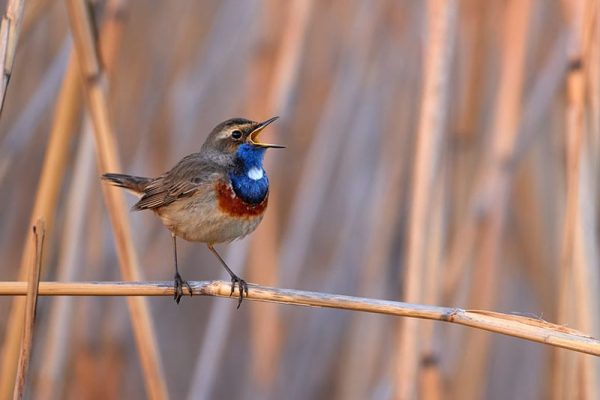
Have you ever found yourself fascinated by the sight of a bird perched high on a tree or soaring across the sky? If you love observing these feathered creatures, you might be called a bird watcher.
But did you know there are other words that mean the same thing? Discovering these different terms can make your passion even more exciting and help you connect with others who share your interest. Keep reading to find out what another word for bird watcher is—and why it matters to you.

Credit: en.wikipedia.org
Common Synonyms For Bird Watcher
When you’re out in nature, watching birds flit from branch to branch, you might wonder what else people call a “bird watcher.” There are several common synonyms that capture this passion for observing birds. These words can reflect different aspects of the hobby or the level of expertise involved.
Ornithologist
Many people use “ornithologist” as a synonym for bird watcher, but it actually refers to someone who studies birds scientifically. If you’re just starting your bird watching journey, you might not call yourself an ornithologist yet. However, if you dive deep into bird behavior and biology, this term might fit you perfectly.
Birding Enthusiast
“Birding enthusiast” is a popular and friendly term. It captures your excitement and dedication without implying professional study. If you enjoy tracking new species during your weekend hikes, this phrase suits you well.
Bird Lover
Calling yourself a “bird lover” shows your affection for birds beyond just watching them. Maybe you enjoy feeding birds in your backyard or learning about their songs. This term reflects a personal connection rather than a strict hobby.
Birdwatcher
The simplest synonym is “birdwatcher,” written as one word. It’s the most straightforward and widely recognized term. If you’re sharing your hobby with friends, this word keeps things clear and casual.
Avian Observer
“Avian observer” sounds a bit more formal but is another way to describe someone who watches birds. This phrase might appeal to you if you prefer a scientific tone without the full weight of “ornithologist.”
Which of these terms feels right for you? Your choice might say a lot about how you see your hobby and your relationship with the birds you watch.
Ornithologist Vs Bird Enthusiast
Understanding the difference between an ornithologist and a bird enthusiast can help you find the right word to describe your passion for bird watching. Both terms relate to people who love birds, but their approach, knowledge, and involvement vary significantly. Knowing these differences might even change how you see your own bird-watching journey.
What Defines An Ornithologist?
An ornithologist is a scientist who studies birds professionally. Their work involves research, data collection, and often teaching or publishing findings about bird behavior, ecology, and conservation. If you enjoy bird watching but also want to contribute to scientific knowledge, this could be a goal to aim for.
Ornithologists usually have formal education in biology or environmental science. They spend time in the field, but also in labs or offices analyzing data. Have you ever wondered how much of bird watching is science and how much is just enjoyment? Ornithologists blend both.
Who Is A Bird Enthusiast?
A bird enthusiast watches birds for pleasure and personal interest rather than scientific study. This term fits perfectly if you enjoy identifying birds, photographing them, or simply appreciating their beauty in your backyard or on a hike. You don’t need a degree or specialized knowledge to be a bird enthusiast.
Many bird enthusiasts keep journals or participate in local birdwatching groups. They might not conduct formal research, but their observations can still be valuable. Have you ever recorded a rare bird sighting just to share with friends? That’s the spirit of enthusiasm at work.
Key Differences Between Ornithologists And Bird Enthusiasts
| Aspect | Ornithologist | Bird Enthusiast |
|---|---|---|
| Purpose | Scientific study and research | Enjoyment and personal interest |
| Education | Usually formal training in biology or related fields | No formal education required |
| Activities | Fieldwork, data analysis, publishing | Birdwatching, photography, casual observation |
| Impact | Contributes to scientific knowledge and conservation | Raises awareness and appreciation of birds |
Which side do you find yourself on? Are you more focused on understanding birds deeply or simply enjoying their presence? Your answer might help you choose the most fitting word for your bird-watching passion.
Twitcher: A Popular Term
The term “twitcher” is a popular word for a bird watcher. It often describes people who travel far to see rare birds. Twitchers are very passionate about spotting new bird species. They keep lists and share sightings with others. This term is common in the UK and among serious bird enthusiasts.
Twitcher Vs. Bird Watcher
Twitchers usually seek rare birds quickly. Bird watchers may watch birds casually near home. Twitchers often travel long distances. Bird watchers enjoy observing birds in nature. Both love birds but have different styles.
Origin Of The Term Twitcher
The word “twitcher” comes from the twitching behavior. It refers to the nervous movement of birders spotting rare birds. It became popular in the 1950s in England. The term reflects excitement and urgency.
Why Twitchers Are Important
- Twitchers help track rare bird movements.
- They contribute to bird conservation efforts.
- They share valuable information with scientists.
- Twitchers support bird watching communities.
Common Traits Of A Twitcher
- Strong knowledge of bird species
- Quick travel to bird locations
- Use of binoculars and cameras
- Keeping detailed bird sighting lists
Birder: Modern Usage And Meaning
The term “birder” has become popular in recent years among bird watchers. It describes someone who enjoys watching and identifying birds as a hobby or passion. Birders often carry binoculars and field guides to help spot and learn about different bird species.
This word is shorter and easier to say than “bird watcher.” It feels more modern and active, highlighting the enthusiasm of those who watch birds regularly. Birders often connect with others through clubs and online communities to share sightings and tips.
Origins And Popularity Of The Term Birder
“Birder” grew in use during the late 20th century. It emerged as bird watching turned into a more organized activity. The term appeals to people who want a simple, catchy way to describe their interest.
Birding guides, magazines, and websites use “birder” frequently. It reflects a growing, global community of people who enjoy birding as a serious hobby.
Birder Vs. Bird Watcher: A Subtle Difference
Both words mean nearly the same, but “birder” suggests more active involvement. Bird watchers might casually observe birds, while birders often track species and record their finds.
Birders may participate in bird counts or travel to see rare species. The word fits a more engaged and dedicated audience.
Why Use Birder In Everyday Language?
- It sounds modern and less formal.
- It appeals to younger people and hobbyists.
- It fits well in social media and casual conversations.
- It emphasizes passion and active participation.
Avian Observer: A Formal Term
The term Avian Observersounds more formal and scientific than “bird watcher.” It highlights a serious interest in studying birds. This phrase fits well in academic and professional settings. It suggests careful attention to bird behavior and habitats.
Using “avian” connects the term directly to birds, as “avian” relates to all bird species. This makes the phrase clear and precise for readers. “Observer” implies watching with focus and patience. Together, they create a respectful title for someone who studies birds.
Meaning Of Avian Observer
An avian observer is a person who watches and studies birds. This term often applies to experts or enthusiasts who note bird species. It reflects a deeper knowledge of birds than casual watching.
Where To Use Avian Observer
This term fits well in scientific papers and nature reports. Bird conservation groups also use it to describe their members. It sounds professional in birdwatching clubs or educational materials.
Benefits Of Using Avian Observer
- Shows respect for the activity
- Highlights knowledge and dedication
- Sounds professional and clear
- Useful in formal writing and talks

Credit: appadvice.com
Birding Hobbyist: A Casual Approach
The term “birding hobbyist” describes someone who enjoys watching birds casually. This approach to bird watching focuses on fun and relaxation rather than strict rules or serious study. Birding hobbyists often explore nature simply to enjoy the sights and sounds of birds around them.
Birding as a hobby can be done anywhere, from city parks to quiet forests. It does not require expensive equipment or deep knowledge. A pair of binoculars and a basic bird guide can be enough to start. Many birding hobbyists enjoy sharing their experiences with friends or family.
Simple Tools For Birding Hobbyists
- Binoculars for clear viewing
- Bird identification guidebooks
- Notebook for recording sightings
- Smartphone apps for bird calls and photos
Places To Enjoy Casual Birding
- Local parks and gardens
- Backyards and balconies
- Nature trails and reserves
- Lakes and riversides
Benefits Of Being A Birding Hobbyist
- Reduces stress and improves mood
- Encourages outdoor physical activity
- Increases awareness of local wildlife
- Builds patience and observation skills
Regional Variations In Terminology
Different regions have unique words for bird watchers. These terms reflect local culture and language. Understanding these variations helps connect with bird enthusiasts worldwide.
Even though the hobby is the same, the names differ by place. Some words are formal, others casual or slang. Let’s explore some common regional terms for bird watchers.
British English Terms For Bird Watchers
In the UK, the word “twitcher” is popular. It refers to someone who chases rare birds. The term “birdwatcher” is also common and widely accepted.
American English Variations
In the United States, “birder” is the most used term. It sounds casual and friendly. “Bird watcher” is also understood but less trendy among enthusiasts.
Australian And New Zealand Terminology
Australians and New Zealanders often say “bird lover” or simply “birder.” The word “twitcher” is less common here. Local bird names also influence the hobby’s language.
Other Global Expressions
In some European countries, bird watchers are called “ornithologists” even if they are amateurs. In South America, words vary by language but usually translate to “bird lover” or “bird observer.”

Credit: dictionary.cambridge.org
Cultural Influences On Bird Watching Terms
Bird watching is a hobby that crosses borders and cultures, but the words people use to describe it can vary widely. Different cultures bring their own history, language, and perspective to the practice, shaping the terms for those who watch birds. Understanding these influences can deepen your appreciation for the global community of bird enthusiasts.
Cultural Roots Shape Bird Watching Vocabulary
In many cultures, the names for bird watchers reflect local traditions and values. For example, in Japan, bird watchers are often called “tori-zuki”, which translates to “bird lover.” This term emphasizes affection rather than just observation.
Have you noticed how some cultures highlight the spiritual connection with nature? Indigenous communities in North America might refer to bird watchers in terms that connect to storytelling or ancestral knowledge, showing respect for birds as messengers or guides.
Language And Regional Variations
Language influences how you might hear bird watching described around the world. In the UK and Australia, terms like “birdwatcher”and “twitcher”are common, with “twitcher” specifically referring to those who travel far to see rare birds.
Spanish-speaking countries often use “pajarero”or “observador de aves”, straightforward terms meaning “bird person” or “bird observer.” These words focus on the act of watching, showing how practical language can be.
How Cultural Attitudes Influence Terminology
Your culture’s attitude toward wildlife affects how bird watchers are seen and named. In some places, bird watching is a respected scientific pursuit, leading to formal titles like ornithologistfor serious enthusiasts.
In other regions, it might be a casual pastime, and the terms used might carry a lighter tone or even playful nicknames. Think about how your own community views bird watching—does the language around it inspire you to learn more or keep it casual?
Impact Of Media On Terminology
The media shapes how people talk about bird watchers. Words used in newspapers, TV shows, and online platforms influence popular terms. This impact changes the way the public understands and describes the activity. New phrases may become common because of media exposure.
Media also highlights different aspects of bird watching. It can focus on the hobby’s excitement, nature connection, or scientific value. Each focus brings new words and expressions that catch on quickly. These terms often reflect current trends and cultural shifts.
Television’s Role In Popularizing Bird Watching Terms
TV programs reach a wide audience. Nature documentaries and wildlife shows introduce terms like “bird enthusiast” and “avian observer.” These words feel friendly and easy to understand. TV often avoids technical jargon to keep viewers interested.
Social Media And New Nicknames
Social media platforms create quick, catchy nicknames. Bird watchers may be called “birder” or “bird nerd.” These terms spread fast through posts, hashtags, and comments. Social media encourages informal language and creativity.
Impact Of Print Media On Formal Language
Magazines and books tend to use formal language. They often prefer “ornithologist” or “birding enthusiast.” Print media targets serious hobbyists and researchers. This formality adds respect and depth to the terms used.
Online Forums And Community Influence
Online forums bring bird watchers together worldwide. They share experiences and develop shared language. Terms like “bird watcher” and “birding hobbyist” become standard. Forums allow for discussion and acceptance of new words.
Frequently Asked Questions
What Is Another Word For Bird Watcher?
Another word for bird watcher is “birdwatcher,” “birder,” or “ornithologist. ” Birders observe and study birds in their natural habitats for enjoyment or research.
How Do Birders Differ From Ornithologists?
Birders enjoy watching birds as a hobby, while ornithologists study birds scientifically. Both terms relate to bird observation but differ in purpose.
What Terms Describe People Who Observe Birds?
Common terms include “birdwatcher,” “birder,” and “bird enthusiast. ” These words describe individuals passionate about spotting and identifying bird species.
Can Bird Watchers Be Called Birders?
Yes, “birder” is a popular and informal term for bird watchers. It emphasizes active participation in bird observation and identification.
Conclusion
Bird watchers have many names, like birders or ornithologists. Each word shows a special way to enjoy birds. Using different terms can make your writing clear and fun. Remember, anyone who loves watching birds can be called by these names.
Keep exploring nature and enjoy the beauty of birds every day. Words help us share this passion with others easily.