
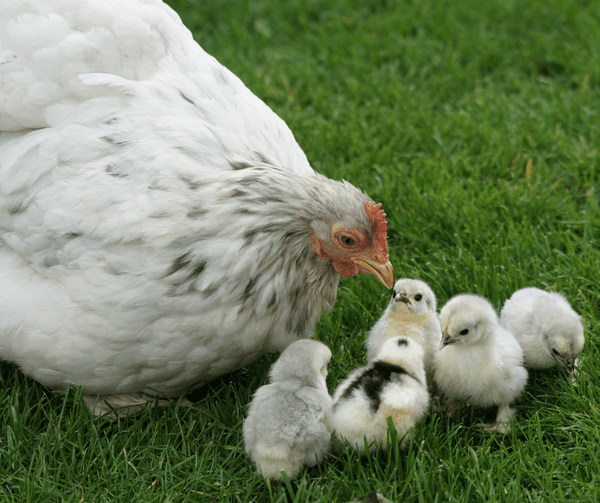
Have you ever noticed your pet bird sitting quietly on its nest, refusing to leave even for food? That’s broody behavior, and it’s a fascinating part of how birds act naturally.
Understanding this behavior can help you take better care of your feathered friend and know what to expect when they become broody. You’ll discover what broody behavior really means, why it happens, and how it affects your bird’s health and mood.
Keep reading to unlock the secrets behind your bird’s nesting instincts and learn how to respond in the best way.
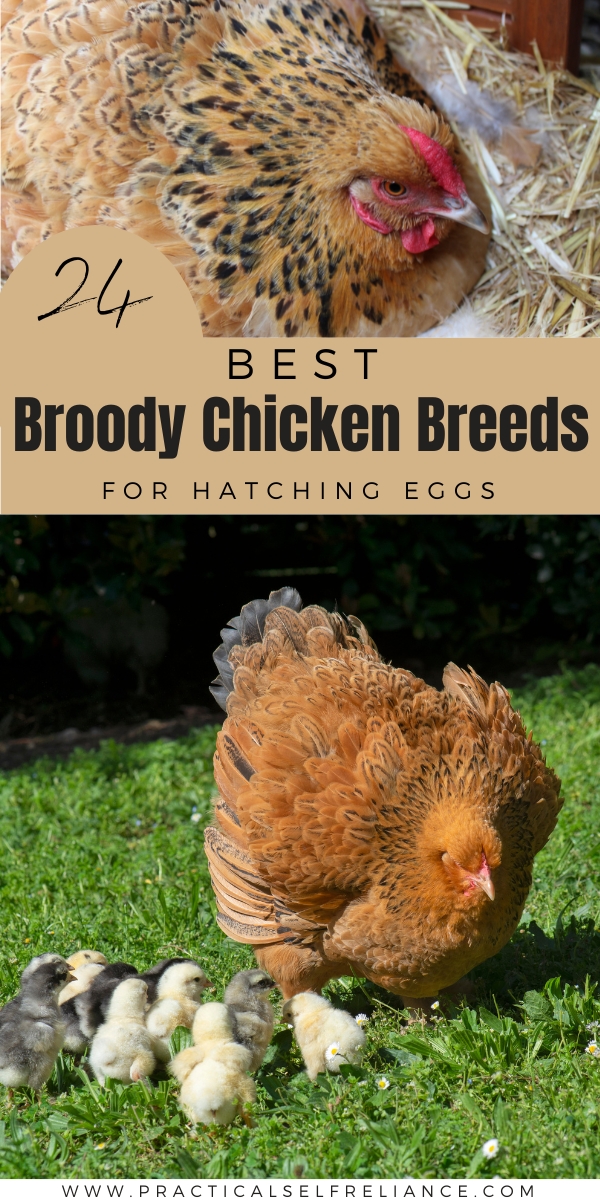
Credit: practicalselfreliance.com
Broody Behavior Explained
Broody behavior in birds is a fascinating aspect of avian life that captures the attention of bird enthusiasts and pet owners alike. This behavior is often seen in female birds when they exhibit a strong instinct to hatch eggs and care for their young. Understanding broody behavior is essential for anyone caring for birds, as it impacts their health and daily routines.
What Triggers Broodiness
Broodiness is primarily triggered by hormonal changes in birds. These changes are often influenced by environmental factors such as the lengthening of daylight hours in spring. Some birds may also become broody due to the presence of eggs in their nesting area.
Have you noticed your bird spending more time in its nest or getting protective over its space? This could be a sign that the natural triggers for broodiness have been activated. It’s a unique process that varies with each bird species.
Common Signs To Watch For
Recognizing the signs of broodiness can help you provide better care for your feathered friend. A broody bird will often spend excessive time sitting on eggs or in the nesting area, even if no eggs are present. You might observe it fluffing its feathers more frequently and becoming more aggressive or protective.
- Excessive nesting
- Feather plucking to line the nest
- Increased vocalizations
- Changes in appetite
Have you ever noticed your bird refusing to leave the nest, even for food? This can be a clear indication of broody behavior. Understanding these signs allows you to manage their environment and ensure their well-being.

Credit: mannapro.com
Biological Causes
Broody behavior in birds is largely driven by biological factors that prepare them to incubate eggs and care for their future chicks. Understanding these causes can help you better recognize why your pet bird might suddenly start acting differently, such as sitting persistently on a nest or becoming more aggressive. Let’s break down the main biological triggers behind this fascinating instinct.
Hormonal Changes
Hormones play a crucial role in triggering broody behavior. When a female bird’s body detects the right conditions, hormone levels like prolactin and progesterone rise, prompting her to start nesting activities.
This hormonal surge causes physical and behavioral changes, such as fluffing up feathers to keep eggs warm and becoming protective of the nesting area. Have you noticed your bird acting more territorial or spending more time in one spot? These are clear signs of hormone-driven broodiness.
Environmental Influences
The environment around your bird can strongly influence broody behavior. Factors like the length of daylight, temperature, and availability of nesting materials signal to the bird that it’s time to reproduce.
For example, longer days in spring or early summer often trigger nesting instincts. Providing a cozy nest box or soft materials can unintentionally encourage broodiness. Are you unintentionally creating the perfect setting for your bird to go broody?
Impact On Bird Health
Broody behavior in birds can significantly affect their health. This instinctive drive to incubate eggs and care for chicks often leads to changes that impact both the body and mind. Understanding these effects helps you support your bird’s well-being during this demanding phase.
Physical Effects
When a bird becomes broody, it may stop eating as much as usual. This reduction in food intake can cause noticeable weight loss and weakness. You might see your bird spending long hours sitting on the nest, barely moving, which lowers its overall activity level.
Broody birds also experience hormonal shifts that can affect their immune system. This makes them more vulnerable to infections or illnesses. Have you noticed your bird looking less vibrant or having dull feathers during broody periods? This is often a sign of physical stress.
Behavioral Changes
Broody birds often become more aggressive or territorial. They may snap or hiss if you try to disturb their nest area. This behavior is natural but can be challenging if you need to handle your bird for health checks or cleaning.
Additionally, a broody bird may become withdrawn and less interested in socializing. You may find your usually playful bird sitting quietly, focused only on the nest. These changes can impact your interaction and bonding with your pet.
Have you experienced these shifts in your bird’s mood or habits? Recognizing these signs early allows you to adjust care routines and offer extra support during the broody phase.

Credit: www.youtube.com
Managing Broody Birds
Managing broody birds can be challenging but rewarding. Broodiness is a natural instinct, yet it can disrupt your flock’s productivity and health if not handled properly. Understanding how to prevent and break the broody cycle helps you keep your birds comfortable and your eggs in use.
Preventing Broodiness
Stopping broodiness before it starts saves you time and stress. One effective way is to limit your hen’s exposure to warm, cozy nesting spots. Cold, less inviting nest boxes discourage the urge to sit on eggs endlessly.
Another tip is to keep your hens active. Provide plenty of space to roam and forage. Busy birds are less likely to become broody because they stay focused on exploring rather than nesting.
Remove eggs frequently from the nest. If hens see eggs piling up, they are more likely to become broody. Checking nests two to three times a day can make a big difference.
Breaking The Broody Cycle
If your hen has already started brooding, you can try to break the cycle with gentle but firm actions. One approach is to remove her from the nesting area for several hours daily. This interrupts her sitting routine and confuses her natural instincts.
Changing the environment helps too. Moving the broody hen to a cooler, less comfortable spot can discourage prolonged sitting. Some keepers use shallow water baths to cool the hen down, though it must be done carefully to avoid stress.
Keep a close eye on her health. Broody hens can become lethargic or lose weight. Offering fresh water and nutritious food encourages her to regain energy and break free from broodiness sooner.
Natural Solutions
Natural solutions help manage broody behavior in birds gently and effectively. These methods support the bird’s instincts without causing stress. They encourage healthy habits and balance in the bird’s environment.
Encouraging Nesting Alternatives
Offer safe, comfortable nesting spots away from usual places. Use soft materials like shredded paper or cloth for nests. Change the location often to divert the bird’s focus. Provide toys and perches to keep the bird active. These steps reduce excessive nesting urges.
Adjusting Diet And Environment
Modify the bird’s diet with more fresh fruits and vegetables. Limit high-protein foods that may trigger broodiness. Keep the cage bright and well-ventilated to lift the bird’s mood. Increase daily playtime to reduce nesting obsession. These changes help balance hormones naturally.
When To Seek Help
Knowing when to seek help for your broody bird is crucial to ensure their health and well-being. Broody behavior can sometimes mask underlying problems or lead to stress that affects your bird’s condition. Paying close attention to changes in behavior and physical signs can help you decide the right moment to intervene.
Signs Of Stress Or Illness
Watch for signs like excessive feather plucking, loss of appetite, or unusual lethargy. If your bird becomes aggressive or overly withdrawn, these can also indicate distress. Changes in droppings or breathing difficulties are red flags that shouldn’t be ignored.
Have you noticed your usually active bird suddenly hiding or refusing to eat? These subtle signs often point to health issues behind broody behavior. Acting early can prevent minor problems from turning serious.
Veterinary Options
When you see persistent signs of stress or illness, consulting an avian veterinarian is your best move. They can assess if the broody behavior is linked to hormonal imbalances, infections, or other medical issues. Sometimes, simple treatments or environmental changes can make a big difference.
Don’t hesitate to ask your vet about safe ways to manage broodiness and improve your bird’s comfort. Remember, professional advice can save your bird from unnecessary suffering and help you provide better care. What questions will you ask your vet the next time you visit?
Frequently Asked Questions
What Is Broody Behavior In Birds?
Broody behavior is when a bird wants to hatch eggs. It sits on eggs continuously to keep them warm. This behavior shows the bird’s maternal instinct and desire to raise chicks.
Why Do Birds Become Broody?
Birds become broody due to hormonal changes during breeding season. It helps them incubate eggs and protect their future chicks. This behavior ensures successful reproduction and survival of their offspring.
How Long Does Broody Behavior Last?
Broody behavior typically lasts about 3 to 4 weeks. This period matches the natural incubation time for eggs. Birds stay on eggs continuously until chicks hatch.
Can Broody Behavior Harm Pet Birds?
Yes, prolonged broody behavior can cause health issues in pet birds. It may lead to weight loss and exhaustion. Owners should monitor and manage broody birds carefully.
Conclusion
Broody behavior shows a bird’s natural instinct to hatch eggs. It means the bird wants to sit on eggs and keep them warm. This behavior can affect pet birds and backyard flocks. Knowing the signs helps you care for broody birds properly.
It also helps you decide when to let them rest. Broodiness is a normal part of bird life. Understanding it makes bird care easier and more enjoyable.