

When you head out to watch birds, what you wear can make all the difference. The right clothes keep you comfortable, help you blend into nature, and let you enjoy every moment without distractions.
You might not realize it, but choosing the best clothing for bird watching can help you see more birds and stay out longer. Curious about what to wear to make your bird watching trips better? Keep reading, and you’ll discover simple tips that can change the way you experience the outdoors.
Choosing The Right Colors
Bird watching requires careful consideration of clothing colors. Birds notice colors, so wearing the right shades helps you blend in. This improves your chances of observing birds up close.
Earth Tones For Blending In
Earth tones like brown, green, and beige mimic natural surroundings. They help you blend into the landscape. This makes it easier to approach birds without startling them. Wearing these shades allows you to become part of the environment.
Avoiding Bright Colors
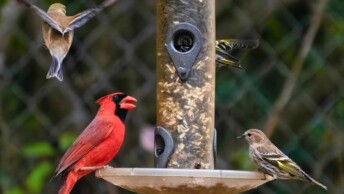
Bright colors like red, yellow, and orange are highly visible. Birds perceive them as a threat or danger. Avoiding these hues reduces the chance of scaring birds away. Stick to muted colors for a more successful bird watching experience.
Seasonal Color Considerations
Seasons affect natural surroundings and your clothing choices. In spring and summer, opt for lighter greens and khaki. These blend well with blooming foliage. During autumn and winter, choose darker greens and browns. These mimic the bare and muted landscapes.
Credit: avibirds.com
Fabric Types To Consider
Choosing the right fabric is key for a comfortable bird watching experience. Fabrics affect how you feel during long hours outdoors. They control moisture, temperature, and breathability. Picking suitable materials helps you stay focused on spotting birds, not on discomfort.
Breathable Materials
Breathable fabrics allow air to flow through the clothing. This keeps your skin cool and dry. Cotton and lightweight linen are good examples. They help prevent sweat build-up. Breathable materials reduce the risk of overheating during warm weather outings.
Quick-dry Fabrics
Quick-dry fabrics wick moisture away from the skin. They dry fast after rain or sweat. Polyester and nylon blends are popular choices. These fabrics keep you comfortable by reducing dampness. Quick-dry clothing is essential in humid or wet conditions.
Insulating Layers For Cold Weather
Insulating fabrics trap body heat to keep you warm. Fleece and wool are common insulating layers. These fabrics work well in chilly mornings or winter bird watching. Layering with insulating materials helps maintain body warmth without bulk.
Essential Clothing Items
Choosing the right clothes for bird watching is important. The right clothing keeps you comfortable and ready for a long day outside. It helps protect you from bugs, sun, and changing weather. Picking essential items makes your bird watching trips more enjoyable.
Comfortable Pants And Shorts
Wear pants or shorts that let you move freely. Lightweight and breathable fabrics work best. Choose colors like green, brown, or tan to blend with nature. Avoid bright colors that might scare birds away. Pants with pockets help carry small tools or snacks.
Long-sleeve Shirts
Long sleeves protect your skin from sun and insect bites. Pick shirts made of thin, quick-dry material. Light colors reflect sunlight and keep you cool. Shirts with ventilation help air flow to your skin. Roll up sleeves if it gets warm.
Weather-appropriate Outerwear
Outerwear must match the weather for comfort and safety. Choose a lightweight rain jacket for wet days. Windbreakers keep you warm on breezy mornings. In cold weather, wear layers that you can add or remove. Look for water-resistant and breathable materials.
Credit: avibirds.com
Footwear For Bird Watching
Choosing the right footwear for bird watching can make a big difference in your comfort and mobility. The right shoes help you walk quietly, stay stable on uneven ground, and protect your feet from moisture and rough terrain. Let’s break down what you should consider when picking footwear for your birding adventures.
Hiking Boots Vs. Trail Shoes
Hiking boots offer strong ankle support and protection, which is great if you’re trekking through dense forests or rocky paths. They tend to be heavier but can prevent injuries on uneven ground. Trail shoes, on the other hand, are lighter and more flexible, allowing quicker, quieter movement.
Think about the terrain you’ll be exploring most often. If you expect muddy or rugged trails, boots might be your best bet. For shorter walks or well-maintained paths, trail shoes often provide better breathability and comfort.
Waterproof Options
Wet feet can ruin any bird watching trip. Waterproof footwear keeps your feet dry during morning dew, river crossings, or unexpected rain showers. Look for shoes with breathable waterproof membranes to balance dryness with ventilation.
Some waterproof boots can trap heat, so consider the climate you’ll be in. Have you ever had soggy socks spoil a day outdoors? Waterproof gear can stop that frustration before it starts.
Socks And Comfort
Good socks are just as important as the shoes themselves. Choose moisture-wicking materials like merino wool or synthetic blends to keep your feet dry and reduce blisters. Avoid cotton socks, which hold moisture and cause discomfort.
Try wearing your socks with your chosen footwear before heading out to test for fit and comfort. Have you noticed how a small blister can distract you from spotting that rare bird? Proper socks can help you stay focused and comfortable all day.
Accessories To Enhance Experience
Accessories can make a huge difference in your bird watching experience. The right items protect you from the elements, keep you comfortable, and help you carry your gear efficiently. Paying attention to these small details lets you focus more on the birds and less on your surroundings.
Hats And Caps
A good hat or cap shields your face and neck from the sun, reducing glare and helping you spot birds more easily. Choose lightweight, breathable fabrics with a wide brim for maximum coverage. Some hats even come with insect repellent properties, which can be a real lifesaver on buggy trails.
Have you ever struggled to keep the sun out of your eyes while trying to focus on a distant bird? A well-fitted cap can solve that instantly. Plus, if you pick one with a chin strap, it won’t blow away on windy days.
Gloves And Scarves
Cold mornings or chilly evenings call for gloves and scarves that keep you warm without limiting dexterity. Thin, flexible gloves allow you to handle binoculars and cameras with ease. Scarves can double as face covers to protect against dust or insects.
Think about how often you’ve missed a photo opportunity because your hands were numb or stiff. Choosing the right gloves means you won’t miss a beat. Scarves also add a layer of comfort and can be used to quietly muffle your breathing when trying to stay unnoticed by wary birds.
Backpacks And Gear Storage
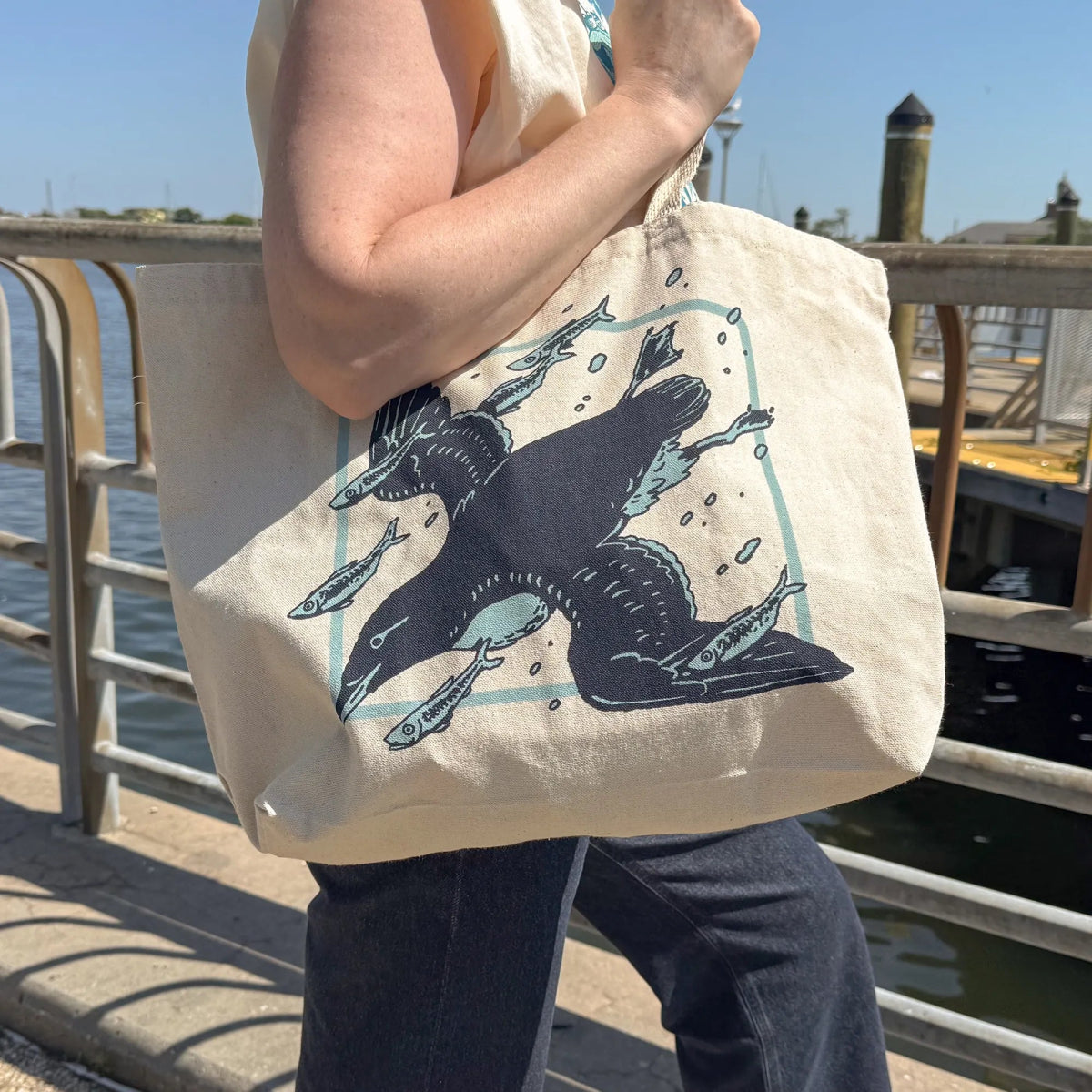
Your backpack is more than just a container—it’s your mobile command center. Look for a bag with multiple compartments to organize binoculars, field guides, snacks, and water. Padded straps and back support make long hikes less tiring.
Have you ever dug through a messy bag trying to find a lens cap or notebook? A well-designed backpack saves time and frustration. Some even offer quick-access pockets so you can grab essential items without stopping.
Clothing Tips For Different Environments
Choosing the right clothing depends on the environment you visit for bird watching. Different areas need specific gear to keep you comfortable and safe. Proper clothes help you move quietly and blend in with nature. Below are tips for dressing in various bird watching environments.
Forest And Woodland Areas
Wear long sleeves and pants to protect from branches and insects. Choose earth tones like brown, green, or gray to stay hidden. Use lightweight, breathable fabrics to avoid overheating. A hat with a brim shields your face from sun and falling leaves. Sturdy shoes with good grip help on uneven ground. Consider insect repellent clothing or sprays to keep bugs away.
Wetlands And Marshes
Opt for waterproof boots or waders to keep your feet dry. Lightweight, quick-dry clothing prevents discomfort from moisture. Colors like olive or tan blend well with reeds and water plants. Bring a rain jacket for sudden weather changes. Avoid cotton as it stays wet and cold. Use insect repellent on exposed skin to avoid bites.
Open Fields And Grasslands
Wear light-colored clothes to reflect sunlight and stay cool. Long pants protect against tall grass and ticks. Use a wide-brimmed hat to shield from the sun. Sunglasses reduce glare and improve visibility. Breathable fabrics with UV protection offer extra comfort. Choose shoes that are comfortable for long walking on flat terrain.
Maintaining Comfort And Safety
Maintaining comfort and safety is key for a great bird watching experience. The right clothing helps you stay comfortable during long hours outdoors. It also keeps you safe from weather, insects, and sun exposure. Choosing proper attire lets you focus on spotting birds without distractions.
Layering Strategies
Layering clothes helps you adjust to changing temperatures. Start with a light, moisture-wicking base layer to keep sweat away. Add an insulating middle layer for warmth. Finish with a breathable, waterproof outer layer to protect against wind and rain. Layers let you add or remove clothing as needed.
Protection Against Insects
Insect bites can ruin your time outside. Wear long sleeves and pants to cover your skin. Choose clothing treated with insect repellent for extra defense. Light colors make it easier to spot ticks. Tuck pants into socks to prevent bugs from crawling up.
Sun Protection
Sun exposure can cause burns and fatigue. Wear a wide-brimmed hat to shade your face and neck. Use sunglasses with UV protection to shield your eyes. Choose long-sleeved shirts and pants with UPF fabric. Apply sunscreen on exposed skin for added safety.
Credit: www.birdcollective.com
Frequently Asked Questions
What Colors Are Best For Bird Watching Clothing?
Neutral colors like green, brown, and beige are best. They blend with nature and avoid startling birds. Bright colors can scare birds away.
Should Bird Watchers Wear Waterproof Clothing?
Yes, waterproof clothing is important. It keeps you dry during rain or wet environments. Staying dry improves comfort and focus.
Is Lightweight Clothing Recommended For Bird Watching?
Lightweight clothing is ideal. It allows freedom of movement and breathability. This helps you stay comfortable during long walks or hikes.
What Type Of Footwear Is Suitable For Bird Watching?
Wear sturdy, comfortable hiking boots or shoes. They provide support and protect feet on uneven terrain. Waterproof options are a plus.
Conclusion
Choosing the right clothes makes bird watching more enjoyable. Wear neutral colors to blend into nature. Dress in layers to stay comfortable all day. Light, breathable fabrics help keep you cool and dry. Don’t forget sturdy shoes for walking on rough paths.
A hat and sunglasses protect you from the sun. These simple tips help you focus on the birds, not your outfit. Enjoy the beauty of nature with the best clothing choices. Happy bird watching!