
Have you ever paused to watch a bird gracefully glide through the sky or listened closely to its unique song? If so, you’ve already experienced the joy of bird watching.
But what exactly is bird watching? It’s more than just spotting birds—it’s a way to connect with nature, sharpen your observation skills, and find calm in your busy life. You’ll discover the true meaning of bird watching and why it’s becoming a favorite activity for people like you.
Keep reading to unlock the simple secrets behind this rewarding hobby and see how it can enrich your everyday moments.
Bird Watching Basics
Bird watching opens up a world of natural wonder. It’s a simple way to connect with nature. You observe birds in their natural habitats. This hobby can be enjoyed by anyone, anywhere.
Bird watching encourages you to explore outdoors. It helps you understand more about birds and their behaviors. This activity is both relaxing and educational. People of all ages find joy in watching birds.
What Is Bird Watching
Bird watching means observing birds in their natural environment. It involves identifying bird species and understanding their behaviors. Enthusiasts use binoculars and field guides for better observation.
Bird watchers often keep lists of the birds they see. This hobby can be enjoyed solo or with groups. It doesn’t require expensive equipment, making it accessible to many.
History Of Bird Watching
Bird watching began as a pastime in the 19th century. It grew in popularity with the publication of field guides. Early enthusiasts were mainly scientists and naturalists.
By the 20th century, bird watching became a global hobby. Today, it attracts millions of people worldwide. Bird watching has also contributed to conservation efforts.
Essential Gear For Beginners
Starting bird watching is exciting, but having the right gear can make all the difference. The essential equipment helps you spot birds clearly, identify them accurately, and stay comfortable outdoors. Let’s look at the basics you need to get started and enjoy your bird watching adventures fully.
Choosing Binoculars
Binoculars are your best friend in bird watching. Look for ones with a magnification of 8x to 10x. Anything stronger can be shaky and hard to hold steady.
Consider the size and weight—lighter binoculars are easier to carry on long walks. If you’re unsure, try holding different pairs in a store to see what feels right in your hands.
Remember, good optics don’t have to be expensive. Some affordable models offer clear images perfect for beginners. Have you ever struggled to see a bird clearly because your binoculars weren’t up to the task?
Field Guides And Apps
Identifying birds becomes easier with the right field guide or app. A pocket-sized book with clear photos and simple descriptions is perfect when you’re starting out.
Apps add convenience by letting you listen to bird calls and check sightings in your area. Many apps work offline, which is handy if you’re in remote spots without internet.
Try using a field guide and an app together. It’s like having a bird expert in your pocket. What’s the most surprising bird you’ve identified with your guide or app?
Clothing And Accessories
Wear comfortable, neutral-colored clothing to blend into the environment. Bright colors can scare birds away before you get a good look.
Layer your clothes to adjust to changing weather. A hat and sunglasses protect you from the sun, while waterproof shoes keep your feet dry on damp trails.
Don’t forget a small backpack to carry water, snacks, and your gear. Staying comfortable lets you focus on watching birds, not on discomfort. What’s your must-have accessory when you head out?
Finding Birds
Finding birds is the heart of bird watching. It means discovering where birds live and watching their behavior. Birds are found in many places, from city parks to deep forests. Knowing where and when to find them makes bird watching more fun and rewarding.
Best Locations
Birds live in different places depending on their needs. Wetlands attract water birds like ducks and herons. Forests are home to woodpeckers and owls. Open fields often have sparrows and hawks. Coastal areas bring in seagulls and pelicans. Urban parks can have pigeons and crows. Visit these locations early in the day for the best views.
Ideal Times For Bird Watching
Birds are most active during certain times. Early morning is the best time to see birds feeding and singing. Late afternoon is also good before birds rest for the night. Avoid the midday heat when birds hide to stay cool. Watching during calm, dry weather improves visibility and bird activity.
Seasonal Bird Patterns
Birds change locations with the seasons. Many birds migrate south in winter and return north in spring. Some birds breed in summer and rest in fall. Knowing these patterns helps predict where birds will be. Seasonal changes also affect bird colors and behaviors. Track these patterns to enjoy varied bird species year-round.

Credit: www.dreamstime.com
Bird Identification Tips
Bird identification is a skill that grows sharper with practice and attention to detail. It’s not just about spotting colors or shapes; it’s about tuning into the subtle clues that make each bird unique. Here are some practical tips to help you recognize and understand birds better during your bird watching adventures.
Recognizing Common Species
Start by focusing on the birds you see most often. Learn their size, shape, and key colors. Keep a small field guide or use a bird identification app to compare what you see in real time.
Notice details like the shape of the beak, wing patterns, and tail length. These features often distinguish similar-looking birds. Have you ever confused a sparrow for a finch? Paying attention to these subtle differences can save you from mistakes.
Noticing Bird Behavior
Birds reveal a lot through their actions. Watch how they move—do they hop on the ground or glide through the air? Some birds feed in flocks, while others prefer solitude.
Behavior can hint at the species and even the bird’s mood. For example, a woodpecker’s drumming sound or a heron’s slow, deliberate movements are clear identifiers. How often do you catch yourself ignoring these behavioral clues?
Using Bird Calls And Songs
Listening closely can be as important as looking carefully. Each bird species has unique calls and songs that help you identify them even when you can’t see them clearly.
Try recording bird sounds or use apps that play bird calls to train your ear. Soon, you’ll start associating specific melodies with certain species. What bird songs have stuck in your memory during your outings?
Ethics And Safety
Ethics and safety are the backbone of responsible bird watching. You’re not just observing creatures; you’re sharing their space. This means acting with care to protect wildlife and yourself.
Respecting Wildlife
Respect means more than staying quiet. It involves understanding bird behavior and avoiding actions that stress or harm them. For example, don’t chase or try to touch birds, especially during nesting season.
Think about how your presence might affect a bird’s feeding or resting. If a bird flies away as you approach, it’s a clear sign to back off. You want your experience to be enjoyable without disrupting their natural life.
Minimizing Disturbance
Disturbance can cause birds to abandon nests or waste energy escaping. Use binoculars or cameras with zoom lenses to watch from a distance. Stick to trails and avoid trampling vegetation where birds might be nesting.
Noise can also scare birds away. Keep your voice low and turn off unnecessary sounds like phone alerts. Have you noticed how some quiet spots feel more alive with bird songs? That’s a good sign you’re doing it right.
Personal Safety Outdoors
Bird watching often takes you into remote or rugged areas. Wearing suitable clothing and sturdy shoes helps protect you from rough terrain and weather changes. Carry essentials like water, a map, and a first aid kit.
Be aware of local wildlife hazards such as snakes or insects. Let someone know where you’re going and when you plan to return. Your safety ensures you can enjoy many more bird watching adventures without mishaps.
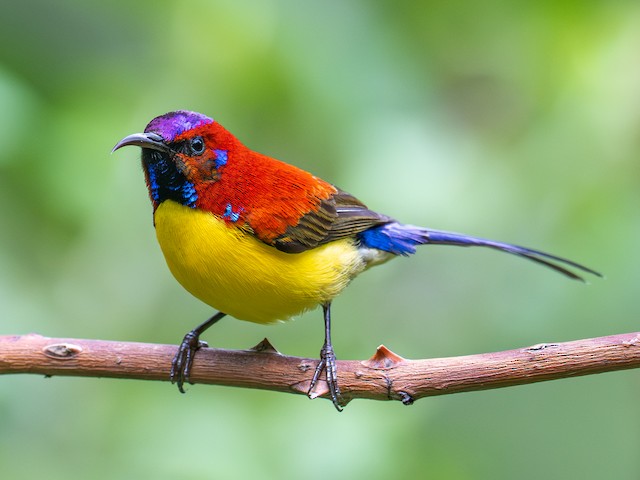
Credit: ebird.org
Joining Bird Watching Communities
Joining bird watching communities brings many benefits to beginners and experts alike. These groups offer support, knowledge, and opportunities to see diverse bird species. Connecting with others who share the same passion makes bird watching more enjoyable and rewarding.
Communities provide chances to learn new skills, share sightings, and participate in group activities. They create a sense of belonging and help maintain interest in this peaceful hobby. Many communities organize events that are open to all skill levels.
Local Birding Groups
Local birding groups meet regularly to explore nearby parks and nature reserves. Members share tips on bird identification and spotting techniques. Joining these groups helps build friendships and improve bird watching skills through hands-on experience.
These groups often host workshops, guided walks, and talks by experts. They welcome bird watchers of all ages and backgrounds. Meeting face-to-face allows for immediate help and encouragement.
Online Forums And Resources
Online forums connect bird watchers from different places. Participants discuss bird species, share photos, and ask questions. These platforms provide a wealth of information accessible anytime.
Many websites and apps offer identification guides, checklists, and bird calls. Online communities are great for quick answers and learning at your own pace. They also keep bird watchers updated on rare sightings and conservation news.
Participating In Bird Counts
Bird counts are organized events to record bird populations in specific areas. Joining these counts helps track bird health and migration patterns. Volunteers gain valuable experience and contribute to science.
Participants often work in teams, which promotes teamwork and learning. Bird counts are suitable for all skill levels and foster community spirit. They offer a chance to see many bird species in a short time.
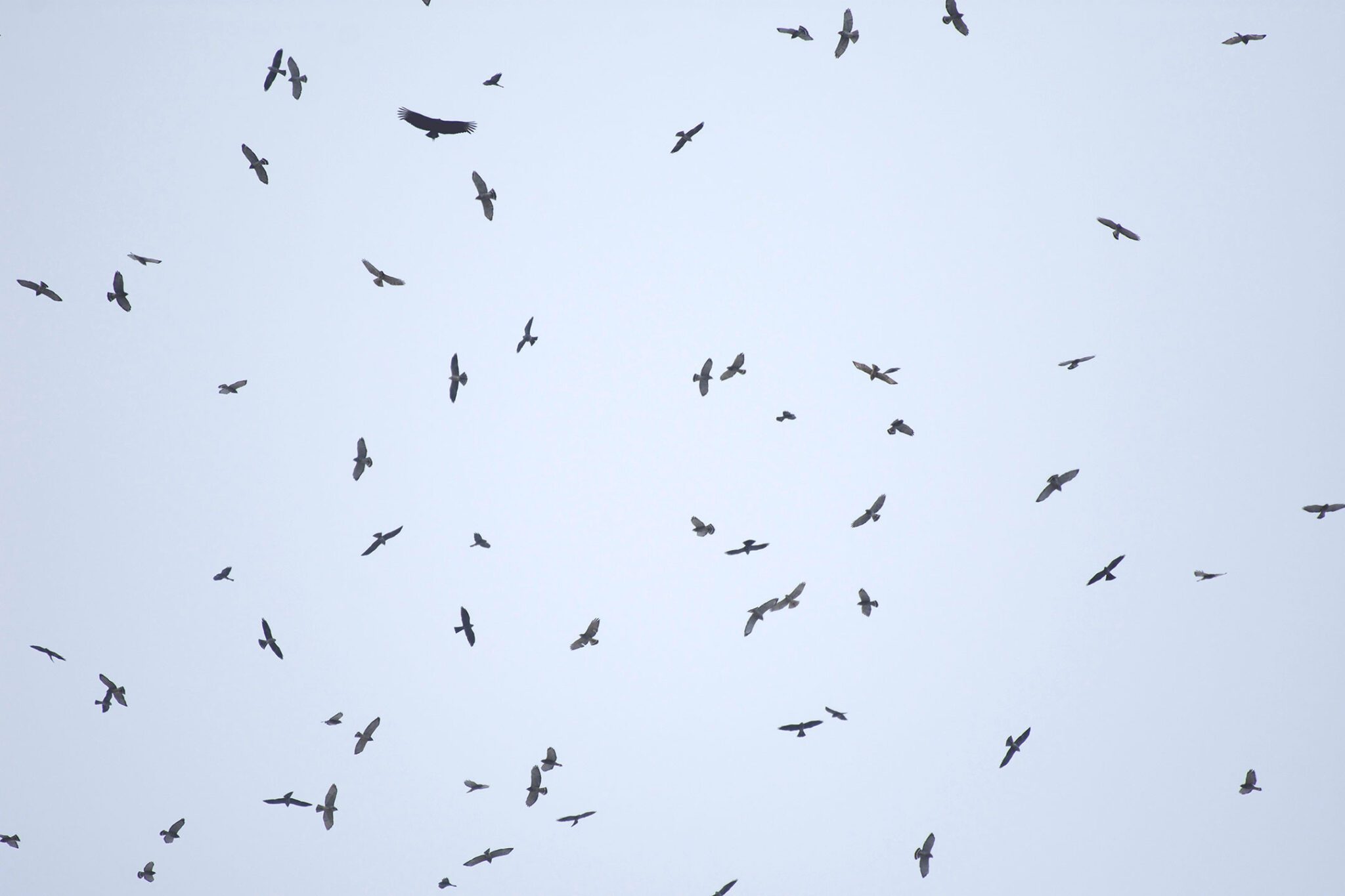
Credit: www.allaboutbirds.org
Frequently Asked Questions
What Is Bird Watching And Why Is It Popular?
Bird watching is observing and identifying birds in their natural habitat. It is popular for its relaxing nature and connection to wildlife.
How Do Beginners Start Bird Watching Effectively?
Beginners start by using binoculars and field guides. Visiting local parks and noting bird species helps improve skills.
What Equipment Is Essential For Bird Watching?
Essential equipment includes binoculars, a field guide, and a notebook. These tools help identify and record bird sightings accurately.
Where Are The Best Places For Bird Watching?
Best places include nature reserves, wetlands, forests, and parks. These areas host diverse bird species for observation.
Conclusion
Bird watching is a fun way to enjoy nature and learn about birds. It helps people notice the small details around them. Anyone can start with just a pair of binoculars. This hobby brings peace and excitement at the same time.
Watching birds connects us to the environment in a special way. It teaches patience and sharpens observation skills. Overall, bird watching is simple, rewarding, and good for the mind. Try it outdoors and see the beauty of birds yourself.