
Have you ever wondered where the Greater Bird of Paradise calls home? Understanding its habitat reveals more than just a location—it uncovers the secrets of its vibrant colors, unique behaviors, and survival skills.
If you want to know what makes this bird’s environment so special and why it thrives there, keep reading. Your curiosity will be rewarded with fascinating insights that connect you directly to the wild world of this extraordinary creature.

Credit: www.wildlifenomads.com
Habitat Location
The Greater Bird of Paradise is an enchanting creature with a habitat that mirrors its beauty. Understanding where these birds thrive can offer insights into their behaviors and the ecosystems they call home. Let’s explore the fascinating world of their habitat location.
Geographic Range
The Greater Bird of Paradise is predominantly found in the rainforests of New Guinea and surrounding islands. These regions are rich in biodiversity, providing abundant resources and a lush environment that supports their vibrant life. You might wonder why these birds are so particular about their home. The answer lies in the unique conditions these areas offer, such as consistent warm temperatures and ample food sources.
Island Ecosystems
Islands like Aru and Misool offer a perfect sanctuary for the Greater Bird of Paradise. These ecosystems are isolated yet diverse, creating a unique habitat that supports a wide range of species. This isolation has encouraged the evolution of distinct traits in these birds, contributing to their incredible plumage and behaviors.
Have you ever considered how island ecosystems can foster such diversity? The isolated nature of islands encourages specialization and adaptation, leading to a rich tapestry of life. The Greater Bird of Paradise thrives in this setting, benefiting from both the protection and the challenges these ecosystems present.

Credit: www.wildlifenomads.com
Preferred Environment
The Greater Bird of Paradise thrives in a very specific environment that supports its vibrant lifestyle and unique behaviors. Understanding its preferred habitat helps you appreciate why this bird is so closely tied to certain ecosystems. Let’s take a closer look at the conditions that make its home ideal.
Rainforest Characteristics
This bird favors dense, tropical rainforests filled with a variety of trees and plants. These forests provide plenty of cover and food sources, which are essential for the Greater Bird of Paradise’s survival.
Imagine walking through a thick forest where every step reveals new colors and sounds—this is the kind of environment where you might spot one of these birds. The high canopy and rich undergrowth create perfect nesting spots and places to hunt for insects and fruits.
Altitude And Climate
The Greater Bird of Paradise usually lives at mid to high elevations, often between 1,000 and 1,800 meters above sea level. This altitude offers cooler temperatures and a moist climate that supports the lush vegetation it depends on.
You might wonder why it avoids lower, hotter areas. The cooler climate at these heights reduces competition and predators, giving the bird a safer and more comfortable living space.
Nesting Sites
Nesting sites are crucial for the Greater Bird of Paradise’s survival and reproduction. These birds choose locations that offer safety, comfort, and access to resources. Understanding where and how they build their nests reveals much about their behavior and habitat needs.
Tree Selection
The Greater Bird of Paradise prefers tall, sturdy trees with dense foliage. These trees provide excellent cover from predators and harsh weather.
Often, they select trees near water sources or fruiting plants, which makes feeding easier. Have you noticed how birds seem to pick spots that balance safety and convenience?
Not every tree will do. They avoid those with thin branches that can’t support their nests or those too exposed to sunlight and wind. This careful choice shows their instinct for survival.
Nest Construction
Once a tree is chosen, the bird starts building a strong nest using twigs, leaves, and vines. The structure is compact but comfortable, designed to hold eggs securely.
Both male and female Greater Birds of Paradise often participate, which strengthens their bond. You might be surprised by how intricate their nests can be, considering the materials are simple.
The nest is usually placed high above the ground, making it harder for predators to reach. Do you think you could spot one of these nests hidden among the branches?
Food Sources
The Greater Bird of Paradise thrives in a rich, diverse environment where food availability shapes its daily life. Understanding what fuels these vibrant birds gives you a closer look at their survival tactics and ecological role. Their food sources are not random; each choice plays a key part in their health and beauty.
Diet Composition
The diet of the Greater Bird of Paradise mainly includes fruits, insects, and small animals. Fruits from native trees provide essential vitamins and sugars that keep their energy high. Insects add protein, which supports muscle strength and feather maintenance.
You might be surprised how much these birds rely on specific fruit types like figs and berries. These fruits are not only tasty but packed with nutrients that help the bird maintain its stunning plumage. Occasionally, they also consume small reptiles or amphibians, adding variety to their meals.
Foraging Behavior
Watching a Greater Bird of Paradise forage is a lesson in patience and skill. They often hop from branch to branch, carefully inspecting leaves and bark for hidden insects. Their sharp eyesight helps them spot prey that’s invisible to many other birds.
They don’t just grab any fruit or bug they see. Instead, they select food based on freshness and ripeness, showing a surprising level of discernment. Have you ever noticed how some animals seem to know exactly what their bodies need? This bird’s foraging behavior is a perfect example of that natural wisdom.
Threats To Habitat
The Greater Bird of Paradise lives in dense forests and remote islands. Its habitat faces many threats that endanger its survival. These threats affect the forests and the natural balance needed for the bird to thrive.
Deforestation Impact
Large areas of forest are cut down for farming and logging. Trees that provide shelter and food disappear. The bird loses its nesting spots and places to hide. Fewer trees mean less protection from predators and weather. Deforestation breaks the habitat into small, isolated patches. This isolation makes it harder for birds to find mates and reproduce.
Human Encroachment
Human settlements grow near the bird’s natural areas. Roads and buildings fragment the forest. Noise and pollution disturb the birds and their environment. Hunting and trapping increase as people get closer. This pressure reduces bird numbers and weakens populations. Human activity changes the land, making it less suitable for the species.
Conservation Efforts
Conservation efforts play a crucial role in protecting the Greater Bird of Paradise. This vibrant bird faces threats from habitat loss and hunting. Dedicated actions help secure its future and maintain its natural environment. Focused efforts involve safeguarding land and engaging local communities.
Protected Areas
Many of the Greater Bird of Paradise’s habitats lie within protected areas. National parks and wildlife reserves provide safe spaces for these birds. These areas limit human activities that can harm the environment. Strict laws help preserve forests and prevent illegal logging. Protected zones maintain the natural balance needed for the birds to thrive.
Community Involvement
Local communities play a vital role in conservation. They help monitor bird populations and report illegal activities. Education programs raise awareness about the bird’s importance. Sustainable practices promote harmony between people and nature. Community support strengthens conservation and creates lasting protection.
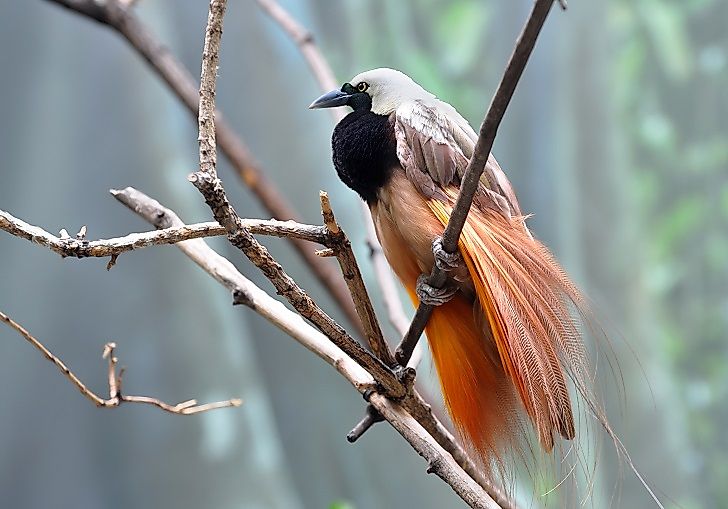
Credit: www.worldatlas.com
Frequently Asked Questions
What Type Of Habitat Does The Greater Bird Of Paradise Prefer?
The Greater Bird of Paradise thrives in tropical rainforests, especially lowland and hill forests. It prefers dense, humid areas with abundant trees for nesting and feeding.
Where Is The Greater Bird Of Paradise Commonly Found?
This species is native to New Guinea and nearby islands. It primarily inhabits forested regions at elevations below 1,500 meters.
How Does The Habitat Affect The Greater Bird Of Paradise’s Behavior?
Dense forest habitats provide safety and food sources. These areas support their elaborate mating displays and complex nesting habits.
Are Greater Birds Of Paradise Affected By Habitat Loss?
Yes, deforestation threatens their natural habitat. Loss of forest cover reduces breeding grounds and food availability, impacting their population.
Conclusion
The Greater Bird of Paradise lives in lush rainforests. It prefers tall trees with thick leaves. These habitats provide food and safe places to nest. Protecting these forests helps keep the species alive. People can learn a lot by observing their homes.
Nature’s balance depends on animals like this bird. Their beauty and habitat show how important forests are. We should care for these special places every day.