

Have you ever wondered where kiwi birds call home? These unique, flightless birds have a habitat unlike any other.
Understanding where they live and how they survive can change the way you see nature. You’ll discover the special places kiwi birds thrive and why protecting their homes matters to you and the world. Keep reading to uncover the secrets of a kiwi bird’s habitat and how it connects to the balance of life around us.

Credit: www.peckperk.com
Kiwi Bird Habitat
The Kiwi bird, native to New Zealand, thrives in a unique habitat. These flightless birds have specific needs that define their environment. Understanding their habitat gives insight into their survival and behavior.
Natural Environment
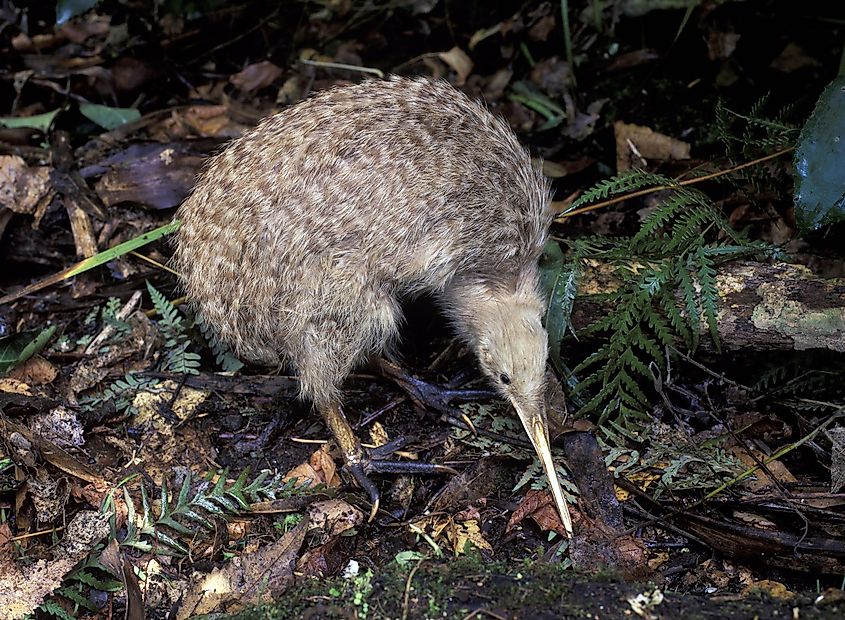
Kiwi birds live in diverse natural environments. They prefer dense forests and shrublands. These areas offer cover and food. Kiwis also inhabit grasslands and farmlands. They adapt well to different terrains. Their nocturnal nature helps them stay hidden.
Geographical Range
Kiwi birds are found only in New Zealand. They inhabit the North and South Islands. Each island hosts different kiwi species. Conservation areas protect many kiwi habitats. These areas help maintain their population. Kiwis rely on these protected spaces for survival.
Climate And Terrain
The climate in kiwi habitats is mild and wet. Rainfall is frequent and supports lush vegetation. This environment provides food and shelter. The terrain is often rugged and varied. Hills and mountains are common. Kiwis use their strong legs to navigate these areas.
Shelter And Nesting
Kiwis need safe places to rest and raise their young. Shelter and nesting are key parts of their habitat. These birds choose spots that protect them from bad weather and danger. Their homes also help keep their eggs and chicks safe.
Burrows And Nest Sites
Kiwis dig burrows in soft soil or find natural cavities. These burrows can be simple or complex tunnels. Some kiwis use hollow logs or dense vegetation for shelter. The burrows stay cool and hidden from view. They provide a dark, safe place to sleep and lay eggs.
Breeding Habits
Kiwis usually breed once a year. The female lays one or two large eggs. The eggs take about 70 to 80 days to hatch. Both parents often help care for the egg and chick. They keep the nest clean and guarded during this time.
Protection From Predators
Kiwis face many predators like dogs, cats, and stoats. Their burrows help hide them from these threats. The birds also stay still and quiet to avoid detection. Some kiwi species are active at night to reduce risk. Conservation efforts focus on controlling predators near kiwi habitats.
Food Sources
The kiwi bird’s habitat provides a variety of food sources essential for its survival. This nocturnal bird relies on the forest floor to find its meals. The diet of a kiwi is diverse and adapted to the environment. Understanding its food sources helps us appreciate its role in the ecosystem.
Diet Composition
Kiwis eat mostly small animals and insects. Their diet includes:
- Earthworms
- Beetles
- Spiders
- Insect larvae
- Small fruits and seeds
They get nutrients from both animal and plant matter. Protein mainly comes from insects and worms. Fruits add essential vitamins and energy.
Foraging Behavior
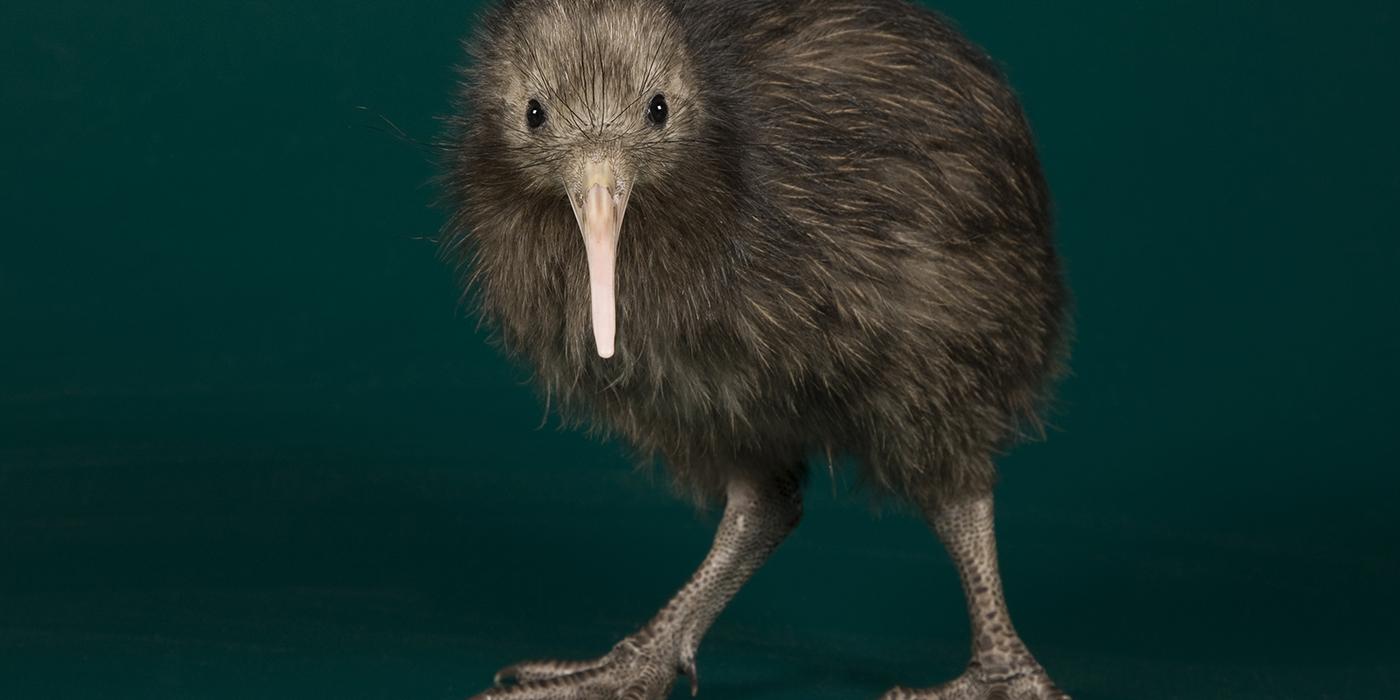
Kiwis use their long beaks to search for food. Their nostrils are at the tip of the beak. This helps them smell prey underground. They dig with strong claws to uncover insects and worms. Mostly active at night, kiwis rely on their keen sense of smell. They move slowly and quietly to avoid predators.
Seasonal Variations
Food availability changes with seasons in kiwi habitats. In spring and summer, insects and worms are plentiful. Kiwis eat more animal protein during these times. In autumn and winter, fruits and seeds become more common. Kiwis adjust their diet to what is available. This flexibility helps them survive year-round in their environment.
Credit: nationalzoo.si.edu
Threats To Habitat
The habitat of kiwi birds is under constant threat from various factors that endanger their survival. Understanding these threats is crucial if you want to help protect these unique creatures. The challenges range from direct human interference to changes in the environment caused by climate shifts.
Human Impact
Human activities have drastically changed kiwi habitats. Urban development and farming often clear native forests, removing the dense underbrush kiwis rely on for shelter and food.
Even small changes, like building roads or walking tracks, can disrupt their nesting areas. Have you ever noticed how a quiet forest trail suddenly becomes noisy and less inviting for wildlife? That’s what happens to kiwis too.
Invasive Species
Predators introduced by humans, such as stoats, rats, and cats, pose a deadly threat to kiwis. These invasive species prey on eggs, chicks, and even adult birds, making survival tough.
Efforts to control these predators show how important it is to manage invasive species actively. Imagine trying to enjoy your home while strangers constantly invade—that’s similar to what kiwis face daily.
Climate Change Effects
Shifts in climate patterns affect kiwi habitats in subtle but serious ways. Changes in rainfall and temperature can alter the availability of food sources like insects and worms.
Rising temperatures may also impact breeding cycles, making it harder for kiwis to raise healthy chicks. Could your actions today help slow these changes and protect kiwi homes for the future?
Conservation Efforts
Kiwi birds face many threats in their natural habitats. Conservation efforts focus on protecting these unique birds and helping their populations grow. These efforts include restoring habitats, controlling predators, and involving local communities. Each part plays a vital role in kiwi survival.
Habitat Restoration
Restoring kiwi habitats means bringing back native plants and trees. This helps create safe places for kiwis to live and find food. Removing weeds and planting native species improves the forest’s health. Healthy habitats support kiwi breeding and chick survival.
Predator Control
Predators like rats, stoats, and cats threaten kiwi birds. Conservation programs set traps and use safe poisons to reduce these predators. This lowers the chance of kiwi eggs and chicks being eaten. Predator control is key to protecting kiwi families.
Community Involvement
Local people play a big role in kiwi conservation. Volunteers help with planting, monitoring, and predator control. Schools and groups raise awareness about kiwi protection. Community support creates a stronger, safer environment for kiwis.
Credit: www.worldatlas.com
Kiwi Birds In Culture
The kiwi bird holds a special place in New Zealand’s culture, far beyond being just a unique native species. Its presence weaves into the identity, pride, and daily life of the people. Understanding how kiwis influence culture can change how you see conservation and community efforts.
Symbolism And Significance
The kiwi is more than a bird; it’s a national symbol. Many New Zealanders proudly call themselves “Kiwis,” showing a deep connection to this shy, flightless creature.
This bird represents qualities like resilience and uniqueness. You’ll find its image on coins, logos, and sports teams, reinforcing its role in national identity.
Have you noticed how often the kiwi symbolizes New Zealand’s natural beauty and isolation? This makes it a powerful reminder of the country’s environmental treasures worth protecting.
Ecotourism And Education
Kiwi birds attract visitors eager to experience New Zealand’s wildlife. Eco-friendly tours often focus on kiwi spotting, offering a chance to see these rare birds in their natural habitat.
Educational programs use kiwis to teach about conservation and biodiversity. Schools and wildlife centers involve communities, making protection efforts more relatable and urgent.
Imagine joining a night tour, hearing a kiwi’s call, and realizing your role in preserving this species. Such experiences create lasting impressions and motivate action.
Frequently Asked Questions
What Type Of Habitat Do Kiwi Birds Prefer?
Kiwi birds prefer dense, subtropical and temperate forests with plenty of ground cover. They thrive in moist environments rich in leaf litter and soil.
Where Are Kiwi Birds Naturally Found?
Kiwi birds are native to New Zealand. They inhabit forests, scrublands, and grasslands across both the North and South Islands.
How Does The Habitat Affect Kiwi Bird Behavior?
Dense habitats provide shelter and food sources. This environment allows Kiwi birds to forage safely at night and hide from predators.
Why Is Habitat Conservation Vital For Kiwi Birds?
Habitat loss threatens Kiwi populations. Conserving forests ensures they have safe breeding grounds and enough food to survive and reproduce.
Conclusion
Kiwi birds live in unique habitats found only in New Zealand. These areas provide food, shelter, and safety from predators. Protecting these habitats helps kiwi birds survive and thrive. People can help by supporting conservation efforts and respecting nature. Understanding kiwi habitats shows how special these birds really are.
Their survival depends on keeping their homes safe and healthy. Every small action counts in saving the kiwi bird. A bright future for kiwis starts with us.