
Have you ever wondered what makes a perfect home for birds? If you want to attract colorful songbirds or watch your feathered friends thrive, understanding what birds need in a habitat is key.
Your backyard or local park can become a safe haven, but only if you know the right ingredients to include. Keep reading to discover simple, powerful ways to create a bird-friendly space that will keep them coming back year after year.
Food Sources
Birds need various food sources like seeds, insects, and fruits to thrive in a habitat. A rich food supply supports their energy and growth throughout the year. Access to diverse foods helps birds stay healthy and reproduce successfully.
In crafting the perfect habitat for birds, understanding their food sources is crucial. Birds, like us, have diverse dietary needs, and providing the right food can make your backyard a haven for them. Let’s dive into the essentials of what birds need to thrive and stay healthy.Types Of Bird Diets
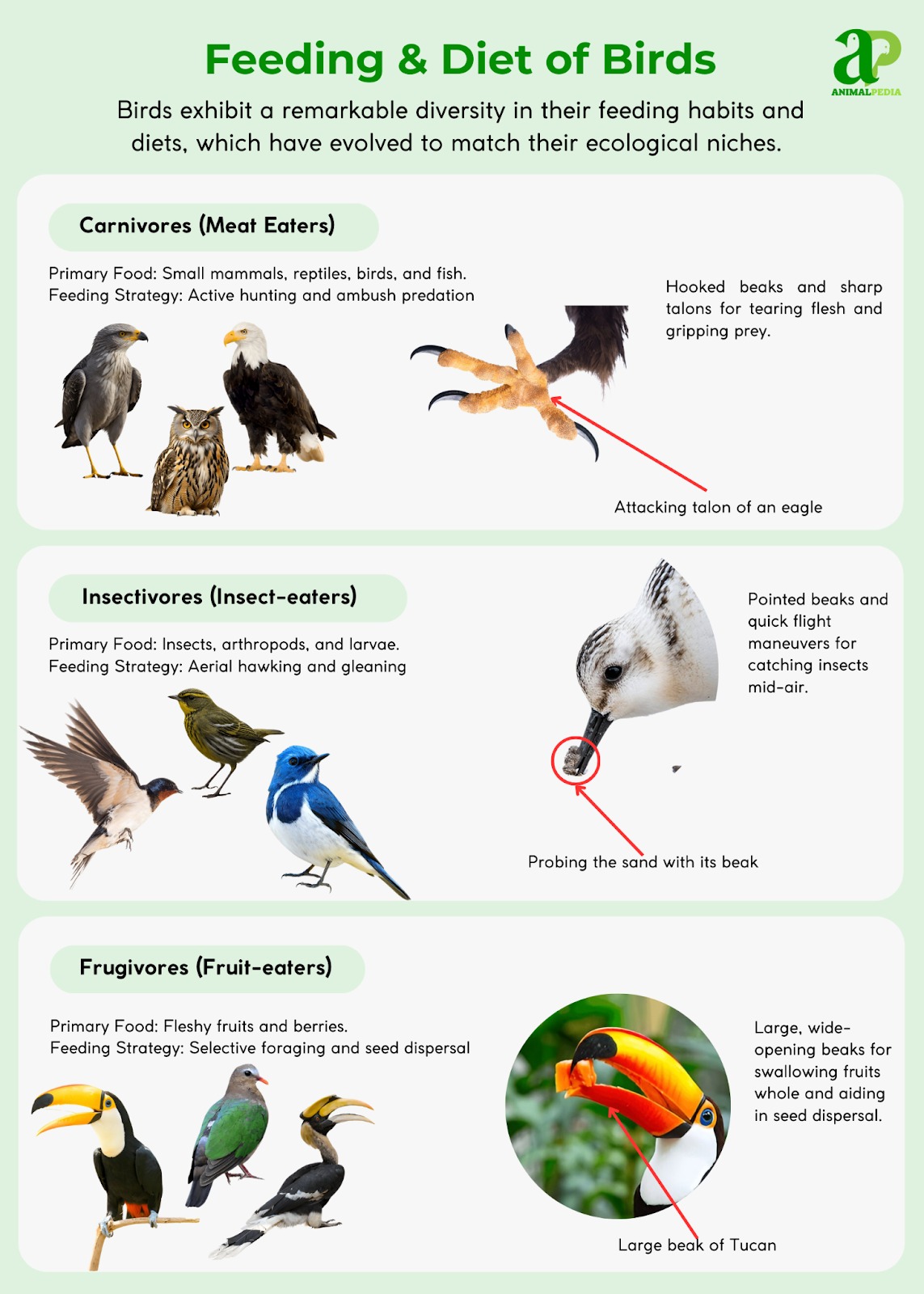
Birds have varied diets that range from seeds to insects. Some are seed eaters, like finches, while others, like hummingbirds, prefer nectar. Many birds enjoy a mix, such as robins that feast on worms and berries. Knowing the types of birds in your area can help you choose the right food to attract them.Seasonal Food Availability
Food availability changes with the seasons, affecting what birds can find naturally. In spring and summer, insects and fresh seeds are abundant. However, in winter, these sources dwindle, and birds rely more on feeders for sustenance. Providing a steady supply of food year-round can help birds survive harsh conditions.Foraging Habits
Birds are natural foragers, constantly on the lookout for their next meal. Some, like woodpeckers, peck at trees to find insects, while others, like pigeons, scavenge the ground. Observing birds’ foraging habits can be an enjoyable pastime. Have you ever noticed how some birds use tools to extract insects from crevices? By understanding these aspects, you can create a welcoming environment that meets the dietary needs of various bird species. Your backyard can become a vibrant ecosystem, buzzing with the delightful activity of feathered friends. Isn’t it fascinating how a simple act of providing food can transform your space into a bird paradise?Water Access
Water access is essential for birds to survive and thrive. Birds need water for drinking, bathing, and cooling down. Without easy access to water, birds cannot stay healthy or maintain their feathers. Providing water in their habitat supports their daily needs and helps them avoid dehydration.
Natural Water Sources
Birds rely on natural water sources like lakes, rivers, and ponds. These provide fresh water and places to bathe. Small streams and puddles also serve as important water spots. Wetlands are especially valuable, offering abundant water and food.
Importance Of Clean Water
Clean water helps birds avoid diseases. Dirty water can carry harmful germs and parasites. Birds need fresh, clear water to stay safe and healthy. Gardeners can help by regularly changing water in birdbaths and keeping containers clean.
Water In Different Climates
Water needs change with the climate. In hot areas, birds need more water to cool down. In cold regions, water may freeze, making access hard. Providing water that does not freeze or dry out is vital for birds year-round.
Shelter And Nesting
Shelter and nesting are essential for birds to thrive in their environment. Birds need places to rest, raise their young, and stay safe from harsh weather. Providing the right conditions for shelter and nesting can make a big difference in supporting local bird populations.
Safe Nesting Sites
Birds look for secure places to build their nests. Trees with dense foliage, shrubs, and even man-made structures can serve as safe spots. Have you noticed how some birds avoid open areas? It’s because they seek cover to protect their eggs and chicks from harm.
You can help by preserving natural habitats or installing birdhouses. Just remember, different birds prefer different heights and locations. Observing local bird habits can guide you in offering the best nesting sites.
Materials For Nest Building
Birds gather twigs, leaves, feathers, and even bits of string to build their nests. These materials must be both sturdy and soft to protect their young. Have you ever seen a bird carefully weaving its nest? It shows how important good building materials are.
You can support this by leaving natural debris like small branches and dry grass in your yard. Avoid using pesticides, as birds often collect insects for nest lining. Offering a variety of materials encourages healthy nest construction.
Protection From Predators
Predators like cats, snakes, and larger birds pose a constant threat to nesting birds. Birds often choose hidden or hard-to-reach spots to keep their nests safe. Have you ever wondered why some nests are tucked deep inside thick bushes?
You can reduce risks by keeping pets indoors during breeding seasons and planting dense shrubs around nesting areas. Adding thorny branches or prickly plants near nests can also deter predators. Your simple actions can help create a safer habitat for birds.

Credit: www.allaboutbirds.org
Suitable Climate
Birds rely heavily on the climate of their habitat. The climate affects their survival, breeding, and daily activities. A suitable climate provides the right temperature and humidity. It also shapes the weather patterns birds face. Each species adapts in unique ways to thrive in its climate.
Temperature Requirements
Birds need temperatures that match their body needs. Some birds live in cold areas and have thick feathers. Others thrive in warm climates with lighter feathers. Extreme temperatures can harm birds by causing stress or illness. Many birds migrate to find better temperatures during seasons.
Humidity And Weather Patterns
Humidity influences birds’ skin and feather health. High humidity can cause mold and parasites. Low humidity may dry out their skin. Weather patterns like rain, wind, and storms affect food and shelter availability. Birds often build nests that protect them from harsh weather.
Adaptations To Climate
Birds develop physical and behavioral traits to survive their climate. Some have longer beaks to cool off in hot areas. Others grow extra feathers to stay warm. Many change their activity times to avoid heat or cold. These adaptations help birds live comfortably in diverse climates.
Space And Territory
Space and territory are essential for birds to live and thrive. Birds need enough room to find food, build nests, and protect themselves. The amount of space affects their behavior and survival. Some birds are very protective of their areas, while others travel across large distances. Understanding how birds use space helps us support their habitats better.
Territorial Behavior
Many birds defend specific areas called territories. They use calls, displays, and sometimes fights to keep others away. Territories provide safe places for nesting and raising young. Birds mark their space with songs or visible signs. This behavior reduces conflicts and ensures enough resources for each bird.
Migration And Range
Some birds travel thousands of miles during migration. Their range changes with seasons to find food and better climate. Migration requires large habitats along the route for resting and feeding. Birds depend on a network of safe spaces during their long journeys. Protecting these areas supports migratory bird populations.
Impact Of Habitat Size
Large habitats support more birds and diverse species. Small or fragmented habitats can limit food and nesting sites. Birds in small spaces may face stress and competition. Bigger habitats allow birds to move freely and find mates. Protecting large areas helps maintain healthy bird communities and biodiversity.
Credit: animal-pedia.org
Vegetation And Habitat Structure
Vegetation and habitat structure play a vital role in creating a safe and supportive environment for birds. Plants offer food, shelter, and nesting sites. Different types of vegetation provide various benefits that help birds thrive throughout the year.
Role Of Trees And Shrubs
Trees and shrubs offer shelter from weather and predators. Birds use branches for nesting and resting. Fruit and seeds from these plants serve as important food sources. Trees also attract insects, which many birds eat. Tall trees help birds watch for danger and communicate with others.
Ground Cover Importance
Ground cover includes grasses, small plants, and leaf litter. It provides hiding places for ground-nesting birds. Many birds find insects and seeds in this layer. It helps keep the soil healthy, supporting plant growth. Dense ground cover reduces soil erosion and maintains moisture.
Habitat Diversity
A mix of vegetation types supports different bird species. Diverse habitats offer varied food and nesting options. Birds can move between areas for safety and resources. Habitat variety helps support birds year-round. It encourages a balanced and healthy bird community.
Human Impact And Conservation
Human activities have drastically changed natural habitats, affecting the birds that rely on them. Conservation efforts are now more important than ever to help maintain and restore these vital spaces. Understanding how our actions impact birds can guide you in making a difference.
Habitat Destruction Effects
When forests are cleared or wetlands drained, birds lose their homes and food sources. This forces many species to relocate, often with no success, leading to population declines. Have you noticed fewer birds in your local park or neighborhood over the years?
Pollution and urban development create barriers for birds to thrive. Noise and light pollution disrupt their natural behaviors like feeding and mating. These changes push some birds closer to extinction.
Creating Bird-friendly Spaces
You don’t need a large garden to help birds. Adding native plants, bird feeders, and water sources can make your space inviting. Small actions like avoiding pesticides and providing shelter can attract a variety of bird species.
- Plant bushes with berries for natural food
- Install birdhouses or nesting boxes
- Keep water fresh and accessible
- Leave dead trees or logs as natural shelters
Have you tried setting up a birdbath or planting wildflowers? These simple steps can turn your yard into a bird haven, supporting local wildlife and brightening your days.
Conservation Efforts
Many organizations work to protect bird habitats and raise awareness. You can support them by volunteering, donating, or spreading the word. Community-led habitat restoration projects often involve planting native species and removing invasive ones.
Government policies also play a key role in protecting endangered birds and their environments. Staying informed and voting for conservation-friendly policies ensures ongoing protection. What actions can you take today to help safeguard birds for tomorrow?
Credit: animal-pedia.org
Frequently Asked Questions
What Essential Features Do Birds Need In A Habitat?
Birds require food sources, water, shelter, and nesting sites in their habitat. These elements support their survival and reproduction.
How Does Vegetation Affect Bird Habitats?
Vegetation provides food, cover, and nesting materials. Diverse plants attract various bird species, enhancing habitat quality.
Why Is Water Important For Bird Habitats?
Water is vital for drinking, bathing, and feeding. Proximity to clean water sources supports bird health and activity.
How Do Nesting Sites Influence Bird Habitat Choice?
Safe and suitable nesting sites protect eggs and chicks. Birds prefer habitats offering secure and accessible nesting areas.
Conclusion
Birds need food, water, shelter, and space to thrive. Safe places for nesting keep them protected. Plants and trees provide both food and cover. Clean water supports their health every day. A balanced habitat helps birds live strong and happy.
Protecting these needs benefits birds and nature alike. Small efforts can make a big difference for bird homes. Everyone can help create better places for birds to live.