
Are you thinking about adding a pet bird to your home but wonder which one will be the friendliest? Finding a bird that loves to interact with you can make a huge difference in your daily life.
Imagine having a feathered friend that not only brightens your room but also welcomes you with a joyful chirp every day. You’ll discover the most friendly pet birds that easily bond with their owners, making your experience truly special. Keep reading to find out which bird could become your new best companion.
Traits Of Friendly Pet Birds
Friendly pet birds share specific traits that make them a joy to have around. Understanding these traits helps you choose a bird that fits your lifestyle and personality. Let’s look closely at what makes a pet bird truly friendly and easy to bond with.
Social Nature
Friendly birds thrive on interaction. They enjoy being part of your daily routine and seek out company. If a bird prefers to stay alone or shows signs of stress when approached, it might not be the best choice for a pet that’s meant to be a companion.
Think about how some birds, like cockatiels and budgerigars, often form strong social bonds. They can quickly become comfortable with new people, showing curiosity rather than fear.
Communication Skills
One of the most charming traits of friendly birds is their ability to communicate. They don’t just make noise; they use sounds and body language to express feelings and respond to you. You can often tell if a bird is happy, curious, or anxious by its calls and movements.
For example, parrots are known for mimicking sounds and words, which shows their eagerness to engage. Does your bird try to get your attention or mimic your speech? That’s a sign of a strong communicative bond.
Affectionate Behaviors
Affectionate birds show their friendliness through actions like preening you or snuggling close. These behaviors indicate trust and comfort. You might notice your bird gently nibbling your finger or resting its head on your hand—simple ways they say “I like you.”
Birds that seek physical contact and enjoy being petted tend to be more affectionate. Have you observed your bird leaning into your touch or following you around? These small signs speak volumes about their friendly nature.
:strip_icc()/sun-parakeets-135559243-5b53f406c9e77c0037e36d6b.jpg)
Credit: www.thesprucepets.com
Top Friendly Pet Bird Species
Some pet birds are known for their friendly nature and ability to bond with humans. These birds often enjoy interaction and become affectionate companions. Choosing a friendly bird can make your pet experience more rewarding and joyful.
Below are some of the top pet bird species known for their friendly and social behavior. Each has unique traits that make them great pets for many bird lovers.
Budgerigar (budgie)
Budgies are small, colorful, and very social birds. They love to chirp and mimic sounds. Budgies enjoy being handled and can learn simple tricks. They are great for beginners and adapt well to home life.
Cockatiel
Cockatiels are gentle and affectionate birds. They often whistle and enjoy human company. Cockatiels like to be petted and can form strong bonds. Their calm nature makes them good pets for families.
Lovebird
Lovebirds are lively and loving birds. They thrive on interaction and enjoy cuddling. These birds are known for their strong pair bonds but also bond well with humans. They need daily attention to stay happy.
African Grey Parrot
African Greys are highly intelligent and talkative birds. They can learn many words and sounds. These parrots form close relationships with their owners. They require mental stimulation and regular social interaction.
Conure
Conures are playful and outgoing birds. They are curious and enjoy exploring their surroundings. Conures love to be part of the family activities. Their friendly nature makes them popular pet birds.
Choosing The Right Bird For You
Choosing the right pet bird means matching a bird’s needs with your lifestyle. Birds have different personalities and care needs. Some birds want lots of attention. Others prefer quiet and space. Understanding these traits helps you pick a bird that fits well in your home.
Temperament And Personality
Birds vary in how friendly and social they are. Some love to interact and play every day. Others are shy or independent. Think about how much time you have to spend with your bird. A social bird needs daily interaction. A calmer bird may enjoy quieter moments.
Care Requirements
Birds need food, water, and a clean cage. Some species need more care than others. For example, parrots need mental stimulation and toys. Smaller birds may have simpler needs. Choose a bird whose care matches your experience and schedule.
Space And Environment
Different birds need different spaces. Large birds need roomy cages and safe flight areas. Small birds can live comfortably in smaller cages. Consider your home size and noise levels. Some birds are loud and active. Others are quieter and calmer.
Building A Strong Bond
Building a strong bond with your pet bird is essential for creating a lasting and joyful relationship. Birds thrive on connection and trust, which means your daily actions can deeply influence their friendliness and comfort around you. Taking the time to engage, train, and play with your feathered friend not only improves their behavior but also enriches your shared experience.
Daily Interaction Tips
Consistency is key when interacting with your bird every day. Spend time near their cage talking softly or offering treats to get them used to your presence.
Try simple routines like greeting your bird in the morning or offering a favorite snack at the same time each day. These small actions build familiarity and trust.
Have you noticed how your bird’s behavior changes when you skip interaction for a day? That response shows how much they value your attention.
Training And Socialization
Training your bird doesn’t have to be complicated. Start with basic commands like “step up” using gentle encouragement and rewards.
Socialize your bird by exposing them to different people and environments gradually. This reduces fear and helps them become more confident and friendly.
Remember, patience is crucial. Birds pick up on your mood, so staying calm and positive will speed up their learning and willingness to engage.
Handling And Playtime
Handling your bird regularly helps them become comfortable with your touch. Always approach slowly and avoid sudden movements to keep them relaxed.
Incorporate playtime with toys that stimulate their mind and body, like puzzle feeders or swings. Play strengthens your bond by making interactions fun and rewarding.
Ask yourself: How can you make playtime more interesting for your bird? Trying new toys or games can keep their curiosity alive and deepen your connection.
Common Challenges With Pet Birds
Having a pet bird brings joy, but it also comes with its own set of challenges. Understanding these common issues can help you provide a better home and avoid frustration. Let’s look closely at what you might face when caring for a feathered friend.
Behavioral Issues
Pet birds are intelligent and social, but their behavior can sometimes be puzzling or difficult. They might bite, scream, or become overly clingy if they feel bored or stressed.
Have you noticed your bird suddenly acting out? This often signals that it needs more attention or mental stimulation. Toys, training, and regular interaction can reduce these problems and strengthen your bond.
Health Concerns
Birds can hide illness well, making it tricky to spot health problems early. Signs like fluffed feathers, changes in droppings, or lack of energy should never be ignored.
Regular vet check-ups are crucial. You also need to keep their environment clean and provide a balanced diet to avoid common issues like respiratory infections or vitamin deficiencies.
Noise And Mess Management
Birds are naturally noisy and messy, which can test your patience. Daily cleaning of cages and surrounding areas is part of the routine you must accept.
- Use cage liners or newspapers for easy cleanup.
- Designate a specific play area to contain feathers and food debris.
- Consider noise levels before choosing a bird species, especially if you live in an apartment.
Are you ready to handle the noise and mess, or will it disrupt your home life? Thinking about this beforehand can save you from surprises later.

Credit: www.youtube.com
Enhancing Your Bird’s Happiness
Enhancing your bird’s happiness goes beyond just providing a cage and food. Birds are intelligent and social creatures that thrive when their environment stimulates their minds and bodies. Paying attention to their daily needs can help you build a strong bond and keep your feathered friend cheerful and healthy.
Toys And Enrichment
Birds need more than just basic care—they crave activities that challenge and entertain them. Toys like puzzle feeders, swings, and chewable wooden blocks keep their minds sharp and prevent boredom. Changing up the toys regularly can spark new interest and encourage natural behaviors like foraging and climbing.
Have you noticed how your bird reacts to different toys? Observing their preferences helps you choose what truly makes them happy and active.
Proper Nutrition
Good nutrition is the foundation of your bird’s well-being. Fresh fruits, vegetables, and a quality pellet diet provide essential vitamins and minerals. Avoid relying solely on seeds, as they lack balanced nutrients and can lead to health problems.
Try offering a colorful variety of foods to keep meals exciting. This not only benefits their body but also adds an element of fun to their daily routine.
Safe Living Space
Your bird’s cage should be roomy enough for them to stretch their wings and move freely. Position the cage where they can see and interact with the family but avoid drafts and direct sunlight. Cleanliness is crucial—regularly wash food dishes and cage surfaces to prevent illness.
Think about the sounds and sights around the cage too. Does your bird seem stressed by loud noises or busy areas? Creating a calm and secure environment lets your bird relax and feel safe.
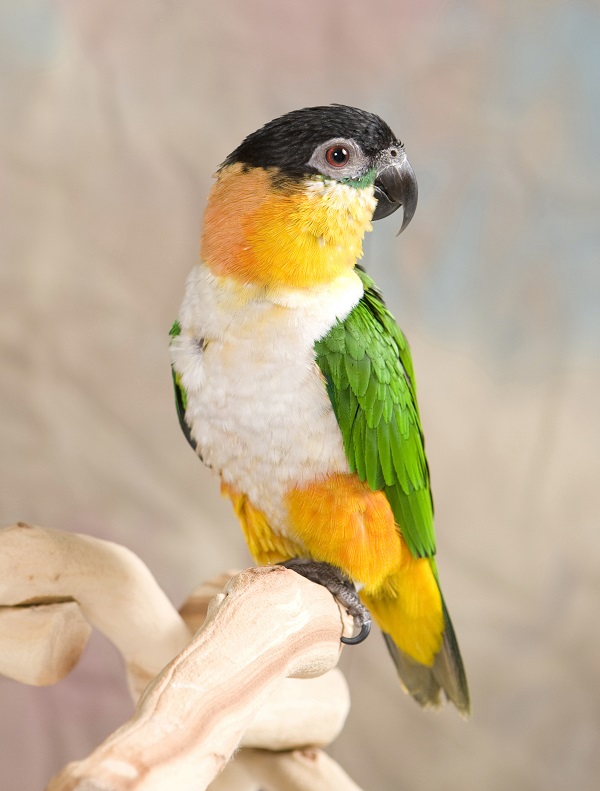
Credit: www.northernparrots.com
Frequently Asked Questions
What Is The Friendliest Pet Bird To Keep At Home?
The budgerigar, also known as a budgie, is often considered the friendliest pet bird. They are social, easy to train, and enjoy human interaction. Budgies adapt well to new environments and form strong bonds with their owners.
Are Cockatiels Good Friendly Pet Birds?
Yes, cockatiels are known for their friendly and affectionate nature. They enjoy being handled and can mimic sounds. Cockatiels are gentle, social birds that thrive on interaction, making them excellent companions for families and beginners.
How Do You Choose A Friendly Pet Bird?
Look for birds that are social, calm, and enjoy interaction. Research species known for friendliness, like budgerigars and cockatiels. Observe the bird’s behavior before purchase to ensure it is comfortable around humans and shows curiosity rather than fear.
Can Parrots Be Considered Friendly Pet Birds?
Many parrot species, such as African Greys and Amazons, are friendly and intelligent. They form deep bonds with owners and enjoy socializing. However, they require time, patience, and mental stimulation to maintain their friendly behavior.
Conclusion
Choosing the right pet bird can bring joy to your home. Friendly birds like budgies and cockatiels make great companions. They love interacting and are easy to care for. Their playful nature keeps you entertained. Parrotlets and lovebirds also offer great company.
Each bird has unique traits, making it special. Researching these traits can help you decide. The right choice depends on your lifestyle and preferences. Creating a loving environment helps these birds thrive. Your new feathered friend awaits. Enjoy the journey of pet bird companionship.