

Have you ever wondered what to do with a pet bird to keep it happy and healthy? If you have a feathered friend at home or are thinking about getting one, you probably want to give your bird the best life possible.
Birds are smart, social, and full of energy, but they need more than just food and water to thrive. You’ll discover simple and effective ways to care for your pet bird, keep it entertained, and build a strong bond that lasts.
Ready to unlock the secrets to a joyful life with your bird? Let’s dive in!
Choosing The Right Bird
Choosing the right bird is important for a happy pet and owner. Each bird species has different needs and personalities. The right match makes care easier and life more enjoyable. Consider space, time, and budget before picking a bird. Understanding popular species helps narrow down choices.
Popular Pet Bird Species
- Budgerigar (Budgie):Small, colorful, friendly, and easy to train.
- Cockatiel:Gentle, loves to whistle, and enjoys attention.
- Lovebird:Small, social, needs companionship, and playful.
- African Grey Parrot:Very intelligent, requires mental stimulation, and can mimic speech.
- Canary:Known for singing, less social, and needs less handling.
Matching Birds To Lifestyles
Consider daily routines before choosing a bird. Some birds need lots of social time. Others do well with less attention.
- Busy Schedule:Choose birds that require less interaction, like canaries or finches.
- Family with Kids:Budgies and cockatiels are good for gentle handling.
- Experienced Owners:African Grey parrots need more care and mental engagement.
- Limited Space:Small birds like lovebirds or budgies fit well in apartments.
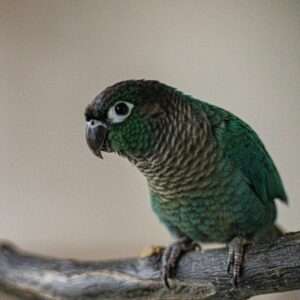
Credit: lafeber.com
Setting Up The Cage
Setting up the cage is the first step to creating a safe home for your pet bird. A well-prepared cage keeps your bird happy and healthy. It also helps prevent stress and injuries. Careful planning makes sure your bird has enough space and the right environment.
Cage Size And Placement
Choose a cage large enough for your bird to move freely. The bird should stretch its wings without touching the sides. Taller cages allow climbing and flying inside. The cage should be sturdy and easy to clean.
Place the cage in a quiet room but not too isolated. Avoid direct sunlight or drafts. Keep the cage away from kitchens to prevent smoke and fumes. Position it at eye level to help your bird feel part of the family.
Essential Cage Accessories
Include perches of different sizes and materials for foot health. Use natural wood perches when possible. Add food and water dishes that are easy to reach and clean.
Provide toys to stimulate your bird’s mind and prevent boredom. Rotate toys regularly to keep interest. Use a cage cover at night to help your bird sleep well.
Feeding Your Bird
Feeding your bird goes beyond just filling their bowl. It shapes their health, behavior, and happiness. Paying attention to what you offer can make a big difference in how vibrant and active your feathered friend becomes.
Balanced Diet Essentials
Your bird needs a mix of nutrients to thrive. Seeds alone won’t cut it—they lack vital vitamins and minerals.
Include a variety of fresh fruits, vegetables, and high-quality pellets designed for your bird’s species. For instance, small parrots benefit from pellets, leafy greens, carrots, and apples.
Think about how you eat: would you survive on bread only? Birds feel the same way. Mixing different foods ensures they get enough protein, fiber, and vitamins.
Safe Treats And Foods To Avoid
Not all tasty treats are safe. Chocolate, avocado, caffeine, and alcohol are toxic to birds and must be avoided completely.
Safe treats include small pieces of cooked eggs, unsalted nuts, and certain fruits like blueberries or mango. These keep your bird interested without harming their health.
Have you ever noticed your bird refusing a new food? Sometimes it takes multiple tries to get them used to healthy treats. Patience pays off.
Credit: www.youtube.com
Daily Care Routine
Taking care of a pet bird every day is important for its happiness and health. A daily care routine keeps your bird comfortable and safe. Birds need clean spaces and regular health checks. This routine helps you notice any changes early. Birds thrive in a clean and attentive environment. Simple daily habits make a big difference for your feathered friend.
Cleaning And Hygiene
Clean your bird’s cage daily to prevent germs. Remove leftover food and droppings each morning. Replace the cage liner with fresh paper or substrate. Wash food and water dishes with warm, soapy water every day. Provide a shallow dish of water or a spray bottle for baths. Bathing keeps feathers clean and skin healthy. Wipe perches and toys regularly to remove dirt and dust. Keep the bird’s living area tidy to avoid bad smells and pests.
Monitoring Health Signs
Observe your bird’s behavior every day. Look for changes in appetite or activity levels. Check feathers for smoothness and brightness. Notice if your bird is sneezing or coughing. Watch for droppings that look different in color or consistency. Listen for unusual sounds or silence from your bird. Healthy birds are alert, active, and vocal. Early detection of problems helps prevent serious illness. Keep a small journal to track any health changes.
Socializing And Interaction
Socializing and interacting with a pet bird is essential for its happiness and health. Birds are social creatures that thrive on attention and connection. Spending time with your bird helps it feel safe and loved. Interaction also keeps your bird active and mentally sharp. This section explains how to build trust and offer fun activities for your feathered friend.
Building Trust With Your Bird
Trust forms the foundation of a strong bond with your bird. Start by speaking softly and moving slowly around your pet. Let the bird get used to your voice and presence without sudden actions. Offer treats by hand to encourage your bird to come closer. Patience is key—never force interaction. Respect your bird’s space and mood. Over time, your bird will feel comfortable and willing to engage.
Enrichment Activities And Toys
Provide toys that stimulate your bird’s mind and body. Choose items like swings, ladders, and chew toys. Rotate toys regularly to keep your bird interested. Create simple puzzles with treats hidden inside. Play gentle games such as teaching your bird to mimic sounds. Enrichment activities reduce boredom and prevent destructive behaviors. Keep play sessions short and fun. This helps your bird stay happy and healthy.
Training Basics
Training your pet bird builds trust and strengthens your bond. It also keeps your bird active and happy. Start with simple steps to help your bird learn easily. Be patient and consistent during training sessions. Short sessions work best to hold your bird’s attention.
Simple Commands And Tricks
Begin with easy commands like “step up” to get your bird onto your finger. Teach your bird to come to you by calling its name. Introduce tricks such as turning around or waving a wing. Use clear, short words for each command. Repeat commands often to help your bird remember them.
Positive Reinforcement Techniques
Reward good behavior immediately to encourage your bird. Use treats your bird loves for quick motivation. Praise your bird with a gentle voice and petting. Avoid punishment; it can scare or confuse your pet. Reinforce every small success to build your bird’s confidence.
Handling Common Issues
Handling common issues with pet birds helps keep them happy and healthy. Birds may show behaviors that worry owners. Understanding these behaviors is key to solving problems quickly. Many issues come from stress, boredom, or health problems. Addressing them improves your bird’s well-being and your bond.
Dealing With Noise And Biting
Birds can be noisy, especially parrots and cockatoos. Noise is their way to communicate or get attention. To reduce noise, provide toys and regular interaction. A tired bird is usually quieter. Teach your bird gentle behavior by rewarding calm moments.
Biting is another common problem. Birds bite when scared or annoyed. Watch your bird’s body language to avoid bites. Use soft voices and slow movements. Never punish biting. Instead, gently withdraw attention to show biting stops playtime.
Managing Feather Plucking
Feather plucking means a bird pulls out its feathers. It signals stress, boredom, or illness. Check the bird’s environment for changes or lack of toys. Offer new toys and more playtime to keep your bird busy. A visit to the vet can rule out health issues.
Keep the cage clean and comfortable. Proper diet also helps feather health. Avoid sudden changes in light or temperature. Patience is important; feather plucking takes time to improve. Consistent care shows your bird it is safe and loved.

Credit: www.youtube.com
Veterinary Care
Veterinary care is vital for keeping your pet bird healthy and happy. Birds can hide illnesses well, so regular vet visits help catch problems early. A bird specialist can give the right advice and treatment for your feathered friend. Proper care extends your bird’s life and improves its quality of life.
Routine Checkups
Schedule regular vet visits for your bird, at least once a year. These checkups include a physical exam and weight check. The vet will look for signs of illness and check the bird’s feathers, beak, and eyes. Routine blood tests may be done to catch hidden health issues. Vaccinations or parasite control might be recommended. Early detection helps prevent serious health problems.
Recognizing Illness Symptoms
Watch your bird closely for changes in behavior or appearance. Signs of illness include:
- Loss of appetite or weight
- Fluffed-up feathers for long periods
- Changes in droppings
- Difficulty breathing or wheezing
- Swelling or lumps
- Excessive sleeping or lethargy
- Discharge from eyes or nostrils
Any of these signs need prompt veterinary attention. Early care improves recovery chances. Do not wait for symptoms to worsen.
Frequently Asked Questions
How Do I Bond With My Pet Bird?
To bond with your pet bird, spend time talking to it daily. Offer treats from your hand to build trust. Let it explore outside its cage in a safe environment. Gradually introduce toys and activities. This helps stimulate its mind and strengthens your connection.
What Is The Best Diet For Pet Birds?
A balanced diet for pet birds includes seeds, pellets, fruits, and vegetables. Fresh water should be available at all times. Avoid feeding them chocolate, caffeine, or avocado, as these can be toxic. Consult your vet for specific dietary needs based on your bird’s species.
How Can I Keep My Bird Entertained?
Provide a variety of toys, such as swings and mirrors, to keep your bird entertained. Rotate toys regularly to maintain interest. Allow supervised out-of-cage time for exploration and exercise. Interact with your bird using whistles and games. This helps prevent boredom and encourages mental stimulation.
How Often Should I Clean The Bird Cage?
Clean your bird’s cage daily by removing waste and replacing the paper liner. Sanitize food and water dishes daily. Conduct a thorough cage cleaning weekly, washing all surfaces and accessories with bird-safe cleaners. Regular cleaning ensures a healthy environment and prevents disease.
Conclusion
Caring for a pet bird takes time and patience. Birds need love, food, and a safe home. Play with them often to keep them happy. Teach them simple tricks to build trust. Watch their health and visit a vet if needed.
Remember, each bird has its own personality. Enjoy the special bond you create together. A happy bird makes a happy home. Keep learning about your pet to give the best care. Small efforts bring big joy with pet birds.