
Have you ever wondered where kiwi birds call home? These unique, flightless birds have a special kind of habitat that helps them survive and thrive.
Understanding where kiwis live can change the way you see these fascinating creatures. If you want to discover the secrets of their environment and why it matters to their survival, keep reading. Your curiosity about kiwi birds is about to be rewarded with simple, clear answers.
Kiwi Bird Habitat Types
Kiwi birds are fascinating creatures that thrive in a variety of habitats across New Zealand. Understanding the different habitat types they live in helps you appreciate how they survive and adapt to their environment. Each habitat offers unique resources and challenges that shape the kiwi’s behavior and lifestyle.
Forests And Woodlands
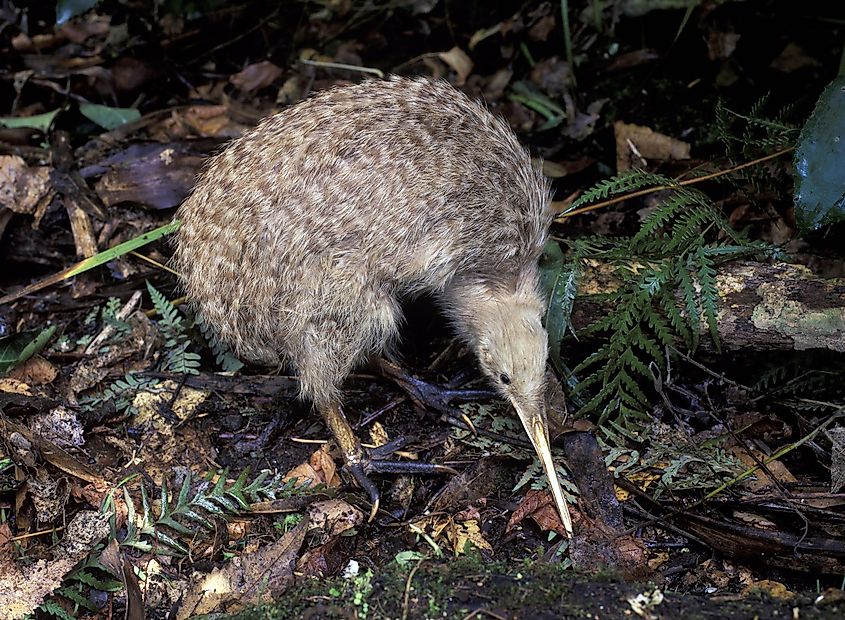
Dense forests and woodlands provide kiwis with plenty of cover and food sources. These areas have thick underbrush and leaf litter, perfect for hiding from predators and finding insects, worms, and berries.
If you’ve ever walked through a New Zealand forest, you might notice how quiet and damp it feels—a perfect setting for a nocturnal bird like the kiwi. The shelter from tall trees keeps the ground cool and moist, helping kiwis stay comfortable and well-fed.
Grasslands And Scrublands
Kiwi birds also inhabit open grasslands and scrublands, where low vegetation offers a mix of food and space to roam. These areas can be riskier due to fewer hiding spots but provide access to a variety of insects and seeds.
Have you wondered how kiwis manage to stay safe in such open spaces? They rely on their excellent sense of smell and quick reflexes to detect threats early and escape swiftly.
Wetlands And Swamps
Wetlands and swamps are surprisingly important kiwi habitats. The soft, wet ground makes it easy for kiwis to dig for worms and other invertebrates, which form a big part of their diet.
Next time you visit a swampy area, think about the kiwi’s role there. Their presence indicates a healthy ecosystem, as they depend on clean, undisturbed wetlands to thrive.
Shelter And Nesting Spots
Kiwi birds build nests in dense forests or hidden burrows to stay safe and warm. These quiet shelters protect them from predators and harsh weather. They prefer places with lots of leaves and roots to hide their eggs.
Kiwi birds, with their unique nocturnal lifestyles and flightless nature, have developed fascinating strategies for shelter and nesting. These strategies are a testament to their adaptability and resilience in the wild. Understanding their nesting habits not only gives us insights into their survival tactics but also highlights the delicate balance of their natural habitats.Burrows And Underground Nests
Kiwi birds often make their homes in burrows dug into the ground. These burrows provide protection from predators and harsh weather conditions. If you ever wander through a kiwi-inhabited forest, you might be surprised to discover that these burrows are typically well-hidden and can vary in depth and complexity. The process of burrow building is quite interesting. Kiwi use their strong legs to dig, creating a cozy, secure space. They might have several burrows within their territory, switching between them to avoid predators.Natural Hides In Vegetation
Dense vegetation offers another perfect shelter option for kiwi birds. They utilize the thick underbrush to hide from predators and stay out of sight. If you imagine walking through such a forest, consider how a kiwi might be just a few feet away, completely hidden by the lush foliage. The natural cover not only provides safety but also a strategic advantage during their nocturnal activities. As they forage at night, the vegetation helps them remain undetected. This makes it easier for them to find food without drawing attention.Use Of Rock Crevices
Rock crevices serve as excellent natural shelters for kiwi birds. These crevices offer a sturdy and reliable protection against larger predators. Imagine the rugged terrain, where a kiwi might slip into a crevice to rest during the day. The choice of rock crevices is not random. Kiwis are selective, often choosing spots that offer the best protection and temperature regulation. These crevices can be a lifesaver, especially in areas where natural vegetation is sparse. Have you ever considered how the landscape influences a creature’s choice of home? The kiwi’s use of rock crevices highlights their adaptability and the importance of preserving their natural environment.Climate And Environmental Needs
Kiwi birds thrive in very specific climate and environmental conditions that support their unique lifestyle. Understanding these needs helps you appreciate how delicate their habitat truly is. Let’s look at the temperature, humidity, and seasonal factors that shape where kiwis live.
Temperature Preferences
Kiwis favor mild temperatures that rarely swing to extremes. They are most active in cool, temperate zones where daytime heat doesn’t get too intense. You won’t find them in areas with scorching summers or freezing winters because such extremes disrupt their feeding and breeding habits.
Interestingly, kiwis tend to avoid areas where temperatures regularly exceed 25°C (77°F). This preference keeps their bodies from overheating during active nighttime foraging. Could your local climate sustain these gentle temperature ranges if you wanted to support kiwi conservation?
Humidity Levels
Humidity plays a crucial role in the kiwi’s habitat. They thrive in environments with moderate to high humidity, which helps keep their skin and feathers healthy. Dry conditions can cause stress and make it harder for them to find food like insects and worms.
Forests with dense undergrowth often provide the ideal humidity levels kiwis need. These areas also help maintain moist soil, which is essential for their diet. Have you noticed how damp, shaded areas attract more wildlife in your region?
Seasonal Changes Impact
Seasonal shifts affect kiwis in several ways, especially their breeding and feeding patterns. During wetter seasons, food becomes more abundant, boosting their chances of raising chicks successfully. In drier months, kiwis may struggle more to find enough nourishment.
These birds also adapt by altering their activity levels with the seasons, often becoming less active during colder periods. This flexibility is vital for their survival but also means they depend heavily on stable seasonal cycles. What happens if these cycles become unpredictable due to climate change?

Credit: www.peckperk.com
Food Sources In Their Habitat
Kiwi birds find their food in the dense forests and shrublands of New Zealand. Their diet depends on what their habitat offers. They eat a mix of small animals and plants. This variety helps them survive all year round.
Invertebrates And Insects
Kiwi birds mainly eat insects and other small invertebrates. They use their long beaks to dig in the soil. Worms, beetles, and larvae form a big part of their meals. These creatures are rich in protein and easy to catch. The forest floor provides plenty of hiding spots for these food sources.
Fruits And Seeds
Fruits and seeds add important nutrients to the kiwi’s diet. They eat berries and fallen fruits found on the ground. Seeds help provide energy and fiber. Kiwi birds pick these foods carefully, choosing ripe and fresh items. The variety of plants in their habitat ensures a steady supply.
Foraging Behavior
Kiwi birds forage mostly at night. Their keen sense of smell helps locate food underground. They probe the soil with their beak to find hidden insects. They move slowly and quietly to avoid predators. Foraging involves searching through leaf litter and soft earth. This behavior allows them to gather a balanced diet from their habitat.
Threats To Kiwi Habitats
Kiwi birds face many threats that harm their natural homes. These threats reduce safe spaces for kiwis to live and breed. Protecting kiwi habitats means understanding these dangers clearly.
Deforestation Effects
Forests where kiwis live are cut down for farming and buildings. Trees and plants vanish, leaving no shelter for kiwis. Without dense forest floors, kiwis find it hard to hide from danger. Loss of forest also means fewer insects for kiwis to eat.
Predator Invasion
New animals like rats, stoats, and cats enter kiwi areas. These predators hunt kiwi eggs, chicks, and even adults. Kiwis cannot run fast or fly to escape. Predator invasion causes kiwi numbers to drop quickly.
Human Activity Impact
Humans change kiwi homes by building roads and towns. Noise and lights scare kiwis and disturb their night life. People sometimes bring pets that threaten kiwi safety. Human actions can break up kiwi habitats into small, unsafe patches.

Credit: wildbloo.com
Conservation Efforts For Kiwi Homes
Kiwi birds face many threats in their natural homes. Protecting these habitats is key to their survival. Conservation efforts focus on restoring forests, controlling predators, and engaging local communities. These actions help create safer places for kiwis to live and breed.
Habitat Restoration Projects
Many kiwi habitats have been damaged by logging and farming. Restoration projects plant native trees and shrubs. These plants provide shelter and food for kiwis. Restoring wetlands and bush areas helps rebuild the natural environment. Healthy habitats support kiwi families and other wildlife.
Predator Control Programs
Kiwi eggs and chicks are easy targets for predators. Rats, stoats, and cats threaten their survival. Predator control programs use traps and poisons to reduce these dangers. These programs focus on kiwi breeding areas. Lower predator numbers mean higher kiwi survival rates.
Community Involvement
Local communities play a big role in kiwi conservation. Volunteers help with planting trees and setting traps. Schools and groups raise awareness about kiwi protection. People learn to respect kiwi habitats and avoid harm. Community support builds a strong network for kiwi care.
Credit: www.worldatlas.com
Frequently Asked Questions
What Kind Of Environment Do Kiwi Birds Prefer?
Kiwi birds prefer dense, subtropical and temperate forests. They thrive in areas with thick undergrowth for shelter and food. Moist soil helps them find insects and worms. Kiwi habitats also include scrublands and grasslands with ample cover.
Where Are Kiwi Birds Mostly Found In The Wild?
Kiwi birds are mostly found in New Zealand. They inhabit both the North and South Islands. They live in protected forests, reserves, and remote rural areas. Habitat loss has limited their range, but conservation helps maintain wild populations.
How Does Habitat Affect Kiwi Bird Survival?
Kiwi survival depends on dense vegetation for protection. Safe habitats reduce predator threats like dogs and stoats. Moist, rich soils support their diet of invertebrates. Habitat destruction directly threatens their breeding and feeding success.
Can Kiwi Birds Live Outside Forest Habitats?
Kiwi birds can adapt to scrublands and grasslands. However, they need sufficient cover to hide from predators. Open areas expose them to danger and reduce food availability. Forest habitats remain their preferred and safest environment.
Conclusion
Kiwi birds live in forests, grasslands, and scrub areas. They need places with thick plants to hide and find food. These habitats offer safety from predators and a good supply of insects and worms. Protecting their homes helps kiwi birds survive and grow.
People can help by supporting conservation efforts and keeping nature safe. Kiwi birds remind us how important healthy habitats are for wildlife. Their unique homes show nature’s variety and beauty.