
Have you ever spotted a striking orange and black bird flying through South East Texas and wondered what it is? These vibrant colors catch your eye and spark your curiosity.
But why does this bird choose this area to migrate through? If you want to learn more about this fascinating traveler of the skies, keep reading. You’ll discover not only what this bird is but also why its journey matters to the local environment and to you.
Don’t miss out on uncovering the story behind this colorful visitor.
Credit: nationalzoo.si.edu
Identifying The Orange And Black Bird
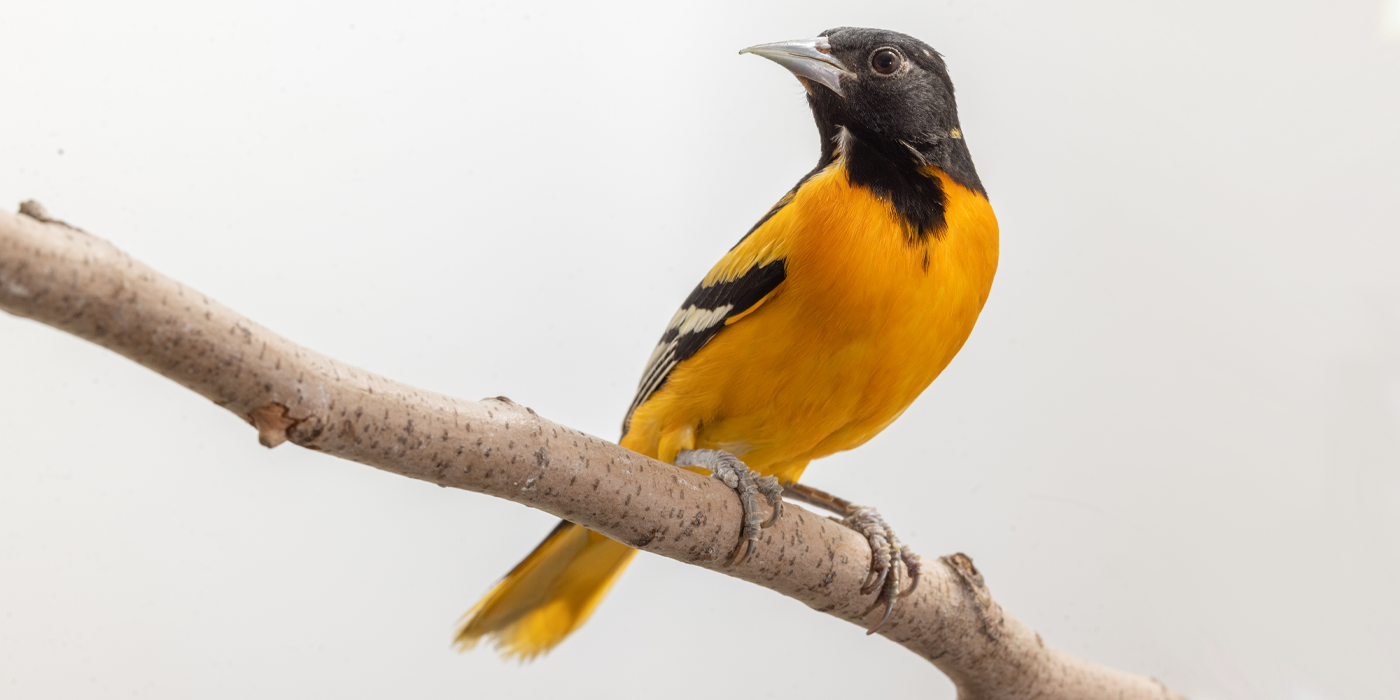
Bright orange and black colors help spot the Baltimore Oriole during migration in Southeast Texas. This bird’s sharp markings and sweet song make it easy to identify. Watch for them in spring and fall as they travel through the region.
Identifying the Orange and Black Bird In Southeast Texas, birdwatchers often spot a striking orange and black bird. This migratory bird brings vibrant colors to the region. Identifying this bird can be a delightful challenge. Let’s explore its unique features.Distinctive Colors And Markings
The bird displays vivid orange and black plumage. Its belly and chest are bright orange. The wings and back are primarily black. These bold colors make it stand out among other species. You might notice white wing bars adding contrast. The overall pattern is eye-catching and unique.Size And Shape Characteristics
This bird is medium-sized and sleek. Its body is streamlined, aiding in its migration journey. The wings are relatively long, providing efficient flight. It has a slender, pointed bill. This feature helps in feeding on insects and nectar.Common Confusions With Other Species
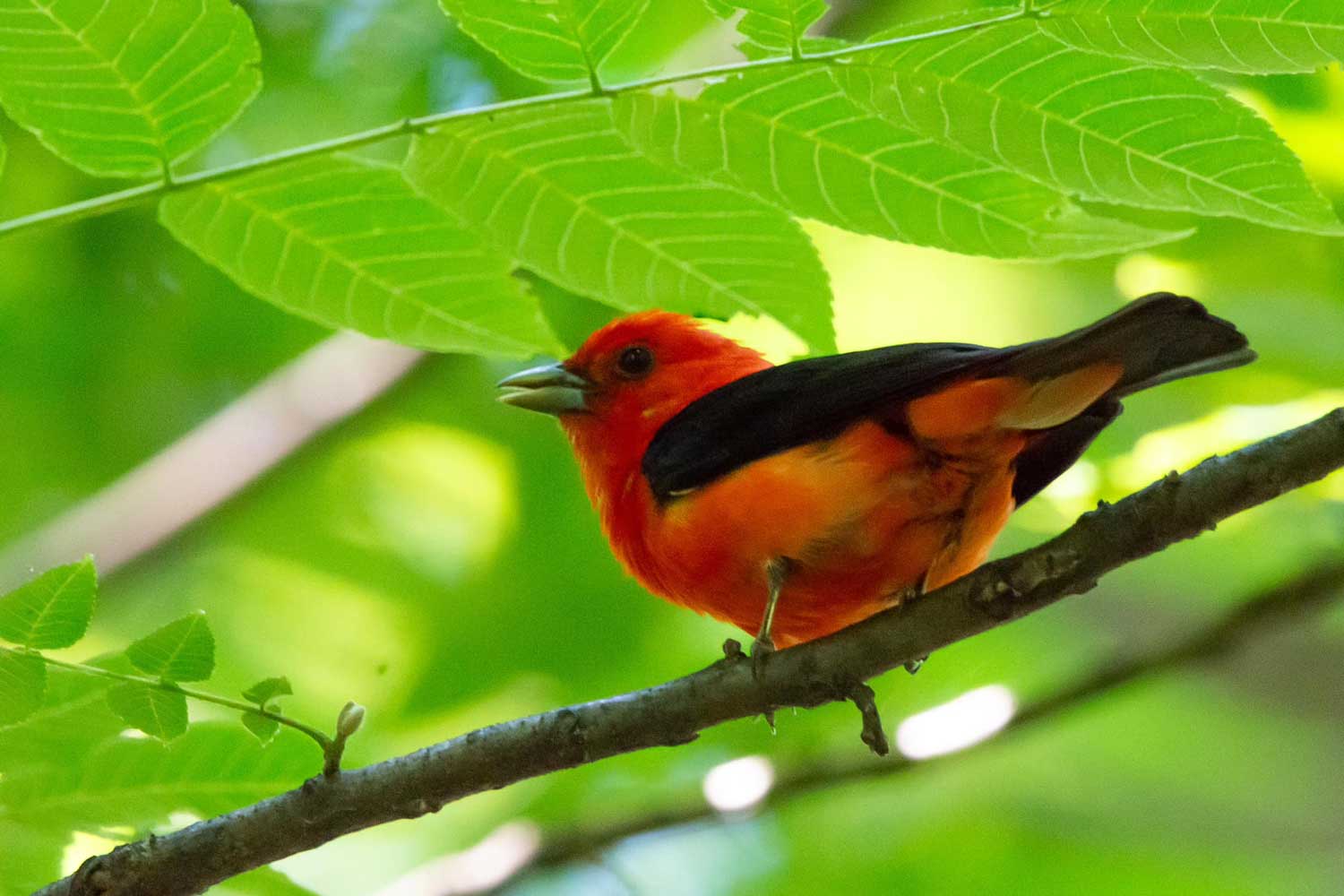
Many confuse this bird with the American Robin. While both have orange chests, their markings differ. The Orchard Oriole is another similar species. It has a more reddish-orange hue. Observing the distinct patterns helps in accurate identification.
Credit: wildbloo.com
Migration Patterns In South East Texas
Migration patterns of the orange and black bird, commonly known as the Baltimore Oriole, reveal fascinating behaviors as these vibrant birds pass through South East Texas. Understanding these patterns helps bird watchers and nature lovers know when and where to spot these colorful visitors. The journey of these birds is not random—it follows precise timing, routes, and is influenced by various environmental factors.
Timing Of Migration
The Baltimore Oriole typically migrates through South East Texas during the spring and fall seasons. Spring migration usually occurs from late March to early May, as they head north to their breeding grounds. In the fall, they return south between late August and early October to spend the winter in Central and South America.
If you want to witness their vibrant presence, plan your birdwatching trips around these months. Have you noticed changes in migration timing in recent years where you live?
Typical Routes Taken
These birds follow well-established flyways that include stopover points in South East Texas. They often use river corridors like the Trinity and Sabine Rivers as natural guides during migration. Urban green spaces and wooded areas in this region also serve as critical rest stops for feeding and shelter.
Watching them navigate these routes can give you insights into the importance of preserving local habitats. Could your backyard become a vital pit stop for migrating orioles?
Factors Influencing Migration
Several factors impact the migration of orange and black birds through South East Texas. Weather conditions, such as temperature and wind patterns, play a major role in deciding when these birds start their journey. Availability of food sources like nectar and insects influences their stopover duration and success.
Human activities, including urban development and habitat destruction, can disrupt their traditional routes. By planting native flowers and avoiding pesticide use, you can help create a safer passage for these migrating birds.
Habitat Preferences During Migration
Understanding the habitat preferences of the striking orange and black bird migrating through South East Texas helps you spot them more easily. These birds are selective about where they pause during their long journey, choosing places that meet their basic needs. Paying attention to these preferences not only enhances your birdwatching experience but also supports conservation efforts in the region.
Preferred Stopover Locations
During migration, these birds favor wetlands, coastal prairies, and forest edges. In South East Texas, areas like the Big Thicket National Preserve and coastal marshes provide safe resting spots. You might notice them gathering near ponds or slow-moving streams where they can quickly regain energy.
Have you ever wondered why some parks have more bird activity than others? It often comes down to the availability of water and shelter. These stopover sites offer both, making them hotspots for migratory birds.
Feeding Habits On The Route
Along the migration path, the orange and black bird relies heavily on insects and berries. Their diet shifts depending on what’s abundant at each stop. You can see them actively hunting for caterpillars, beetles, and occasionally sipping nectar from flowers.
If you want to attract these birds to your backyard, consider planting native shrubs that produce berries in the fall. Providing shallow water sources also encourages them to pause and feed. What types of plants are you growing that might support local wildlife?
Nesting Areas In South East Texas
While migration is mainly about moving, some orange and black birds choose to nest in South East Texas when conditions are right. They prefer dense thickets and brushy areas that offer protection from predators. Places with a mix of open space and cover are ideal for raising their young.
On one memorable hike, I spotted a nest tucked away in a thick cedar patch. Observing this made me realize how crucial these habitats are for the birds’ survival beyond migration. Are you familiar with local spots that provide safe nesting grounds?
Notable Sightings And Birdwatching Tips
Spotting the striking orange and black bird migrating through Southeast Texas can be a thrilling experience. Knowing where and when to look increases your chances of witnessing this vibrant visitor. Here are some practical tips and insights to help you make the most of your birdwatching adventures.
Popular Spots For Observing
Southeast Texas offers several prime locations to catch sight of the orange and black bird during migration. Consider visiting:
- Sabine Woods:Known for its diverse bird population and well-maintained trails.
- Sea Rim State Park:Offers coastal views where these birds often stop to rest.
- Big Thicket National Preserve:A rich habitat with plenty of cover and food sources.
These areas often have local birdwatching groups you can join for guided tours. Have you ever found a hidden gem spot by chatting with local birders?
Best Times For Viewing
The migration peaks during early spring and late fall. Early mornings right after sunrise are usually the best times to see these birds actively feeding and moving.
Cooler days with light winds improve visibility and bird activity. Tracking weather patterns can give you an edge in planning your outings.
Photography And Observation Techniques
Using binoculars and a camera with a zoom lens helps capture the bird’s vivid colors without disturbing it. Patience is key—find a comfortable spot and wait quietly.
Try to anticipate the bird’s flight paths and perching habits. Shooting in natural light, especially during the golden hours, enhances photo quality.
Have you experimented with different angles or backgrounds to make your bird photos stand out? Sometimes, a unique perspective can reveal details others miss.
Conservation Status And Challenges
The orange and black bird migrating through South East Texas faces a tough road ahead. Understanding its conservation status and the challenges it encounters is crucial for anyone who cares about preserving this vibrant traveler. These birds not only brighten our skies but also serve as vital indicators of the health of our environment.
Threats Faced During Migration
During migration, these birds face multiple threats that can reduce their numbers dramatically. Habitat loss is a major issue, as urban development and agriculture shrink the safe resting and feeding spots along their route.
Additionally, harsh weather conditions and predation add to their risks. Many birds struggle with exhaustion and scarcity of food, making every mile a fight for survival.
Conservation Efforts In South East Texas
South East Texas has seen dedicated efforts to protect these migratory birds and their habitats. Local organizations work to preserve wetlands and native vegetation that serve as crucial stopover points.
There are also programs focused on educating the public about the importance of these birds and how to keep their environments safe. Community involvement in habitat restoration projects has shown promising results.
How Birdwatchers Can Help
If you enjoy watching these orange and black birds, you can play a key role in their conservation. You can report sightings to local wildlife groups to help track their migration patterns.
Creating bird-friendly spaces in your backyard by planting native flowers and avoiding pesticides provides vital food sources. Volunteering for habitat clean-ups or joining citizen science projects also makes a real difference.
Have you ever noticed how small actions can add up to big changes? Your efforts could be the reason these birds continue to grace our skies year after year.
Credit: www.reconnectwithnature.org
Frequently Asked Questions
What Orange And Black Bird Migrates Through South East Texas?
The Baltimore Oriole is an orange and black bird migrating through South East Texas. It travels from Central America to North America during spring and fall. This bird prefers open woodlands and is known for its vibrant colors and melodic songs.
When Does The Orange And Black Bird Migrate In South East Texas?
Baltimore Orioles typically migrate through South East Texas between March and April in spring. They return south from August to September in fall. Migration timing depends on weather and food availability, often coinciding with blooming trees and insect abundance.
Why Does This Bird Migrate Through South East Texas?
South East Texas offers a rich habitat with abundant food and shelter during migration. The area acts as a critical stopover for Baltimore Orioles to rest and refuel. This helps them complete their long journey safely between breeding and wintering grounds.
How Can I Identify The Orange And Black Migrating Bird?
Look for bright orange underparts and black wings with white wing bars. Male Baltimore Orioles are more vivid than females. Their distinct flute-like songs and hanging, woven nests also help identify them during migration in South East Texas.
Conclusion
The orange and black bird traveling through Southeast Texas is a fascinating sight. This bird’s migration shows nature’s amazing patterns. Watching it helps people connect with wildlife. Southeast Texas offers a perfect path for this journey. Many enjoy spotting this colorful traveler each year.
The bird’s bright colors make it easy to identify. Learning about its migration helps protect its route. Nature lovers and bird watchers find joy in this annual event. Keep an eye out and appreciate this special visitor. It reminds us of the beauty in simple things.