
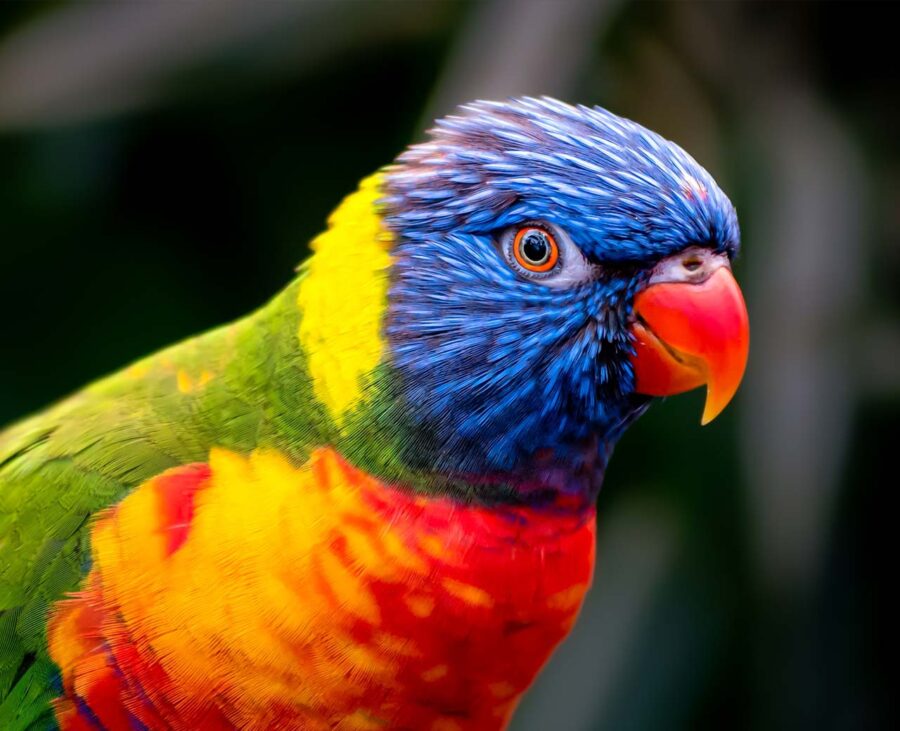
Have you ever looked at your colorful feathered friend and wondered, “What pet bird do I have? It’s green and red.” You’re not alone.
Identifying your bird can be tricky, especially when bright colors blend together. But knowing exactly what type of bird you have is key to giving it the best care. You’ll discover simple ways to recognize your green and red pet bird.
By the end, you’ll feel confident and ready to understand your bird’s unique needs. Keep reading—your feathered companion will thank you!
Common Green And Red Pet Birds
Green and red are striking colors in the bird world. When you spot a pet bird with these colors, you might wonder, “What bird do I have?” Knowing the common green and red pet birds can help you identify your feathered friend quickly. These colors often signal vibrant species loved by many bird enthusiasts.
Popular Species With Green And Red Colors
Several pet birds show a mix of green and red in their feathers. The Green-Cheeked Conure is a favorite for many. It has a mostly green body with red patches on its belly and tail.
The Red Lory stands out with its bright red head and green wings. This species is known for its playful nature and loud calls.
Don’t forget the Eclectus Parrot, where males are green with red and blue highlights. They are known for their calm demeanor and talking ability.
- Green-Cheeked Conure:Small, playful, green with red belly and tail.
- Red Lory:Bright red head, green wings, very social.
- Eclectus Parrot (male):Vivid green body with red and blue highlights.
Physical Traits To Note
When identifying your bird, look beyond colors. Check the size of your bird; small birds like conures differ greatly from larger parrots.
Notice the shape of the beak. Curved beaks often mean parrots, while straight beaks might belong to other species.
Pay attention to the feather patterns too. Some birds have solid color patches, while others display mixed or spotted feathers.
| Trait | What to Look For | Example Species |
|---|---|---|
| Size | Small to medium-sized | Green-Cheeked Conure |
| Beak Shape | Strong curved beak | Eclectus Parrot |
| Feather Pattern | Solid red patches, mixed colors | Red Lory |
Have you noticed any unique traits in your bird that don’t match these descriptions? Sometimes, small details make all the difference when identifying your pet bird.
Key Identification Features
Identifying a pet bird that has green and red colors requires close attention to its key features. These details help distinguish one species from another. Observing the beak, feathers, and body shape offers strong clues.
Each of these features shows unique traits. They guide you to the correct bird type quickly and easily.
Beak Shape And Size
The beak is an important clue for bird ID. Some green and red birds have strong, curved beaks. Others may have shorter or more pointed beaks.
For example, parrots often have large, hooked beaks for cracking seeds. Smaller birds may have thin, straight beaks for eating insects or nectar. The color of the beak can also vary, sometimes matching the bird’s feathers or standing out in bright colors.
Feather Patterns And Markings
Feather colors and patterns are key to telling birds apart. Green and red colors can mix in many ways. Some birds have solid green bodies with bright red patches on the head or wings.
Others show stripes, spots, or bands of red against green. Some even have red feathers only on the tail or chest. Look closely at the size and shape of these markings. They often help identify the exact bird species.
Body Size And Shape
Body size gives a quick idea of the bird’s type. Some green and red birds are small and slim, while others are larger and rounder. Size relates to their behavior and habitat.
Shape is also important. Some birds have long tails or necks. Others may have short, stocky bodies. This affects how they fly and move. Noting these differences helps narrow down your bird’s identity fast.
Behavior And Vocalizations
Understanding the behavior and vocalizations of your green and red pet bird helps you connect better. Birds use sounds and actions to express feelings and needs. Observing these signals reveals their mood and health. Each bird species has unique ways to communicate and behave.
Typical Bird Sounds
Green and red pet birds often produce a variety of sounds. Chirps and whistles are common and mean the bird feels happy or curious. Squawks and loud calls may signal alarm or a call for attention. Some birds mimic sounds they hear around them. Listening closely helps you understand what your bird tries to say.
Common Behaviors
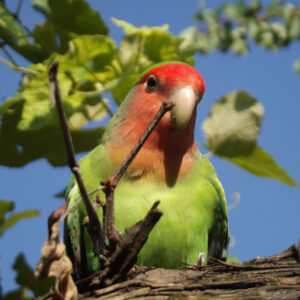
These birds enjoy climbing and exploring their cages. They use their beaks to play with toys or chew on wood. Preening is a sign of comfort and health, where they clean their feathers. Sometimes, they bob their heads or flap wings to show excitement. Watching these actions gives clues about their mood and well-being.
Credit: lafeber.com
Habitat And Origin
Understanding the habitat and origin of your green and red pet bird helps in caring for it better. These birds come from unique places with specific environments. Knowing where they live naturally gives clues about their behavior and needs. This section explores the natural surroundings and geographic areas these birds call home.
Natural Environments
These birds thrive in warm, tropical areas. They prefer forests with many trees for shelter and food. Dense foliage offers protection from predators. They often live near rivers or water sources. This helps them stay hydrated and find food easily. Their natural habitats have plenty of fruits, seeds, and flowers.
They enjoy flying freely among the branches. The environment is usually humid and full of life. Trees such as palms and hardwoods form the perfect home. Birds build nests in tree holes or dense bushes. This keeps eggs and chicks safe from harm.
Geographic Distribution
Green and red birds are common in parts of South America. Countries like Brazil, Peru, and Colombia host many species. Some are also found in Central America. These birds have adapted well to different forest types. From lowland rainforests to mountainous regions, they survive well.
They are less common in dry or cold areas. Their bright colors help them blend in with tropical plants. This camouflage protects them from predators. Many pet birds come from these natural regions through legal breeding programs.
Care Tips For Green And Red Birds
Green and red birds make vibrant, lively pets. Their bright colors show their health and mood. Proper care helps them stay happy and strong. Understanding their needs improves their life quality and your bond. Here are essential care tips for these colorful birds.
Dietary Needs
Green and red birds require a balanced diet. Fresh fruits and vegetables provide vital vitamins. Seeds and pellets offer necessary proteins and fats. Avoid feeding them too many sunflower seeds. Clean, fresh water must be available at all times.
- Offer leafy greens like spinach and kale
- Include fruits such as apples and berries
- Provide a variety of seeds and pellets
- Limit sugary or fatty treats
- Change water daily to keep it fresh
Housing Requirements
These birds need a spacious cage for flying and playing. The cage should have horizontal bars for climbing. Place perches of different sizes and textures inside. Toys help keep their minds active and prevent boredom. Keep the cage clean and away from drafts or direct sunlight.
- Choose a cage at least twice the bird’s wingspan
- Use natural wood or rope perches
- Rotate toys every week
- Clean the cage regularly
- Place cage in a quiet, safe area
Health Considerations
Monitor your bird’s behavior and appearance daily. Look for signs like dull feathers or lack of appetite. Regular vet check-ups prevent serious illnesses. Maintain good hygiene to avoid infections. Stress can weaken their immune system, so keep their environment calm.
- Watch for changes in eating and activity
- Schedule annual vet visits
- Keep food and water dishes clean
- Provide a calm and stable environment
- Quarantine new birds before introducing them
Credit: lafeber.com
Popular Green And Red Pet Bird Species
Identifying your green and red pet bird can be exciting, especially when you realize how vibrant and diverse these species are. Many popular pet birds showcase this striking color combination, making them favorites among bird lovers. Understanding their unique traits helps you care for them better and enjoy their company more.
Green-cheeked Conure
The Green-Cheeked Conure is a small parrot known for its playful personality and beautiful green feathers with hints of red on the belly and tail. These birds are social and enjoy interacting with their owners, making them great companions. Have you noticed how their curious nature keeps you entertained every day?
Besides their lively behavior, Green-Cheeked Conures are relatively quiet compared to other parrots, which makes them suitable for apartment living. Their easy-to-manage size and affectionate nature often surprise first-time bird owners.
Red-masked Parakeet
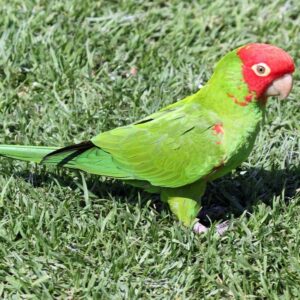
The Red-Masked Parakeet stands out with its bright green body and a striking red face, which looks like a mask. If you want a bird with a bold personality and vivid colors, this species might be your match. They can be quite vocal, so think about whether your living environment supports a chatty pet.
These parakeets are intelligent and enjoy challenges, so providing toys and puzzles can keep them happy. Have you ever tried teaching your bird simple tricks? Red-Masked Parakeets usually respond well to consistent training and attention.
Eclectus Parrot
Eclectus Parrots are famous for their stunning sexual dimorphism: males are bright green with red and blue accents, while females are mostly red and purple. If your bird has both green and red feathers, it might be a male Eclectus with some unique color patterns or a female showing transitional plumage.
These parrots are known for their calm temperament and impressive talking ability. Do you enjoy a bird that can engage you in long conversations? Eclectus Parrots thrive on interaction and mental stimulation, so they need plenty of social time.
:strip_icc()/plum-headed-parakeet-188104880-5b53f91fc9e77c0037e42c5a.jpg)
Credit: www.thesprucepets.com
Frequently Asked Questions
What Pet Bird Has Green And Red Colors?
A common pet bird with green and red colors is the Green-Cheeked Conure. It has vibrant green feathers and red patches on its tail and wings. These birds are playful, social, and popular among bird enthusiasts.
How To Identify My Green And Red Pet Bird?
Look for size, feather patterns, and beak shape. Green and red parrots like the Green-Cheeked Conure or Alexandrine Parakeet are good candidates. Observe their behavior and vocal sounds for further identification.
Are Green And Red Pet Birds Good For Beginners?
Yes, many green and red pet birds like the Green-Cheeked Conure are beginner-friendly. They are social, adaptable, and relatively easy to care for, making them great pets for first-time bird owners.
What Diet Suits Green And Red Pet Birds?
Green and red pet birds thrive on a balanced diet of pellets, fresh fruits, vegetables, and occasional seeds. Avoid avocado, chocolate, and caffeine as they are toxic to birds.
Conclusion
Discovering your bird’s identity can be exciting and fun. Green and red feathers are common in many birds. These colors may belong to parrots or other tropical species. Observing their behavior helps too. Some birds are playful, while others are calm.
Visit a local bird expert for more guidance. They can offer insights on your bird’s species. Enjoy your time learning about your feathered friend. Your bond will grow stronger with each discovery. Happy bird-watching and bonding!