
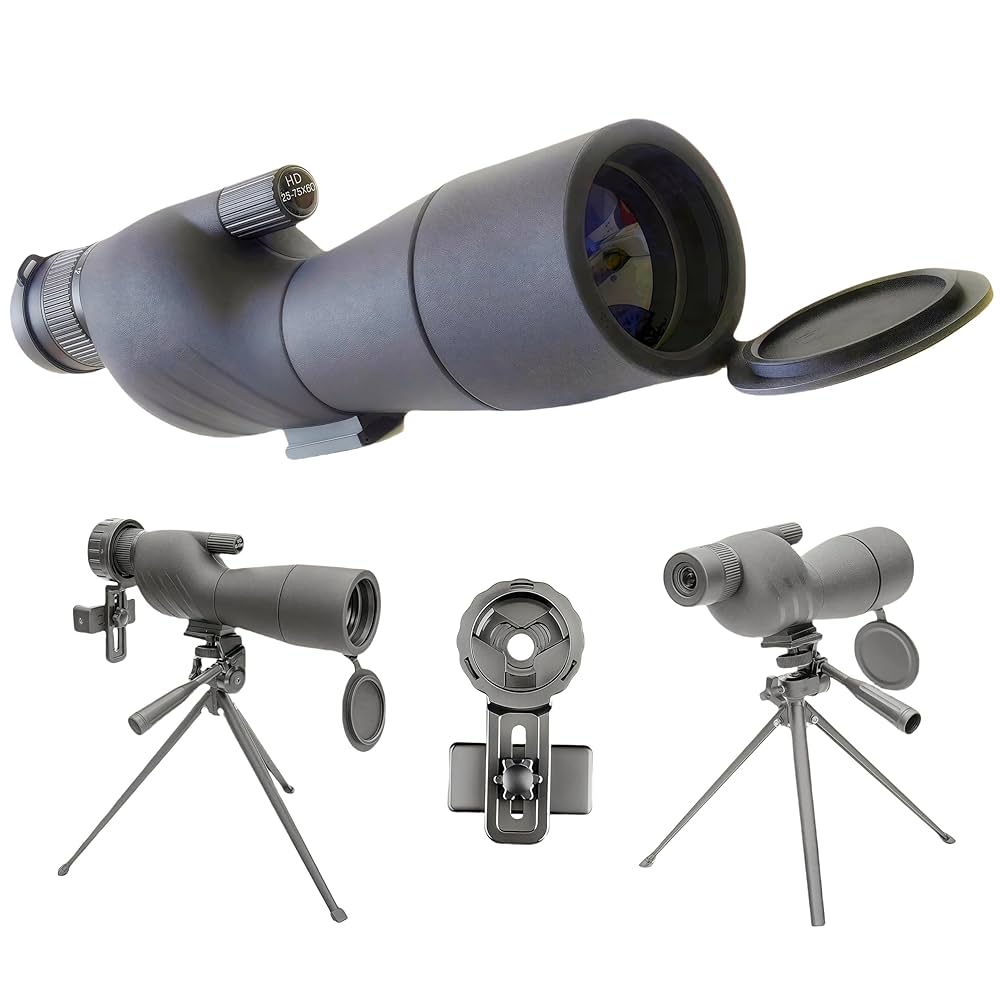
Are you ready to explore the wonders above and around you with one simple tool? Choosing the right telescope can transform your star gazing nights and bird watching mornings into unforgettable experiences.
But with so many options out there, how do you find the perfect one that suits both hobbies? This guide will help you discover the best telescope for your needs, making every glance sharper and every detail clearer. Keep reading to unlock the secrets to picking a telescope that brings the sky and nature right to your eyes.
Choosing Between Astronomy And Birding Telescopes
Choosing the right telescope depends on your main interest—stars or birds. Astronomy telescopes offer high magnification for distant objects in the sky. Birding scopes focus on clarity and color for nearby wildlife viewing.
Choosing between telescopes for astronomy and bird watching can be tricky. Both activities require specific features to enhance the viewing experience. It’s essential to understand how these telescopes differ to make an informed choice.Key Differences In Design
Astronomy telescopes often have larger apertures. This allows more light to enter, making faint stars visible. Birding telescopes, or spotting scopes, are more compact and portable. They are designed for daytime use and are often waterproof. This makes them ideal for outdoor adventures. Astronomy telescopes are usually heavier and require a stable setup. Spotting scopes are lighter, allowing quick adjustments to follow moving birds.Field Of View Considerations
The field of view is crucial for both star gazing and bird watching. Astronomy telescopes offer a narrower field of view. This focuses on specific celestial objects. Spotting scopes provide a wider field of view. It helps in locating and tracking birds in their natural habitat. A wider field of view is beneficial for observing wildlife. It offers a broader perspective of the surrounding environment.Magnification Needs
Magnification differs significantly between the two types of telescopes. Astronomy telescopes have high magnification. This is necessary to observe distant planets and stars. Spotting scopes offer moderate magnification. This allows viewers to see birds clearly without losing detail. High magnification in spotting scopes can be challenging. It may lead to a shaky image without proper stabilization. For birding, clarity and ease of use are more important than high magnification.Types Of Telescopes For Star Gazing
Choosing the right telescope enhances star gazing experiences. Different types suit various needs and skill levels. Understanding each type helps pick the best one for clear views of stars and planets.
Refractor Telescopes
Refractor telescopes use lenses to bend light and create images. They offer sharp, high-contrast views and require little maintenance. These telescopes work well for observing planets and the moon. Their sealed tubes prevent dust and dirt from entering. Refractors are often compact and easy to transport.
Reflector Telescopes
Reflector telescopes use mirrors to gather and focus light. They provide bright images and are usually more affordable for larger apertures. These telescopes excel at viewing faint objects like galaxies and nebulae. Reflectors need occasional alignment of mirrors for best performance. They tend to be bulkier than refractors but offer great value.
Compound Telescopes
Compound telescopes combine lenses and mirrors to improve image quality. They offer a compact design with longer focal lengths in a smaller size. These telescopes suit both star gazing and bird watching well. They reduce optical errors like chromatic aberration and provide clear, bright images. Compound models often come with advanced features for easy use.
Telescopes Best Suited For Bird Watching
Choosing the right telescope for bird watching enhances your outdoor experience. Different devices suit various needs and environments. The best options focus on clarity, portability, and ease of use. Understanding the types helps pick the right tool for your bird watching adventures.
Spotting Scopes
Spotting scopes offer powerful magnification and sharp images. They are ideal for viewing birds from a distance. These scopes often come with adjustable tripods for stability. Their compact design allows easy transport to remote locations. Spotting scopes provide clear, detailed views of birds’ features and behaviors.
Monoculars
Monoculars are lightweight and simple to use. They fit in one hand and are easy to carry on hikes. Their single lens offers good magnification for quick bird spotting. Monoculars work well for casual watchers and beginners. They provide a fast and easy way to spot birds without bulky gear.
Binoculars With High Magnification
Binoculars with high magnification balance power and portability. They give a wide field of view and strong zoom capability. Binoculars allow both eyes to see simultaneously, reducing eye strain. High magnification helps observe small or far-away birds clearly. These binoculars are excellent for detailed bird watching in varied environments.
Important Features To Consider
Choosing the right telescope for star gazing and bird watching depends on key features. These features affect how well you see distant stars and birds. They also influence how easy the telescope is to carry and use. Understanding these features helps pick the best tool for clear views and enjoyable experiences.
Aperture Size
The aperture is the diameter of the telescope’s main lens or mirror. It controls how much light the telescope gathers. Larger apertures show more detail and brighter images. For star gazing, bigger apertures reveal faint stars and planets. For bird watching, a medium aperture balances brightness and portability.
Portability And Weight
Portability matters for carrying the telescope to different spots. Light and compact models are easier to transport. Heavy telescopes can be tiring to carry and set up. A portable telescope lets you explore nature without hassle. Look for designs that fit your travel style and storage space.
Mount Types And Stability
A stable mount keeps the telescope steady while observing. Wobbly mounts cause blurry images. Common mounts include altazimuth and equatorial types. Altazimuth mounts move up, down, left, and right. Equatorial mounts follow the sky’s rotation for easier tracking. Choose a mount that suits your needs and skill level.
Lens Coatings And Clarity
Lens coatings reduce glare and improve image quality. They increase light transmission through the lenses. Clear lenses produce sharper and brighter views. Multi-coated lenses offer the best clarity for star gazing and bird watching. Check for telescopes with quality coatings to enjoy crisp images.
Budgeting For Your Telescope
Setting a budget helps narrow down telescope choices for star gazing and bird watching. It guides you to find the best features within your price range. Telescopes range from simple models to advanced instruments. Understanding what each price category offers saves time and money. Choose a telescope that fits your budget and needs.
Entry-level Options
These telescopes cost less and suit beginners. They are lightweight and easy to carry. Ideal for casual bird watchers and new stargazers. Most models offer decent image quality for the price. Look for:
- Small aperture size (60mm to 80mm)
- Simple mounts like altazimuth
- Basic eyepieces included
Entry-level telescopes are perfect for learning and short sessions outdoors.
Mid-range Choices
Mid-range telescopes offer better optics and durability. They provide clearer views of birds and celestial objects. These models often include:
- Larger aperture (90mm to 130mm)
- Stable mounts with slow-motion controls
- Additional eyepieces and accessories
Mid-range options balance performance and affordability well. They suit regular hobbyists wanting sharper images.
High-end Models
High-end telescopes deliver excellent clarity and advanced features. Suitable for serious bird watchers and astronomy fans. These models feature:
- Large apertures (above 150mm)
- Computerized mounts and tracking systems
- High-quality optics and build materials
Expect superior image sharpness and ease of use outdoors or at night.

Credit: www.amazon.com
Accessories To Enhance Your Experience
Accessories play a key role in improving your star gazing and bird watching experience. They help stabilize your view and make your sessions more comfortable. Choosing the right accessories can bring clarity and ease to your observations. Here are some essentials to consider.
Tripods And Mounts
Stable support is crucial for clear viewing. Tripods keep your telescope steady and reduce shaking. Some mounts allow smooth movement to track birds or celestial objects. Adjustable tripods suit uneven ground and different heights. Look for lightweight models if you travel often. A steady base enhances sharpness and comfort during long sessions.
Eyepieces And Filters
Eyepieces change magnification and field of view. Different eyepieces let you zoom in closer or see wider areas. Filters improve contrast and reduce glare. For star gazing, filters can highlight planets or reduce light pollution. For bird watching, filters help reduce haze and improve color. Carrying a set of eyepieces and filters offers flexibility for varied conditions.
Carrying Cases
Protect your telescope and accessories with a good case. Cases prevent scratches, dust, and damage during transport. Padded interiors keep your gear safe and organized. Choose a case with compartments for eyepieces and filters. A durable, water-resistant case extends your equipment’s life. Easy-to-carry cases make outdoor trips more convenient and stress-free.
Tips For Using Telescopes Outdoors
Using a telescope outdoors can transform your experience of star gazing and bird watching. However, to get the most out of your device, certain practical tips can make a big difference. Paying attention to setup, environment, and care will help you enjoy clearer views and protect your telescope over time.
Setting Up For Optimal Viewing
Find a stable, level surface to place your telescope. Uneven ground can cause shaky images, making it hard to focus on distant birds or stars. Use a tripod with adjustable legs to maintain steadiness, especially on rough terrain.
Align your telescope carefully with the object you want to observe. Taking a few extra minutes to calibrate can save frustration later. If you’re star gazing, try to avoid pointing the telescope near bright streetlights or the moon, which can wash out faint stars.
Weather And Light Conditions
Clear skies are essential for star gazing, but humidity and wind also affect your viewing. High humidity can cause lens fogging, while wind can shake your telescope, blurring the view. Choose calm, dry nights for the best stargazing sessions.
For bird watching, early mornings or late afternoons offer softer light and more active wildlife. Avoid bright midday sun, which can create harsh shadows and make it hard to see details. Think about how light and weather conditions change throughout the day and plan your outing accordingly.
Maintenance And Care
Clean your telescope’s lenses regularly with a soft, lint-free cloth. Dirt and smudges can reduce image clarity dramatically. Avoid using household cleaners; instead, use special lens cleaning solutions designed for optical equipment.
Protect your telescope from dust and moisture by storing it in a padded case when not in use. After outdoor sessions, wipe down the telescope to remove any dirt or dew. How often do you check your gear for damage? Small scratches or loose parts can worsen if ignored.

Credit: www.amazon.com

Credit: www.amazon.com
Frequently Asked Questions
What Is The Best Telescope For Star Gazing?
The best telescope for star gazing offers clear, bright images with high magnification. A refractor or Dobsonian telescope is ideal for beginners and enthusiasts alike.
Can I Use One Telescope For Birds And Stars?
Yes, a versatile spotting scope or a telescope with low to medium magnification works well for both bird watching and star gazing. Choose one with good optics and portability.
Which Telescope Features Suit Bird Watching?
Bird watching telescopes need lightweight design, wide field of view, and clear, sharp images. A spotting scope with 20-60x magnification is perfect for this purpose.
How Important Is Telescope Portability For Outdoor Use?
Portability is crucial for outdoor star gazing and bird watching. Lightweight, compact telescopes are easier to carry and set up in different locations.
Conclusion
Choosing the right telescope helps you enjoy both stars and birds clearly. A good telescope shows details in the night sky and during the day. Consider size, ease of use, and lens quality before buying. Small, portable models often work best for beginners.
Keep your interests in mind to pick the perfect one. Enjoy exploring nature and the universe with the right telescope. Happy star gazing and bird watching!