

Have you ever wondered why birds suddenly take off and fly thousands of miles at certain times of the year? This incredible movement isn’t random—it’s a special kind of behavior that helps birds survive and thrive.
Understanding what type of behavior bird migration is can give you a new appreciation for these amazing creatures. You’ll discover the secrets behind why birds migrate, what triggers this behavior, and how it affects their lives. Keep reading to uncover the fascinating story behind one of nature’s most remarkable journeys.
Bird Migration Patterns
Bird migration is a natural behavior where birds travel seasonally to find food and better living conditions. This movement helps them survive harsh weather and raise their young safely.
Bird migration is a fascinating phenomenon. Birds travel long distances between their breeding and wintering grounds. This journey is a mix of instinct, survival, and adaptation. Understanding bird migration patterns helps us appreciate these incredible journeys.Seasonal Journeys
Birds migrate to find better living conditions. In spring, they travel to breeding areas. In autumn, they fly back to warmer regions. This seasonal movement ensures they have enough food and safe nesting places. Birds often follow the same routes each year. Their journeys can cover thousands of miles. Some birds, like the Arctic Tern, travel from pole to pole.Routes And Destinations
Birds use specific paths called flyways. These routes are guided by geography, food availability, and weather. Flyways can cross oceans, mountains, and deserts. Birds often stop at the same spots each year. These stops offer rest and food. Migration paths can vary in length and difficulty. Some birds take direct routes, while others zigzag to avoid obstacles.Timing And Triggers
Migration timing is crucial for survival. Birds rely on environmental cues. Changes in daylight and temperature signal it’s time to move. Food scarcity also triggers migration. Birds have an internal clock that guides them. This helps them reach destinations at the right time. Timing ensures they arrive when food is abundant and conditions are favorable.
Credit: www.discovermagazine.com
Instinctive Vs Learned Behavior
Bird migration is a fascinating behavior that raises an important question: is it driven by instinct or learned through experience? Understanding this can change how you view these incredible journeys. Some birds seem to follow an internal map, while others appear to learn routes from their environment or peers.
Genetic Programming
Many birds inherit their migratory patterns through genetic programming. This means their bodies are wired to know when and where to travel without prior experience. Think of it as a natural GPS embedded in their DNA that guides them across continents.
For example, young birds that have never migrated before can still find their way to distant wintering grounds. This instinctive behavior ensures survival even without parental guidance.
Role Of Experience
Experience can refine migration routes and timing. Birds that survive multiple migrations often adjust their paths based on past successes or failures. This shows that learning plays a key role alongside instinct.
You might notice that older birds take more efficient routes or avoid dangerous areas. This suggests your own experiences can shape how you navigate challenges, just like them.
Social Influence
Social interactions also impact migration behavior. Young birds often migrate in flocks led by experienced individuals. This group dynamic helps them learn routes and behaviors faster.
Have you ever traveled with a guide or more experienced friend? The social influence in bird migration works similarly—shared knowledge makes the journey safer and more successful.
Navigation Techniques
Birds use several clever ways to find their way during migration. These navigation techniques help them travel thousands of miles. Birds rely on natural cues to guide their flight paths. Their skills are amazing and very precise.
Magnetic Field Detection
Birds can sense the Earth’s magnetic field. This helps them know direction even without visible landmarks. Special cells in their brains detect magnetic signals. These signals act like an internal compass. It guides birds through cloudy skies or dark nights.
Sun And Star Positioning
Birds use the sun during the day to stay on course. They adjust their flight direction based on the sun’s position. At night, stars become their guide. Birds remember star patterns to navigate long distances. This method works well when the sky is clear.
Landmark Recognition
Birds recognize familiar landmarks during migration. Mountains, rivers, and coastlines help them stay on track. They learn these features from previous trips or by following other birds. Landmarks provide visual clues that support other navigation tools.
Physiological Adaptations
Bird migration involves complex physiological changes that help birds survive long journeys. These adaptations prepare their bodies to handle the stress of travel. Birds adjust their energy use, body structure, and endurance abilities. These changes are vital for successful migration.
Energy Storage And Use
Birds store large amounts of fat before migration. Fat acts as a dense energy source. It fuels their long flights without needing frequent stops. Birds also regulate how they use energy during flight. They balance fat burning with muscle use for efficiency.
Body Changes For Flight
Birds develop stronger muscles to support extended flying. Their flight muscles grow larger and more powerful. Some species reduce the size of their digestive organs. This change lowers body weight and improves flight performance. Feathers may also become more streamlined to reduce air resistance.
Endurance Mechanisms
Birds improve their oxygen intake and circulation. Their hearts and lungs become more efficient. This helps them stay active for hours or days. Metabolic changes support sustained energy release. Birds can maintain high speeds and altitude during migration.
Environmental Challenges
Bird migration is a fascinating behavior shaped by many environmental challenges. These challenges test birds’ endurance and decision-making during their long journeys. Understanding these obstacles helps you appreciate the complexity behind why and how birds migrate.
Weather Impact
Weather plays a huge role in bird migration. Sudden storms can force birds to change their route or delay their travel. Strong winds might push them off course, making their journey longer and more exhausting.
I remember watching a flock of geese struggle against a heavy headwind one autumn. It was clear they were using extra energy just to stay on track. Can you imagine how tiring that must be for such a long trip?
Predator Avoidance
Predators add another layer of risk during migration. Birds often choose routes that help them avoid known predator hotspots. They also fly in groups, which provides safety in numbers.
Have you noticed how some birds fly in tight formations? This behavior helps confuse predators and keeps individuals safer. Your backyard birdwatching can reveal these tactics in action.
Habitat Loss Effects
One of the biggest threats to migrating birds is habitat loss. Wetlands, forests, and stopover sites are disappearing fast due to human activity. Without these resting spots, birds struggle to refuel and rest during their journey.
Think about your favorite park or natural area. If it was gone tomorrow, how would the local wildlife adapt? Birds face this reality constantly, which makes their migration even more challenging.
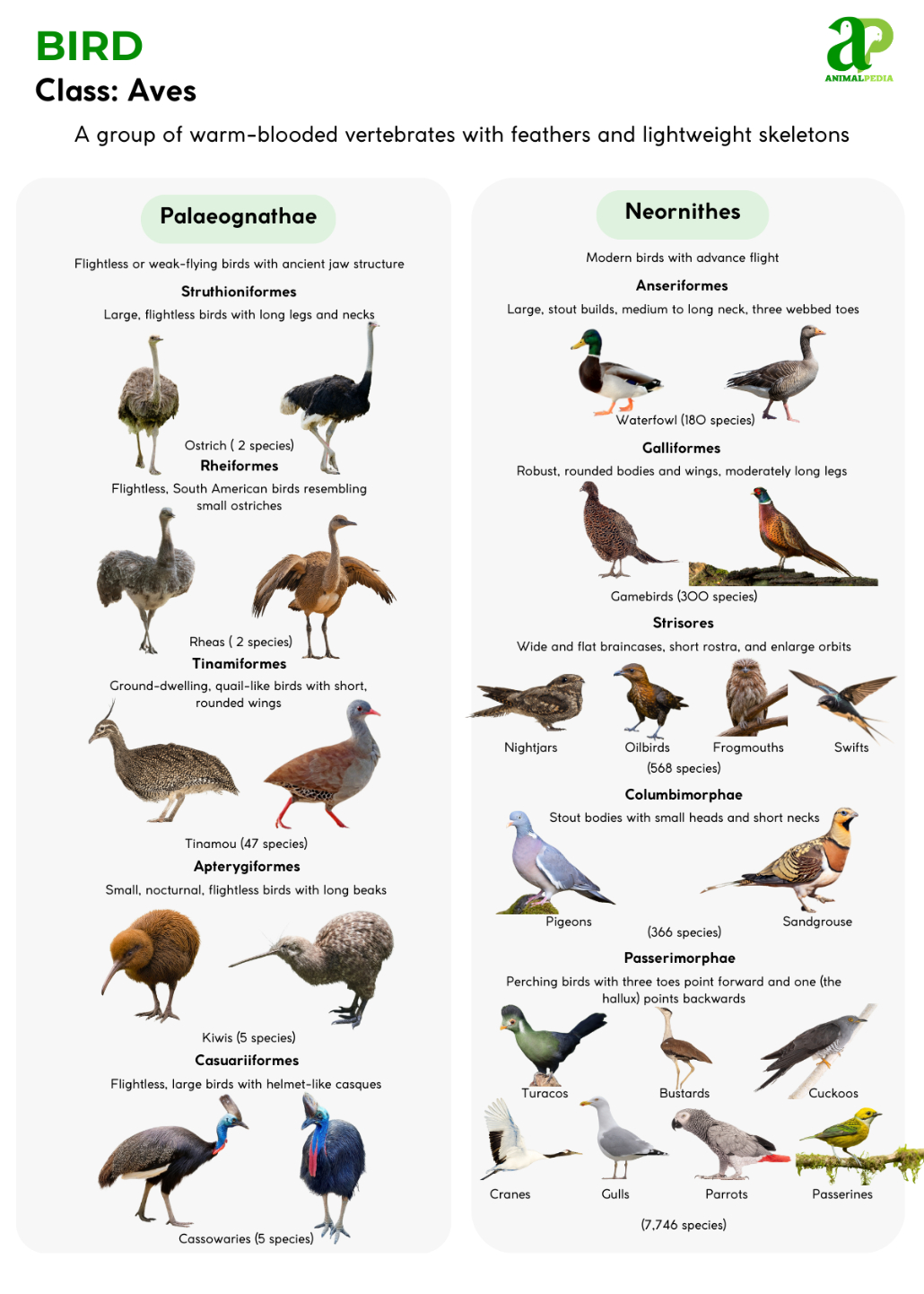
Credit: animal-pedia.org
Evolutionary Benefits
Bird migration is more than just a seasonal journey; it’s a behavior shaped by millions of years of evolution. Birds have developed this instinct to boost their chances of survival and reproduction. Understanding the evolutionary benefits can help you appreciate why migration is essential for many species.
Food Availability
One major reason birds migrate is to find reliable food sources. Seasonal changes often cause food to become scarce in one region but abundant in another. By moving, birds ensure they have enough energy to survive and thrive.
Think about how you might travel to a place with more groceries when your local stores run out. Birds do the same, moving to areas where insects, seeds, or nectar are plentiful. This strategy reduces competition and helps maintain their health.
Breeding Advantages
Migration also gives birds access to safer and more productive breeding grounds. Many species travel to areas with fewer predators and better nesting sites. This increases the chances that their chicks will survive and grow strong.
Have you ever chosen a quiet spot to start a family or focus on an important project? Birds instinctively select places that offer similar peace and resources. This behavior maximizes their reproductive success, which is key to passing on their genes.
Survival Strategies
Migration helps birds avoid harsh weather conditions that could threaten their survival. By flying to warmer climates during winter, they escape freezing temperatures and storms. This move lowers the risk of death and conserves energy.
Imagine how much harder it would be to keep going if you faced constant cold and food shortages. Birds use migration as a survival strategy to stay one step ahead of environmental challenges. Have you noticed how this behavior keeps their populations stable over time?

Credit: www.youtube.com
Frequently Asked Questions
What Type Of Behavior Is Bird Migration Classified As?
Bird migration is an innate, seasonal behavioral adaptation. Birds travel long distances to access better food and breeding conditions. This behavior is instinctual, triggered by environmental cues like temperature and daylight changes.
Why Do Birds Migrate Instead Of Staying Year-round?
Birds migrate to avoid harsh weather and food shortages. Migration helps them survive by moving to favorable climates. It also ensures access to abundant resources and suitable nesting sites.
How Do Birds Know When To Start Migrating?
Birds use environmental signals like daylight length and temperature. Their internal biological clock, or circadian rhythm, guides migration timing. These cues trigger hormonal changes, prompting migratory behavior.
Is Bird Migration A Learned Or Instinctive Behavior?
Bird migration is primarily instinctive, passed genetically through generations. Young birds often follow experienced adults on their first journey. However, some learning can fine-tune routes and stopover sites.
Conclusion
Bird migration shows how birds adapt to survive. They travel long distances for food and better climate. This behavior helps birds stay safe and healthy. Understanding bird migration reveals nature’s amazing patterns. Watching birds migrate can inspire curiosity and respect.
It reminds us how life changes with the seasons. Migration is a natural, important part of many birds’ lives. Learning about it helps us protect these creatures and their habitats. Bird migration is a simple yet fascinating behavior worth knowing.