
Do you ever wonder why your pet bird suddenly starts shouting or biting without warning? If you’ve noticed strange or frustrating behaviors in your feathered friend, you’re not alone.
Understanding common behavior problems in pet birds can help you create a happier, calmer environment for both you and your bird. Keep reading to discover the most frequent issues and simple ways you can fix them—your bird’s well-being depends on it!
Credit: www.petassure.com
Common Behavior Issues
Many pet birds show biting as a common behavior problem. This often happens when they feel scared or stressed. Sometimes, birds also scream loudly, which can be hard to handle.
Understanding your pet bird’s behavior can sometimes feel like decoding a secret language. Birds, like humans, have their own personalities and quirks. However, certain behaviors can signal underlying issues that may need your attention. Addressing these common behavior problems early on can lead to a happier life for both you and your feathered friend.Aggression
Aggression in birds can be distressing. It might manifest as lunging, biting, or territorial behavior. This can often be attributed to fear, hormonal changes, or a lack of socialization. If your bird is acting aggressively, consider what might be triggering this behavior. Is there a new pet or person in the home? Are they getting enough interaction and mental stimulation?Feather Plucking
Feather plucking is not just a cosmetic concern; it can indicate stress or health issues. Birds might pluck due to boredom, anxiety, or even dietary deficiencies. Observing when and where your bird plucks can offer clues to its root cause. Does it happen more during certain times of the day? Are there specific events that seem to trigger it?Excessive Screaming
While some vocalization is normal, excessive screaming can be a sign of distress or a call for attention. Birds might scream if they feel lonely, bored, or neglected. Ensuring your bird has enough toys, interaction, and an enriching environment can reduce this behavior. Can you provide a routine that includes regular social time?Biting
Biting is a common issue, especially with birds that haven’t been handled much. It can be a sign of fear or discomfort. Gaining your bird’s trust through gentle handling and patience is crucial. Are you inadvertently doing something that scares your bird? Understanding their body language can help prevent biting incidents. Addressing these behavior issues requires patience and understanding. By tuning into your bird’s needs and environment, you can foster a more harmonious relationship. Remember, every bird is unique, and what works for one might not work for another.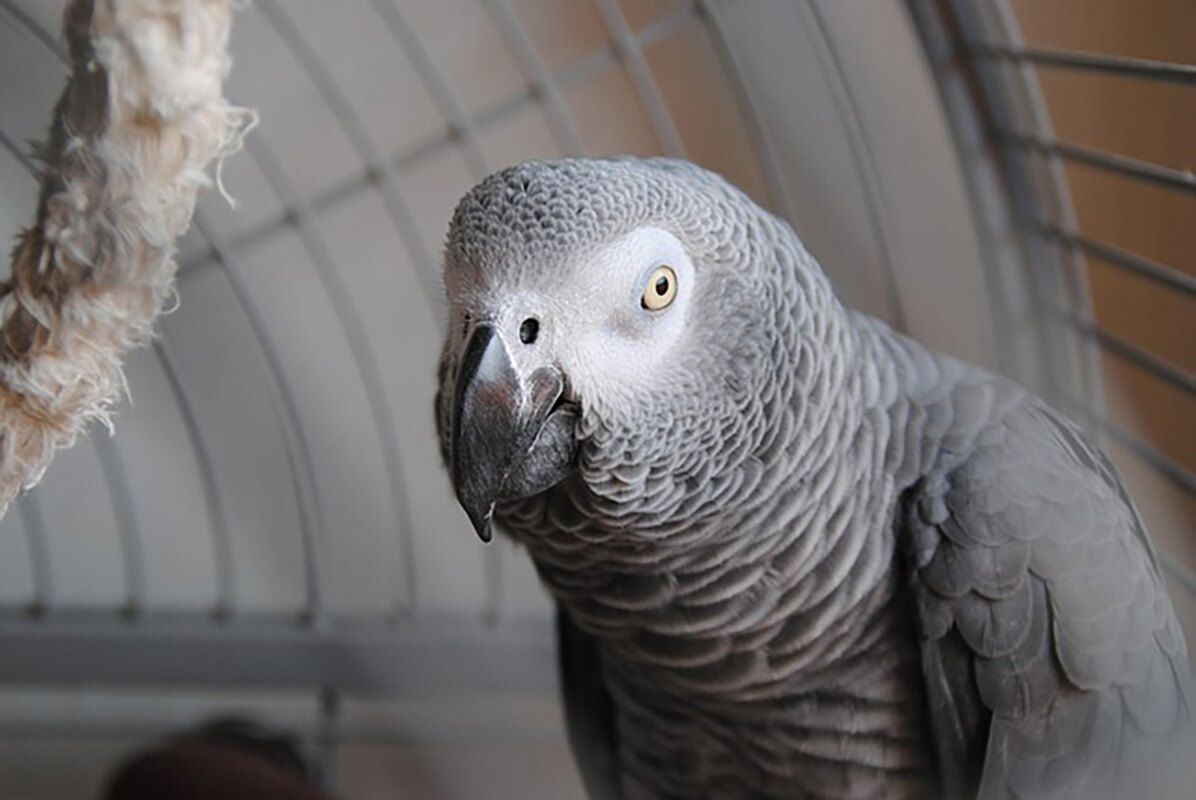
Credit: lafeber.com
Causes Of Aggression
Aggression in pet birds often puzzles owners and can create a challenging environment at home. Understanding why your bird acts aggressively is the first step toward managing and changing this behavior. Several key causes fuel aggression, and recognizing these can help you create a safer and more peaceful space for both you and your feathered friend.
Territorial Instincts
Birds naturally protect their space, especially when they feel it’s their home or nesting area. This instinct can turn into aggression if they sense a threat near their cage or favorite perch. Have you noticed your bird puffing up or lunging when you approach its cage? This is often a clear sign they are defending their territory.
Try moving the cage to a less busy area or letting your bird have safe, supervised time outside the cage to reduce territorial stress. Creating a routine around their space can also help your bird feel more secure and less likely to lash out.
Fear And Stress
Fear is a powerful trigger for aggression in birds. If your pet feels threatened or startled, biting and aggressive postures may be their way to protect themselves. Loud noises, sudden movements, or unfamiliar people can cause your bird to react defensively.
Think about your bird’s environment: are there any new changes or stressors recently introduced? Reducing these stressors, offering hiding spots, and approaching your bird calmly can ease their fear and lower aggressive reactions.
Lack Of Socialization
Birds are social creatures that need interaction to stay happy and balanced. Without enough positive social experiences, they can become frustrated and act out aggressively. A bird that hasn’t been handled or played with regularly may see humans as threats instead of friends.
Regular gentle handling and social time can help your bird learn to trust you. Ask yourself: how often do you interact with your bird beyond feeding and cleaning? Increasing social engagement can transform your bird’s behavior significantly.
Reasons Behind Feather Plucking
Feather plucking is a common issue in pet birds. It happens when birds pull out their own feathers. This behavior can harm their skin and cause bald patches. Understanding why birds pluck feathers helps owners provide better care. Several reasons can trigger this problem.
Medical Problems
Health issues often lead to feather plucking. Skin infections cause itching and discomfort. Parasites like mites irritate the bird’s skin. Allergies may also trigger this behavior. Sometimes, internal illnesses cause stress that leads to plucking. A vet checkup is crucial to rule out medical causes.
Boredom And Stress
Boredom is a major reason for feather plucking. Birds need mental and physical activity daily. Lack of toys or interaction makes them anxious. Stress from loud noises or new environments can upset birds. Loneliness is also a big factor. Providing stimulation can reduce plucking caused by boredom.
Environmental Factors
Environment plays a strong role in feather plucking. Poor cage conditions can cause discomfort. Too much heat or cold stresses birds. Lack of natural sunlight affects their mood. Dirty cages increase the risk of skin problems. Proper lighting, temperature, and cleanliness help prevent feather plucking.
Why Birds Screaming Excessively
Excessive screaming is one of the most common behavior problems pet bird owners face. It can be frustrating and sometimes puzzling. Understanding why your bird screams loudly and often is the first step toward calming their noisy outbursts.
Attention Seeking
Birds quickly learn that screaming grabs your attention. If you respond by talking, petting, or even scolding, your bird sees this as a reward. Over time, they scream more just to get you to focus on them.
Think about your daily routine—do you give your bird plenty of interaction? Birds are social creatures and crave connection. If they feel ignored, screaming becomes their way to say, “Hey, notice me!”
Loneliness
Loneliness can drive a bird to scream excessively. Many birds form strong bonds with their owners or other birds and get anxious when left alone. This emotional stress triggers loud calls as a way to express their discomfort.
If your bird spends long hours alone, consider adding toys, mirrors, or even a companion bird. These changes can reduce feelings of isolation and, in turn, cut down on screaming episodes.
Environmental Noise
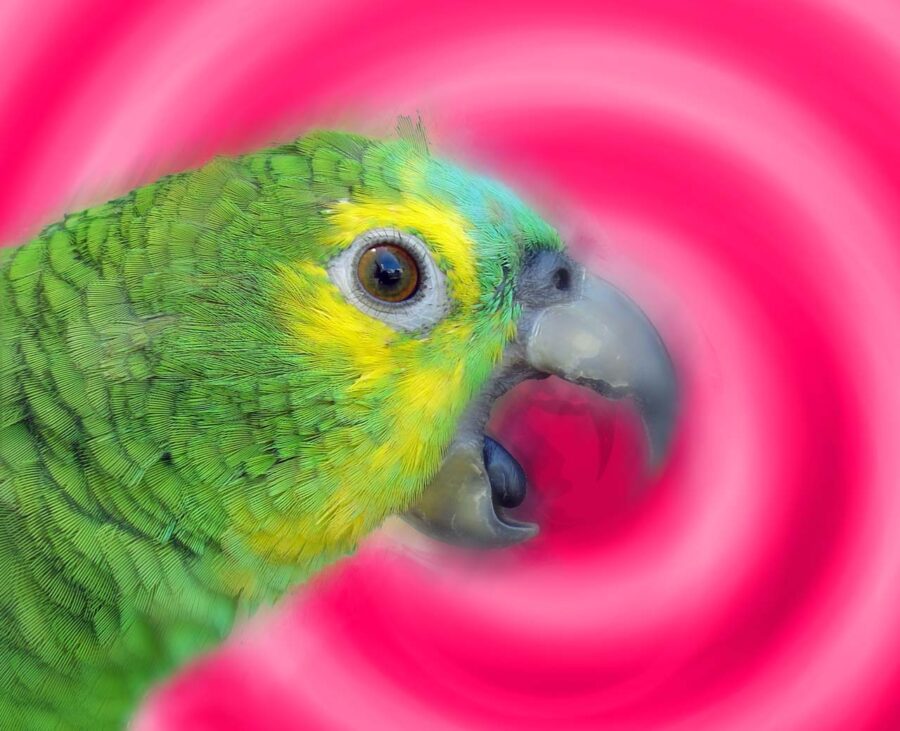
Unexpected or loud noises can startle your bird and cause them to scream. Construction sounds, barking dogs, or even household appliances might trigger their vocal alarms. Birds use screaming as a natural response to perceived threats or disturbances.
Observe the times your bird screams—do they coincide with external noises? Creating a quieter, more stable environment can help your bird feel safe and less inclined to scream.
Triggers For Biting Behavior
Biting is a common behavior problem in pet birds that can catch many owners off guard. Understanding the triggers behind this behavior is essential to prevent bites and build trust. Let’s look at some key reasons why your bird might bite and how you can recognize these triggers early.
Protective Behavior
Birds often bite to protect themselves or their territory. If your pet feels its cage, food, or favorite spot is threatened, it may react defensively. Have you noticed your bird guarding a particular perch or toy aggressively? This is a sign of protective behavior that needs gentle handling to avoid biting.
Try to respect your bird’s personal space during these moments. Moving slowly and speaking softly can help reduce their urge to bite. You can also offer treats to create positive associations with your presence near their “safe zones.”
Mishandling
Improper handling is a frequent cause of biting. Birds are delicate creatures, and rough or sudden movements can startle them. Reflect on how you usually pick up or hold your bird—do you give them enough time to get comfortable with your touch?
Consistent, gentle handling helps build trust and reduces biting incidents. Avoid grabbing your bird abruptly or forcing interaction when it’s not ready. Instead, approach calmly and let your bird step onto your hand willingly.
Fear Responses
Fear is a powerful trigger for biting. Loud noises, unfamiliar people, or new environments can make your bird feel threatened. Have you noticed your bird’s body language changing before a bite, such as fluffed feathers or wide eyes? These signs often indicate fear.
Creating a calm and predictable environment is key to minimizing fear-based bites. Gradually introduce new experiences and give your bird control over interactions. This approach helps your pet feel safe and less likely to respond with a bite.
Credit: myrightbird.com
Preventing Behavior Problems
Preventing behavior problems in pet birds is easier than fixing them later. It starts with understanding their needs and creating a supportive environment. Small daily efforts can make a big difference in keeping your feathered friend happy and well-behaved.
Proper Socialization
Birds are social creatures that thrive on interaction. Spend time talking, playing, and gently handling your bird every day to build trust and reduce fear. Socialization helps prevent issues like biting or screaming because your bird feels safe and connected.
Think about how your bird reacts when you’re around. Is it shy or aggressive? Adjust your approach to meet its comfort level. Early and consistent socialization can shape a calm and friendly bird.
Enrichment Activities
Boredom often leads to unwanted behaviors like feather plucking or constant noise. Provide toys, puzzles, and safe foraging opportunities to keep your bird’s mind busy. Rotate toys regularly to maintain interest and challenge your bird.
Try simple activities like hiding treats or teaching new tricks. These not only entertain but also strengthen your bond. Ask yourself—what new game or challenge can I offer today to make my bird’s day more exciting?
Regular Vet Checkups
Sometimes behavior problems stem from health issues. Regular visits to an avian vet ensure your bird is physically well and pain-free. Illness or discomfort often shows up as changes in behavior, so monitoring health can prevent problems before they start.
Keep an eye on your bird’s eating, sleeping, and activity levels. If you notice sudden changes, don’t wait to seek professional advice. Healthy birds are generally happier and easier to train.
Frequently Asked Questions
What Is A Common Behavior Problem In Pet Birds?
A common behavior problem in pet birds is feather plucking. Birds pull out their feathers due to stress, boredom, or illness. This behavior can lead to skin infections and requires immediate attention.
Why Do Pet Birds Develop Aggressive Behaviors?
Pet birds may become aggressive due to fear, territorial instincts, or lack of socialization. Proper training and interaction help reduce aggression and build trust between birds and owners.
How Can Boredom Affect Pet Bird Behavior?
Boredom causes pet birds to develop destructive habits like feather plucking or excessive screaming. Providing toys, social interaction, and mental stimulation prevents these unwanted behaviors.
What Signs Indicate A Stressed Pet Bird?
Signs of stress in pet birds include feather plucking, loss of appetite, excessive vocalization, and aggression. Identifying stress early helps owners address environmental or health issues promptly.
Conclusion
Common behavior problems in pet birds can cause stress for both owners and pets. Understanding why birds act out helps create a better home. Birds need attention, exercise, and mental stimulation every day. Ignoring their needs often leads to biting, screaming, or feather plucking.
Patience and consistent care can improve their behavior. Talking gently and offering toys can keep birds happy. Remember, healthy habits build trust and reduce problems. Taking time to learn about your bird’s needs makes a big difference. Caring for a pet bird is rewarding with the right approach.