
Are you passionate about capturing the majestic flight of an eagle or the vibrant hues of a peacock? If so, you’re probably on the hunt for the perfect lens to elevate your bird photography.
Choosing the right lens can make a world of difference in how your photos turn out. It’s not just about getting closer to your subject; it’s about capturing the essence and beauty of birds in their natural habitat. You might wonder, with so many options available, which lens truly stands out?
In this guide, we’re diving deep into what makes a lens the best choice for bird photography, helping you make an informed decision that could transform your photography journey. Whether you’re a beginner eager to start or a seasoned photographer looking to upgrade, this article holds the key to unlocking your next great shot. Stay with us to find out how you can capture stunning bird images that you’ll be proud to share.
Key Features For Bird Lenses
Choosing the right lens for bird photography can make a huge difference in your results. The key features of bird lenses affect how close you can get, the clarity of your shots, and how easily you capture fast-moving birds. Understanding these features helps you pick a lens that fits your style and environment.
Focal Length Importance
Focal length determines how close you can get to your bird subjects without disturbing them. Longer focal lengths, like 300mm to 600mm, let you photograph birds from a distance while filling the frame. But longer lenses can be heavier and harder to handle, so balance reach with comfort.
Ask yourself: Are you shooting small birds in dense forests or large birds in open spaces? Your answer affects the focal length you need. A 400mm lens works well for general birding, but a 600mm or 800mm lens might be necessary for distant subjects.
Aperture Considerations
A wide aperture (low f-number) lets in more light, which is crucial for shooting in low-light conditions like early mornings or cloudy days. It also helps create a blurred background, making your bird stand out sharply.
However, lenses with wide apertures tend to be heavier and more expensive. If you often shoot in bright daylight, a lens with an aperture around f/5.6 might suffice. Think about your typical lighting conditions before choosing.
Image Stabilization Benefits
Image stabilization reduces blur caused by hand movements, especially important when using long lenses. This feature allows you to shoot at slower shutter speeds without sacrificing sharpness.
If you hike to remote birding spots or shoot handheld, image stabilization can be a game-changer. It saves you from carrying a heavy tripod everywhere and helps capture sharper images in tricky situations.
Autofocus Speed And Accuracy
Birds move quickly and unpredictably, so your lens needs fast and precise autofocus to keep up. A lens with reliable autofocus ensures you won’t miss critical moments like a bird taking flight.
Test autofocus performance in real-life conditions before buying. Some lenses perform well in bright light but struggle in low light or dense foliage. Can your lens track a hummingbird’s rapid movements or a hawk soaring high?
Credit: www.livescience.com
Top Lens Types For Birds
Choosing the right lens is key to capturing stunning bird photos. Birds often stay far away and move quickly. This makes lens choice important for sharp, clear shots. Different lenses offer various benefits based on distance and light.
Here are the top lens types used in bird photography. Each has unique features to help you get the best image.
Telephoto Zoom Lenses
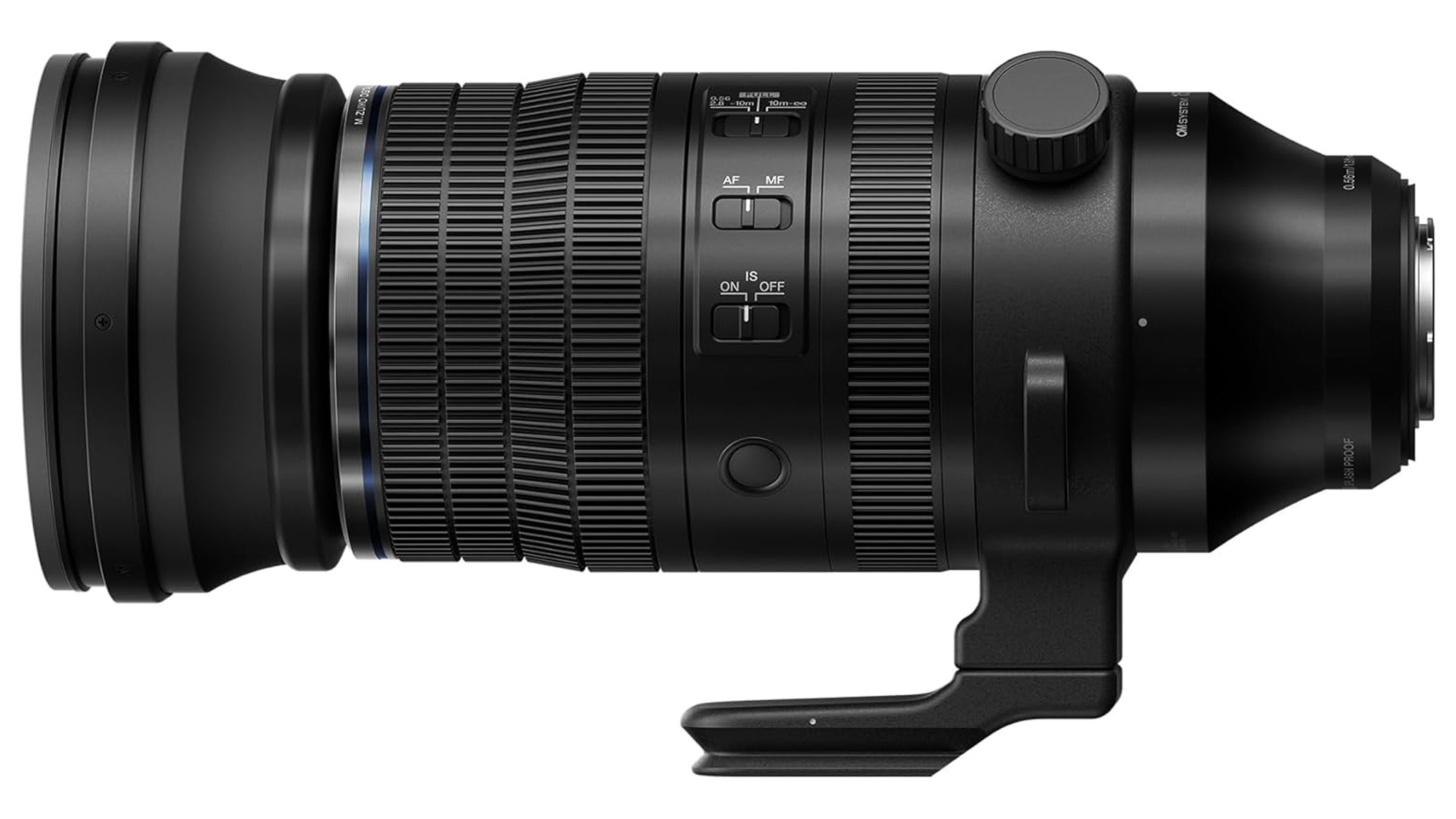
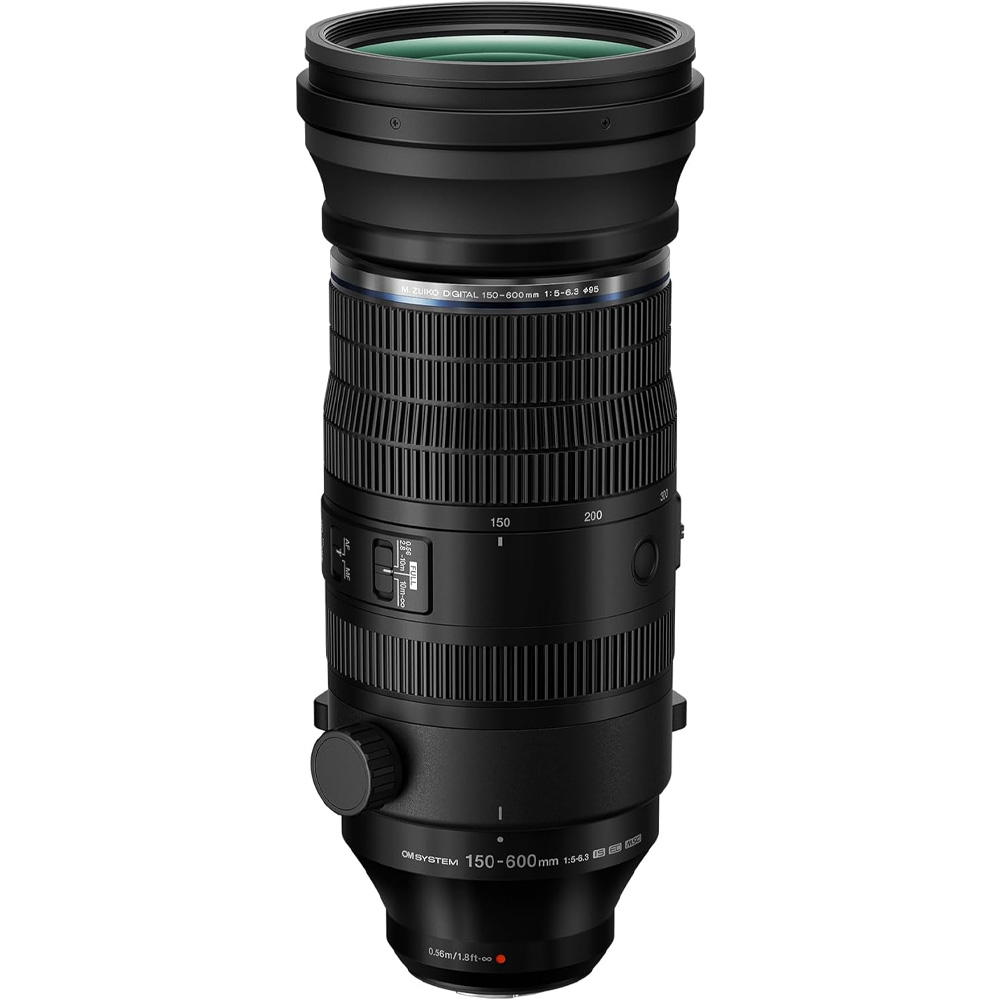
Telephoto zoom lenses let you adjust the focal length easily. This flexibility helps capture birds at different distances. These lenses cover a range like 100-400mm or 150-600mm. They are lighter and easier to carry than fixed lenses. Zoom lenses work well for beginners and casual bird watchers. You can quickly change your view without changing lenses. Image quality is good, but may be slightly less sharp than prime lenses.
Prime Telephoto Lenses
Prime telephoto lenses have a fixed focal length. Common sizes include 300mm, 400mm, or 500mm. These lenses often produce sharper images with better detail. They have wider apertures, which help in low light conditions. Prime lenses are usually heavier and less flexible than zooms. Ideal for photographers who focus on specific bird types or distances. They require moving your position to frame the shot.
Super Telephoto Lenses
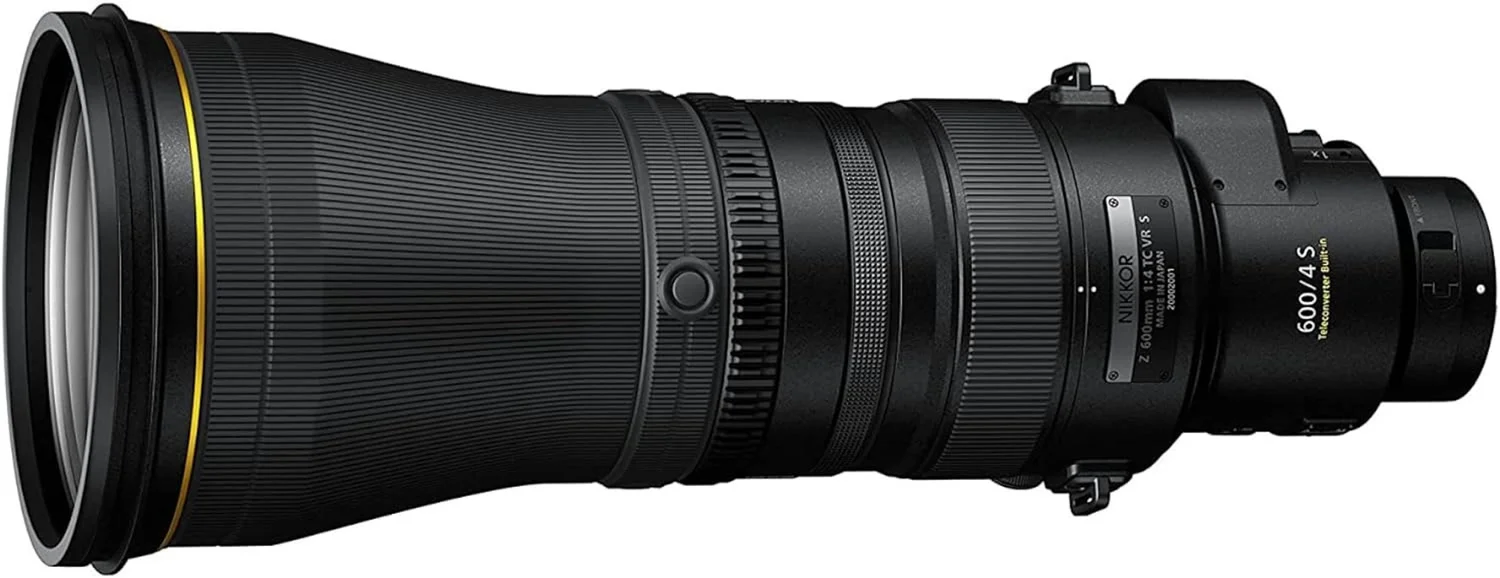
Super telephoto lenses offer very long focal lengths, like 600mm or 800mm. They bring distant birds close with excellent detail. These lenses are best for photographing small or shy birds. They are large, heavy, and costly but provide outstanding image quality. Often used by professional bird photographers and serious hobbyists. Tripods or monopods are recommended to handle the weight and keep shots steady.
Best Lenses For Different Budgets
Choosing the right lens for bird photography depends on your budget. Different lenses offer varied features and quality. This section breaks down the best lenses into three budget categories. You will find options that suit beginners and serious photographers alike.
Affordable Options
Affordable lenses provide a good start without heavy investment. These lenses often have decent zoom and image quality. They work well for casual bird watchers and new photographers.
- Canon EF-S 55-250mm f/4-5.6 IS STM
- Nikon AF-P DX 70-300mm f/4.5-6.3G ED VR
- Sony 55-210mm f/4.5-6.3 OSS
These lenses offer image stabilization and decent reach. They let you capture birds without carrying heavy gear. Ideal for learning the basics of bird photography.
Mid-range Choices
Mid-range lenses balance quality and price. They offer sharper images and better zoom. These lenses suit hobbyists who want more control and clarity.
- Canon EF 100-400mm f/4.5-5.6L IS II USM
- Nikon AF-S 200-500mm f/5.6E ED VR
- Sigma 150-600mm f/5-6.3 DG OS HSM Contemporary
These lenses handle low light better and focus faster. They allow more flexibility for different bird species and distances. A good step up for serious bird photographers.
Premium Lenses
Premium lenses deliver top-tier image quality and speed. They come with advanced features and durable build. Perfect for professionals or those demanding the best results.
- Canon EF 600mm f/4L IS III USM
- Nikon AF-S 600mm f/4E FL ED VR
- Sony FE 600mm f/4 GM OSS
These lenses offer sharp images even at great distances. They provide fast autofocus and excellent image stabilization. Ideal for capturing detailed shots of fast or distant birds.
Lens Compatibility And Camera Bodies
Choosing the right lens for bird photography depends on how well the lens fits your camera body. Lens compatibility affects image quality, autofocus speed, and overall shooting experience. Understanding your camera type and sensor size helps pick the best lens. This section explains key points about lens compatibility and camera bodies.
Dslr Vs Mirrorless Lenses
DSLR cameras use a mirror system and often have larger bodies. Their lenses are designed for this setup. Mirrorless cameras have no mirror, making them smaller and lighter. Lenses for mirrorless cameras are usually more compact.
DSLR lenses may not fit mirrorless cameras without an adapter. Mirrorless lenses often work on DSLRs only with special mounts. Autofocus speed and image stabilization can change when mixing lens types.
Full-frame Vs Crop Sensor
Full-frame cameras have larger sensors capturing more detail. Crop sensor cameras have smaller sensors, making images appear zoomed in. Lens focal length feels different on these two sensor sizes.
- Full-frame lenses give wide-angle views on full-frame cameras.
- Crop sensor cameras crop the image, increasing effective focal length.
- Using full-frame lenses on crop cameras creates a narrower field of view.
- Crop sensor lenses may not cover the full sensor on full-frame cameras.
Choose lenses designed for your sensor size for best results.
Adapters And Mounts
Adapters help fit lenses from one brand or type onto another camera body. They allow mixing DSLR lenses with mirrorless cameras or lenses from different brands.
Adapters can affect autofocus speed and image quality. Some adapters support electronic connections, keeping autofocus and aperture control. Others work only in manual mode.
Mount types differ by camera brand and model. Check your camera’s mount before buying lenses or adapters.
Tips For Choosing The Right Lens
Choosing the right lens for bird photography can greatly improve your shots. The perfect lens depends on your style, gear preferences, and budget. Consider these tips to find a lens that fits your needs and helps capture stunning bird images.
Assessing Your Photography Style
Think about how you like to shoot birds. Do you prefer close-up details or wide scenes? Are you patient, waiting for birds to come close? Or do you need a long reach to capture distant birds? Your style influences the lens choice. Telephoto lenses with long focal lengths suit distant shots. Prime lenses offer sharp images but less flexibility. Zoom lenses provide variety but may be heavier.
Considering Weight And Portability
Bird photography often requires long hours outdoors. A heavy lens can tire your arms quickly. Lightweight lenses make it easier to move and react fast. Compact lenses fit better in your bag for hikes or travel. Balance the lens size with your stamina and shooting conditions. Sometimes, carrying extra gear means less mobility and missed shots.
Balancing Cost And Performance
High-end lenses deliver sharp images but cost more. Budget lenses can still perform well with good technique. Look for lenses with image stabilization to reduce blur. Consider second-hand lenses for savings. Check reviews and sample photos before buying. Investing in a good lens pays off in better bird photos. Match your spending with your commitment to bird photography.

Credit: iceland-photo-tours.com
Care And Maintenance For Bird Lenses
Taking care of your bird photography lens is just as important as choosing the right one. A well-maintained lens delivers sharp, clear images and lasts longer. Neglecting care can lead to costly repairs or even permanent damage, especially since bird lenses often face tough outdoor conditions.
Cleaning Techniques
Keep your lens spotless by using a soft brush or air blower to remove loose dust before wiping. Never use tissues or rough cloths; instead, opt for a microfiber cloth designed for lenses. If smudges persist, apply a few drops of lens cleaning solution to the cloth, not directly on the lens, and wipe gently.
Do you know that even a tiny fingerprint can reduce image clarity? Clean your lens regularly but avoid over-cleaning, which can wear down coatings. Always check your lens under good light to spot any dirt or scratches before heading out.
Storage Recommendations
Store your lens in a cool, dry place away from direct sunlight to prevent mold growth. Use a padded camera bag or dedicated lens case with silica gel packs to absorb moisture. Avoid leaving your lens in a car or humid environment for extended periods.
Consider how often you shoot. If your lens sits unused for weeks, take it out and inspect it. This habit helps catch issues early, like fungus or dust buildup, which can be hard to remove later.
Handling In Field Conditions
Bird photography often means rough terrain and unpredictable weather. Use a sturdy lens hood to protect the front element from impacts and sun glare. Carry a rain cover or waterproof bag to shield your gear from rain or dew.
Have you ever lost a shot because your lens fogged up? Carry anti-fog wipes or keep your lens covered when moving between different temperatures. Handle your lens with clean, dry hands to avoid slipping or dropping it in the field.
Credit: www.livescience.com
Frequently Asked Questions
What Is The Ideal Focal Length For Bird Photography?
A focal length between 300mm and 600mm is ideal. It allows close-up shots without disturbing birds. Longer lenses capture more detail from a distance.
Which Lens Type Suits Beginner Bird Photographers Best?
A telephoto zoom lens is perfect for beginners. It offers flexibility in framing shots and is easier to handle than prime lenses.
How Important Is Lens Aperture In Bird Photography?
A wide aperture (f/2. 8 to f/5. 6) helps capture sharp images. It allows more light for faster shutter speeds, freezing bird motion effectively.
Can I Use A Prime Lens For Bird Photography?
Yes, prime lenses provide sharper images and better low-light performance. However, they lack zoom flexibility, requiring you to move closer or farther.
Conclusion
Choosing the right lens helps you capture birds clearly and beautifully. A good lens brings details and colors into focus. Think about your budget, the type of birds, and shooting distance. Telephoto lenses often work best for distant birds. Lightweight lenses make it easier to carry and shoot longer.
Remember, practice with your lens to improve your skills. Enjoy the process of capturing nature’s beauty. Your perfect bird photo is just a lens away. Keep exploring and happy shooting!