
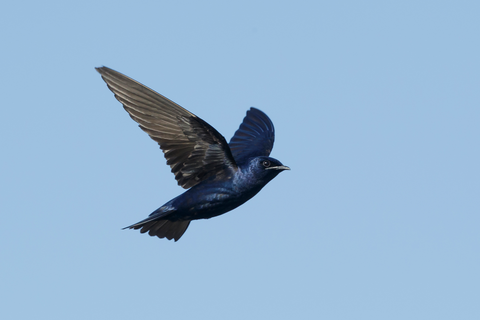
Have you ever looked up and wondered where those swift, graceful martin birds go as the seasons change? If you’ve noticed their sudden disappearance and asked yourself, “When do the martin birds migrate south?” you’re not alone.
Understanding their migration can bring you closer to nature and help you prepare your yard for their return. Keep reading, because uncovering the timing and reasons behind their journey south will change how you see these amazing birds forever.
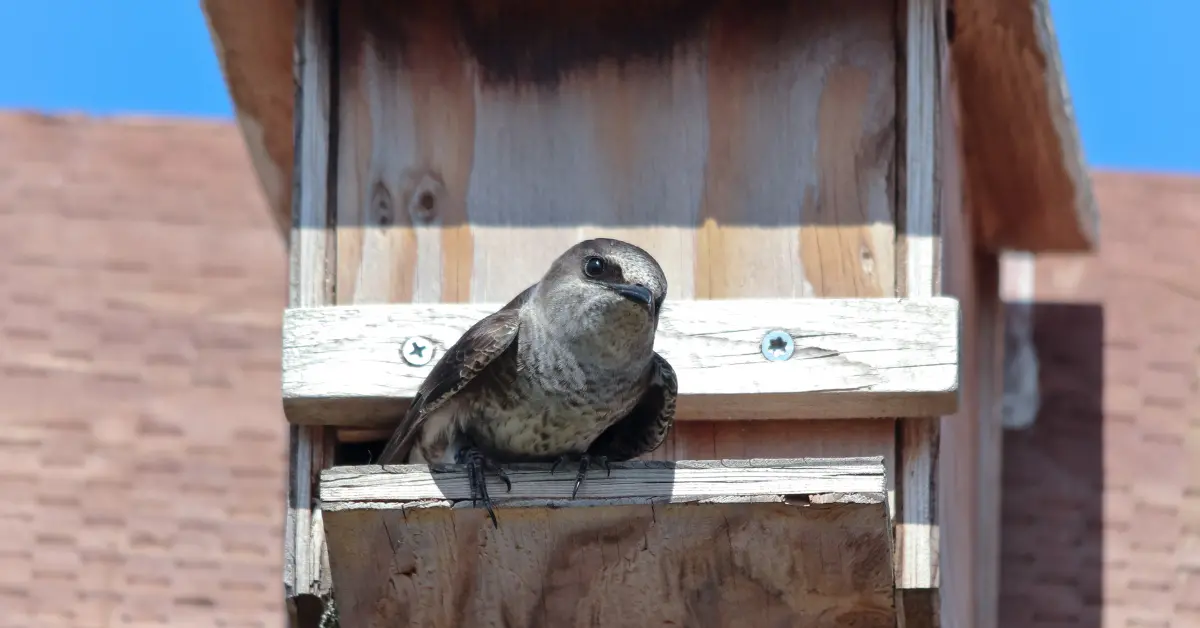
Credit: nestboxlive.com
Migration Timing
Understanding the migration timing of martin birds can feel like cracking a seasonal code. These small, social birds embark on a significant journey each year, traveling thousands of miles. Knowing when they migrate can enhance your bird-watching experience and help you prepare your garden to support them.
Peak Migration Months
Martin birds typically head south during late summer and early fall. August and September are when you’ll notice the sky becoming a stage for their spectacular flight patterns. During these months, they gather in large groups, making it a perfect time to witness their synchronized movements.
Factors Influencing Departure
The timing of their departure is influenced by multiple factors. Weather conditions, availability of food, and daylight hours play a crucial role. For instance, a sudden drop in temperature might prompt an earlier migration.
Have you ever noticed birds leaving just before a big storm? They can sense changes in barometric pressure, which often signals them to start their journey.
Regional Variations
Migration timing can vary depending on the region. In northern areas, martins might begin their journey earlier compared to their southern counterparts. This variation ensures they avoid harsh weather conditions and have sufficient resources along their route.
Consider how these patterns might impact your area. Could understanding these variations help you better anticipate their arrival and departure?
By staying informed about these timings and factors, you can play a role in supporting their migration journey.
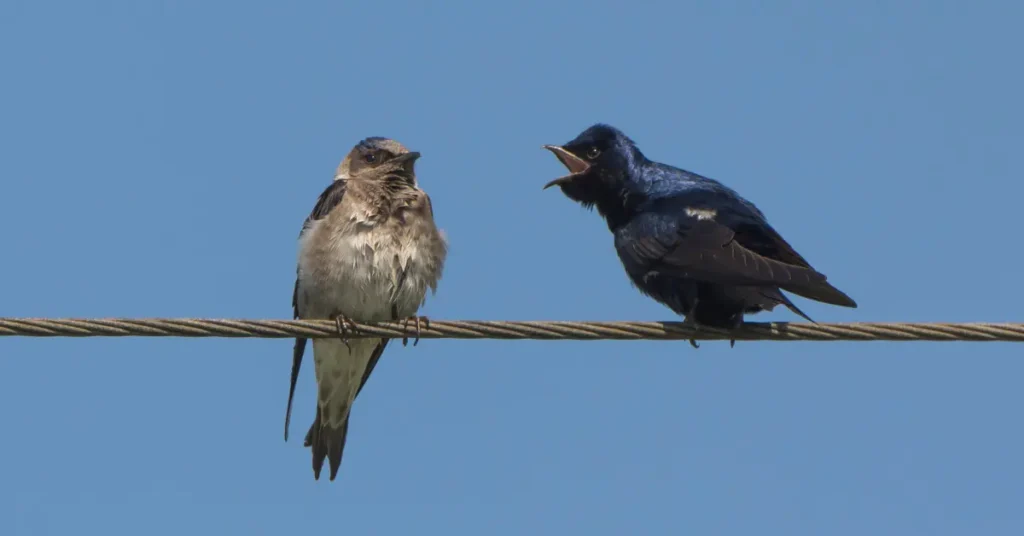
Credit: nestboxlive.com
Migration Routes
Understanding the migration routes of martin birds reveals the incredible journeys these small creatures undertake each year. Their paths are shaped by geography, weather, and instinct, guiding them safely to warmer climates. Let’s look closely at the common routes they follow, important stopover spots, and how they navigate across vast distances.
Common Flight Paths
Martins typically travel from North America down to Central and South America. Many take a path along the Gulf Coast, moving through states like Texas and Louisiana before crossing the Gulf of Mexico.
Others fly along the Atlantic coast, using familiar landmarks like rivers and coastlines to stay on course. This helps them avoid long stretches over open water, which can be risky for small birds.
Stopover Locations
During their migration, martins rely on specific stopover spots to rest and refuel. Wetlands, open fields, and areas rich in insects are crucial for their survival.
- In the southern U.S., places like the Florida Everglades offer abundant food and shelter.
- Further south, river valleys in Central America provide safe resting points.
Have you ever noticed how these birds suddenly appear in large numbers in certain areas? These stopovers are why — the birds need to recharge before the next leg of their journey.
Navigation Techniques
Martins use a combination of natural cues to find their way. The position of the sun during the day and stars at night serve as reliable guides.
They also sense the Earth’s magnetic field, which acts like an internal compass. This ability helps them stay on track even when weather conditions are poor or landmarks are hidden.
Think about your own sense of direction — can you imagine relying on invisible forces to guide you across thousands of miles?
Behavioral Changes Before Migration
Before martin birds migrate south, they show clear changes in behavior. These changes prepare them for their long journey. Observing these behaviors helps understand their migration timing and survival strategies.
Feeding Patterns
Martins increase their food intake significantly. They focus on eating more insects to build fat reserves. This extra energy is vital for their long flights. They often feed during the early morning and late afternoon. Feeding becomes more intense as migration time nears.
Flock Formation
Martins begin gathering in larger groups. Small flocks merge into bigger ones for safer travel. These flocks help protect against predators. Group flying also improves navigation during migration. The birds practice flying together before departure.
Physical Preparations
Physical changes occur to support migration demands. Martins grow stronger flight muscles. Their feathers become sleek and well-maintained. These changes reduce energy use during long flights. The birds also rest more to conserve strength.
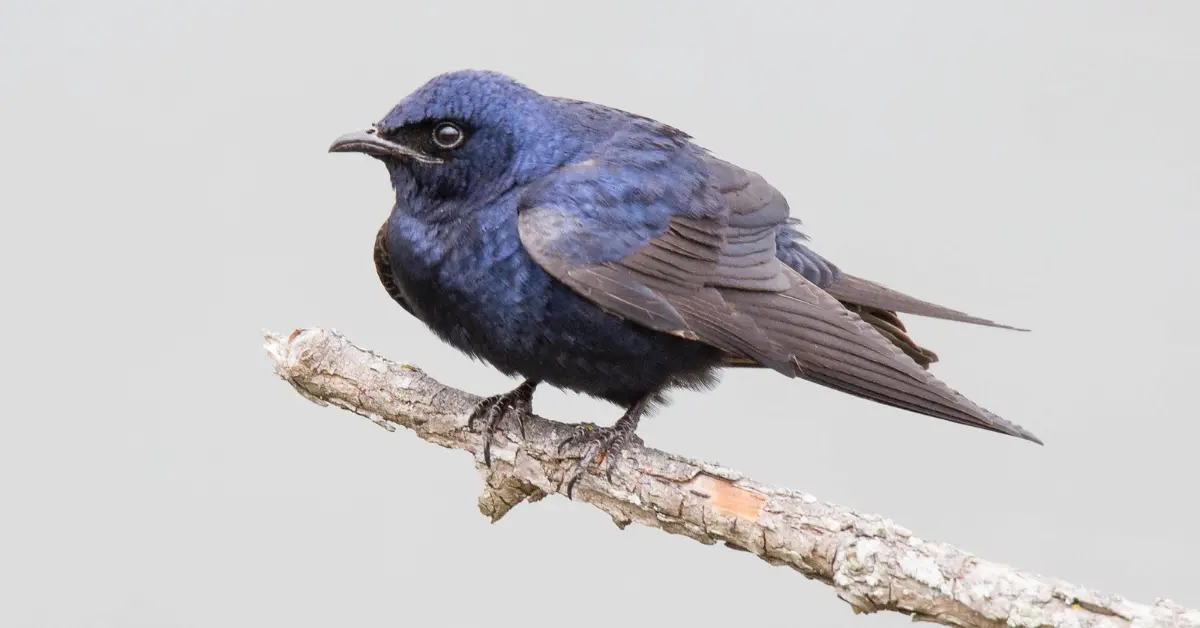
Credit: nestboxlive.com
Environmental Triggers
Martin birds rely on nature’s signals to decide when to migrate south. These environmental triggers tell the birds it’s time to leave. Changes in temperature, daylight, and food all play a role. Each factor helps the birds prepare for their long journey.
Temperature Effects
Cooler temperatures signal that winter is near. Martins feel the chill and start to move. Cold weather means fewer insects, their main food source. This drop in temperature pushes them to seek warmer places.
Daylight Duration
Shorter days tell martins that the season is changing. Less sunlight affects their body clock and behavior. As daylight fades, birds feel the urge to migrate. This natural cue helps them time their departure well.
Food Availability
Food becomes scarce as insects disappear in colder months. Martins depend on flying insects for energy. When food runs low, they must leave to survive. The lack of food is a strong trigger for migration.
Challenges During Migration
Migration is a perilous journey for martin birds, filled with numerous challenges that test their endurance and survival skills. Understanding these obstacles can deepen your appreciation of their incredible migration feats. Here’s a closer look at some of the major challenges martins face while heading south.
Predators And Threats
During migration, martins are vulnerable to a variety of predators. Hawks and falcons often target them during long flights or rest stops. You might be surprised how even small mammals or snakes near nesting sites pose a threat when the birds pause to refuel.
Have you ever noticed birds suddenly scattering in the sky? That’s often a sign predators are near. Protecting these birds means being aware of how predator populations affect their journey and survival rates.
Weather Hazards
Weather plays a huge role in migration success. Sudden storms, strong winds, and temperature drops can exhaust martins or force them off course. I recall watching a flock struggle through a heavy rainstorm, their flight patterns disrupted and energy drained.
Such conditions make the journey longer and more dangerous. If you’re involved in bird conservation, tracking weather patterns can help predict risky migration periods and guide protective measures.
Human Impact
Human activities add significant stress to martin migration. Urban development reduces natural habitats, making rest stops scarce. Bright city lights can disorient birds, leading them into dangerous areas or collisions.
Pollution and pesticide use further harm their food sources and health. You might consider advocating for bird-friendly building designs or supporting local conservation groups that create safe habitats along migration paths.
Tracking And Research
Tracking and researching the migration patterns of martin birds reveals fascinating details about their journey south. Scientists and bird enthusiasts work together to uncover when and how these birds travel, offering insights that can help protect their habitats. Understanding these movements helps you appreciate the complexity of nature’s timing and the challenges martins face along the way.
Tracking Technologies
Modern tracking tools have transformed how researchers study martin migration. Tiny GPS devices attached to the birds provide real-time data on their locations and flight paths. These trackers are light enough to avoid disturbing the birds, yet powerful enough to send detailed information.
Other technologies like geolocators record light levels, helping estimate where martins travel during the day. Radar systems can also detect flocks in the sky, showing movement patterns invisible to the naked eye. These tools help answer critical questions: How fast do martins fly? Where do they rest?
Recent Studies
Recent research has uncovered surprising facts about martin migration timing and routes. Studies show that martins often adjust their departure dates based on weather conditions and food availability. This adaptability might be key to their survival amid climate changes.
Some research highlights that martins use specific stopover sites to refuel during their long journey south. Protecting these areas is crucial, but how well do we know these locations? Continuous studies aim to fill these gaps and provide actionable insights for conservation.
Citizen Science Contributions
You can play a vital role in tracking martin migration through citizen science projects. By reporting sightings during migration seasons, you contribute valuable data that helps map their movement. Apps and websites make it easy for you to share information instantly.
- Join local birdwatching groups to exchange knowledge and improve your observation skills.
- Use smartphone apps to log sightings with photos and locations.
- Participate in migration counts during peak times to provide reliable data.
Have you ever wondered how your simple observation could influence larger conservation efforts? Your involvement connects personal experience with scientific research, making every sighting count.
Frequently Asked Questions
When Do Martin Birds Start Their South Migration?
Martin birds typically begin migrating south in late August to early September. This timing helps them avoid cold weather and food shortages.
Why Do Martin Birds Migrate South Each Year?
Martins migrate south to find warmer climates and abundant food sources during winter. Migration ensures their survival through harsh seasons.
How Far Do Martin Birds Migrate South?
Martin birds can travel thousands of miles, often reaching Central and South America. Their migration distance varies by species and environmental conditions.
What Triggers Martin Birds To Migrate South?
Shorter daylight hours and cooler temperatures signal Martin birds to start migrating. These environmental cues prepare them for seasonal changes.
Conclusion
Martin birds start their journey south in late summer. They fly to warmer places to find food and stay safe. Watching their migration helps us understand nature better. These birds travel long distances every year without rest. Their timing depends on weather and food availability.
Knowing when they migrate can help bird watchers plan trips. Nature’s rhythm guides the martin birds’ movements. Each migration marks a new chapter in their life. Observing them reminds us of the world’s changing seasons. Migration is a natural, amazing event to appreciate.