

Have you ever wondered when is the best time of day to bird watch? If you want to see more birds and enjoy their beauty to the fullest, timing is everything.
Knowing the right hours to head outside can make your bird watching trips more exciting and rewarding. You’ll discover the perfect moments to spot different birds, how their behavior changes throughout the day, and simple tips to boost your chances of a great sighting.
Keep reading to unlock the secrets that will transform your bird watching experience!
Morning Bird Activity
Bird watching in the morning is a delightful experience. Birds are most active during these hours. Their vibrant songs and movements fill the air. It’s the best time to observe them in their natural habitat. Morning light enhances their colors and features. This makes identification easier and more enjoyable.
Dawn Chorus Explained
The dawn chorus is a fascinating natural event. As the sun rises, birds sing in unison. This morning symphony marks territory and attracts mates. Each species has its unique song. The chorus starts before sunrise and lasts about an hour. It’s a magical time for bird enthusiasts.
Why Mornings Attract Birds
Birds are more active in the morning for several reasons. The cooler temperatures make it easier for them to move. Early hours are perfect for foraging as insects are plentiful. Morning light helps birds find food and avoid predators. Many birds also use this time to communicate and establish territory.
Best Morning Hours For Birding
The best time for bird watching is early morning. The peak activity usually occurs just after sunrise. Aim to start birding around 5:30 to 7:30 AM. During these hours, the variety of birds is greatest. The calm and quiet environment enhances the experience. Early hours provide the best opportunity to observe diverse species.

Credit: www.centralparknyc.org
Afternoon Bird Behavior
Afternoon bird behavior changes compared to early morning activity. Birds often rest or seek shade during hot hours. Understanding these changes helps plan better bird watching trips. Birds adapt their actions to the heat and light available. Observing these behaviors offers unique insights into their daily lives.
Bird Activity During Midday
Birds tend to slow down during midday. Most species reduce flying and feeding to save energy. Some birds hide in dense trees or bushes. Water sources become popular spots for birds to cool off. Song activity usually drops until late afternoon.
Effects Of Heat On Birds
High temperatures affect bird behavior and physiology. Birds pant or flutter their throat to cool down. They avoid exposed areas to prevent overheating. Heat stress can limit their movement and feeding. Shade and water are essential for survival during heat.
Tips For Afternoon Bird Watching
- Focus on shaded areas near water.
- Look for resting birds on tree branches.
- Use binoculars to spot quiet or hidden birds.
- Bring water and wear light clothing.
- Be patient; birds may become active again late afternoon.
Evening Bird Patterns
Evening bird patterns show a shift in bird activity as daylight fades. Birds prepare for night by changing their behavior. Some species become quiet, while others start to sing or move around more. Watching birds in the evening reveals a unique side of their daily routine. It is a calm and often beautiful time for bird watchers.
Birds At Dusk
At dusk, many birds reduce their activity and begin settling down. You might hear soft calls or see flocks gathering in trees. Some birds, like owls and nightjars, start to become active. This transition time offers a chance to spot different species than those seen during the day. Dusk is peaceful and can feel magical for bird watching.
Preparing For Nighttime
Birds prepare for night by finding safe spots to rest. They fluff their feathers to keep warm and close their eyes. Some species preen their feathers to stay clean and healthy. This quiet time helps birds conserve energy for the next day. Watching birds as they prepare for night can teach patience and respect for nature’s rhythms.
Optimal Evening Birding Times
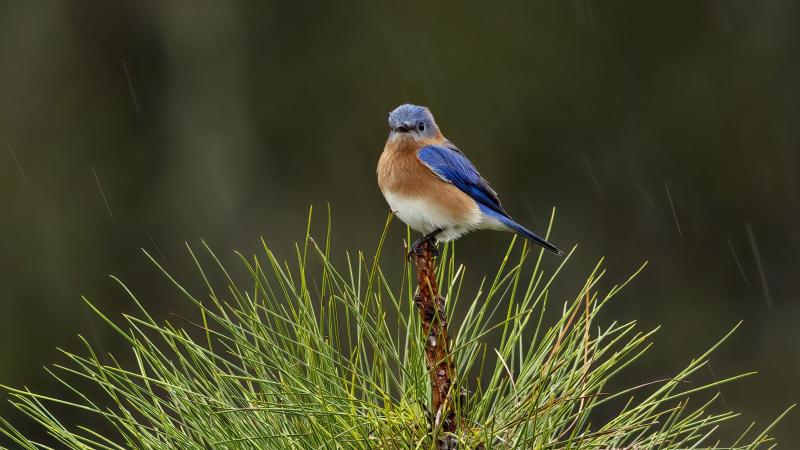
The best evening bird watching happens just before and during dusk. Light fades, but birds are still active. A good window is about 30 to 60 minutes before the sun sets. During this time, birds move to roosting sites and may sing softly. Arriving early helps find good spots and notice subtle behaviors. Evening birding adds variety to daytime bird watching.
Credit: www.floridastateparks.org
Seasonal Influences
Seasonal changes have a big impact on bird behavior and the best times to watch them. Different seasons bring shifts in light, temperature, and food availability, all of which influence when birds are most active. Understanding these seasonal influences helps you plan your bird watching trips for the most rewarding experience.
Bird Activity By Season
Birds adjust their daily routines depending on the season. In spring and summer, many species are busy with nesting and feeding young, so early mornings are often the best time to catch their activity. During fall and winter, birds may be less active at dawn but more visible during warmer midday periods.
Winter mornings can be cold and quiet, but as the sun rises higher, birds often become more active looking for food. Have you noticed how some birds seem to disappear in the middle of the day during summer heat? That’s because they seek shade and rest when it gets too hot.
Migration And Daily Timing
Migration seasons change daily bird activity patterns too. Migrating birds often travel at night and rest during the day, so early morning and late afternoon can be prime times for spotting them. Timing your bird watching to coincide with these periods increases your chances of seeing rare or passing species.
During migration, birds may appear more restless and vocal in the early morning, making it easier to hear and locate them. Have you ever caught a glimpse of a fleeting warbler or thrush just after sunrise? That’s the perfect moment to pay close attention.
Adjusting Birding Times Year-round
Your bird watching schedule should shift with the seasons to match bird activity. In spring, try starting before sunrise to catch the dawn chorus. In winter, aim for mid-morning when the sun warms the air and birds become more active.
Don’t hesitate to experiment with different times. You might find unexpected activity in late afternoon or even at dusk during certain seasons. How can you adjust your routine this week to see more birds?
Environmental Factors
Environmental factors play a crucial role in determining the best time of day to bird watch. Understanding how weather, habitat, light, and sound influence bird activity can help you plan your outings more effectively. These elements often interact in ways that affect when and where birds are most visible.
Weather Impact On Birding
Birds respond quickly to changes in weather. Early mornings after a cool night often bring out the most bird activity as they forage for food. On windy or rainy days, birds tend to stay hidden, reducing your chances of sightings.
Have you noticed how calm, clear days often lead to more bird songs? This is because birds communicate better when the air is still. Overcast skies can sometimes slow down activity, but they also reduce harsh shadows, making birds easier to spot.
Habitat Considerations
Different habitats influence bird behavior and timing. Wetlands, for example, may have peak activity during early morning when waterfowl feed. Forests might be quieter but come alive with songbirds mid-morning as the sun warms the area.
Think about the type of birds you want to see and match your visit to their preferred habitat and active periods. If you want to catch shorebirds, low tide often coincides with their feeding times. Understanding these patterns helps you choose not just the right time of day but the right location too.
Using Light And Sound To Your Advantage
Light conditions affect how well you can spot birds and how they behave. Soft, angled light during sunrise and sunset highlights colors and shapes, making identification easier. Bright midday sun can cause birds to seek shade, reducing visibility.
Sound is just as important. Early mornings offer a chorus of bird calls that help you locate species even before you see them. Try moving quietly and using the direction of calls to guide your path. Have you ever followed a song only to discover a hidden bird? This skill improves with practice and enhances your birding experience.
Gear And Techniques
Bird watching needs the right gear and smart techniques. These help spot birds better and enjoy the experience more. Using good tools and knowing the best ways to watch can make a big difference.
Essential Bird Watching Tools
- Binoculars with clear lenses for close views
- Field guidebooks to identify birds by sight and sound
- Notebook or birding app to record sightings
- Comfortable clothing suited to weather and terrain
- Camera with zoom to capture distant birds
- Backpack to carry gear easily
Best Practices For Different Times
Early morning is quiet and birds are active. Move slowly and stay low to avoid scaring them. Midday, birds rest more, so watch near water or shade. Late afternoon brings more activity again. Use shadows and light to spot birds easily.
Recording And Identifying Birds
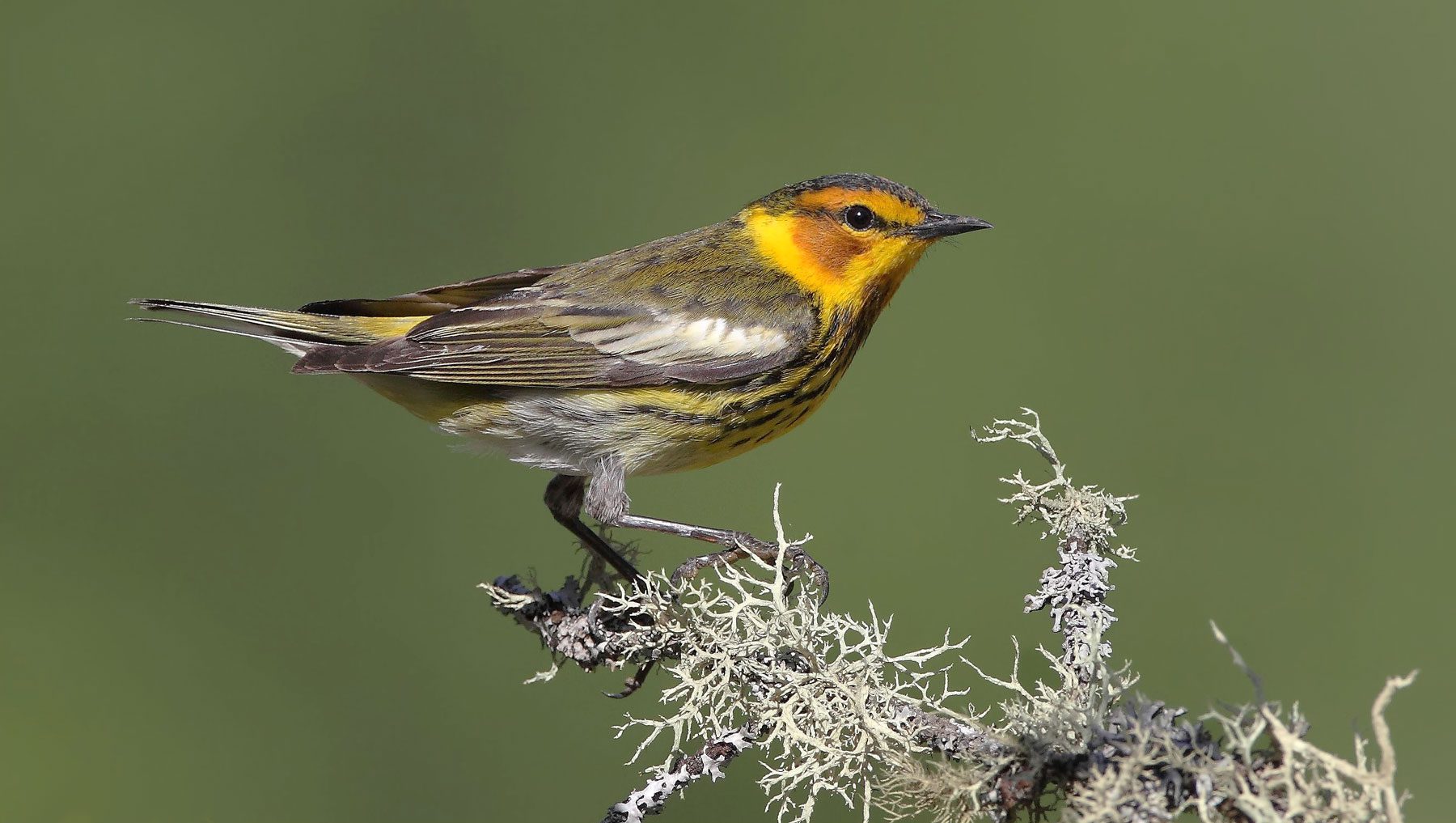
Write down details like color, size, and behaviors. Use apps to match sounds or pictures. Take photos to compare later. Note the location and time to track patterns. This helps build your bird knowledge over time.
Credit: www.allaboutbirds.org
Frequently Asked Questions
When Is The Best Time To Bird Watch Daily?
Early morning, especially within two hours after sunrise, is the best time to bird watch. Birds are most active then, searching for food and communicating.
Why Is Morning Ideal For Bird Watching?
Morning offers calm weather and cooler temperatures. Birds are more vocal and visible, making identification easier and the experience more rewarding.
Can Bird Watching Be Good In The Evening?
Yes, late afternoon to just before sunset is also a good time. Birds often forage actively before resting for the night.
Does Weather Affect The Best Bird Watching Time?
Yes, clear, calm days enhance bird activity. Windy or rainy conditions reduce bird visibility and movement, making bird watching less effective.
Conclusion
Bird watching is best in the early morning and late afternoon. Birds are most active during these times. The light is soft, making it easier to see colors and details. Quiet moments help you notice bird songs and movements. Plan your trips around these hours for better sightings.
Remember, patience and calmness bring great rewards. Every day offers a new chance to discover something special. Enjoy the peace and beauty of nature while watching birds. Keep exploring and learning about your feathered friends.