

Have you ever wondered where the migrating birds are right now? These incredible travelers cover thousands of miles each year, moving with the changing seasons.
Knowing where they are can bring a sense of connection to nature and a spark of excitement. You’ll discover the latest locations of these winged voyagers and learn why their journeys matter to you. Keep reading to find out how these birds navigate the skies and what their current routes can teach us about the world around us.
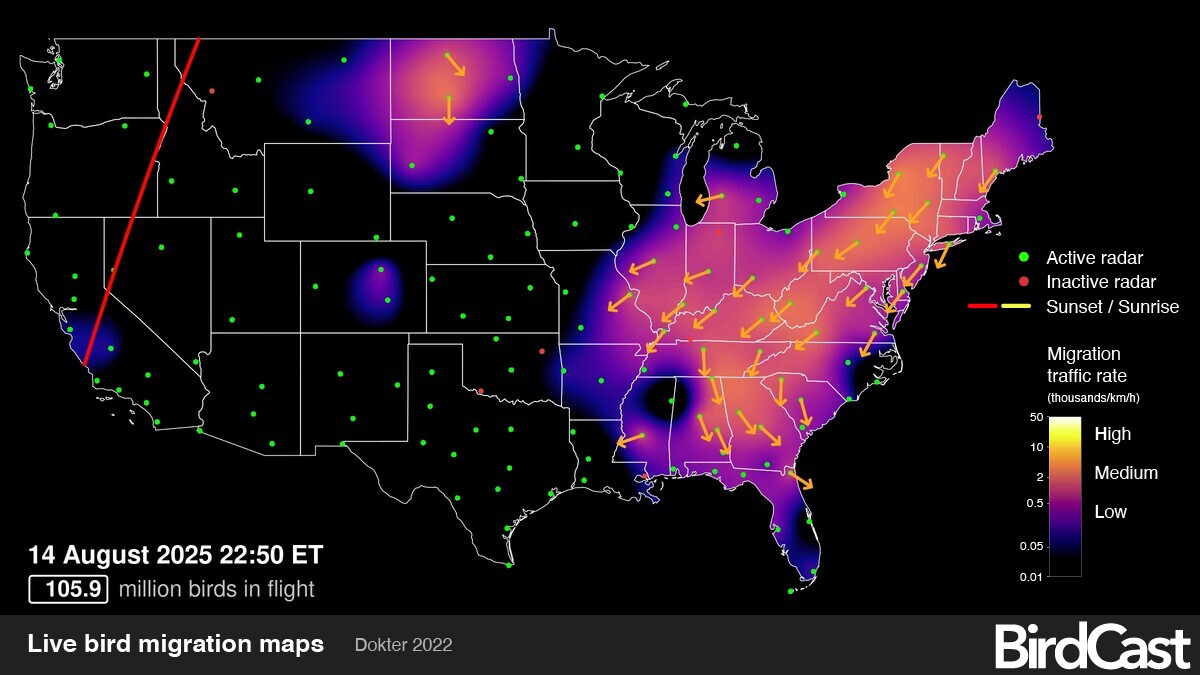
Credit: birdcast.info
Mysteries Of Bird Migration
Bird migration is one of nature’s most fascinating puzzles. Every year, millions of birds travel thousands of miles. They cross oceans, mountains, and deserts. Yet, many details about how and why they do this remain unknown.
Scientists study bird migration to understand their routes and behaviors. Despite advances in technology, some mysteries still puzzle researchers. These mysteries make bird migration an exciting topic for bird watchers and scientists alike.
The Navigation Secrets Of Migrating Birds
Birds use the Earth’s magnetic field to find their way. They can sense magnetic forces we cannot feel. This natural compass helps them stay on course during long flights.
In addition to magnetic cues, birds use the sun and stars. They memorize landmarks like rivers and mountains. These clues guide them through unknown areas.
How Do Birds Know When To Migrate?
Migration timing is linked to changes in daylight. As days get shorter or longer, birds prepare to leave. Internal biological clocks help them sense these changes.
Weather and food availability also influence their timing. Birds wait for the right moment to start their journey. This timing is critical for survival.
The Role Of Group Travel In Migration
Many birds migrate in flocks for safety and efficiency. Flying together reduces energy use by sharing air currents. Groups also help protect against predators.
Communication within the flock is key. Birds use calls and body language to stay coordinated. This teamwork helps them reach their destination safely.
Popular Migrating Birds
Many birds embark on incredible journeys each year, traveling thousands of miles between breeding and wintering grounds. These migrations are not just fascinating natural events—they also affect ecosystems and even human activities. Understanding which birds migrate and where they go can make your birdwatching or nature trips more rewarding.
Arctic Tern
The Arctic Tern holds the record for the longest migration, flying from the Arctic to the Antarctic and back annually. This bird experiences two summers each year, enjoying more daylight than any other creature on Earth. Watching an Arctic Tern in flight is a reminder of nature’s endurance and precision.
If you want to spot them, look near coastal areas during the summer months in the northern hemisphere. These birds travel over 40,000 miles round trip, a journey unmatched by almost any other species.
Swallows
Swallows are familiar travelers that often signal the change of seasons. They migrate from North America to Central and South America, covering vast distances to find warmer climates and abundant food. Their graceful flight and social behavior make them a favorite among bird enthusiasts.
Pay attention to their swift movements and the way they gather in large flocks before migration. Have you noticed how swallows often nest near human structures? Their close relationship with people means you might find them right in your backyard.
Monarch Butterflies
Although not birds, Monarch butterflies are among the most famous migrants in the natural world. These bright orange insects travel from the northern United States and Canada to central Mexico every year. Their migration is a stunning example of teamwork and survival.
Monarchs rely on specific trees and climates during their journey, which means changes in the environment can affect their path and success. Next time you see a Monarch, think about the incredible journey it has taken and what it means for the ecosystem.
Tracking Techniques
Tracking migrating birds reveals amazing details about their journeys and survival. Scientists use several techniques to follow these feathered travelers across continents and oceans. Understanding these methods can help you appreciate the effort behind every bird sighting and data point you hear about.
Banding And Tagging
Banding involves placing a small, lightweight ring around a bird’s leg. This ring has a unique code that helps identify the bird if it is spotted again. Tagging can also include attaching tiny markers that record data like temperature or altitude.
You might be surprised that some bands last for decades, providing lifetime stories of migration patterns. Have you ever wondered how a simple metal ring can tell us where a bird has flown?
Satellite Tracking
Satellite tracking uses tiny transmitters attached to birds to send real-time location data to researchers. These devices allow tracking even over remote areas like oceans or deserts where human observers can’t go. This technology can show exact routes, stopover points, and flight speeds.
Imagine following a bird’s journey live on your phone or computer. This technique gives you a front-row seat to one of nature’s greatest adventures.
Citizen Science Contributions
Every time you spot a migrating bird and report it, you join a global network of citizen scientists. Projects like eBird encourage birdwatchers to log sightings, creating massive databases for researchers. Your observations help fill gaps that technology alone can’t cover.
What if your next birdwatching trip could contribute to scientific discoveries? With just your phone and a little attention, you become part of a bigger story about migration and conservation.
Current Locations Of Migrating Birds
Migrating birds travel vast distances to find food, warmth, and safe breeding spots. Their current locations vary by species and season. Many birds have reached their resting places or are still on their journey. Tracking their locations helps us understand migration patterns and protect their habitats.
North America
Many birds have arrived in the southern United States and Mexico. Coastal wetlands and forests provide food and shelter. Some shorebirds rest along the Gulf Coast, while songbirds fill eastern forests. In Canada, fewer birds remain as winter approaches.
Europe
Birds gather in southern Europe, especially Spain and Italy. Wetlands and river valleys attract ducks and waders. Migrants from northern Europe seek milder climates. Some species stay in Mediterranean areas until spring.
Asia
In Asia, birds reach India, Southeast Asia, and parts of China. Tropical forests and wetlands are key stopovers. Many waterfowl and passerines rest here before moving further south. Harsh winters push some species to warmer regions.
Africa
Africa hosts many wintering birds from Europe and Asia. The Sahel region and coastal areas offer rich feeding grounds. Some species stay year-round in tropical zones. Migrants spread across savannas, forests, and wetlands.
Environmental Challenges
Tracking migrating birds today reveals more than just their flight paths; it uncovers the harsh realities of environmental challenges they face. These obstacles directly affect their survival and the delicate balance of ecosystems worldwide. Understanding these issues helps you grasp why protecting migratory routes matters more than ever.
Climate Change Impact
Rising temperatures disrupt the timing of bird migrations. Birds arrive too early or too late to find food or nesting sites, which puts their survival at risk. You might notice fewer birds at your local park during usual migration seasons, a sign that climate change is shifting their patterns.
Extreme weather events like storms and heatwaves also threaten migrating birds mid-journey. These sudden changes can exhaust birds or force them off course. Have you ever wondered how many birds lose their way due to a single storm?
Habitat Loss
Urban expansion and deforestation shrink the natural habitats birds depend on. Wetlands, forests, and grasslands vanish as land is converted for agriculture or cities. Without safe resting spots and breeding grounds, many species struggle to complete their migrations.
Imagine a bird stopping at a lake that no longer exists. This loss forces longer flights without breaks, increasing exhaustion and mortality. What can you do to support habitat conservation near your area?
Pollution Effects
Pollution contaminates water, air, and soil along migration routes, impacting bird health. Chemicals and plastics can poison birds or reduce food availability. You may find it surprising how even small amounts of pollution can cause large-scale harm.
Light pollution confuses nocturnal migrants, leading to collisions with buildings or disorientation. Reducing unnecessary nighttime lighting can make a big difference for these travelers. Have you ever noticed birds circling brightly lit areas at night?

Credit: www.scientificamerican.com
Conservation Efforts
Conservation efforts play a vital role in protecting migrating birds. These efforts help maintain safe habitats and ensure birds have food and shelter during their long journeys. Many groups work together to keep these species safe and healthy. Protecting birds also supports the balance of nature and benefits human life.
International Collaborations
Many countries join forces to protect migratory birds across borders. These collaborations create agreements to conserve habitats and reduce threats. Organizations share research and resources to track bird movements. Treaties like the Migratory Bird Treaty Act help enforce protections worldwide. Working together increases the chance of success for bird conservation.
Local Initiatives
Local communities take action to protect birds near their homes. They plant native trees and create bird-friendly spaces. Schools and volunteers educate others about the importance of birds. Clean-up events help remove trash from nesting sites. Small changes in neighborhoods add up to big impacts for migrating birds.
Technology In Conservation
Technology helps track and study migrating birds more closely. GPS trackers show exact routes birds take during migration. Drones monitor remote nesting areas without disturbing birds. Mobile apps allow citizens to report bird sightings easily. Data collected helps scientists make better plans to protect birds.
How To Help Migrating Birds
Helping migrating birds is important for their survival. These birds travel thousands of miles. They face many dangers like loss of habitat and bad weather. People can make a big difference with small actions. You can support birds by creating safe places and joining community efforts.
Creating Bird-friendly Spaces
Make your yard or balcony safe for birds. Plant native trees and flowers for food and shelter. Avoid using pesticides that can harm birds. Provide fresh water in shallow dishes for drinking and bathing. Use bird feeders with seeds that suit local birds. Keep cats indoors or supervise them outside to protect birds.
Supporting Conservation Organizations
Many groups work to protect migrating birds. Donate money or time to these organizations. They fund research and create bird habitats. Learn about their projects and share their messages. Your support helps maintain safe migration routes and breeding areas.
Participating In Birdwatching Events
Join local birdwatching groups or events. These activities raise awareness about migrating birds. You can learn to identify different species and their behaviors. Birdwatching helps gather data used by scientists. It also builds a community that cares for birds.

Credit: www.allaboutbirds.org
Frequently Asked Questions
Where Are Most Migrating Birds Now Located?
Most migrating birds are currently in their breeding or wintering grounds. Their locations depend on the species and migration patterns. Tracking data helps identify their exact positions.
How Do Migrating Birds Choose Their Routes?
Migrating birds use environmental cues like the sun, stars, and Earth’s magnetic field. They also rely on landmarks and weather conditions for navigation.
When Do Migrating Birds Start Their Journey?
Bird migration typically begins in early spring and late summer. The timing depends on species, weather, and food availability at breeding or wintering sites.
Why Do Birds Migrate Seasonally?
Birds migrate to find food, better climate, and safe breeding areas. Seasonal migration helps them survive harsh weather and exploit abundant resources.
Conclusion
Migrating birds travel great distances each year. They follow routes shaped by weather and food. Many rest in wetlands and forests during their journey. Watching them helps us learn about nature’s rhythms. Protecting their habitats ensures they can travel safely.
Bird migration remains a fascinating natural event. Keep observing and appreciating these amazing travelers. Their journeys connect different parts of the world. Stay curious about where migrating birds are now.