

Have you ever wondered why birds suddenly disappear from your backyard as the seasons change? This fascinating behavior is called the migration of birds, and it’s much more than just flying from one place to another.
Understanding bird migration can open your eyes to nature’s incredible rhythms and the hidden challenges these creatures face every year. You’ll discover what bird migration really means, why it happens, and how it affects the world around you. Keep reading—you’ll be amazed at the journey these birds undertake and what it tells us about survival and change.
Bird Migration Basics
Bird migration is a natural journey many birds take during different seasons. It helps them find better places for food, breeding, and survival. This movement happens over long distances, sometimes across continents. Understanding bird migration basics shows how these creatures navigate and adapt.
What Is Bird Migration?
Bird migration means the regular movement of birds between breeding and non-breeding areas. It usually happens twice a year. Birds travel to warmer places in winter and return in spring. This cycle helps them avoid harsh weather and find food easily.
Why Do Birds Migrate?
Birds migrate to find food and suitable living conditions. In cold seasons, food becomes scarce. Warm areas offer more insects, fruits, and plants. Migration also helps birds breed in safer, resource-rich places. It increases their chances of survival and raising young ones.
How Do Birds Navigate?
Birds use many methods to find their way during migration. They follow the sun and stars to guide them. Earth’s magnetic field acts like a natural compass. Birds also remember landmarks like rivers and mountains. Their strong sense of smell and sight helps too.
When Do Birds Migrate?
Migration usually happens in spring and autumn. Birds leave cold places before winter arrives. They return as temperatures rise in spring. Timing depends on weather, daylight, and food availability. Some birds migrate at night to avoid predators and heat.
Reasons Behind Bird Migration
Bird migration happens for several important reasons. Birds move from one place to another to survive and thrive. These movements are often linked to their needs for food, breeding, and adapting to changing weather. Understanding why birds migrate helps us appreciate their amazing journeys.
Search For Food
Many birds migrate to find food that is not available all year. During winter, insects and plants become scarce in cold areas. Birds travel to warmer places where food is easier to find. This movement helps them stay healthy and strong.
Breeding And Nesting
Birds migrate to places that are safe and suitable for breeding. They choose areas with good shelter and fewer predators. These places offer better chances for raising their young. Migration helps ensure the survival of the next generation.
Climate And Seasonal Changes
Seasonal changes affect birds’ habitats. Cold winters and hot summers can make some places hard to live in. Birds move to climates that fit their needs better. They avoid harsh weather and find comfortable conditions for living.
Types Of Bird Migration
Bird migration varies widely across species. Different types of migration help birds survive changing seasons and find food. Understanding these types reveals how birds adapt to their environment.
Short-distance Migration
Short-distance migration involves birds moving a few miles or within the same region. These birds usually travel to nearby warmer areas during colder months. This type of migration requires less energy and time.
Examples include many songbirds and some waterfowl that relocate to find food or milder weather. They often return to their original habitats once conditions improve.
Long-distance Migration
Long-distance migration covers thousands of miles. Birds travel between continents or across oceans to reach their breeding or wintering grounds. This journey is challenging and requires strong navigation skills.
Examples include Arctic terns and swallows. They fly from polar regions to tropical zones, following seasonal changes and food availability.
Partial Migration
Partial migration means only some members of a species migrate. Others stay in the same area year-round. This behavior depends on factors like age, sex, or food supply.
Partial migration helps populations survive in unpredictable environments. It allows flexibility, with some birds adapting to local conditions and others moving away.
Navigational Strategies
Bird migration is a fascinating journey that requires precise navigation. Birds use various strategies to find their way across vast distances. These navigational skills help them survive and reach their destinations efficiently.
Use Of Celestial Cues
Birds often look to the sky for guidance. They use the position of the sun during the day and the stars at night to maintain their direction. Have you ever noticed how you can find your way by looking at the night sky? Birds do something very similar, using constellations as natural compasses.
This strategy demands an internal clock to adjust for the sun’s movement. Without this, birds could easily get lost as the sun changes position throughout the day. It’s impressive how their brains process this information to stay on course.
Magnetic Field Navigation
Some birds have a built-in magnetic sensor that helps them detect Earth’s magnetic field. This invisible guide points them north or south, no matter the weather or time of day. Imagine having a natural GPS inside your body—that’s exactly what these birds experience.
Scientists believe this ability comes from special proteins in their eyes or brain. This sense allows them to fly thousands of miles without losing track. Next time you look at a migrating bird, think about the magnetic map it’s following.
Landmark Recognition
Not all navigation happens in the sky or through magnetic fields. Birds also rely on familiar landmarks like rivers, mountains, and coastlines. These features act like signposts, helping birds confirm they’re on the right path.
Think about your own experience traveling to a new place—you probably look for buildings or natural features to guide you. Birds do the same but on a much larger scale. This method works especially well when migrating during the day or when other cues are unavailable.
Challenges Faced By Migratory Birds
Migratory birds face numerous challenges that threaten their survival and the success of their long journeys. These obstacles come from both natural and human-made sources, creating a complex web of risks. Understanding these challenges helps you appreciate the resilience of these birds and the urgent need for conservation efforts.
Habitat Loss
Many migratory birds depend on specific habitats for resting and feeding during their travels. When wetlands, forests, or grasslands are destroyed or altered, these birds struggle to find safe stops.
You might notice how urban expansion or agriculture reduces natural spaces. Without these crucial habitats, birds may not have enough energy to complete their journeys.
Climate Change
Changing weather patterns disrupt the timing of migration and the availability of food. Warmer temperatures can cause birds to arrive too early or late, missing peak food supplies.
Have you ever wondered how a simple shift in seasons affects the entire ecosystem? For migratory birds, this can mean starvation or failed breeding.
Predation And Hunting
Along their routes, migratory birds face threats from predators and hunters. In some regions, hunting is a major cause of population decline.
Even natural predators become more dangerous when birds are exhausted from long flights. Protecting these birds means addressing both natural and human threats in their habitats.
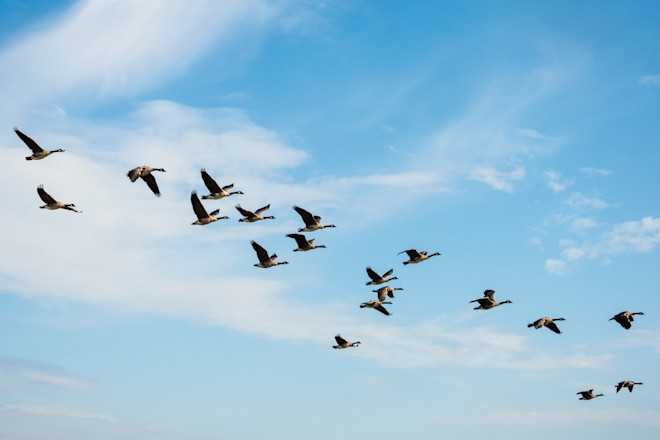
Credit: www.discovermagazine.com
Conservation Efforts
Conservation efforts play a vital role in protecting migratory birds and their habitats. These birds travel long distances and face many dangers. Protecting their routes and resting places helps their survival. Various strategies work together to support these efforts.
Protected Areas And Reserves
Protected areas provide safe places for birds to rest and feed. Reserves are often located along migration paths. These areas limit human activities like hunting and construction. They also maintain natural habitats such as wetlands and forests. This shelter is crucial during long journeys.
International Agreements
Migratory birds cross many countries during their travels. International agreements help countries work together. These agreements set rules to protect birds and their habitats. They promote shared responsibility and cooperation. This global effort increases the chances of bird survival.
Community Involvement
Local communities play a key role in conservation. People learn how to protect birds and their homes. Community projects may include habitat restoration and monitoring bird populations. Educating locals creates awareness and respect for wildlife. This support is essential for lasting conservation success.
Fascinating Bird Migration Facts
Bird migration is one of nature’s most astonishing phenomena. Every year, millions of birds embark on long journeys, crossing continents and oceans. Understanding these journeys can change how you see the natural world around you.
Record-breaking Journeys
Some birds travel incredible distances without stopping. The Arctic Tern holds the record by flying around 44,000 miles annually between the Arctic and Antarctic. Imagine a bird flying the equivalent of almost two round trips to the moon every year!
Such feats push the limits of endurance and navigation. What does it take for a tiny creature to sustain such a journey? Scientists believe it involves a mix of instinct, physical adaptation, and environmental cues.
Unique Migratory Patterns
Not all birds follow the same paths or schedules. Some species migrate during the day, others at night. For example, many songbirds prefer night flights to avoid predators and use the stars for navigation.
Some birds take detours to avoid mountains or deserts, while others rely on wind currents to save energy. These patterns show how migration is tailored to a species’ survival needs and environmental challenges. Have you ever noticed birds flying in formations? That’s part of their energy-saving strategy.
Species-specific Behaviors
Each species has its own migration style. Swallows make multiple stopovers to feed and rest, while some shorebirds fly non-stop for days. The bar-tailed godwit’s nonstop flight of over 7,000 miles is a prime example.
Some birds even change their diet or molt feathers during migration to prepare for the journey. These behaviors show you how migration is not just about moving but about adapting to different conditions along the way.

Credit: www.numberanalytics.com

Credit: birdaware.org
Frequently Asked Questions
What Is Bird Migration And Why Does It Happen?
Bird migration is the seasonal movement of birds between breeding and wintering grounds. It happens for food availability, breeding, and favorable climate.
How Do Birds Navigate During Migration?
Birds use the sun, stars, magnetic fields, and landmarks to navigate accurately during migration journeys.
When Do Most Birds Migrate Annually?
Most birds migrate during spring and autumn to exploit better climate and food resources.
Which Birds Are Known For Long-distance Migration?
Species like Arctic Terns and Swallows are famous for long migrations, traveling thousands of miles.
Conclusion
Bird migration shows nature’s amazing patterns and survival skills. Birds travel long distances to find food and better weather. This journey helps them stay safe and grow their families. Watching migration teaches us about the balance in nature. It reminds us how important it is to protect bird habitats.
Migration connects different parts of the world through these flying travelers. Understanding migration helps us appreciate birds more every day. It’s a natural wonder worth learning about and preserving.