
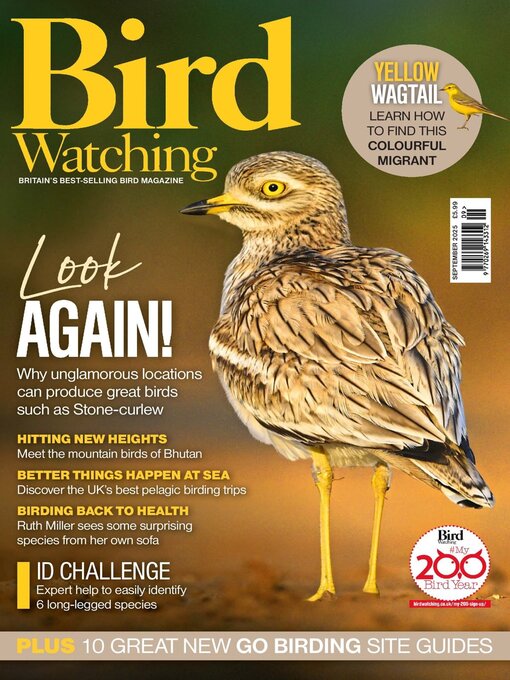
Are you looking for the perfect spot to enjoy bird watching? Whether you’re a beginner or an experienced bird lover, finding the right place makes all the difference.
Imagine standing quietly, surrounded by nature, as colorful birds flutter nearby. You want to know where to go to experience that peaceful moment. You’ll discover the best places to watch birds, tips to spot rare species, and how to make your bird watching trip truly unforgettable.
Keep reading—you’re about to unlock the secrets to an amazing bird watching adventure.
Why Bird Watching Is Popular
Bird watching draws millions of people worldwide. It offers a peaceful way to connect with nature and enjoy the outdoors. Watching birds can be relaxing and exciting at the same time. It allows people to slow down and appreciate simple moments.
Many find joy in spotting different bird species. Each sighting feels like a small victory. Bird watching also teaches patience and focus. It encourages exploration and learning about wildlife.
Connection With Nature
Bird watching helps people feel close to nature. It opens eyes to the beauty around us. Spending time outside improves mood and reduces stress. Birds bring life and sound to natural places.
Easy And Affordable Hobby
No special skills or equipment are needed at first. A pair of binoculars and a guidebook can help. Bird watching suits all ages and fitness levels. It can be done in backyards, parks, or forests.
Opportunities For Learning
Bird watching encourages curiosity about animals and habitats. It teaches about migration, behavior, and ecology. Many enjoy identifying species and tracking sightings. It’s a fun way to gain knowledge about the environment.
Community And Social Interaction
Bird watchers often join clubs or online groups. They share tips, stories, and photos. Group outings create chances to meet new friends. Events and festivals celebrate bird watching worldwide.
Physical And Mental Health Benefits
Walking and hiking to find birds promotes fitness. The calm nature of bird watching lowers anxiety. Focusing on birds improves attention and mindfulness. It offers a healthy break from daily routines.
North American Bird Watching Destinations
North America offers some of the richest bird watching spots in the world. Whether you prefer vast wilderness, wetlands, or diverse national parks, there’s a destination waiting for you. Each location has unique bird species and habitats that make your birding experience unforgettable.
Alaska’s Wilderness
Alaska is a paradise for bird watchers who love untouched nature. You can spot rare species like the Steller’s eider and the magnificent bald eagle against a backdrop of stunning landscapes. Imagine watching flocks of snow geese take flight while the crisp air fills your lungs—does it get better than this?
Try visiting during spring migration when the diversity of birds peaks. Remember to bring binoculars and warm clothing, as the weather can be unpredictable. Local guides offer excellent tours that increase your chances of spotting elusive birds.
Florida’s Everglades
The Everglades is a wetland wonderland packed with bird life. From roseate spoonbills to the elusive Limpkin, you’ll find species that thrive in marshes and swamps. Ever wondered how it feels to hear the call of a great blue heron while paddling through serene waters?
Visit during the winter months to catch migratory birds escaping colder climates. Kayaking or airboat tours give you a close-up view of the habitat without disturbing the birds. Pack insect repellent—those mosquitoes can be relentless.
California’s National Parks
California’s national parks offer diverse ecosystems, making them hotspots for bird watchers. Yosemite, Point Reyes, and Joshua Tree all provide different experiences with birds like the spotted owl or the California condor. Have you considered how varied bird species can be just a few hours’ drive apart?
Early morning hikes are the best time to see birds actively feeding and singing. Use a local bird checklist to track what you’ve spotted and challenge yourself to identify new species. Don’t forget your camera to capture the moment—you’ll want to relive it later.
European Bird Watching Locations
Europe offers a diverse range of bird watching spots that cater to both beginners and experienced birders. From wetlands to rugged arctic landscapes, each location brings unique species and unforgettable experiences. Knowing where to go can make your bird watching trip truly rewarding.
Spain’s Wetlands
Spain’s wetlands are hotspots for bird watchers looking to see a variety of waterfowl and wading birds. The Doñana National Park stands out with its flamingos, herons, and rare species like the Spanish Imperial Eagle. You might be surprised how easily you can spot thousands of migrating birds during the right season.
Another great spot is the Ebro Delta, famous for its vast rice fields and lagoons. It’s perfect if you want to see greater flamingos and a range of warblers. Have you considered how a simple walk along these wetlands could connect you with thousands of birds you won’t find elsewhere?
Uk’s Rspb Reserves
The Royal Society for the Protection of Birds (RSPB) manages numerous reserves across the UK, each offering unique bird watching opportunities. At RSPB Minsmere in Suffolk, you can spot bitterns, marsh harriers, and avocets in their natural habitats. The well-maintained paths and hides make it easy for you to get close without disturbing the wildlife.
RSPB Bempton Cliffs is another must-visit, famous for its towering cliffs hosting puffins, gannets, and kittiwakes. Imagine standing just feet away from thousands of nesting seabirds—a breathtaking experience that stays with you. Are you ready to explore these reserves and add rare UK species to your list?
Scandinavia’s Arctic Regions
Scandinavia’s Arctic regions offer a completely different bird watching environment. In places like Norway’s Varanger Peninsula, you can see species adapted to cold climates, such as the king eider and the long-tailed duck. The midnight sun during summer means you can watch birds almost around the clock.
Sweden’s Lapland is another incredible location, where you can find the rare gyrfalcon and snowy owl. The vast, open landscapes provide a peaceful setting that encourages slow, focused observation. Have you thought about how bird watching in such remote areas could deepen your connection with nature?

Credit: www.timbuktutravel.com
Asian Bird Watching Hotspots
Asian bird watching hotspots offer some of the most diverse and vibrant avian experiences you can find anywhere. The continent’s vast landscapes—from dense rainforests to serene wetlands—host a spectacular variety of bird species. If you’re wondering where to take your binoculars next, these destinations promise unforgettable sightings and practical opportunities to connect with nature.
India’s National Parks
India’s national parks are treasure troves for bird watchers. Parks like Kaziranga and Ranthambore are home to species such as the Indian Peafowl, Great Hornbill, and the elusive Bengal Florican.
Visiting early in the morning increases your chances of spotting rare birds. Have you tried joining a guided bird walk here? Local guides often know secret spots where birds gather.
Japan’s Wetland Sanctuaries
Japan’s wetland sanctuaries, including the famous Kushiro Shitsugen National Park, offer unique bird watching chances. Migratory birds like the Red-crowned Crane and various species of ducks make these wetlands their seasonal home.
Don’t just stick to the main trails—small observation huts provide quiet places to watch without disturbing the birds. Have you ever seen cranes dancing? It’s a sight that stays with you.
Malaysia’s Rainforests
Malaysia’s rainforests, such as those in Taman Negara, are alive with colorful birds. Look out for species like the Rhinoceros Hornbill and the Malayan Peacock-Pheasant, which are often hidden in the dense canopy.
Staying overnight in a jungle lodge can increase your chances of night birding. Imagine hearing the calls of owls and nightjars as you settle in after a day of spotting!
African Bird Watching Adventures
African bird watching adventures offer a thrilling experience for any nature lover. The continent’s vast landscapes and diverse ecosystems host some of the world’s most spectacular bird species. Whether you’re a beginner or an expert, Africa invites you to discover birds that can only be found here.
Kenya’s National Reserves
Kenya’s national reserves are a paradise for bird watchers. The Maasai Mara and Lake Nakuru are especially famous for their rich bird populations. You can spot flamingos painting the lake pink, or catch a glimpse of the rare African fish eagle soaring high.
Walking through the forest trails or driving across the savannah, you’ll notice how birds interact with the environment. Ever wondered how birds adapt to different habitats so quickly? Kenya’s reserves give you a front-row seat to witness this.
South Africa’s Biodiverse Regions
South Africa offers bird watching in some of the most biodiverse regions on Earth. The Kruger National Park and the Cape Floristic Region are hotspots where you can find over 500 bird species. From vibrant sunbirds to majestic eagles, the variety is astonishing.
What makes South Africa unique is the mix of coastal, mountain, and grassland birds all in one trip. Planning your visit during migration season can increase your chances of seeing rare visitors. How often do you get to see such a wide range of birds in a single day?
Madagascar’s Unique Species
Madagascar stands out for its unique bird species found nowhere else in the world. The island’s isolation has allowed extraordinary birds like the vangas and ground rollers to evolve. Spotting these birds feels like discovering a secret no one else knows.
Venturing into Madagascar’s rainforests will challenge your bird watching skills, but the reward is worth it. Have you ever thought about how island ecosystems shape the evolution of species differently than mainland areas? Madagascar gives you that rare chance to see it live.
Australia And Oceania’s Birding Paradises
Australia and Oceania offer some of the most unique bird watching experiences on the planet. These regions are home to a stunning variety of birds, many of which can’t be found anywhere else. If you’re looking to add rare and colorful species to your birding list, these paradises should be on your radar.
Australia’s Coastal Regions
Australia’s coastlines are a treasure trove for bird watchers. Places like the Great Barrier Reef and the shores of Tasmania attract seabirds, shorebirds, and migratory species.
You might spot the vibrant Rainbow Lorikeet or the majestic White-bellied Sea Eagle soaring overhead. Local wetlands, such as those near Broome, offer chances to see the rare Pink Cockatoo in action.
Have you ever tried bird watching at dawn by the ocean? The quiet light and calm waters often bring out the most activity from coastal birds.
New Zealand’s Endemic Birds
New Zealand is a haven for bird lovers seeking species found nowhere else. The Kiwi is the country’s iconic bird, but there’s more to discover beyond it.
Look for the Tūī with its striking iridescent feathers or the resilient Kea, a mountain parrot known for its curiosity. Conservation areas like Zealandia in Wellington give you close-up views of these native birds in their natural habitat.
Think about how these birds have evolved isolated from predators—how does that affect their behavior? Observing them can give you insights into nature’s delicate balance.
Fiji’s Island Birdlife
Fiji’s islands host a variety of tropical birds that thrive in lush rainforests and coastal areas. The Red-throated Lorikeet and the Fiji Goshawk are just two species that make birding here exciting.
Bird watching in Fiji often combines with cultural experiences, as local guides share stories about the birds and their significance. The challenge of spotting these often shy birds makes the experience even more rewarding.
Have you considered how island ecosystems shape bird populations? Watching Fiji’s birds can deepen your appreciation for island biodiversity and conservation efforts.
Tips For A Successful Bird Watching Trip
Planning a bird watching trip requires more than just picking a spot. Preparation makes the experience rewarding and enjoyable. Knowing what to bring, when to go, and how to behave helps you see more birds and protect nature.
Choosing The Right Equipment
Good equipment makes bird watching easier. Bring binoculars with clear lenses and a comfortable grip. A field guide helps identify different species. Wear comfortable clothes in natural colors to blend in. A notebook and pen help record your sightings. Don’t forget a camera if you want photos.
Best Times Of Year
Bird activity changes with seasons. Early spring and fall offer chances to see migrating birds. Summer shows breeding behaviors and young birds. Winter provides chances to spot species that move south. Dawn and dusk are the best times of day for bird watching.
Respecting Wildlife And Habitats
Keep distance from birds to avoid stress. Stay on marked trails to protect plants and nests. Avoid loud noises or sudden movements. Never feed wild birds. Carry out all trash and leave nature as you found it. Respect rules of parks and reserves.

Credit: reykjavikout.is
Credit: www.stuckiniceland.com
Frequently Asked Questions
Where Are The Best Bird Watching Spots Worldwide?
Top bird watching spots include Costa Rica, Kenya, and the Everglades. These places offer diverse habitats and rare species, attracting birders globally. Each location provides unique viewing experiences and well-maintained trails for enthusiasts at all levels.
What Equipment Is Essential For Bird Watching?
Binoculars, a field guide, and a notebook are essential for bird watching. A camera with zoom helps capture sightings. Comfortable clothing and sturdy shoes improve the experience. These tools aid in identification and documentation of bird species.
When Is The Best Time For Bird Watching?
Early mornings during spring and fall migration are ideal for bird watching. Birds are most active and visible during these times. Weather conditions are usually calm, making it easier to spot different species in their natural habitats.
Can Bird Watching Be Done In Urban Areas?
Yes, urban parks, gardens, and wetlands are great for bird watching. Many bird species adapt well to cities. Observing birds in urban settings offers convenience and unique species not found in rural areas.
Conclusion
Bird watching offers peace and excitement in nature. Many places worldwide welcome bird lovers. Parks, forests, and wetlands hold many bird species. Each spot brings a unique experience and new birds. Prepare your gear, stay quiet, and enjoy the view.
Every trip can teach you something new. Keep exploring to find your favorite birding place. Nature waits to surprise and calm your mind. Happy bird watching!