
Are you ready to discover some of the best spots to watch birds in Holland, Belgium, and Northern France? Whether you’re a seasoned birdwatcher or just starting out, these regions offer amazing places where you can see rare and beautiful birds up close.
Imagine standing quietly by a peaceful lake or walking through a lush forest, spotting colorful feathers and hearing birds sing all around you. You’ll find the top locations that will make your birdwatching experience unforgettable. Keep reading to find out where your next bird adventure awaits!
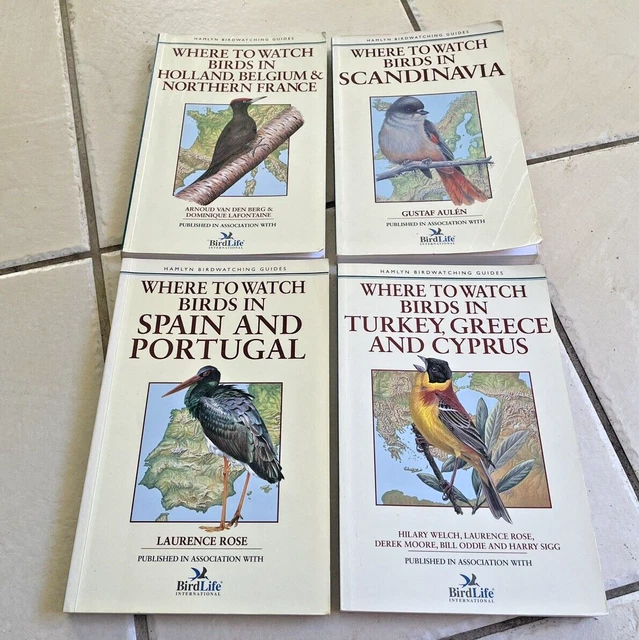
Credit: picclick.ca
Birdwatching In Holland
Holland offers excellent opportunities for birdwatchers of all levels. The country’s diverse landscapes attract many bird species throughout the year. From coastal dunes to wetlands and forests, each habitat hosts unique birds. Birdwatching here can be a peaceful and rewarding experience. The accessibility of nature reserves makes Holland a top birdwatching destination in Europe.
Best Seasons For Birdwatching
Spring and autumn are the best seasons for birdwatching in Holland. Migratory birds pass through during these times. Summer offers chances to see breeding birds. Winter attracts waterfowl and some rare species. Each season brings different birdwatching opportunities.
Top Bird Species To Spot
- Common Kingfisher
- European Spoonbill
- Black-tailed Godwit
- White Stork
- Bearded Reedling
- Grey Heron
- Whooper Swan
These species are often seen across various habitats. Some are rare and exciting to find.
Notable Birdwatching Locations
- Lauwersmeer National Park:Great for waterbirds and raptors.
- Biesbosch National Park:Rich in wetland species.
- De Hoge Veluwe:Woodlands and heathland birds.
- Marker Wadden:New islands with diverse birdlife.
- Zwin Nature Park:Coastal reserve with migratory birds.
Visiting these spots increases chances of spotting rare birds. They have good facilities for birdwatchers too.
Birdwatching In Belgium
Belgium offers diverse habitats that attract many bird species. Birdwatching here is rewarding for beginners and experts alike. From wetlands to forests, each area hosts unique wildlife. The country’s small size makes it easy to explore several spots quickly. Birdwatching in Belgium promises peaceful moments in nature and exciting sightings.
Key Birdwatching Areas
- Hoge Kempen National Park:Known for heathlands and pine forests. Home to woodpeckers and nightjars.
- Bourgoyen-Ossemeersen:A wetland reserve near Ghent. Spot herons, kingfishers, and various ducks here.
- Zwin Nature Park:Coastal area with salt marshes. Perfect for watching waders and migratory birds.
- Hallerbos Forest:Famous for bluebells in spring. Birds like the Eurasian jay and common buzzard live here.
Unique Bird Species
Belgium hosts several special birds. The Eurasian bittern is a shy, reed-dwelling bird found in marshes. The black woodpecker, larger than common woodpeckers, lives in mature forests. Birdwatchers may see the rare Montagu’s harrier during migration. Coastal areas attract colorful little terns and elegant avocets.
Best Times To Visit
- Spring (March to May): Many birds return from winter. Ideal for songbirds and nesting activity.
- Autumn (September to November): Watch migrating species passing through. Good for spotting raptors and waterfowl.
- Winter (December to February): Some hardy species stay. Water bodies attract ducks and geese.
- Summer (June to August): Breeding season. Listen for bird songs and see young birds.
Birdwatching In Northern France
Northern France offers excellent spots for birdwatchers of all levels. The region’s mix of coastlines, wetlands, and forests creates diverse habitats. These attract many bird species throughout the year. Visitors can enjoy peaceful nature walks while spotting interesting birds in their natural settings.
Renowned Birdwatching Sites
- Parc Naturel Régional des Caps et Marais d’Opale:Known for its coastal cliffs and marshes, ideal for seabirds and waders.
- Baie de Somme:A vast estuary with rich birdlife including ducks, geese, and shorebirds.
- Marais Audomarois:Freshwater marshlands hosting herons, bitterns, and many waterfowl.
- Forêt de Compiègne:A large forest habitat suitable for woodpeckers, owls, and songbirds.
Seasonal Bird Migration Patterns
Northern France is a key stopover for many migratory birds. In spring and autumn, large flocks pass through the region. Birds such as cranes, storks, and geese use these sites to rest and feed. Migration peaks vary by species but usually occur from March to May and August to October. This makes these months perfect for birdwatching enthusiasts.
Rare Bird Species
Rare birds add excitement to birdwatching in Northern France. Species like the Eurasian bittern and the black-winged stilt can be spotted here. The region also hosts occasional visitors such as the white-tailed eagle and the European roller. These rare sightings attract birdwatchers from many countries, eager to catch a glimpse.
Essential Birdwatching Gear
Birdwatching in Holland, Belgium, and Northern France requires the right gear for a rewarding experience. Essential birdwatching gear helps you spot birds clearly and stay comfortable outdoors. It also makes identification easier and your time more enjoyable.
Binoculars And Spotting Scopes
Good binoculars are key for clear views of distant birds. Choose models with 8x to 10x magnification for sharp images and steady hands. Spotting scopes offer higher magnification, perfect for watching birds far away or through dense vegetation.
Look for lightweight, waterproof options. A tripod for your spotting scope adds stability and reduces fatigue during long sessions. Quality optics improve your chances of seeing fine details like colors and patterns.
Field Guides And Apps
Field guides help identify birds by appearance, sound, and habitat. Choose region-specific guides for Holland, Belgium, and Northern France for accurate information. Many guides include photos, maps, and tips on bird behavior.
Mobile apps offer digital convenience. Use them to identify calls, track sightings, and log your finds. Offline app modes are useful in remote areas without internet access. Combine paper guides and apps for the best support.
Clothing And Accessories
Wear comfortable, weather-appropriate clothing. Layers work well to adapt to changing conditions. Choose neutral colors like green, brown, or grey to blend into nature and avoid scaring birds away.
- Waterproof jackets and boots keep you dry on wet trails.
- Hats and sunglasses protect from sun glare.
- Insect repellent and sunscreen enhance comfort outdoors.
- A small backpack holds your gear and snacks.
Proper clothing and accessories keep you focused and ready for birdwatching adventures.
Tips For A Successful Birdwatching Trip
Preparing for a birdwatching trip in Holland, Belgium, and Northern France takes more than just packing binoculars. Success depends on how well you plan your days, respect local customs, and stay safe while protecting the environment. These tips will help you make the most of your birdwatching adventure.
Planning Your Itinerary
Start by researching key birding hotspots like the Oostvaardersplassen in the Netherlands, the Zwin Nature Park in Belgium, and the Parc Naturel Régional des Caps et Marais d’Opale in Northern France. Map out your route to cover different habitats—wetlands, forests, and coastal areas—since each hosts unique species.
Check the seasonal bird migration patterns. Timing your visit during spring or autumn can dramatically increase your chances of spotting rare or migratory birds. Also, consider early mornings or late afternoons for the best activity and light.
Local Birdwatching Etiquette
Respecting the local environment and other birdwatchers is crucial. Keep noise to a minimum and avoid sudden movements that could scare the birds away. Use a quiet voice or gestures to communicate with fellow watchers.
Stay on marked trails and observation points to protect fragile ecosystems. If you’re unsure, ask locals or guides about any restricted areas. Bringing a field guide for the region can help you identify birds without needing to get too close.
Safety And Conservation Practices
Wear appropriate clothing for changing weather and terrain—layers, waterproof gear, and sturdy shoes are essential. Carry water and snacks, especially if you plan long walks in remote areas.
Be mindful of your impact: do not feed the birds or leave trash behind. Consider supporting local conservation groups or parks by paying entrance fees or donating. Your actions can help preserve these habitats for future birdwatchers.
Have you thought about how your presence affects the birds? Observing from a respectful distance not only keeps you safe but also ensures the birds’ natural behavior remains undisturbed.

Credit: apps.apple.com
Joining Birdwatching Tours
Joining birdwatching tours in Holland, Belgium, and Northern France can transform your birding experience. These tours bring you closer to elusive species and hidden habitats that you might miss on your own. Plus, sharing the experience with fellow enthusiasts adds a new layer of excitement and learning.
Benefits Of Guided Tours
Guided tours offer expert knowledge that makes a big difference. A local guide knows the best spots and the habits of regional birds, saving you time and frustration. You get tips on identification and behavior that you won’t find in guidebooks.
Beyond spotting birds, tours often provide access to private reserves or less crowded areas. This means quieter, more intimate encounters with nature. Plus, the social aspect helps you connect with people who share your passion.
Popular Tour Providers
Several companies specialize in birdwatching tours across these regions. Birding Breaksoffers tailor-made trips in the Dutch wetlands. Belgian Birding Toursfocuses on the diverse birdlife in Belgium’s Ardennes and coastal areas. Meanwhile, Nordic Nature Tourshas popular outings in Northern France’s Picardy and Normandy.
Each provider usually includes experienced guides, comfortable transport, and sometimes even accommodation. Reviews often highlight their professionalism and deep local knowledge. Checking recent feedback can help you pick the best fit.
Choosing The Right Tour For You
Consider what kind of birds you want to see and how much time you have. If you’re after rare species, a specialized tour might be worth the extra cost. For beginners, a general tour with a focus on common birds and habitats is a great start.
Think about the group size too. Smaller groups often mean more personalized attention but can be pricier. Larger groups might offer a lively atmosphere but less flexibility.
What’s your priority—comfort, adventure, or learning? Answering this will guide your choice. Have you thought about combining tours with local cultural experiences? That could add a rich dimension to your trip.

Credit: www.nhbs.com
Frequently Asked Questions
Where Are The Best Birdwatching Spots In Holland?
Top birdwatching spots in Holland include the Oostvaardersplassen, Lauwersmeer National Park, and the Wadden Sea. These areas host diverse bird species year-round, offering excellent viewing opportunities for both beginners and experts.
What Birds Can I See In Belgium’s Nature Reserves?
Belgium’s nature reserves feature birds like the Eurasian bittern, black stork, and European roller. Forests, wetlands, and coastal areas provide ideal habitats for a wide range of bird species.
When Is The Best Time To Watch Birds In Northern France?
Spring and autumn are the best times for birdwatching in Northern France. Migratory birds pass through during these seasons, increasing the chances of spotting rare and diverse species.
Are There Guided Birdwatching Tours Available In These Regions?
Yes, many guided birdwatching tours operate in Holland, Belgium, and Northern France. These tours offer expert knowledge and access to prime bird habitats, enhancing the birdwatching experience.
Conclusion
Birdwatching in Holland, Belgium, and Northern France offers many great spots. Each place has unique birds and beautiful nature. Small lakes, forests, and wetlands attract different species. You can enjoy quiet moments and see rare birds. Pack your binoculars and visit these areas slowly.
Take your time and listen to bird songs. Nature waits patiently for you to explore and appreciate. These regions provide peaceful escapes for bird lovers. A simple trip can bring joy and new discoveries. Try visiting during different seasons to see more birds.