

If you love watching birds, Menorca is the perfect place for you. This beautiful island is full of hidden spots where you can see rare and colorful birds up close.
Imagine standing quietly as vibrant feathers flash by or hearing the gentle songs of nature all around you. Whether you’re a beginner or an experienced birdwatcher, Menorca offers something special for your eyes and soul. Keep reading to discover the best places on the island where your birdwatching dreams can come true.

Credit: latitude65.ca
Best Birdwatching Areas
Menorca offers a paradise for birdwatchers with its diverse habitats. The island’s serene landscapes are home to unique bird species. Let’s explore the best areas for birdwatching in Menorca.
S’albufera Des Grau Natural Park
This park is a birdwatcher’s haven. It hosts over 90 bird species. You can spot egrets, herons, and ospreys here. Trails and observation points provide excellent viewing opportunities. Bring binoculars for a closer look at the vibrant birdlife.
Binimel·là Marshes
Binimel·là Marshes are rich in biodiversity. Wetlands attract waterfowl and waders. It’s a quiet spot to observe nature. Early morning visits offer the best bird activity. The peaceful setting enhances the birdwatching experience.
Monte Toro
Monte Toro is the highest point on Menorca. It provides panoramic views and birdwatching opportunities. Raptors soar overhead, and songbirds fill the air. The lookout offers a perfect spot for spotting birds in flight.
Favàritx Lighthouse
Favàritx Lighthouse is a striking location. The rugged coastline attracts seabirds. You can see gulls, terns, and shearwaters. The lighthouse’s surroundings offer a unique birdwatching experience. The dramatic landscape adds to the adventure.
Cala Galdana
Cala Galdana is known for its beautiful bay. The area is home to various bird species. Wooded areas and cliffs provide diverse habitats. Stroll along the beach and enjoy birdwatching. The mix of sea and forest birds is delightful.

Credit: thewonderingeye.co.uk
Bird Species To Spot
Menorca offers a rich variety of bird species for watchers and nature lovers. The island’s diverse habitats attract many different birds throughout the year. From shorelines to forests, each area hosts unique species. Bird watchers can spot rare and common birds in their natural settings. This section highlights the main bird groups you can find on Menorca.
Migratory Birds
Menorca is a key stopover for many migratory birds. In spring and autumn, flocks arrive from Africa and Europe. Watch for colorful warblers, storks, and birds of prey. The island’s wetlands are perfect resting spots during long journeys. Bird watchers can enjoy thrilling sightings of these travelers passing through.
Resident Birds
Some birds live in Menorca all year round. These include small songbirds and garden birds. Examples are the Sardinian warbler and the blackcap. These birds are easy to spot in woodlands and bushes. Their songs add life to the island’s peaceful nature.
Raptors
Menorca hosts several birds of prey. Look for buzzards, kestrels, and the rare booted eagle. Raptors soar high above cliffs and open fields. These skilled hunters help control the island’s rodent population. Spotting them requires patience but rewards with powerful flight displays.
Waterfowl
The island’s lakes and lagoons attract many water birds. Ducks, herons, and flamingos are common guests. These birds feed and nest in wet areas like S’Albufera des Grau. Their bright colors and graceful movements captivate watchers. Early mornings and evenings offer the best views.
Endemic Species
Menorca has some unique birds found nowhere else. The Menorcan wood pigeon is a special example. These species evolved on the island and adapted to local conditions. Seeing an endemic bird adds a rare thrill to bird watching. It shows the island’s rich natural heritage and diversity.
Seasonal Birdwatching Tips
Birdwatching in Menorca changes with the seasons. Each time of year offers unique chances to see different birds. Knowing when and where to watch can make your experience better. Here are tips for birdwatching throughout the year in Menorca.
Spring Migration
Spring brings many migratory birds passing through Menorca. Watch for warblers, bee-eaters, and swallows. Coastal areas and wetlands are great spots. Early mornings provide the best sightings. Listen for bird songs to locate hidden species.
Summer Nesting
Summer is nesting time for many birds. Look for herons, gulls, and terns near the shore. Inland forests host woodpeckers and small songbirds. Keep distance to avoid disturbing nests. Use binoculars for a closer view without stress.
Autumn Migration
In autumn, birds return south. Raptors like buzzards and eagles are common. Open fields and high places offer good views. Watch for flocks gathering before long flights. Cooler afternoons often bring more bird activity.
Winter Residents
Winter brings resident birds and some visitors. Ducks, coots, and waders stay in wetlands. Look for sparrows and finches in bushes. Quiet areas increase chances of close encounters. Dress warmly and bring a spotting scope for better views.
Birdwatching Gear And Preparation
Preparing the right gear is key for birdwatching in Menorca. It helps you see birds clearly and stay comfortable outdoors. Proper tools and clothes make your experience smooth and fun. Here is what to bring and how to prepare.
Binoculars And Scopes
Good binoculars bring distant birds close. Choose lightweight models with clear lenses. For detailed views, use a spotting scope on a tripod. This gear helps identify small features on birds. Always carry a lens cloth to keep optics clean.
Clothing And Footwear
Wear neutral colors like green or brown to blend in. Avoid bright colors that may scare birds away. Dress in layers for changing weather. Comfortable, waterproof shoes protect your feet on rocky paths. A hat and sunglasses protect you from the sun.
Field Guides And Apps
Field guides help identify bird species by sight and sound. Choose a guide specific to Mediterranean birds for Menorca. Mobile apps offer bird calls and quick ID tools. Apps can track your sightings and share them with other birders.
Photography Tips
Use a camera with a zoom lens for close shots. Keep your movements slow and quiet to avoid startling birds. Early morning light gives the best photos. Practice patience; wait for birds to come near naturally. Use a tripod for steady images.
Local Birdwatching Tours
Menorca offers a variety of local birdwatching tours that bring you closer to its rich avian life. These tours are designed to fit different interests and skill levels, whether you’re a beginner or an experienced birder. Joining a local tour can enhance your experience by providing expert guidance and access to hidden spots.
Guided Walks
Guided walks take you through Menorca’s diverse habitats, from wetlands to woodlands, where you can spot species like the Balearic warbler and Eleonora’s falcon. Local guides share their deep knowledge, helping you identify birds by sight and sound.
These walks usually last a few hours and are perfect if you want a hands-on, educational experience. Have you ever noticed how much easier it is to spot a bird when someone points out its call or flight pattern?
Boat Tours
Boat tours offer a unique chance to see seabirds that are hard to find from land. Sailing along Menorca’s coast, you might encounter shearwaters, gulls, and even rare species like the Audouin’s gull.
These tours often combine birdwatching with stunning views of cliffs and coves. If you enjoy being on the water, this could be the perfect way to add excitement to your birdwatching day.
Specialized Birdwatching Events
Throughout the year, Menorca hosts specialized birdwatching events that attract enthusiasts from all over. These include guided excursions, workshops, and talks focused on particular species or migration periods.
Joining an event gives you a chance to connect with other bird lovers and learn from experts. Wouldn’t it be rewarding to share your sightings and stories with a community that shares your passion?
Conservation Efforts In Menorca
Menorca stands out not just for its stunning landscapes but also for its strong commitment to protecting birdlife. Conservation efforts here ensure that birdwatchers can enjoy diverse species year-round. These initiatives create a balance between nature and visitors, helping preserve the island’s unique habitats.
Protected Areas
Several protected areas in Menorca are vital for bird conservation. The S’Albufera des Grau Natural Park is a prime example, offering a safe haven for migratory and resident birds. Here, you can spot species like the Balearic warbler and the Audouin’s gull in their natural environment.
These zones are carefully managed to prevent habitat loss and reduce human disturbance. Trails and observation points guide visitors without harming the ecosystem. Have you noticed how respectful behavior in protected areas enhances your birdwatching experience?
Community Involvement
Local communities play an essential role in Menorca’s bird conservation. Residents actively participate in monitoring bird populations and reporting threats. Their knowledge and care help maintain the island’s rich biodiversity.
Community groups organize clean-ups and educational programs that raise awareness. These efforts strengthen the connection between people and nature. Would you consider joining a local conservation group during your visit to deepen your impact?
How Birdwatchers Can Help
Your actions as a birdwatcher directly affect conservation success. Respecting guidelines, such as keeping distance and avoiding nests, minimizes stress on birds. Using binoculars and cameras responsibly ensures you don’t disturb their natural behavior.
Supporting local conservation projects through donations or volunteering boosts ongoing efforts. Sharing your birdwatching experiences can inspire others to appreciate and protect Menorca’s avian life. How will you contribute to preserving this island’s bird diversity on your next trip?
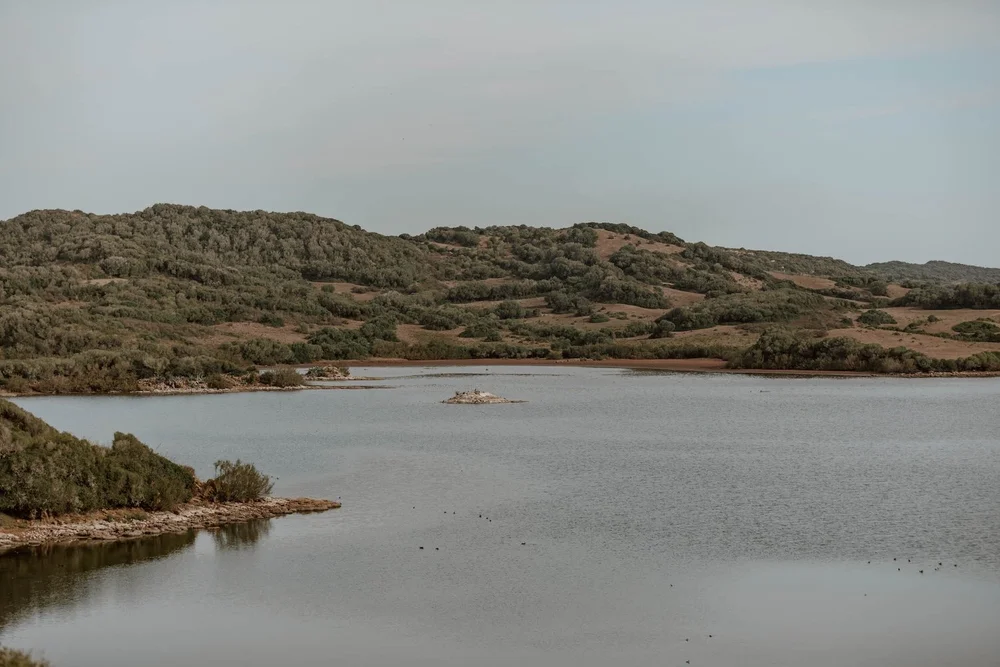
Credit: www.alongdustyroads.com
Frequently Asked Questions
What Are The Best Birdwatching Spots In Menorca?
Menorca offers top birdwatching at S’Albufera des Grau, Binimel·là Marshes, and Monte Toro. These spots host diverse bird species year-round and provide easy trails for observation.
When Is The Best Time For Birdwatching In Menorca?
Spring and autumn are ideal for birdwatching in Menorca. These seasons bring migratory birds and mild weather, enhancing the chances to see rare and colorful species.
Which Bird Species Can I See In Menorca?
Menorca hosts species like Eleonora’s falcon, Audouin’s gull, and Balearic warbler. The island’s varied habitats support both resident and migratory birds, making it a birdwatcher’s paradise.
Are Guided Birdwatching Tours Available In Menorca?
Yes, guided birdwatching tours are available. Local experts lead tours to key bird habitats, offering insights and improving the birdwatching experience for all skill levels.
Conclusion
Menorca offers many great spots to see birds. Each place shows different species and natural beauty. Bring your binoculars and enjoy peaceful walks. Early mornings are best to hear bird songs. Respect nature and keep a quiet voice. Watching birds here can be a fun, calm experience.
Plan your visit and explore these special locations. You will leave with lovely memories and new knowledge. Birdwatching in Menorca is simple and rewarding for everyone.