
If you love watching birds, New England is one of the best places to be. You might wonder where to find the most colorful and rare birds in this beautiful region.
Imagine standing quietly in a peaceful spot, spotting a flash of bright feathers or hearing a unique bird call nearby. This guide will show you the top places where you can enjoy birdwatching like never before. Keep reading, and you’ll discover exactly where to go to make your birdwatching experience unforgettable.
Cape Cod National Seashore
Cape Cod National Seashore offers a unique birdwatching experience that combines coastal beauty with diverse habitats. Stretching over 40 miles of sandy beaches, marshes, and woodlands, it attracts a wide variety of bird species throughout the year. Your visit here can turn into a memorable wildlife adventure if you know when and where to look.
Best Seasons For Birdwatching
Spring and fall stand out as prime birdwatching seasons at Cape Cod National Seashore. During these times, migratory birds make their stopovers, offering you a chance to spot rare and colorful species. Spring mornings bring the melodic songs of warblers and thrushes, while fall showcases waterfowl and raptors preparing for their southward journey.
Winter might seem quiet, but hardy species like eagles and owls remain active. Summer is great for shorebirds and nesting seabirds, making it perfect if you want to observe breeding behaviors. Timing your visit with these seasons increases your chances of witnessing diverse bird activity.
Notable Bird Species
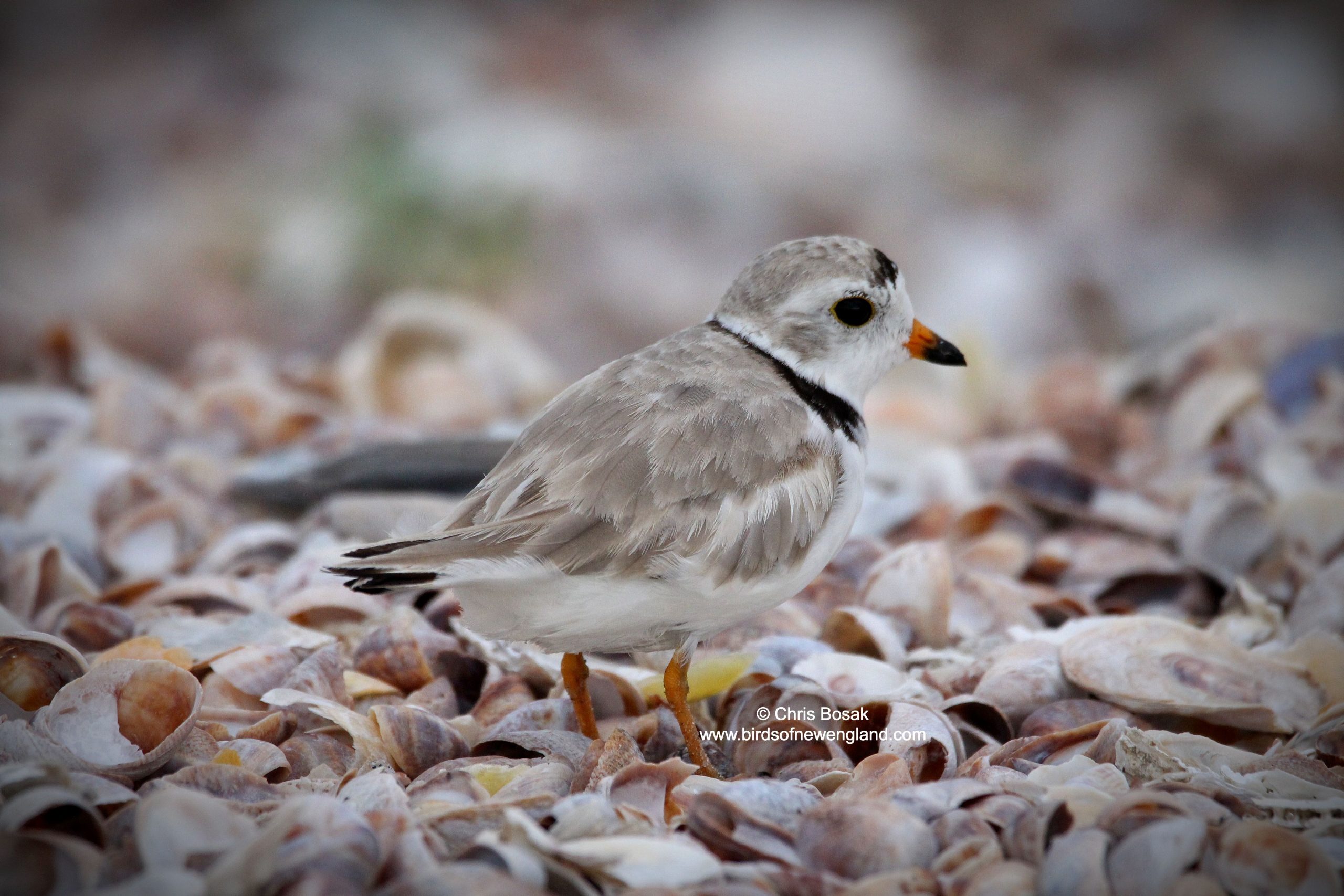
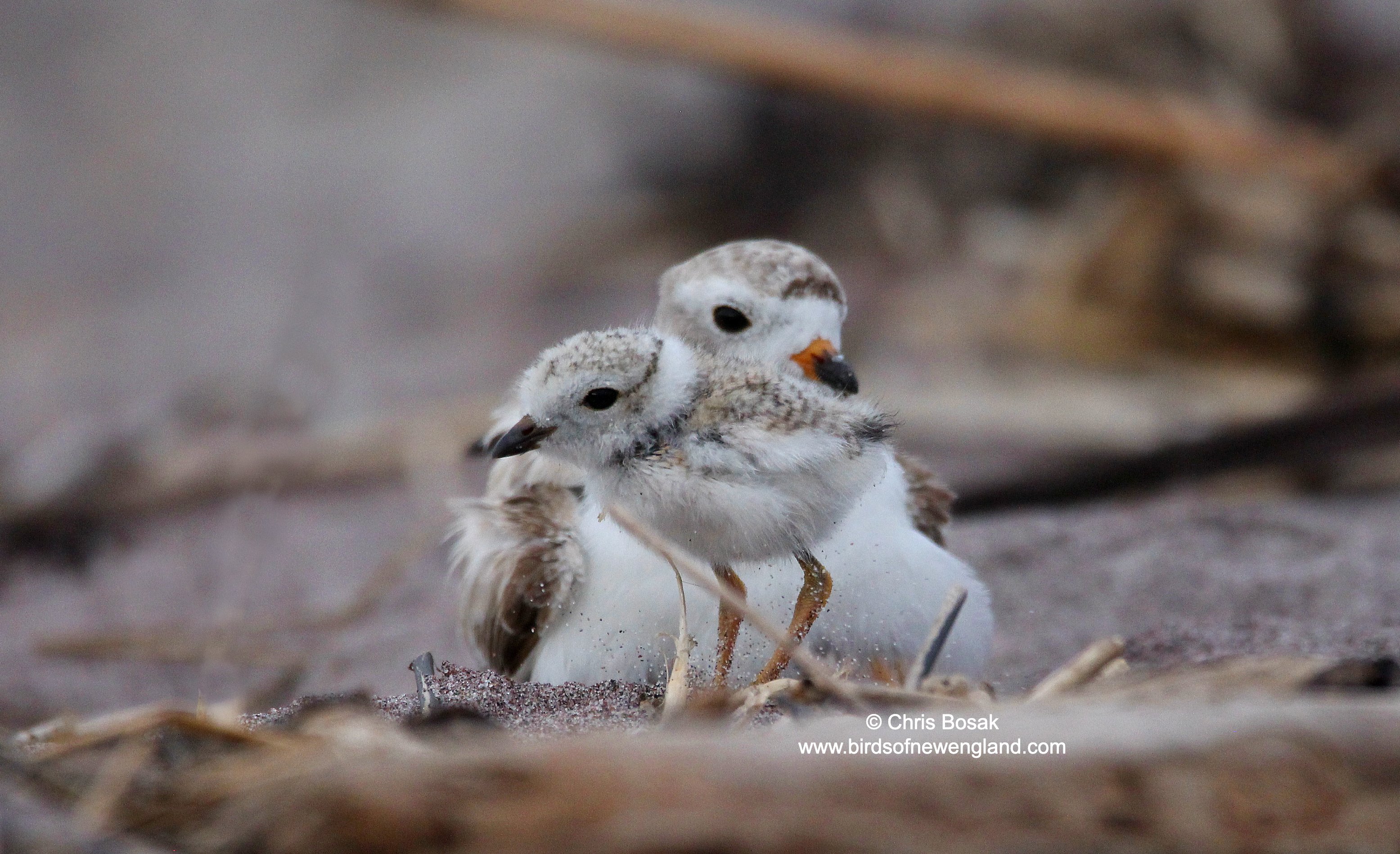
Expect to see an impressive range of birds that thrive in Cape Cod’s mix of habitats. The piping plover, a small and endangered shorebird, is a highlight during nesting season. You might also spot the majestic peregrine falcon soaring above the cliffs.
Waterbirds like herons, egrets, and terns frequently grace the seashore and marshes. If you’re lucky, you could catch glimpses of the rare roseate tern or the striking red knot during migration. Have you ever wondered which bird might surprise you next on your binoculars?
Credit: birdsofnewengland.com
Mount Auburn Cemetery
Mount Auburn Cemetery stands as a peaceful haven for bird lovers in New England. This beautiful garden cemetery offers a unique blend of nature and history. Its trees, ponds, and winding paths create a perfect habitat for many bird species. Birdwatchers find it a favorite spot close to the city yet full of wildlife.
Historical Significance
Founded in 1831, Mount Auburn Cemetery was America’s first garden cemetery. It inspired the idea of combining green space with burial grounds. The grounds feature historic monuments and sculptures. These add a cultural depth to the birdwatching experience. The cemetery’s design encourages quiet reflection among nature. Its mature trees and varied landscapes support diverse bird populations. Many early naturalists visited Mount Auburn, making it a landmark in American ornithology.
Birdwatching Tips
- Visit early morning for the best bird activity.
- Bring binoculars and a field guide for easier identification.
- Stay on marked paths to protect wildlife and plants.
- Listen carefully; many birds reveal themselves by sound first.
- Look near water features like ponds for waterfowl and songbirds.
- Wear neutral colors to blend into the environment.
- Respect the peaceful nature of the cemetery to avoid disturbing birds.
Parker River National Wildlife Refuge
The Parker River National Wildlife Refuge is a top spot for bird watchers in New England. It offers a peaceful place with rich natural beauty. The refuge covers nearly 5,000 acres of salt marshes, sandy beaches, and woodlands. This variety creates a perfect environment for many bird species. Visitors can enjoy walking trails and observation points designed for bird viewing.
Habitat Diversity
The refuge has many different habitats. Salt marshes provide food and shelter for shorebirds and waterfowl. Sandy beaches attract nesting terns and plovers. Wooded areas offer homes for songbirds and raptors. Freshwater ponds support ducks and wading birds. This mix helps keep bird populations healthy and varied. Bird watchers can see many species in one visit.
Bird Migration Patterns
Parker River is a crucial stop for migrating birds. In spring and fall, thousands of birds pass through the refuge. Shorebirds rest and feed here during their long journeys. Warblers and other songbirds use the refuge as a safe resting place. Bird watchers can see rare and seasonal species at these times. Migration seasons bring exciting chances to spot different birds.
Quabbin Reservoir
The Quabbin Reservoir is one of New England’s largest bodies of water. It covers nearly 40 square miles in central Massachusetts. This area offers a peaceful refuge for many bird species. The reservoir is surrounded by forest and hills, creating perfect habitats for wildlife. Bird watchers enjoy visiting this spot year-round.
Eagle Spotting
The Quabbin Reservoir is famous for bald eagle sightings. Eagles nest in tall trees near the water. They hunt for fish in the reservoir’s clear waters. Visitors often see eagles soaring high or perched quietly. Winter months are best for eagle watching here. The area hosts one of the largest bald eagle populations in the region.
Scenic Trails
Several trails circle the Quabbin Reservoir. These paths offer easy access to different bird habitats. Walk through mixed forests, wetlands, and open meadows. Trails vary in length and difficulty. Some popular routes include:
- Gate 45 Trail – great for spotting waterfowl
- Swift River Trail – peaceful and shaded
- Quabbin Hill Trail – offers panoramic views
Bring binoculars and a field guide. Trails provide chances to see warblers, hawks, and other birds. Quiet walking increases chances of close encounters. The natural beauty of these paths adds to the experience.
Monomoy National Wildlife Refuge
The Monomoy National Wildlife Refuge is a hidden gem for bird watchers in New England. Nestled off the coast of Cape Cod, this refuge offers a unique blend of habitats including sandy beaches, salt marshes, and tidal flats. It’s a place where you can witness a stunning variety of bird species throughout the year.
Access And Accessibility
Getting to Monomoy National Wildlife Refuge requires a bit of planning. The refuge is primarily accessible by boat or kayak, which adds an adventurous touch to your bird-watching trip. Once on the refuge, trails and observation points are well-maintained but expect some uneven terrain, so wear sturdy shoes.
If you prefer guided experiences, local tour operators offer boat trips that not only take you to the refuge but also provide expert insights about the birds you might see. These tours can enhance your visit and make spotting elusive species easier.
Seasonal Bird Species
Bird species at Monomoy change with the seasons, making every visit unique. In spring, watch for migrating shorebirds like the red knot and sanderling as they rest and refuel. Summer brings nesting species such as the least tern and piping plover, which you’ll see protecting their delicate nests on the beaches.
Fall is prime time for spotting raptors like peregrine falcons and ospreys hunting over the water. Winter turns the refuge into a sanctuary for seaducks and other waterfowl, providing a rare chance to see species like the long-tailed duck and common eider up close.
Have you ever considered how timing your visit to a wildlife refuge can completely change what you experience? Monomoy’s seasonal variety means you might want to plan multiple trips to catch every phase of its rich bird life.
Credit: birdsofnewengland.com
Acadia National Park
Acadia National Park is a treasure for birdwatchers visiting New England. Its diverse habitats range from rocky coastlines to dense forests, creating perfect conditions for spotting a variety of bird species. Whether you are a beginner or an experienced birder, Acadia offers thrilling opportunities to observe birds in their natural environment.
Iconic Bird Species
In Acadia, you can expect to see some truly iconic birds that define the region. The Bald Eagle soars majestically above the park’s cliffs, often visible near the coastline.
Look closely for the Piping Plover, a small shorebird that nests on the sandy beaches. It’s a rare sight but incredibly rewarding to spot.
Woodpeckers, like the Black-backed and Downy, drum on tree trunks throughout the forested areas. Their distinctive sounds can guide you to their location.
Guided Birdwatching Tours
Joining a guided birdwatching tour in Acadia can elevate your experience. Local guides know the best spots and times to see elusive birds, saving you hours of searching.
These tours often provide binoculars and field guides, which are helpful if you’re new to birdwatching. Plus, guides share fascinating stories about the birds’ behaviors and habitats.
Have you ever wondered how bird migration works or why some birds only appear seasonally? A guide can answer these questions and connect you deeper to the natural world.
Great Meadows National Wildlife Refuge
Great Meadows National Wildlife Refuge offers a peaceful retreat for birdwatchers in New England. This refuge spans over 3,200 acres of diverse habitats, making it a hotspot for spotting a wide variety of bird species. Whether you’re a beginner or an experienced birder, the refuge provides plenty of chances to connect with nature and observe birds in their natural environment.
Wetlands And Wildlife
The refuge is home to vast wetlands that attract many waterfowl and migratory birds. You’ll find ducks, herons, and even rare shorebirds depending on the season. Walking along the boardwalks and trails, you can quietly observe birds feeding, nesting, and flying overhead.
Don’t overlook the smaller creatures either; turtles and frogs add to the lively ecosystem. Have you ever noticed how wetlands create a perfect balance for so many species? Visiting during early morning or late afternoon increases your chances of seeing active wildlife.
Photography Opportunities
If you bring your camera, Great Meadows is a treasure trove for bird photography. The natural light during sunrise and sunset highlights the colors of feathers and water reflections beautifully. Patience pays off here—waiting quietly near a favorite perch often rewards you with unique shots.
Try using a telephoto lens to capture close-up details without disturbing the birds. The refuge’s accessible trails make it easier to find steady spots for your tripod. Have you thought about capturing birds in flight? The open skies and wide wetlands offer excellent backgrounds for dynamic photos.
Block Island
Block Island offers a unique birdwatching experience in New England. This small island lies about 13 miles off the Rhode Island coast. It attracts many migratory birds due to its location in the Atlantic Flyway. The island’s natural habitats include grasslands, forests, and coastal areas. These diverse environments support a wide variety of bird species. Visitors can enjoy peaceful walks while spotting birds in their natural setting.
Island Birdwatching
Block Island provides many excellent spots for birdwatching. The Mohegan Bluffs offer cliffside views where seabirds glide by. The Southeast Lighthouse area has open fields and rocky shores ideal for spotting shorebirds and raptors. The Great Salt Pond attracts waterfowl and wading birds. Trails through the island’s shrublands reveal songbirds and warblers during migration. Birders can use binoculars and cameras to enjoy close-up views. The island’s compact size makes it easy to explore multiple habitats in one day.
Rare Bird Sightings
Block Island is known for occasional rare bird sightings. The island’s location makes it a hotspot for birds blown off course by storms. Species like the Painted Bunting and the Ash-throated Flycatcher have appeared here. Birders often watch for unusual warblers and vireo species. Fall migration brings the chance to see rare shorebirds along the beaches. Local birdwatching groups share reports to help visitors spot these special birds. The thrill of finding a rare bird draws many to this island every year.
Sachuest Point National Wildlife Refuge
The Sachuest Point National Wildlife Refuge offers a unique birdwatching experience along Rhode Island’s coastline. This refuge combines rugged shorelines and quiet woodlands, creating a rich habitat for numerous bird species. If you want a spot that blends natural beauty with excellent birdwatching opportunities, Sachuest Point is worth your time.
Coastal Bird Species
Sachuest Point is a hotspot for coastal birds that you won’t easily find elsewhere in New England. Expect to see species like the Black Guillemot, Purple Sandpiper, and the Atlantic Puffin during migration seasons. I once spotted a rare Razorbill here, which made my visit unforgettable.
In winter, the refuge attracts large flocks of waterfowl such as scaup and goldeneye. Shorebirds like the Semipalmated Plover and various sandpipers frequent the tidal pools and rocky outcrops. The diverse coastal habitats support both seabirds and land birds, giving you a well-rounded birdwatching experience.
Visitor Amenities
Sachuest Point is well set up to make your visit comfortable and productive. There are well-maintained trails that lead you close to the shoreline without disturbing the wildlife. You’ll find observation blinds perfect for spotting shy birds without scaring them away.
- Parking areas close to trailheads make access easy even for beginners.
- Informative signs along paths help you identify birds and understand their habits.
- Benches and picnic spots allow you to rest and enjoy the view.
Don’t forget to bring binoculars and a field guide. Early morning visits often reward you with the most bird activity and fewer crowds. Have you ever tried birdwatching from a blind? It can change how you connect with the birds around you.
Tips For Successful Birdwatching
Birdwatching in New England offers a chance to see many unique species. Success depends on preparation and care. Small actions can improve your experience and protect the birds.
Essential Gear
Good gear makes spotting birds easier and more enjoyable. A pair of binoculars helps you see details from a distance. Carry a field guide or a bird identification app. Wear comfortable shoes for walking on trails. Bring a notebook or voice recorder to note your sightings. Dress in layers to adapt to changing weather. A hat and sunscreen protect you from the sun. Carry water and snacks to stay energized during your trip.
Respecting Wildlife
Keep a safe distance from birds and their nests. Avoid loud noises that can scare birds away. Do not touch or feed the birds. Stay on marked trails to protect habitats. Use a quiet voice and move slowly while observing. Leave no trash behind to keep the environment clean. Respect local rules and guidelines for birdwatching areas. Remember, your care helps keep bird populations healthy.
Credit: www.massaudubon.org
Frequently Asked Questions
What Are The Best Birdwatching Spots In New England?
Top birdwatching spots include Cape Cod, Acadia National Park, and the Connecticut River Valley. These areas host diverse bird species year-round. Early mornings offer the best sightings. Each location provides unique habitats, from coastal marshes to dense forests, attracting migratory and native birds alike.
When Is The Ideal Time For Birdwatching In New England?
Spring and fall are prime birdwatching seasons in New England. Migratory birds pass through during these times, offering great viewing opportunities. Early mornings enhance visibility and bird activity. Winter also attracts certain species, like waterfowl, making it a year-round destination for bird enthusiasts.
Which Bird Species Are Commonly Seen In New England?
Common species include the Bald Eagle, Piping Plover, and Eastern Bluebird. Warblers and shorebirds are abundant during migration seasons. New England’s diverse habitats support raptors, songbirds, and waterfowl. Birdwatchers can expect a rich variety depending on the location and season.
Are There Guided Birdwatching Tours Available In New England?
Yes, many guided tours are offered in New England. Local experts lead walks in parks and wildlife refuges. These tours provide educational insights and increase chances of spotting rare birds. Booking in advance is recommended, especially during peak migration periods.
Conclusion
New England offers many great spots for bird watching. From forests to coastal areas, birds are everywhere. Each location has unique birds to see. Bring your binoculars and enjoy the calm nature. Early mornings often show the best bird activity.
Stay quiet and patient to spot rare species. Bird watching in New England is fun for all ages. Plan a trip soon and explore these beautiful places. Nature lovers will find joy in every visit. Keep learning about birds and their habitats.
Happy bird watching!