
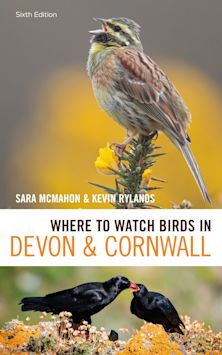
Are you looking for the best spots to watch birds in Northeast England? Whether you’re a beginner or an experienced birdwatcher, this region offers some amazing places where you can see a variety of beautiful birds up close.
Imagine standing quietly by the water’s edge or walking through lush woodlands, spotting colorful feathers and hearing birdsong all around you. In this guide, you’ll discover exactly where to go, what to look for, and how to make the most of your birdwatching adventure.
Keep reading to find your perfect birdwatching destination in Northeast England!
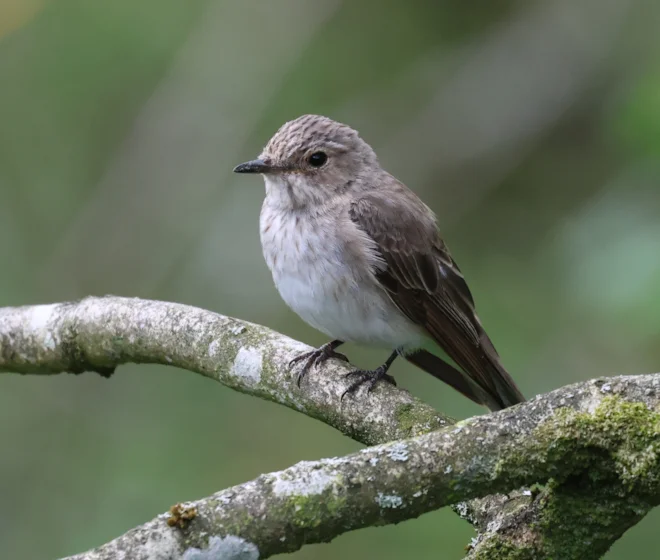
Credit: www.birdguides.com
Northumberland Coast
The Northumberland Coast offers some of the most rewarding birdwatching opportunities in Northeast England. Its varied habitats—from rugged shorelines to tranquil islands—support a diverse range of bird species. If you love spotting seabirds and waders, this coastline should be on your list.
Lindisfarne National Nature Reserve
Lindisfarne, also known as Holy Island, is a birdwatcher’s paradise. The tidal flats and salt marshes attract vast numbers of waders and wildfowl, especially during migration seasons. You might see curlews, redshanks, and even the elusive hen harrier patrolling the skies.
Arriving early in the morning increases your chances of spotting birds feeding along the shore. Don’t forget to bring binoculars and a field guide to identify species you haven’t seen before. Have you ever stood quietly and watched the dance of oystercatchers at low tide? It’s a truly calming experience that connects you directly to nature.
Farne Islands
The Farne Islands, just off the coast, are famous for their large colonies of seabirds. Puffins, terns, and guillemots nest here in impressive numbers during spring and summer. You can take a boat trip from Seahouses to get close to these birds without disturbing their habitat.
While on the boat, keep your eyes peeled for grey seals lounging on the rocks below. The combination of birds and marine life makes this a unique spot for wildlife lovers. Do you prefer watching from the shore or getting out on the water to see birds? The Farne Islands offer both options, making it easy to enjoy your preferred style of birdwatching.
Durham Heritage Coast
The Durham Heritage Coast offers a unique blend of rugged cliffs, sandy beaches, and lush woodlands that make it a top spot for birdwatchers. This stretch of coastline is less crowded than other parts of England, giving you a peaceful setting to observe a variety of bird species. Whether you’re a beginner or an experienced birder, the Durham Heritage Coast has something to captivate your interest.
Seaham Beach
Seaham Beach is a fantastic place to spot seabirds and waders. Walk along the pebble shore early in the morning, and you might see oystercatchers and sandpipers feeding near the water’s edge.
The beach also attracts gulls and terns during the warmer months. Bring binoculars to catch a closer look at these agile flyers as they dive for fish.
Have you ever noticed how bird behavior changes with the tides? Seaham Beach offers a perfect chance to observe these patterns firsthand.
Crimdon Dene
Crimdon Dene features a wooded valley that creates a rich habitat for woodland birds. Here, you can hear the calls of songbirds like chiffchaffs and blackcaps, especially during spring migration.
The mix of trees and undergrowth also supports species such as woodpeckers and nuthatches, which can be tricky to spot but rewarding when you do.
If you enjoy combining birdwatching with a gentle walk, Crimdon Dene’s trails make it easy to cover different habitats in a short time.
Teesmouth National Nature Reserve
Teesmouth National Nature Reserve is a top spot for bird watchers in Northeast England. It covers mudflats, salt marshes, and coastal habitats. These areas attract many bird species throughout the year. The reserve offers easy paths and hides for close views. Visitors can see wading birds, ducks, and seabirds in their natural home.
Seal Sands
Seal Sands is part of Teesmouth known for its tidal mudflats. These flats provide food for many wading birds. Look for redshanks, oystercatchers, and curlews feeding here. The area also hosts large flocks of wild geese in winter. Seals rest on the sandbanks, adding life to the scene.
Greatham Creek
Greatham Creek runs through salt marshes and reed beds. It is a quiet place to spot warblers and other small birds. Ducks and swans often swim along the creek. The mix of water and plants creates a perfect bird habitat. A good choice for peaceful bird watching and nature walks.
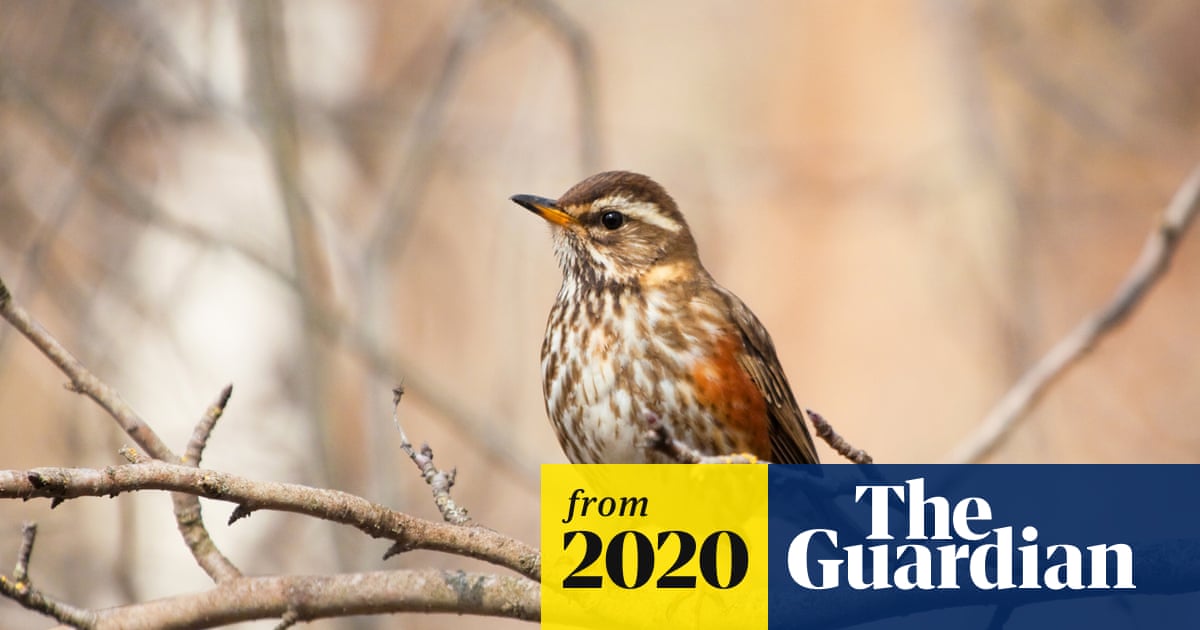
Credit: www.theguardian.com
Derwent Valley
The Derwent Valley is a peaceful spot for bird watchers in Northeast England. It offers a mix of water, woodland, and open land. This variety makes it a great place to see many bird types. Quiet paths and open views help visitors enjoy bird watching with ease.
Derwent Reservoir
Derwent Reservoir is a large water body that attracts many water birds. Ducks, geese, and swans are common here. You may spot great crested grebes and herons fishing along the shore. The calm water and nearby trees make good shelter for birds. Walk along the banks to see birds close up. Bring binoculars for the best views.
Pow Hill Country Park
Pow Hill Country Park has woodlands and open fields. It is home to many songbirds and woodland species. Look for robins, blackbirds, and woodpeckers in the trees. The park’s quiet trails allow easy bird watching. Visit during early morning for active bird life. The mix of habitats supports a wide range of birds.
Kielder Water And Forest Park
Kielder Water and Forest Park is a vast area of natural beauty in Northeast England that offers some of the best birdwatching opportunities around. Spanning over 250 square miles, it combines a large man-made reservoir with dense woodland, creating diverse habitats for many bird species. Whether you’re a seasoned birder or just curious, this park has spots that can make your birdwatching trip truly rewarding.
Kielder Observatory
The Kielder Observatory isn’t just for stargazing; it’s also a quiet spot where you can enjoy watching birds in a peaceful environment. Early mornings here often reveal sightings of woodland birds such as woodpeckers and owls. I remember spotting a rare red kite circling above while waiting for the night sky to appear—have you ever had a moment where birdwatching unexpectedly stole the show?
Bring binoculars and a field guide to identify species easily. The observatory area is well-maintained and offers clear views without too much disturbance, making it perfect for patient watchers. Keep an eye out during migration seasons when unusual visitors might pass through.
Bakethin Nature Reserve
Bakethin Nature Reserve lies on the southern edge of Kielder Water and is a hotspot for wetland birds. Its mix of reed beds, marshes, and open water attracts species like kingfishers, herons, and various ducks. The reserve has well-marked trails and hides, so you can get close views without disturbing the wildlife.
One visit here, I was surprised by the number of warblers singing from the reeds—each with a distinct call that added to the experience. If you want to spot birds in action, plan your visit during the early morning or late afternoon when they are most active. Don’t forget to bring a camera or notebook to capture what you see!
Rspb Saltholme
The RSPB Saltholme is a hidden gem for birdwatchers in Northeast England. This nature reserve offers a variety of habitats that attract a wide range of bird species throughout the year. Whether you’re a beginner or an experienced birder, Saltholme provides excellent opportunities to observe wildlife up close.
Wildlife Watchpoint
The Wildlife Watchpoint at Saltholme is a fantastic spot to start your visit. From here, you can scan the wetlands with binoculars or a spotting scope. It’s perfect for spotting waterfowl like teal, wigeon, and even the occasional rare visitor.
On a recent visit, I saw a stunning marsh harrier glide low over the reeds. Watching it silently hunt was a powerful reminder of the reserve’s importance for bird conservation. Have you ever caught sight of a bird of prey in action?
Saltholme Pools Hide
The Saltholme Pools Hide offers shelter and close views of the reserve’s rich birdlife. It’s especially good for watching waders and ducks feeding at the water’s edge. Don’t forget to bring a camera or notebook to capture or record what you see.
During early mornings, the hide fills with activity as birds start their day. I once spent a peaceful hour here, spotting snipe darting through the reeds and kingfishers flashing by. What birds are you hoping to add to your list here?
North Pennines Area Of Outstanding Natural Beauty
The North Pennines Area of Outstanding Natural Beauty (AONB) offers a unique escape for bird watchers. Its rugged landscapes and rich habitats support a variety of bird species rarely seen elsewhere in Northeast England. Whether you’re a seasoned birder or just starting, this area invites you to connect with nature in a meaningful way.
Bowlees Visitor Centre
Bowlees Visitor Centre is a fantastic base for spotting local birds. The surrounding woodland and riverbanks attract species like dippers, kingfishers, and grey wagtails. Early mornings here often reward you with the sight of birds actively foraging and singing.
Walking the trails from the centre, you can find hidden spots perfect for quiet observation. Don’t forget your binoculars and a notebook to jot down what you see. Have you ever noticed how the quiet hum of nature helps you spot even the shyest birds?
High Force Waterfall
High Force Waterfall is not just a breathtaking sight but also a hotspot for bird activity. The spray and mist create a microhabitat that draws in species like ravens and peregrine falcons. It’s an ideal place to watch birds of prey in action.
Try standing at different vantage points around the falls; each offers a new perspective on bird behavior. The sound of rushing water can mask your presence, allowing you to get closer without disturbing the wildlife. How often do you get to see such powerful birds in their natural, untamed environment?
Cleveland Way National Trail
The Cleveland Way National Trail stretches across some of Northeast England’s most stunning landscapes. It offers excellent spots for birdwatching along its path. The trail weaves through hills, cliffs, and coastal areas, creating diverse habitats for many bird species. Bird lovers can enjoy peaceful walks while spotting different birds in their natural homes.
Roseberry Topping
Roseberry Topping is a famous hill on the Cleveland Way. Its rocky summit attracts birds of prey like kestrels and buzzards. Woodland areas near the base host songbirds such as robins and warblers. Early mornings bring chances to see rare birds during migration seasons. The views also help spot seabirds flying over distant cliffs.
Saltburn-by-the-sea
Saltburn-by-the-Sea offers a unique coastal birdwatching experience. The cliffs and beach attract gulls, terns, and oystercatchers. Look for wading birds feeding in the shallow waters at low tide. The nearby wooded valley shelters small birds like finches and tits. Saltburn is perfect for combining a seaside walk with birdwatching.
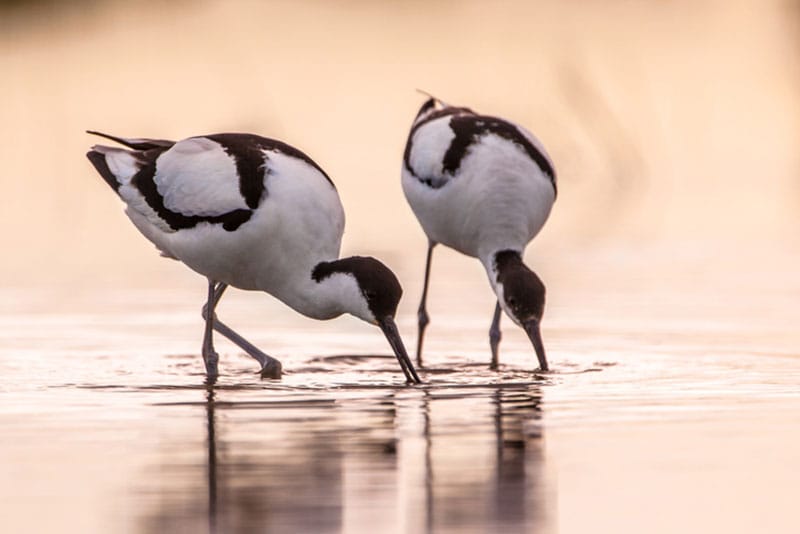
Credit: www.birdspot.co.uk
Frequently Asked Questions
What Are The Best Birdwatching Spots In Northeast England?
Top birdwatching sites in Northeast England include RSPB Saltholme, Farne Islands, and Kielder Forest. These areas host diverse bird species and offer excellent viewing facilities for enthusiasts.
When Is The Best Time To Watch Birds In Northeast England?
Spring and autumn are prime seasons for birdwatching in Northeast England. Migratory birds are most active, and weather conditions are favorable for spotting various species.
Which Rare Birds Can I See In Northeast England?
You can spot rare birds like the Mediterranean gull, black redstart, and little tern. These species attract many birdwatchers seeking unique sightings.
Are There Guided Birdwatching Tours Available Locally?
Yes, several local organizations offer guided birdwatching tours. These tours provide expert knowledge and access to prime bird habitats, enhancing the experience.
Conclusion
Northeast England offers many great spots for bird watching. You can see different birds in peaceful natural places. Each location has its own special birds and views. Take your time and enjoy the quiet moments outdoors. Bring binoculars and a camera for a better experience.
Bird watching here is fun for all ages and skill levels. Plan your visit and explore the beauty of these bird habitats soon. Nature awaits your discovery in Northeast England’s birding sites.