
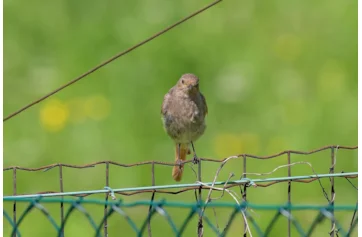
Are you ready to discover some of the best spots where you can watch birds in Italy? Whether you’re a beginner or an experienced birdwatcher, Italy offers amazing places filled with colorful and rare birds waiting for you to spot them.
Imagine standing quietly by a peaceful lake or wandering through a lush forest, binoculars in hand, as you spot vibrant feathers and hear beautiful bird songs all around. In this guide, you’ll find the top locations, tips, and what to expect so you don’t miss a single moment of birdwatching magic.
Let’s help you plan your perfect birdwatching adventure in Italy!
Best Birding Regions In Italy
Italy offers diverse birding spots, from coastal wetlands to mountain forests. Explore regions like Tuscany, Sicily, and the Po Delta for rich birdlife sightings. Enjoy peaceful nature walks while spotting rare and colorful birds.
Italy is a paradise for bird watchers. Its diverse landscapes offer many birding opportunities. From alpine peaks to sunny islands, each region has unique species. Discover the best birding regions in Italy, where nature and avian beauty meet.Northern Italy Hotspots
Northern Italy is a birdwatcher’s dream. The Dolomites feature majestic raptors and alpine birds. The Po Delta, a UNESCO site, hosts herons, flamingos, and rare waders. Lago Maggiore attracts migratory birds, providing a serene viewing experience.Central Italy Birding Areas
Central Italy offers diverse habitats. Tuscany’s rolling hills harbor hoopoes and bee-eaters. The Maremma region is home to wetlands, attracting spoonbills and storks. Lazio’s coastal areas host migrating seabirds and marsh dwellers.Southern Italy And Islands
Southern Italy and its islands are vibrant birding spots. The Apennines attract golden eagles and woodpeckers. Sicily hosts unique species like the Sicilian rock partridge. Sardinia’s wetlands are vital stops for migrating waterfowl.Famous Bird Sanctuaries
Italy hosts some of the most famous bird sanctuaries in Europe. These parks offer rich habitats for many bird species. Visitors can enjoy peaceful birdwatching in beautiful natural settings. Each sanctuary has unique features and diverse wildlife. Exploring these parks provides a great chance to see rare and common birds alike.
Po Delta Regional Park
Po Delta Regional Park is a vast wetland area in northern Italy. It is famous for its rich bird diversity. Over 300 species live or migrate here. Visitors often spot herons, flamingos, and eagles. The park has many walking trails and observation towers. It is perfect for both beginners and expert birdwatchers.
Maremma Regional Park
Maremma Regional Park lies along the Tuscan coast. It combines forests, wetlands, and beaches. The park is home to wild horses and many bird species. Visitors can see osprey, kingfishers, and woodpeckers. The park offers guided tours and quiet spots for watching birds. It is a must-visit for nature lovers.
Circeo National Park
Circeo National Park is located on the Lazio coast. It features forests, dunes, and marshes. The park shelters several rare bird species. Birdwatchers enjoy spotting herons, owls, and falcons here. The area also has hiking paths and educational centers. It provides a great mix of nature and wildlife.
Mountain And Forest Birding
Mountain and forest birding in Italy offers a rich experience for nature lovers. These habitats shelter many unique bird species. The cool air and tall trees create perfect conditions for birds to thrive. Birdwatchers find peace and excitement in these quiet places. Italy’s mountains and forests provide excellent spots for observing wildlife up close.
Dolomites Bird Species
The Dolomites are home to rare and colorful birds. Golden eagles soar high above the rocky peaks. Wallcreepers cling to steep cliffs with their bright red wings. Nutcrackers and alpine choughs are common in the pine forests. The mix of rocky and forested areas supports diverse bird life.
Apennines Wildlife
The Apennines stretch along Italy’s spine and hold many forest birds. Black woodpeckers tap loudly on old trees. Eurasian pygmy owls hide in dense woods. The area also hosts the rare peregrine falcon. Rich undergrowth offers shelter for small songbirds and thrushes.
Alps Birdwatching Trails
The Alps offer many marked trails for birdwatching. Trails wind through meadows, forests, and rocky slopes. Birdwatchers spot species like the ptarmigan and wallcreeper. Spring and early summer bring many migratory birds. Clear skies and fresh air make the hikes refreshing.

Credit: www.alltrails.com
Wetlands And Coastal Sites
Italy’s wetlands and coastal sites offer rich habitats for many bird species. These areas attract migratory birds and support local wildlife year-round. Bird watchers find diverse species from colorful shorebirds to majestic raptors. The blend of fresh and saltwater environments creates unique ecosystems. Exploring these spots reveals nature’s vibrant side and peaceful landscapes.
Sardinia’s Coastal Reserves
Sardinia’s coastal reserves are prime spots for bird watching. The island hosts salt pans, lagoons, and sandy shores. These habitats attract flamingos, herons, and terns. The Molentargius-Saline Regional Park is famous for its large flamingo colonies. Visitors can walk along trails and observe birds in their natural homes. Sardinia’s reserves offer quiet and scenic bird watching experiences.
Venice Lagoon Birdlife
The Venice Lagoon is a rich wetland ecosystem. It hosts many species like egrets, cormorants, and gulls. The mix of shallow waters and mudflats provides feeding grounds for wading birds. Bird watchers can explore by boat or from observation points. The lagoon’s peaceful waters and beautiful views add to the experience. Venice Lagoon is a key stop for migratory birds traveling across Europe.
Tuscany Wetlands
Tuscany’s wetlands include lakes, marshes, and river deltas. This region supports rare birds such as the black-winged stilt and little bittern. The Orbetello Lagoon is a notable site with rich bird diversity. Trails and hides make it easy to watch birds quietly. Tuscany’s wetlands offer a mix of nature and culture. Bird watchers enjoy the chance to see both common and rare species here.
Seasonal Birdwatching Tips
Birdwatching in Italy offers unique experiences throughout the year. Each season brings different species, behaviors, and challenges. Knowing what to expect helps you plan your trips and spot more birds.
Spring Migration Highlights
Spring is a thrilling time for birdwatchers in Italy. Migratory birds travel from Africa to Europe, stopping at wetlands like the Po Delta and lakes such as Lake Massaciuccoli. You can see colorful warblers, storks, and herons filling the skies.
To catch these moments, arrive early in the morning when birds are most active. Carry binoculars and a field guide to identify fast-moving species. Have you noticed how the air feels charged with movement during these spring mornings?
Summer Breeding Birds
Summer reveals birds busy with nesting and raising chicks. The Italian Alps and Apennines become hotspots for species like the rock ptarmigan and golden eagle. Their behavior is more predictable, allowing you to observe courtship and feeding.
Stay quiet and use camouflage if possible. This patience often rewards you with close views of rare birds. Which nesting behavior fascinates you the most—the care for eggs or feeding the young?
Autumn And Winter Visitors
As temperatures drop, Italy welcomes visitors from colder regions. Wetlands and coastal areas host flocks of ducks, geese, and cranes preparing for winter. The Maremma Regional Park and Sardinia are great places to witness these gatherings.
Bring warm clothing and consider joining local birdwatching groups for guided tours. Their knowledge can help you spot elusive winter species. How do you adapt your birdwatching routine when days grow shorter and colder?

Credit: www.birdguides.com
Birding Gear And Local Guides
Birdwatching in Italy offers a rich experience with diverse species and beautiful landscapes. Proper birding gear and knowledgeable local guides enhance every trip. Choosing the right equipment ensures clear views and comfort during your outings. Local guides provide expert knowledge on bird habitats and behaviors, making your adventure more rewarding.
Essential Equipment For Italy
Good binoculars are a must for spotting distant birds. A lightweight, comfortable pair works best for long walks. A field guide specific to Italy helps identify species easily. Carry a notebook or app to record your sightings. Wear sturdy shoes and weather-appropriate clothing. A hat and sunscreen protect against the sun. Bring a small backpack to hold all your gear and snacks.
Hiring Expert Birdwatching Guides
Local guides know the best birding spots in Italy. They help spot rare or shy birds quickly. Guides share insights on bird behavior and migration patterns. Hiring a guide saves time and improves your success rate. Many guides speak English and can accommodate groups or individuals. Booking in advance secures your place during peak seasons.
Birding Tours And Workshops
Birding tours offer structured trips to key locations across Italy. These tours often include transportation and meals. Workshops teach bird identification skills and photography tips. Group tours provide a chance to meet fellow birders. Seasonal tours focus on migration or breeding periods. Check local wildlife centers for upcoming workshops and events.
Conservation Efforts And Ethical Birding
Conservation efforts and ethical birding go hand in hand when you want to enjoy Italy’s rich birdlife without harming it. Protecting habitats and practicing responsible birdwatching ensures that these beautiful creatures thrive for generations to come. Your actions as a birder can either help preserve or unintentionally damage delicate ecosystems.
Protecting Italian Bird Habitats
Many of Italy’s bird habitats face threats from urban growth and tourism. Wetlands like the Po Delta and coastal areas such as the Maremma region are crucial for migratory birds but need constant protection.
Visiting these sites with care means sticking to marked trails and avoiding nesting areas. Have you ever noticed how quiet paths and minimal disturbance help birds feel safe? That’s not just luck—it’s a vital part of habitat protection.
Responsible Birdwatching Practices
Watching birds ethically means more than just spotting species. It means respecting their space and avoiding any action that could stress or scare them away.
- Use binoculars and cameras with zoom lenses instead of getting too close.
- Keep noise levels low to avoid disturbing feeding or breeding behaviors.
- Do not use playback calls excessively; it can disrupt natural patterns.
Have you ever felt the thrill of seeing a rare bird without it noticing you? That’s the reward of responsible birdwatching.
Supporting Local Conservation Groups
Italy has many local organizations working hard to conserve bird populations and habitats. Groups like LIPU (Italian League for Bird Protection) run projects you can support through donations or volunteering.
Joining guided birding tours led by these groups can deepen your understanding of conservation challenges while you help fund their work. What better way to connect with Italy’s birds than by supporting those who protect them?
Credit: www.alltrails.com
Frequently Asked Questions
Where Are The Best Birdwatching Spots In Italy?
Italy offers top birdwatching in places like Po Delta, Stelvio National Park, and Lake Garda. These locations host diverse bird species year-round, perfect for enthusiasts and beginners alike.
When Is The Ideal Time For Birdwatching In Italy?
Spring and autumn are the best seasons in Italy for birdwatching. Migratory birds pass through, and many species breed, offering excellent viewing opportunities.
Which Bird Species Are Commonly Seen In Italy?
Commonly spotted birds include the European Roller, Greater Flamingo, and various raptors. Italy’s diverse habitats support a wide range of resident and migratory birds.
Can Beginners Enjoy Birdwatching In Italy?
Yes, Italy has many easy-access sites with clear trails and informative guides. Beginner birdwatchers can enjoy rich bird diversity without needing advanced skills.
Conclusion
Italy offers many great spots to watch birds. From wetlands to mountains, nature is full of life. Each location brings a chance to see different species. Plan your trip to include these top birdwatching sites. Enjoy the peaceful moments and colorful birds.
Birdwatching in Italy is a rewarding experience. Take a camera, binoculars, and a guidebook. Nature lovers will find joy in every visit. Explore, observe, and appreciate Italy’s rich bird life. Your next adventure waits in the heart of Italy.