

Have you ever noticed your cat making a strange chirping sound while staring at birds outside the window? It’s a curious behavior that can leave you wondering, “Why do cats chirp when watching birds?” This little noise isn’t just random—it reveals a lot about your cat’s instincts and emotions.
Understanding this unique sound can help you connect more deeply with your furry friend and see the world through their eyes. Keep reading, and you’ll discover the surprising reasons behind your cat’s chirps and what they really mean.
Cat Chirping Behavior
Cats chirp while watching birds because they feel excited and focused. This sound may mimic bird calls or express hunting instincts. It shows their strong interest and natural desire to catch prey.
Cats are known for their mysterious and intriguing behaviors. One fascinating behavior is chirping, especially when they watch birds. This sound is a mix of excitement and predatory instinct. Cats make this noise to express their feelings. Understanding why cats chirp can deepen the bond with your feline friend.Common Sounds Cats Make
Cats communicate using a range of sounds. These include meows, purrs, and hisses. Meows are often for attention or food. Purring usually means contentment or relaxation. Hissing signals fear or annoyance. Chirping is unique and less common. It combines a high-pitched sound with a chattering jaw. This sound shows excitement or frustration. Cats often chirp when they spot birds or squirrels.When Chirping Occurs
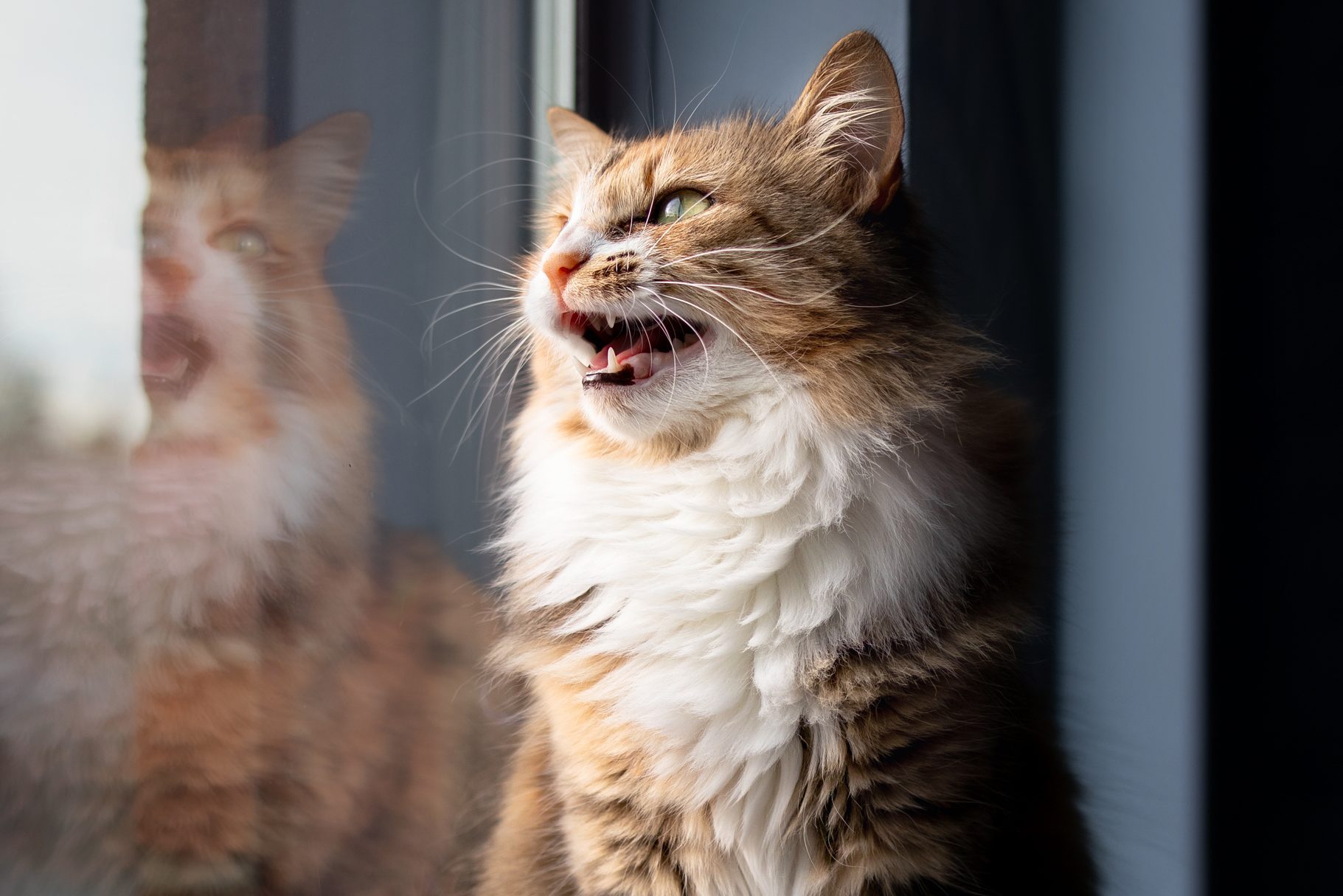
Chirping usually happens during bird watching. Cats sit by windows, eyes glued to flying creatures. Their tails twitch, and chirping begins. This behavior mimics hunting instincts. In the wild, cats would mimic prey sounds. This helps them ambush their targets. Indoor cats still carry these instincts. Chirping is their way of expressing hunting excitement. The sound can also occur during playtime. When cats see toys that resemble prey, they may chirp. This shows their playful nature mixed with predatory skills.
Credit: m.youtube.com
Bird Watching And Cat Instincts
Watching birds through a window often triggers an interesting reaction from cats: chirping. This behavior isn’t just random noise; it connects deeply to your cat’s natural instincts. Understanding why cats chirp when watching birds can reveal a lot about their inner world and how they see their environment.
Predatory Drives
Cats are natural hunters, even if they live comfortably indoors. The sight of a bird activates their predatory drives, sparking excitement and focus. That chirping sound is thought to mimic the “prey chatter” cats make when they’re ready to pounce or frustrated by the distance.
If you’ve noticed your cat making this sound, you’re witnessing a mix of anticipation and a little bit of frustration. It’s like your cat is rehearsing the hunt but can’t actually get to the bird. This behavior connects your pet to its wild roots, reminding you that beneath the calm fur lies a skilled predator.
Visual Stimulation From Birds
Birds provide rich visual stimulation for cats: their movements, colors, and sounds grab your cat’s attention immediately. Your cat’s eyes track every flutter and hop, sharpening their focus and triggering instinctive responses.
This kind of stimulation helps keep your cat mentally active and engaged. Have you noticed how your cat’s tail twitches or how their eyes widen during these moments? These signs show your cat is fully absorbed in the experience, using their natural skills to observe and react.
Next time you see your cat chirping at birds outside, think about how this simple act supports their mental health. Offering safe bird-watching spots by a window can be a great way to enrich your cat’s daily life and satisfy those deep instincts.
Theories Behind Chirping
Cats often make a chirping sound when they watch birds outside. This unique noise sparks curiosity among cat lovers and scientists alike. Several theories try to explain why cats chirp in these moments. Understanding these ideas helps us appreciate cat behavior better.
Excitement And Frustration
One theory says cats chirp because they feel excited and frustrated. Watching birds triggers their hunting instincts. They want to chase but cannot reach the birds behind glass or far away. This mix of eagerness and helplessness may cause the chirping sound.
Mimicking Bird Calls
Some experts believe cats try to copy bird sounds. Chirping might be an attempt to mimic the birds they see. This could help cats feel closer to their prey or confuse the birds. Mimicking calls is common in many animals as a way to interact with other species.
Communication Attempts
Chirping may also be a form of communication. Cats could be sending signals to other cats or even to the birds. This sound might express interest or alert others about the birds’ presence. Communication through chirping shows cats use many sounds to express themselves.
Scientific Insights
Scientific research offers fascinating insights into why cats chirp when they watch birds. This unique sound blends their natural instincts with complex communication behaviors. Understanding these vocalizations can change how you interpret your cat’s reactions during bird-watching moments.
Research On Feline Vocalizations
Scientists have studied the variety of sounds cats make, including chirping, to understand their purposes. Chirping often occurs when cats spot prey, like birds or squirrels, and may express excitement or frustration. Some researchers suggest this sound mimics bird calls, possibly to lure prey closer or express hunting instincts.
Interestingly, the chirp is distinct from typical meows or purrs. It’s sharper and more repetitive, indicating a different emotional or communicative state. Have you noticed how your cat’s chirp changes in tone depending on the bird’s movements?
Behavioral Studies
Behavioral studies link chirping to a cat’s hunting behavior and mental stimulation. Watching birds activates the cat’s predatory instincts, causing a mix of eagerness and tension, which may trigger chirping. This vocalization might also serve as a self-motivation tool, keeping the cat alert and focused.
One study observed that cats chirp more when the prey is visible but unreachable, highlighting the frustration element. This helps you understand why your indoor cat, deprived of outdoor hunting, chirps intensely at window birds. It’s a natural, instinct-driven response, not just random noise.
Next time your cat chirps at birds, consider it a peek into their wild mindset. What other sounds does your cat make that hint at their inner hunter?
How To Respond To Chirping
Understanding how to respond when your cat chirps at birds can help strengthen your bond and support their well-being. Chirping is a sign of excitement but also a bit of frustration. Your reaction can either calm them or add to their stress, so knowing the right approach is key.
Encouraging Healthy Behavior
When your cat chirps, acknowledge their curiosity without encouraging obsessive behavior. You can gently distract them with a toy or call their name to shift focus. This shows you respect their instincts but also helps keep their excitement balanced.
Try rewarding calm behavior with treats or affection. Over time, your cat will learn when it’s okay to be excited and when to relax. Have you noticed how your cat responds when you redirect their attention?
Providing Enrichment
Chirping often comes from a desire to hunt or play. Adding interactive toys or puzzle feeders can satisfy this urge. Window perches give cats a safe way to watch birds without frustration.
Rotate toys regularly to keep their interest fresh. Introducing new textures or movement in toys can mimic the thrill of chasing prey. What new toy or perch could you add to your cat’s environment today?
Managing Frustration
Chirping may also signal frustration from being unable to reach the birds. Limit the time your cat spends watching birds to prevent stress. Use calming aids like pheromone diffusers or soft music to soothe them afterward.
If chirping turns into vocalizing or pacing, it’s time to intervene with calming activities. Remember, your calm presence can help your cat feel more secure. How do you usually help your cat unwind after bird-watching sessions?

Credit: ashevillecatweirdos.org
Credit: www.rd.com
Frequently Asked Questions
Why Do Cats Make Chirping Sounds At Birds?
Cats chirp when watching birds as a hunting instinct. The sound mimics bird calls, showing excitement and focus. It also expresses frustration from not being able to catch the prey. This vocalization helps cats mentally prepare for hunting.
Is Chirping A Sign Of Cat’s Hunting Behavior?
Yes, chirping indicates a cat’s predatory drive. It shows intense interest and anticipation. Cats use this sound to mimic prey and stimulate hunting instincts. It’s a natural, instinctive behavior common in domestic cats.
Do All Cats Chirp At Birds?
Not all cats chirp, but many do. Chirping varies with personality and hunting experience. Some cats are more vocal and expressive during bird watching. Others might stay silent but remain focused and alert.
Can Chirping Mean Cat Frustration Or Excitement?
Chirping reflects both excitement and frustration. Cats get excited by the movement of birds. They also feel frustrated by the barrier preventing them from catching prey. This mixed emotion triggers the unique chirping sound.
Conclusion
Cats chirp at birds because they are excited and alert. This sound shows their strong hunting instinct. Watching birds triggers their natural desire to catch prey. The chirping helps them focus and get ready to pounce. It is a mix of curiosity and instinct in action.
Understanding this behavior helps us connect with our cats better. Next time you hear your cat chirp, remember it’s part of their wild nature. It makes watching birds even more fun for both you and your cat.