

Have you ever wondered where birds feel most at home? Understanding what a bird habitat is can change the way you see the world around you.
Your backyard, a nearby park, or even a dense forest—all of these places can be a bird’s habitat. But what exactly makes a habitat perfect for birds? By learning this, you’ll discover how birds live, thrive, and why protecting their homes matters to you and the environment.
Keep reading, and you’ll uncover fascinating facts that will deepen your connection with nature.
Bird Habitat Types
Bird habitats are places where birds live, find food, and build nests. These can include forests, wetlands, deserts, and grasslands. Each habitat supports different bird species and their needs.
Understanding bird habitats is essential for appreciating the diverse environments that birds call home. Each habitat type offers unique resources and challenges, contributing to the rich tapestry of bird life. Let’s explore the primary bird habitat types you might encounter.Forests And Woodlands
Forests and woodlands are bustling with avian activity. These areas provide shelter and food, from the towering canopies to the forest floor. Picture yourself walking through a forest, the rustling leaves above hiding tiny nests, each with its own story of life and survival. Birds like woodpeckers and owls thrive here, using the trees for nesting and hunting. You’ll often hear the melodic songs of warblers and thrushes echoing through the woods. As you venture deeper, notice how each layer of the forest supports different bird species, a testament to nature’s intricate design.Wetlands And Marshes
Wetlands and marshes are teeming with life, offering a vibrant habitat for water-loving birds. These areas are rich in food, from fish to insects, and are crucial for bird species like herons, ducks, and geese. Imagine standing by a marsh, the sight of a heron gracefully stalking its prey in the shallow waters. The lush vegetation provides both nesting sites and protection from predators. As you explore these watery landscapes, consider how essential they are for migrating birds seeking rest and nourishment. Are we doing enough to protect these vital ecosystems?Grasslands And Meadows
Grasslands and meadows may seem simple, but they are vital habitats for many bird species. These open areas are perfect for ground-nesting birds like larks and sparrows. Picture a meadow, the tall grasses swaying in the breeze, hiding nests and young chicks. Birds here often rely on camouflage for protection, blending seamlessly with their surroundings. Next time you see a field, think about the hidden life within, and the delicate balance required to maintain these environments. How can we ensure these spaces remain thriving habitats?Urban And Suburban Areas
Urban and suburban areas are surprising havens for many birds. These places offer abundant food and nesting sites, from garden feeders to building ledges. Imagine the joy of spotting a bright cardinal against the backdrop of your backyard. Birds like pigeons, sparrows, and even hawks have adapted remarkably well to city life. As you look around your neighborhood, consider the role you play in supporting these urban dwellers. Have you noticed more birds visiting your garden, and what could you do to make it more welcoming? These diverse habitats remind us of the adaptability and resilience of birds. Each type provides unique insights into the delicate balance of ecosystems. How will you contribute to preserving these vital spaces?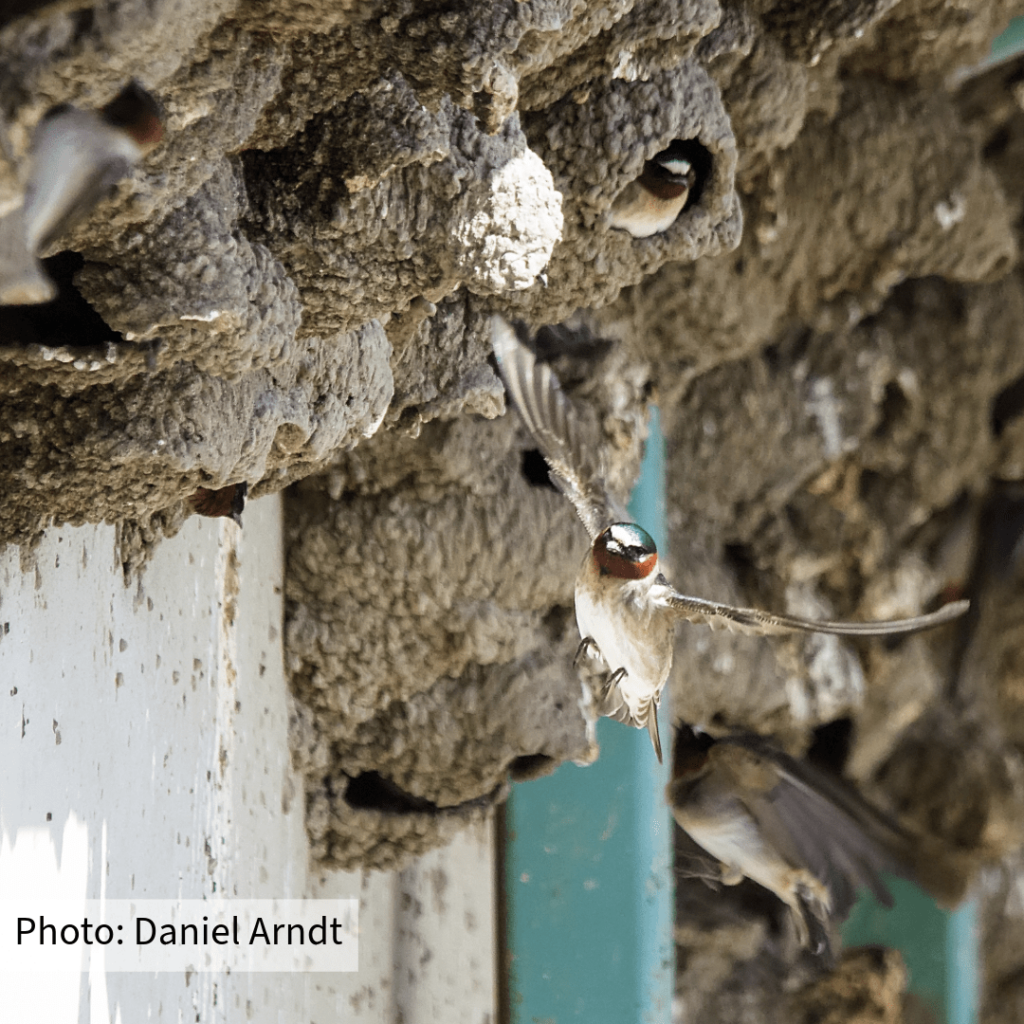
Credit: learn.birdscanada.org
Key Habitat Features
Bird habitats must provide several key features for birds to live and thrive. These features support birds’ basic needs and help them reproduce. Understanding these features explains why certain areas attract many bird species. The main elements include food sources, nesting sites, water availability, and shelter. Each plays a vital role in bird survival and well-being.
Food Sources
Birds need reliable food sources to maintain energy. Different birds eat seeds, insects, fruits, or nectar. Habitats rich in diverse plants and insects attract many bird types. Food availability affects bird population size and health. Seasonal changes can influence what food is present. Birds may migrate to find better food supplies during different seasons.
Nesting Sites
Safe nesting sites allow birds to lay eggs and raise chicks. Trees, shrubs, and cliffs offer various nesting options. Some birds build nests on the ground or inside cavities. The quality of nesting sites impacts breeding success. Birds select places that protect eggs from predators and harsh weather. A good nesting site increases the chance of chick survival.
Water Availability
Water is crucial for drinking and bathing. Birds need clean, fresh water nearby their habitat. Ponds, streams, and wetlands serve as important water sources. Water presence influences bird distribution and behavior. Some birds feed on aquatic life found in water bodies. Lack of water can force birds to leave an area.
Shelter And Protection
Shelter protects birds from predators and bad weather. Dense vegetation, tree branches, and rock crevices offer safe hiding spots. Birds use shelter to rest and stay warm. Proper shelter reduces stress and increases survival rates. Habitats with good shelter support larger bird populations over time.
Bird Adaptations To Habitats
Birds have evolved remarkable adaptations that allow them to thrive in diverse habitats, from dense forests to open wetlands. These adaptations influence how they find food, avoid predators, and survive seasonal changes. Understanding these traits can help you appreciate the complexity of bird life and even improve your birdwatching skills.
Beak And Feeding Adaptations
The shape and size of a bird’s beak reveal a lot about its diet and habitat. Birds that eat seeds often have strong, thick beaks for cracking shells. Others, like hummingbirds, have long, slender beaks designed to reach deep into flowers for nectar.
Have you noticed woodpeckers tapping on trees? Their sharp, chisel-like beaks are perfect for digging out insects hiding beneath bark. These specialized beaks help birds access food sources that others cannot, reducing competition.
Camouflage And Plumage
Birds use their feathers not just for flight but also for blending into their surroundings. Some species have dull, earth-toned plumage to stay hidden in forests or grasslands. Others display bright colors during mating season to attract partners but fade to less conspicuous shades afterward.
Imagine spotting a snowy owl on a white winter landscape—it practically disappears! This camouflage protects them from predators and helps them sneak up on prey. What colors do you see in birds near your home, and how might those colors serve their survival?
Migration And Seasonal Changes
Many birds migrate to survive seasonal changes in temperature and food availability. Migration requires physical endurance and navigational skills, both incredible adaptations shaped by nature. Birds like the Arctic tern travel thousands of miles between breeding and wintering grounds.
Seasonal plumage changes are another smart adaptation. Some birds grow thicker feathers in winter for warmth and shed them when it’s warmer. Watching these changes can teach you when birds prepare for migration or adjust to local climate conditions.
Threats To Bird Habitats
Bird habitats face many threats that endanger their survival. These threats reduce safe spaces and food sources for birds. Protecting these habitats is crucial for bird populations worldwide.
Habitat Loss And Fragmentation
Bird habitats shrink due to deforestation and urban growth. Large forests break into smaller patches, isolating bird populations. Fragmented habitats make it hard for birds to find mates and food. Nesting sites disappear, lowering bird reproduction rates.
Pollution Effects
Pollution harms birds and their homes. Chemicals in water and soil poison birds directly or reduce insect food. Plastic waste causes injury or death when birds swallow it. Air pollution affects the health of birds and plants they rely on.
Climate Change Impact
Changing climates shift bird habitats faster than birds can adapt. Rising temperatures alter food availability and migration patterns. Extreme weather events destroy nests and reduce breeding success. Some bird species may lose entire habitats due to climate changes.
Invasive Species
Non-native species compete with birds for food and nesting sites. Some invasive animals prey on eggs and young birds. Invasive plants change the structure of bird habitats. These changes often reduce habitat quality and bird diversity.
Conservation And Restoration Efforts
Conservation and restoration efforts play a vital role in protecting bird habitats. These efforts help maintain biodiversity and ensure birds have safe places to live, feed, and breed. Many groups work together to create and support these initiatives. Their goal is to stop habitat loss and improve the quality of natural environments.
Protected Areas And Reserves
Protected areas are special zones where human activity is limited. These zones provide safe homes for many bird species. Reserves are often set up in places with high bird diversity or rare species. Laws help keep these areas safe from logging, hunting, and pollution. They also help maintain natural food sources and nesting sites.
Habitat Restoration Projects
Restoration projects bring damaged habitats back to life. These projects might plant native trees or remove invasive plants. Wetlands and grasslands are often restored to support different bird species. Restoration also improves water quality and soil health. Healthy habitats attract more birds and increase their chances of survival.
Community Involvement
Local communities play a big role in conservation. People can help by planting native plants and avoiding harmful chemicals. Schools and groups organize bird-watching and clean-up events. Raising awareness teaches people why birds and their homes matter. Community support makes conservation efforts stronger and longer-lasting.
Sustainable Practices
Sustainable practices protect bird habitats while allowing human use. Farming methods can reduce pesticide use and keep soil healthy. Forest management can focus on selective logging to keep habitats intact. Using fewer resources and recycling helps reduce pollution. Sustainable living balances the needs of people and nature.

Credit: smallfarms.cornell.edu
Creating Bird-friendly Spaces
Creating bird-friendly spaces transforms any garden or yard into a welcoming haven for birds. It’s not just about attracting them but supporting their daily needs and safety. Small changes in your environment can make a big difference in their survival and happiness.
Planting Native Vegetation
Native plants provide the best food and shelter for local birds. They attract insects that birds feed on and produce fruits or seeds suited to their diets. Choose a variety of shrubs, trees, and flowers that bloom at different times to offer year-round resources.
Have you noticed how birds often ignore exotic plants in your garden? That’s because native vegetation matches their natural habitat. Adding these plants helps birds find familiar food and cover easily.
Providing Water Sources
Water is essential for birds to drink and bathe. Adding a birdbath or small pond can invite a variety of species to your space. Make sure to keep water clean and fresh to prevent diseases.
Even a shallow dish filled with water can become a popular spot during hot days. Think about placing it where birds feel safe from predators, like near bushes or trees.
Safe Nesting Options
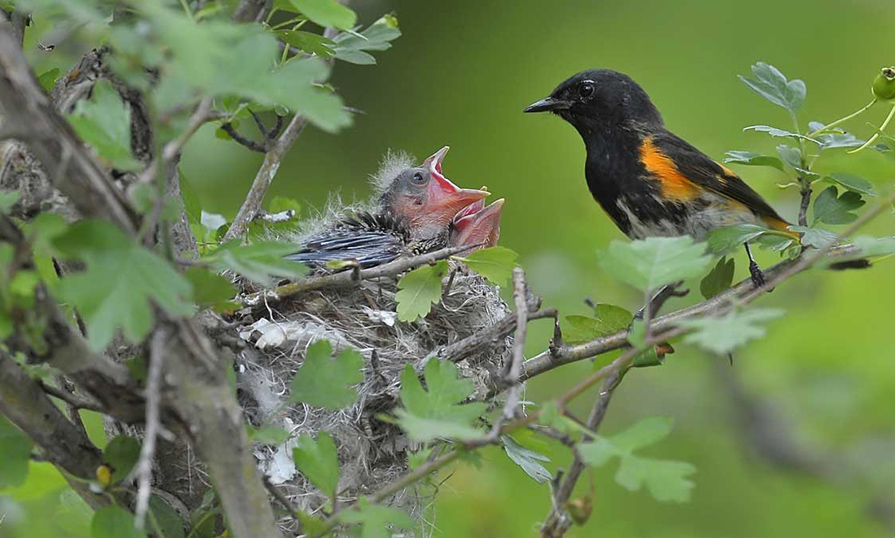
Birds need secure places to build nests and raise their young. You can offer natural options by preserving old trees or dead wood. Installing birdhouses designed for specific species also helps, especially in urban areas.
Have you ever watched a bird choose its nesting site? It prefers spots hidden from predators and harsh weather. Providing such safe options encourages them to stay and breed in your garden.
Reducing Hazards
Many common household items and garden practices can harm birds. Keep windows visible to prevent collisions by adding decals or screens. Avoid using pesticides that can poison birds and their food sources.
Consider checking your yard for dangers like open grills, loose wires, or uncovered drains. How safe is your space for a tiny bird navigating through it?
Credit: www.nscc.ca
Frequently Asked Questions
What Is A Bird Habitat?
A bird habitat is the natural environment where birds live, feed, and breed. It includes forests, wetlands, grasslands, and urban areas. Each bird species prefers specific habitats that provide food, shelter, and nesting sites essential for survival and reproduction.
Why Are Bird Habitats Important?
Bird habitats support biodiversity and ecological balance. They provide food, shelter, and breeding grounds for birds. Healthy habitats help birds thrive, control pests, and pollinate plants. Protecting these habitats ensures the survival of many bird species and maintains ecosystem health.
How Do Birds Choose Their Habitat?
Birds select habitats based on food availability, shelter, and nesting sites. They prefer areas that meet their survival needs and protect them from predators. Seasonal changes and migration also influence habitat choice, ensuring birds find the best conditions year-round.
What Threats Affect Bird Habitats?
Bird habitats face threats like deforestation, urbanization, pollution, and climate change. These factors destroy or degrade habitats, reducing food and shelter for birds. Protecting habitats from these threats is crucial for bird conservation and biodiversity preservation.
Conclusion
Bird habitats provide birds with food, shelter, and safety. Different birds need different types of habitats to live well. Protecting these places helps keep bird populations healthy. Humans can help by planting trees and avoiding pollution. Every small action matters for bird survival.
Understanding bird habitats helps us appreciate nature more. Let’s care for birds and their homes every day.