
Have you ever watched birds move together like a well-organized team and wondered how they do it? Training herding behavior in birds might sound tricky, but with the right approach, you can guide your feathered friends to follow your lead.
Imagine the pride you’ll feel when your birds respond to your commands, moving smoothly and quickly as a group. You’ll discover simple, step-by-step techniques to shape this fascinating behavior. Ready to unlock your birds’ hidden potential? Let’s dive in and transform the way you interact with them.

Credit: www.youtube.com
Basics Of Herding Behavior In Birds
Training herding behavior in birds involves guiding their natural instincts to follow and group together. Consistent cues and gentle encouragement help birds learn to move as a team. Patience and repetition build trust and improve their herding skills over time.
Understanding the basics of herding behavior in birds opens up a fascinating world of avian dynamics. Herding in birds is not just a spectacle but a complex interplay of instincts and learned behaviors. Whether you’re a bird enthusiast or someone curious about animal behavior, grasping these basics can enhance your interaction with these feathered creatures.Common Herding Species
Some bird species are renowned for their herding behavior. Geese, ducks, and chickens are among the most common. They exhibit herding instincts that can be observed and trained, making them perfect candidates for those interested in animal training. While geese are often seen in majestic V-formations in the sky, on the ground, they naturally flock together for protection. Ducks display similar behavior, staying close to their group to ensure safety. Chickens, especially when free-ranging, move as a unit, instinctively knowing there is safety in numbers.Natural Instincts And Triggers
Birds’ herding behavior is deeply rooted in their natural instincts. At its core, herding is a survival mechanism, helping birds protect themselves from predators. This instinct can be harnessed and guided with the right training techniques. Triggers for herding include environmental cues like weather changes, predators’ presence, and even feeding times. Understanding these triggers allows you to anticipate and influence herding behavior. Have you ever noticed how a simple clap can send a flock of birds into synchronized flight? This reaction is a blend of natural instinct and learned behavior, a key factor in effective training.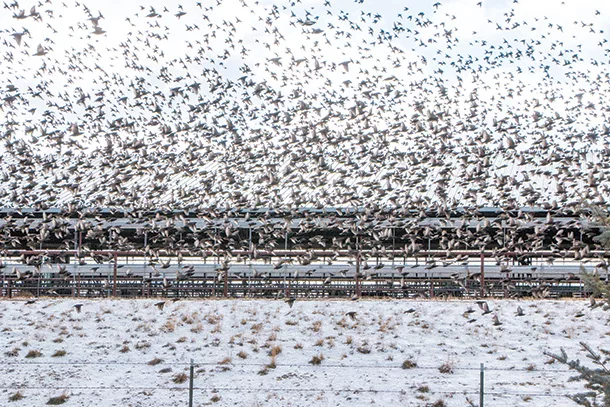
Credit: www.agproud.com
Preparing For Training
Preparing your bird for herding training sets the stage for success. A calm and safe space helps your bird focus. The right tools make training easier and more effective. Careful preparation saves time and reduces frustration during sessions.
Selecting The Right Environment
Choose a quiet, open space free from distractions. Avoid places with loud noises or many people. A familiar area helps your bird feel safe and relaxed. Ensure the space has enough room for movement and flight. Good lighting improves visibility for both you and the bird. Consistent training locations build positive habits faster.
Tools And Equipment Needed
Gather simple tools that support training goals. Use a small, lightweight herding target or wand. Soft treats motivate your bird without causing stress. A clicker or gentle sound device helps mark good behavior. Provide perches or platforms to guide movement. Keep all equipment clean and ready before starting sessions.
Step-by-step Training Techniques
Training herding behavior in birds requires patience and clear communication. The key is to move slowly, building a strong connection with your bird before introducing commands. Each step should feel natural to your feathered friend, making the learning process enjoyable for both of you.
Building Trust And Bonding
Start by spending quiet time near your bird without any training pressure. Let your bird get used to your presence and voice, which helps reduce anxiety. Offering treats by hand encourages your bird to see you as a friend, not a threat.
Consistency matters—try to interact daily, even if only for a few minutes. Notice how your bird reacts to your touch and tone; adjust accordingly to keep your bond strong. Have you observed how a calm environment helps your bird feel safe and ready to learn?
Using Commands And Signals
Choose simple words or sounds that you will use consistently during training sessions. Pair these commands with clear, gentle gestures so your bird can associate actions with signals quickly. For example, use a soft whistle or a hand motion to guide your bird’s movement.
Keep your commands short and repeat them calmly. Birds respond better to clear, consistent signals rather than long or confusing instructions. Have you noticed how birds can pick up on subtle body language? Use this to your advantage during training.
Positive Reinforcement Methods
Reward your bird immediately after it responds correctly to a command. Use favorite treats, praise, or gentle petting to reinforce good behavior. This encourages your bird to repeat the action, making training faster and more effective.
Avoid punishment; it can damage trust and slow progress. Instead, focus on celebrating small wins and gradually increasing the difficulty of tasks. What small rewards does your bird respond to best? Tailoring rewards can make a big difference.
Handling Challenges
Handling challenges in training herding behavior in birds requires patience and sharp observation. Birds can easily get distracted or develop habits that interfere with the training goals. Understanding these obstacles lets you guide your bird more effectively and keep the training on track.
Managing Distractions
Birds are naturally curious and can lose focus quickly when something new catches their eye. To keep their attention, create a quiet and controlled environment during training sessions. Remove toys, other pets, or loud noises that might pull their focus away from the task.
If distractions are unavoidable, try short, frequent training bursts instead of long sessions. This keeps your bird engaged without overwhelming them. Have you noticed how your bird’s attention span changes with different surroundings? Use this to decide where and when to train.
Positive reinforcement works well here. Reward your bird immediately when it stays focused despite distractions. This builds a stronger connection between paying attention and getting a treat or praise.
Correcting Unwanted Behavior
Unwanted behaviors like biting, ignoring commands, or wandering off can slow down your training progress. The key is to address these behaviors calmly and consistently. Avoid harsh punishments, as they can cause fear or stress, which makes training harder.
Instead, redirect your bird’s attention to the desired action. For instance, if it starts pecking at your hand, gently move it to the designated herding position and reward the right behavior. Consistency matters—every time your bird repeats the unwanted behavior, respond the same way.
Sometimes, unwanted behavior signals boredom or lack of exercise. Try adding more physical activity or mental challenges to keep your bird engaged. What changes can you make to your bird’s routine that might reduce these behaviors?
Advanced Herding Skills
Advanced herding skills help birds work as a team. These skills improve control and efficiency. Training birds to follow complex commands makes herding smoother. Birds learn to move together and solve problems. This stage demands patience and clear signals.
Coordinating Group Movements
Teaching birds to move as one unit is vital. Use consistent signals for direction and speed. Practice with small groups before larger flocks. Reward birds that follow group commands well. Synchronize their movements through repeated drills. Gradually increase the complexity of tasks. This builds trust and cooperation among birds.
Incorporating Obstacle Navigation
Introduce simple obstacles during training sessions. Teach birds to avoid or fly over barriers. Use gentle guidance to help them understand paths. Increase obstacle difficulty as birds improve. Encourage problem-solving by changing obstacle layouts. Praise quick and correct responses. This skill prepares birds for real herding challenges.
Maintaining And Enhancing Skills
Maintaining and enhancing herding skills in birds requires ongoing care and effort. Consistent training keeps their instincts sharp. It also builds a stronger bond between you and your bird. Attention to their health supports better performance and learning. This section explains how to keep progress steady and improve abilities over time.
Regular Practice Routines
Practice sessions should be short and frequent. Birds learn best with gentle repetition. Use clear commands and signals each time. Keep training areas quiet and free of distractions. Gradually increase the difficulty by adding new tasks. Reward good behavior with treats or praise. Track progress to adjust the routine as needed. Consistency helps birds remember and refine skills.
Monitoring Bird Health And Wellbeing
Healthy birds respond better to training. Watch for signs of stress or illness. Ensure they get enough rest and proper nutrition. Clean their living space regularly to prevent disease. Regular vet checkups catch problems early. Provide mental stimulation outside training too. A happy bird stays motivated and alert. Good health supports long-term herding success.

Credit: www.nature.com
Frequently Asked Questions
What Is Herding Behavior In Birds?
Herding behavior in birds is their natural tendency to group together for safety and social interaction. It helps them protect against predators and find food more efficiently. Training this behavior can improve bird management and bonding with humans.
How Can I Start Training Herding Behavior In Birds?
Begin with patience and consistency. Use treats and positive reinforcement to encourage birds to follow and stay close. Practice short sessions daily, gradually increasing duration to strengthen their herding instincts and trust.
Which Bird Species Exhibit Herding Behavior Naturally?
Species like pigeons, starlings, and quails naturally exhibit herding behavior. These birds prefer flocking for protection and social reasons. Understanding their instincts helps tailor effective training methods specific to each species.
What Tools Help Train Herding Behavior In Birds?
Use treats, clickers, and gentle guiding sticks to train herding behavior. These tools encourage movement and following commands. Positive reinforcement with rewards enhances learning and bonding during training sessions.
Conclusion
Training herding behavior in birds takes time and patience. Start with small steps and keep sessions short. Use clear signals and reward good actions. Practice often to help birds learn faster. Remember, each bird learns in its own way. Stay calm and consistent to see progress.
Enjoy the process and celebrate small wins. Herding can be fun and useful for your birds. Keep learning and adapting your training methods. Success grows with care and steady effort.